
Birth Place & Early Home of Professor Wilson — History & Facts
In the quiet embrace of a solitary landscape, the weight of existence is captured in delicate strokes and muted hues. Here, the essence of mortality lingers, urging the viewer to reflect on the transient nature of life. Look to the left at the weathered elements of the house, each chipped stone and splintered wood telling a silent story of time’s passage. The artist’s careful hand creates a sense of nostalgia, with soft shadows caressing the façade, making the building feel both alive and decaying.
Notice how the pale sky melds seamlessly into the earth, an ethereal blend of grays and browns that suggest both comfort and melancholy, inviting contemplation on roots and decay. Within this scene, the contrasts speak volumes—the enduring structure juxtaposed with the encroaching wilderness, symbolizing the inevitable return to nature. The subtle play of light hints at a fleeting moment in time, suggesting that even in stability, change is the only constant. Each brushstroke captures the tension between permanence and impermanence, urging us to ponder our own places in this continuum. In 1887, David Young Cameron painted this piece during a period when he was deeply engaged with the themes of home and belonging, drawing inspiration from his surroundings in Scotland.
At this time, he was gaining recognition for his landscapes, experimenting with techniques that combined realism and impressionism. The world of art was in flux, and Cameron’s work reflected the deep-rooted connection to heritage and the ephemeral nature of life, echoing the sentiments of a generation grappling with rapid change.
More Artworks by David Young Cameron
Browse all →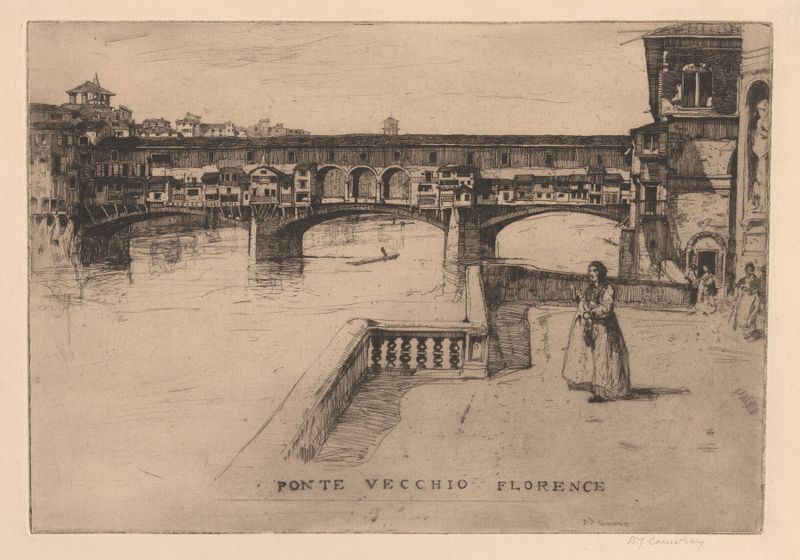
Ponte Vecchio
David Young Cameron

The Deanery, Winchester
David Young Cameron
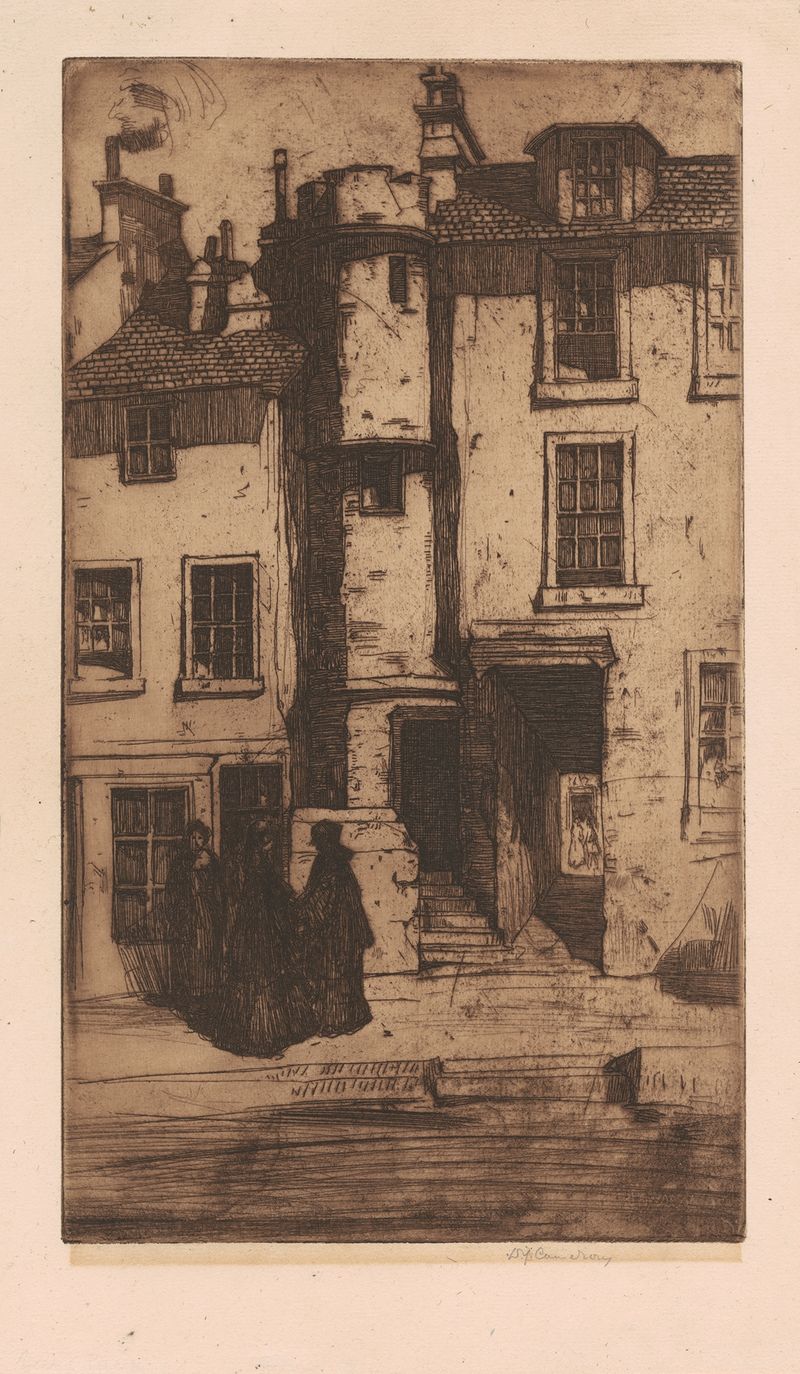
Old Houses, Stirling
David Young Cameron
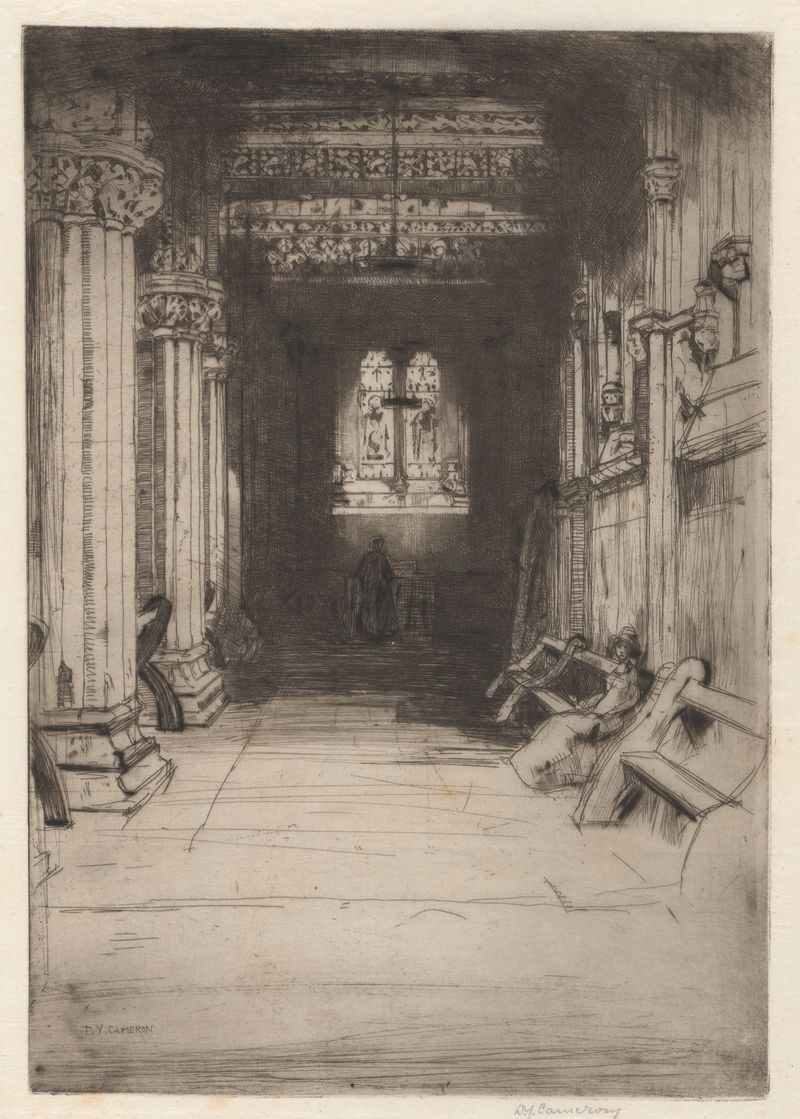
Rosslyn Chapel
David Young Cameron

The Old Museum, Beauvais
David Young Cameron
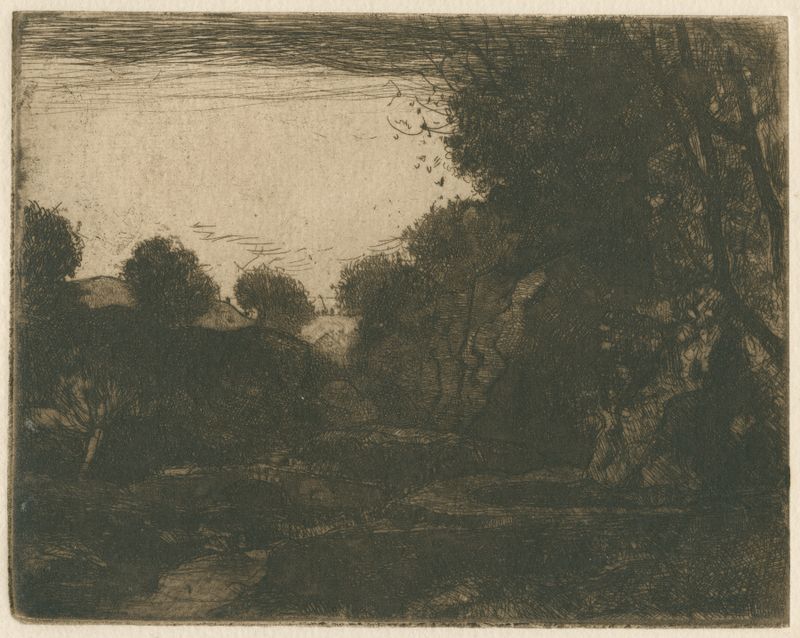
On the Bradford
David Young Cameron

The Smithy
David Young Cameron
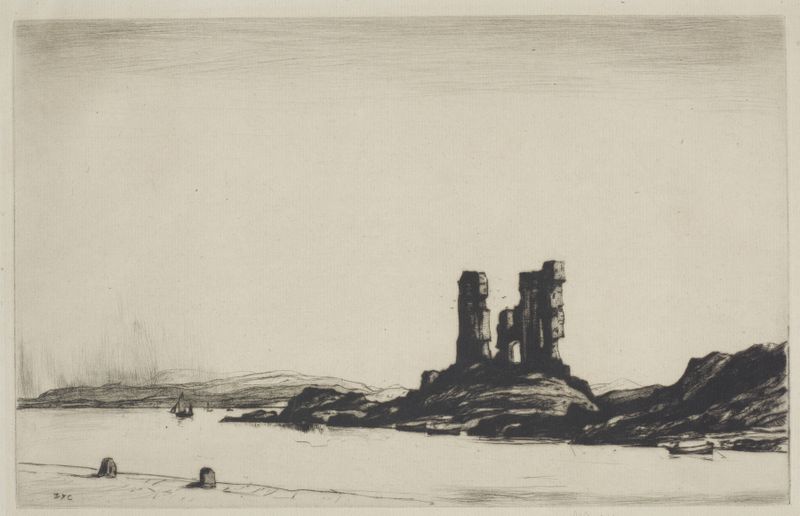
Castle Moyle
David Young Cameron
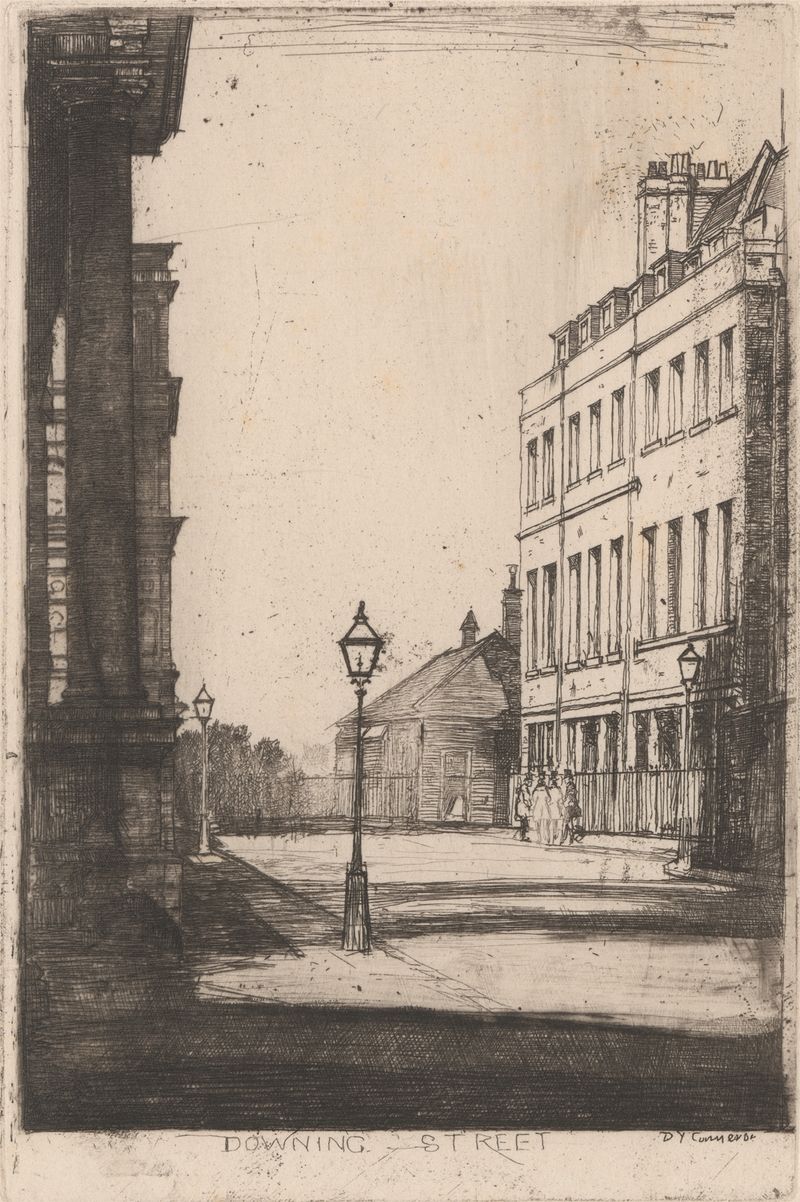
Downing Street
David Young Cameron

Glasgow Cathedral
David Young Cameron





