
Biskra – Desert (Evening) — History & Facts
What secret hides in the quiet of the canvas? Beneath the golden hues and gentle strokes lies the innocence of a moment untouched by the chaos of the world. Look to the center of the canvas, where the sun descends, casting a warm glow over the undulating dunes of Biskra. The soft gradients of amber and ochre evoke a sense of serenity, inviting the eye to wander through the expanse of the desert. Notice how the delicate brushwork captures the shifting sands, each grain seemingly alive under the twilight sky.
The blending of colors at the horizon creates a seamless transition between earth and sky, suggesting a boundary that is both inviting and elusive. Beneath the tranquil surface, there are layers of emotional tension. The vastness of the landscape juxtaposes the intimacy of the moment, hinting at a solitude that can feel both liberating and isolating. The sparse details of the foreground foreground evoke a sense of innocence, a reminder of simpler times lost in the passage of life.
A subtle interplay of light and shadow suggests hidden depths, as if the desert holds stories of those who have traversed its endless silence. In 1909, Jan Ciągliński created this piece while living in Paris, a time when he was deeply influenced by the burgeoning Impressionist movement. This was a period of exploration for him, as he experimented with colors and techniques that would capture the essence of the world around him. The simplicity of this landscape reflects not just the beauty of Biskra but also the artist's personal journey towards understanding the complexities of human experience.
More Artworks by Jan Ciągliński
Browse all →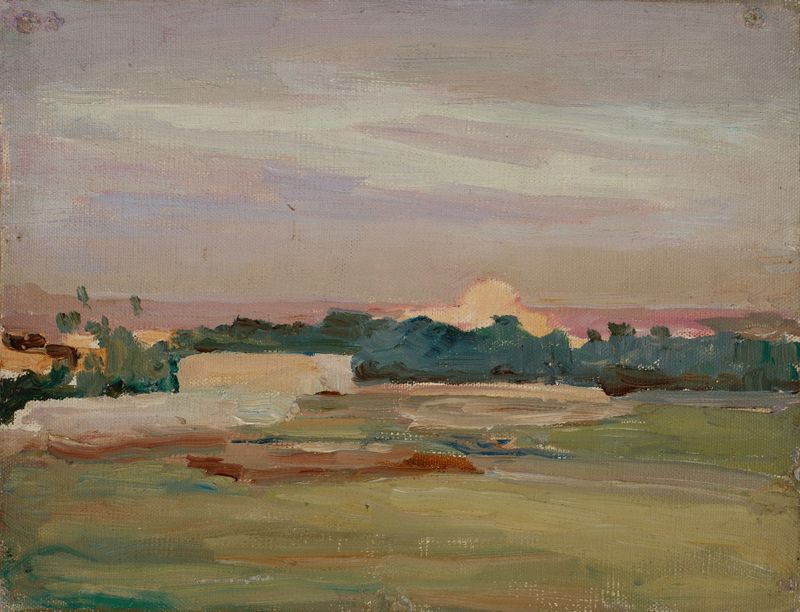
The Sirocco
Jan Ciągliński
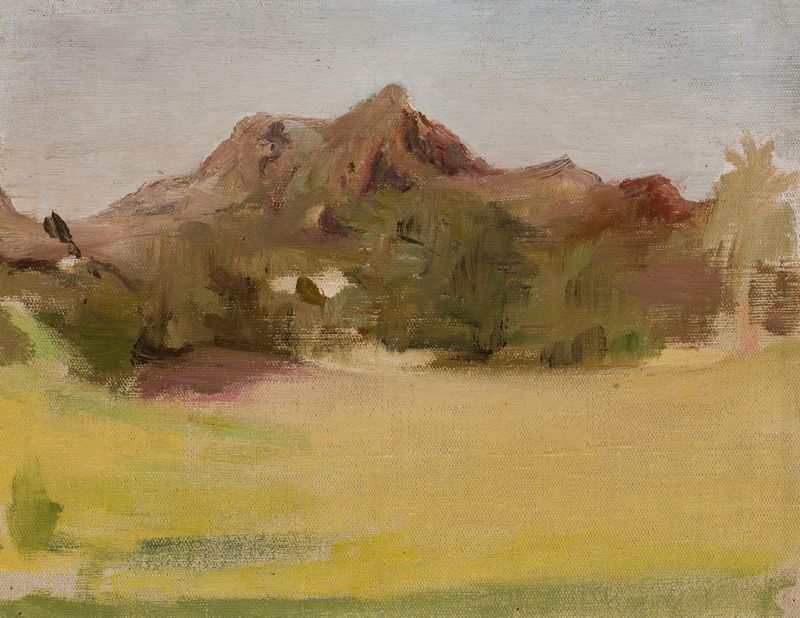
Mountain landscape. From the journey to India
Jan Ciągliński
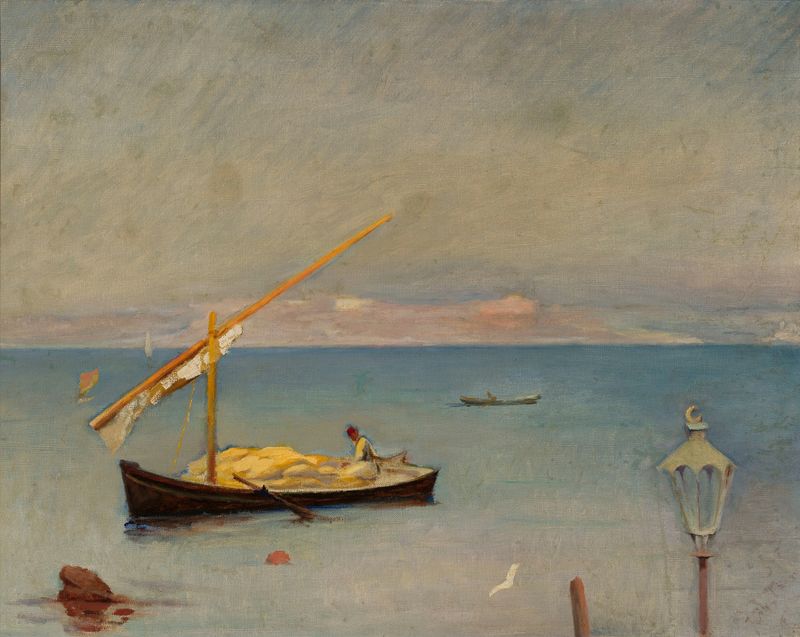
At Bosporus
Jan Ciągliński
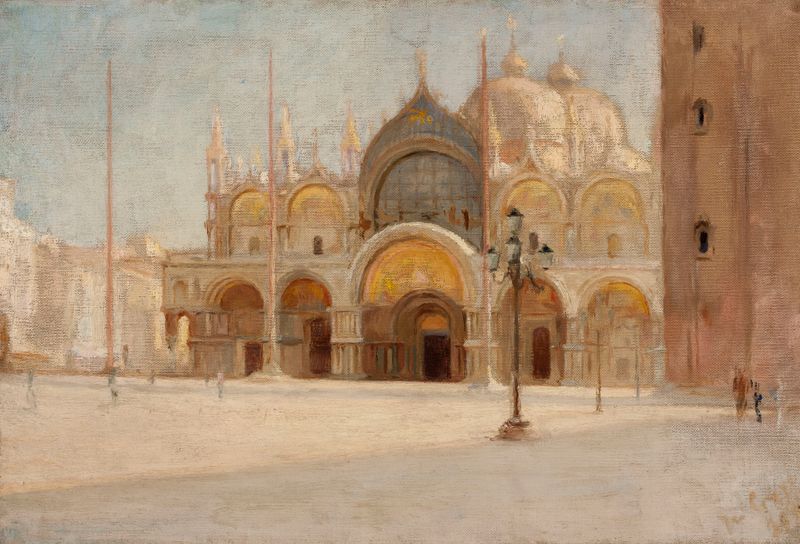
St Mark’s Square in Venice
Jan Ciągliński
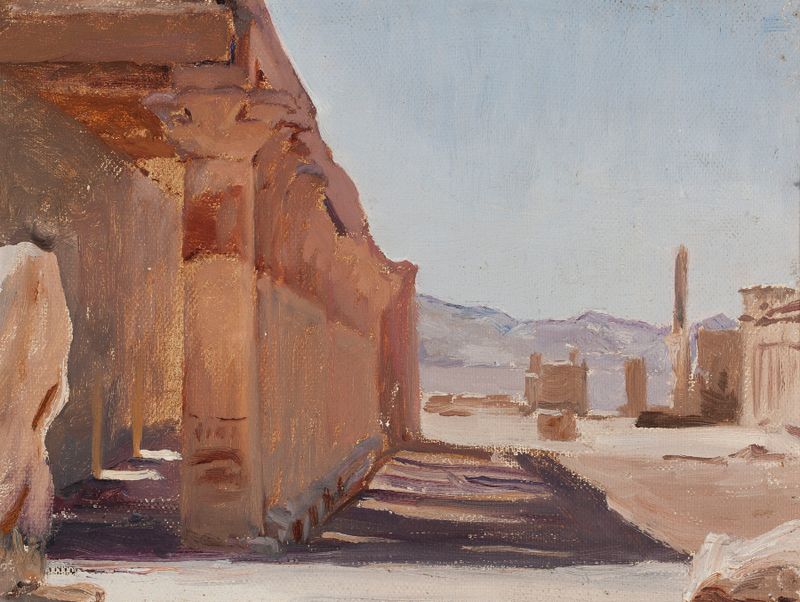
Temple. From the journey to Egypt
Jan Ciągliński
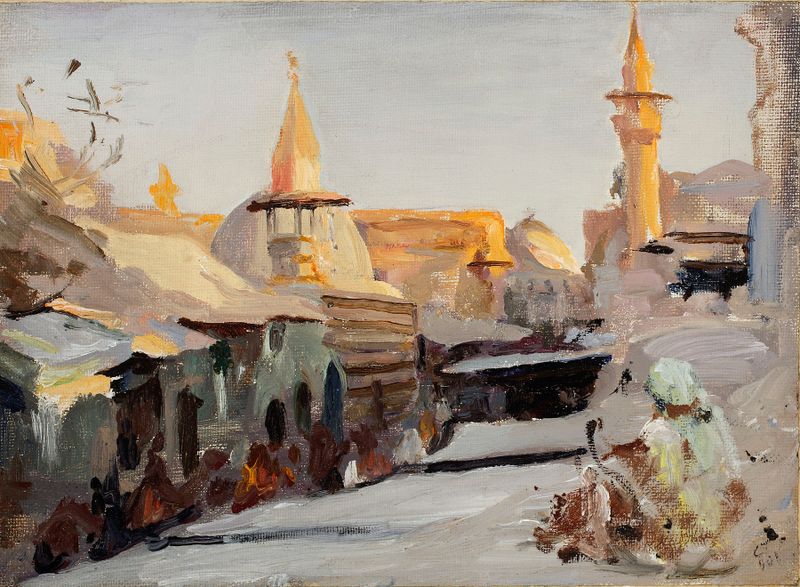
Street in Damascus. From the journey to Palestine
Jan Ciągliński
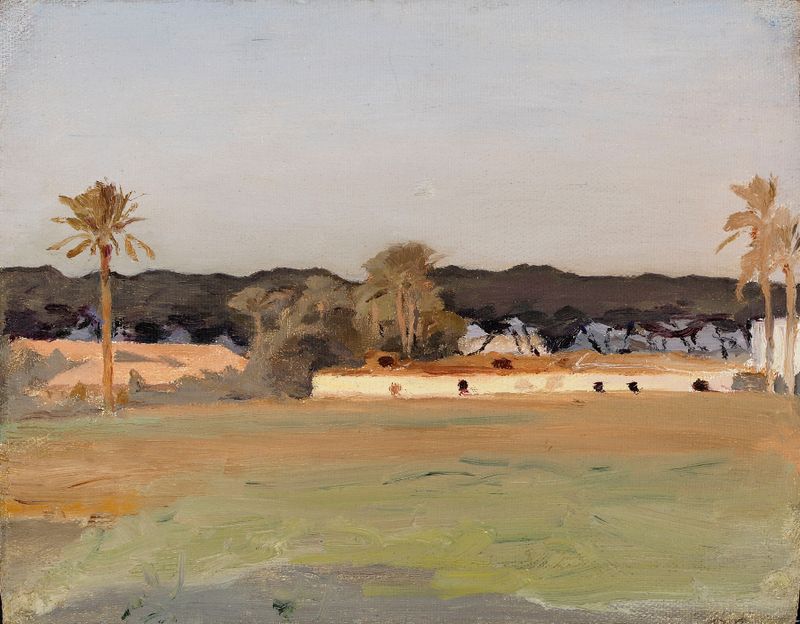
Evening. From the journey to Egypt
Jan Ciągliński
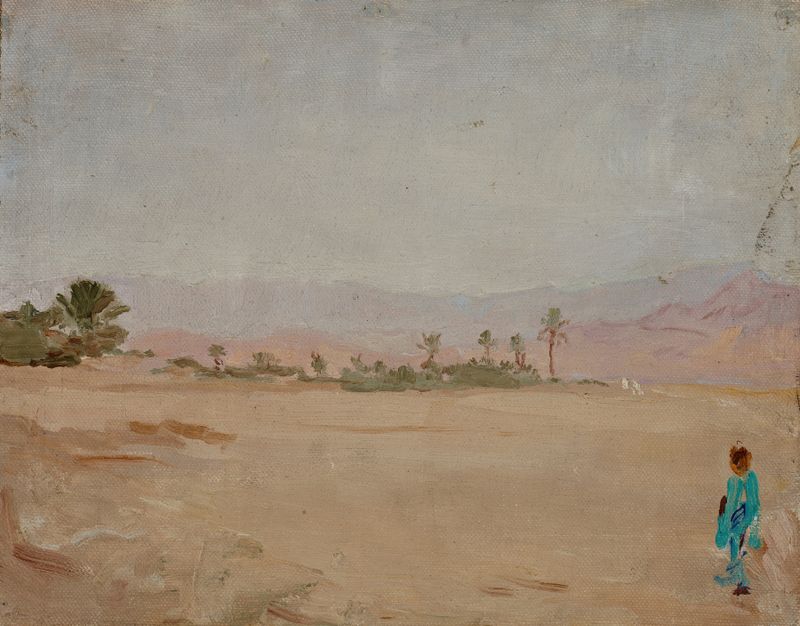
Sahara (Desert)
Jan Ciągliński
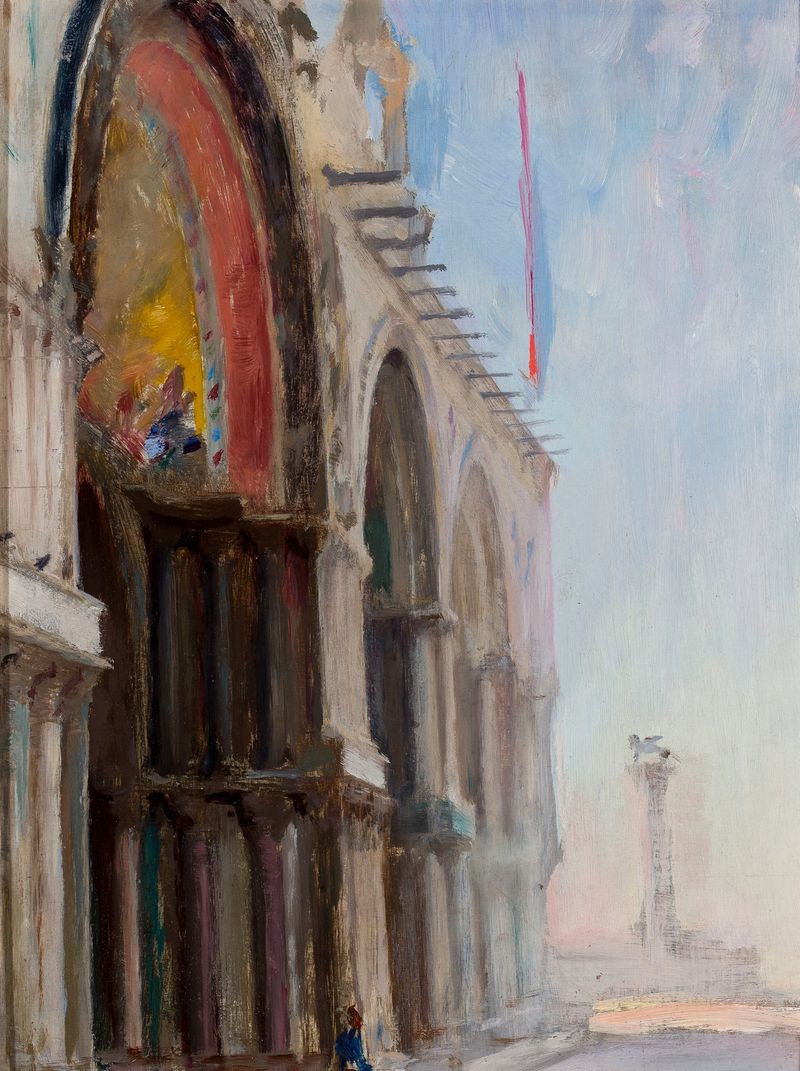
Venice – San Marco. From the journey to Italy
Jan Ciągliński
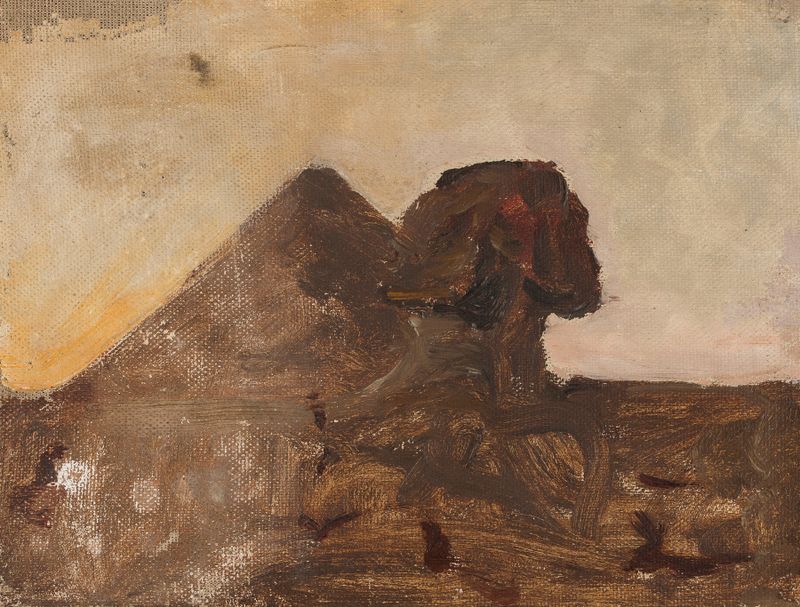
Evening in the desert – Sphinx and pyramid. From the journey to Egypt
Jan Ciągliński





