
Black Rocks near Trouville (Low Tide) — History & Facts
In the quiet stillness of early morning, nature awakens, revealing a world both serene and charged with potential. The horizon holds the promise of a new day, as the canvas breathes life into the moment of transition. Look to the left at the dark, jagged rocks cutting into the soft, sandy shoreline, their bold presence commanding attention. Notice how the cool, muted tones of blues and grays contrast with the warm ochres of the beach, forming a harmonious tension.
The artist's delicate brushwork creates a sense of movement in the gentle waves lapping against the rocks, while the light dances across the water, capturing the play of reflections and shadows that invoke a feeling of tranquility. Delve deeper into the painting’s emotional contrasts; the steadfastness of the rocks symbolizes endurance amidst the ever-changing tides of life. The low tide reveals hidden treasures in the sand, inviting exploration and awakening a sense of wonder in the viewer. This interplay of stability and transience embodies the cycles of nature, mirroring the human experience of awakening to new possibilities and the beauty of fleeting moments. In 1874, Black Rocks near Trouville (Low Tide) emerged from Lalanne’s studio during a time marked by a burgeoning interest in realism and naturalism within the art world.
Living in France during an era of industrial change, he found solace in capturing the untouched beauty of the coastal landscapes. This piece reflects his dedication to exploring the nuances of light and landscape, as well as a personal journey toward artistic maturity amidst the evolving tides of contemporary art.
More Artworks by Maxime Lalanne
Browse all →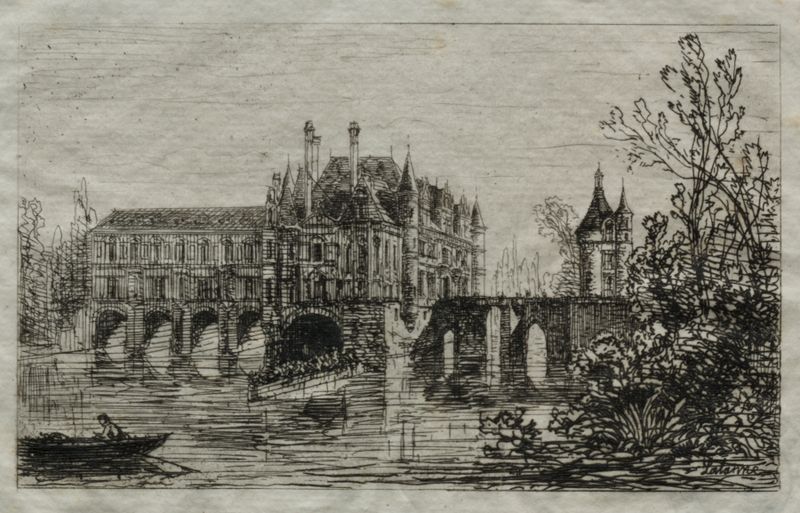
Château de Chenonceau
Maxime Lalanne
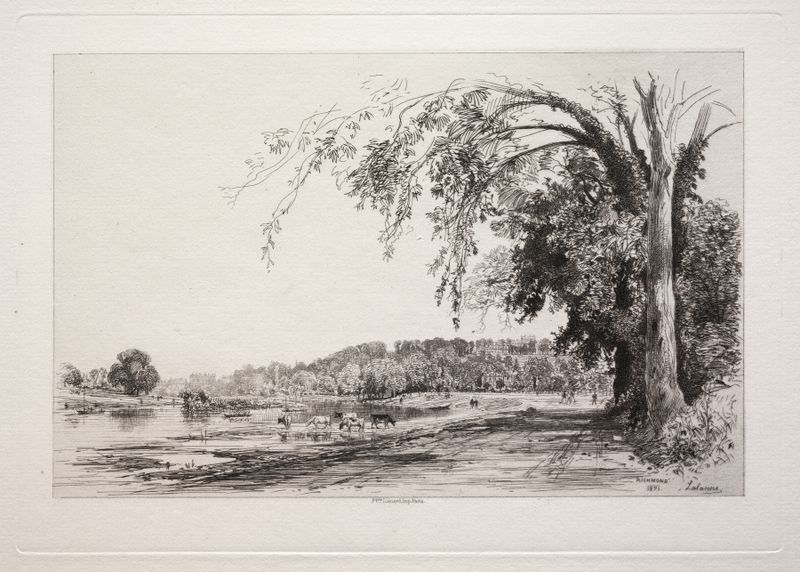
Richmond
Maxime Lalanne
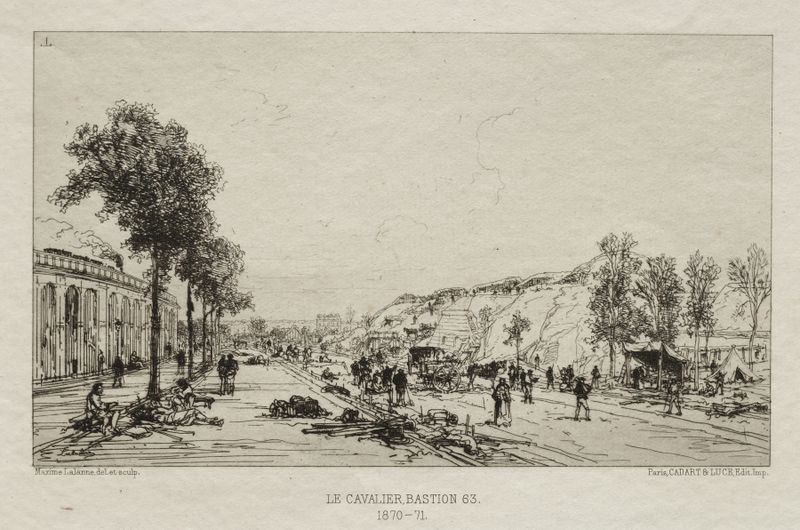
Souvenirs artistiques du Siège de Paris; Le Cavalie (Bastion 63)
Maxime Lalanne
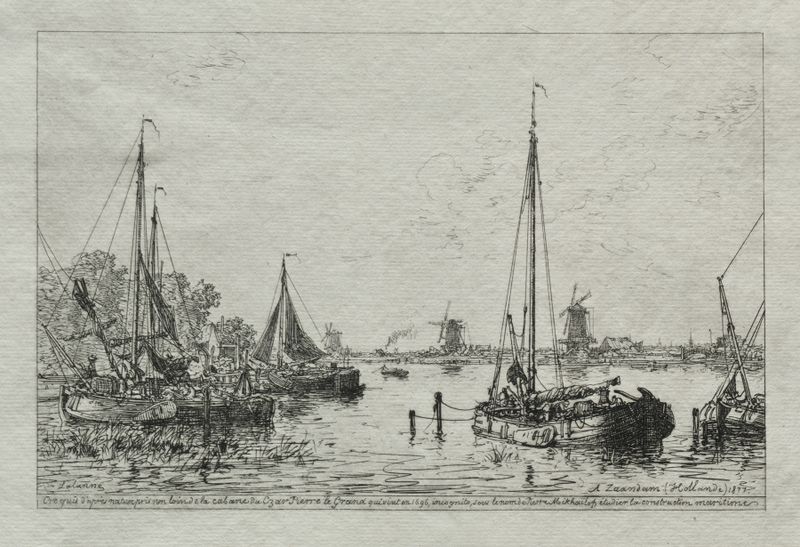
Sketch from Nature
Maxime Lalanne
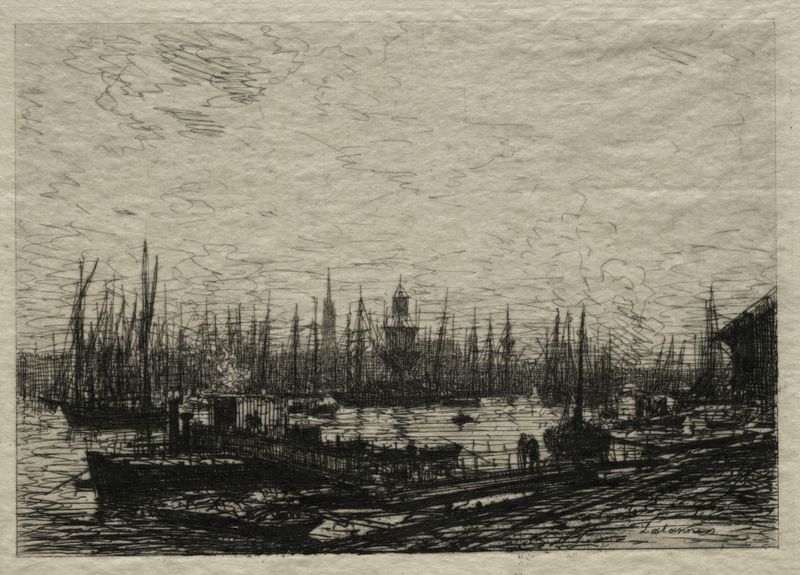
In the Bordeaux Harbor
Maxime Lalanne
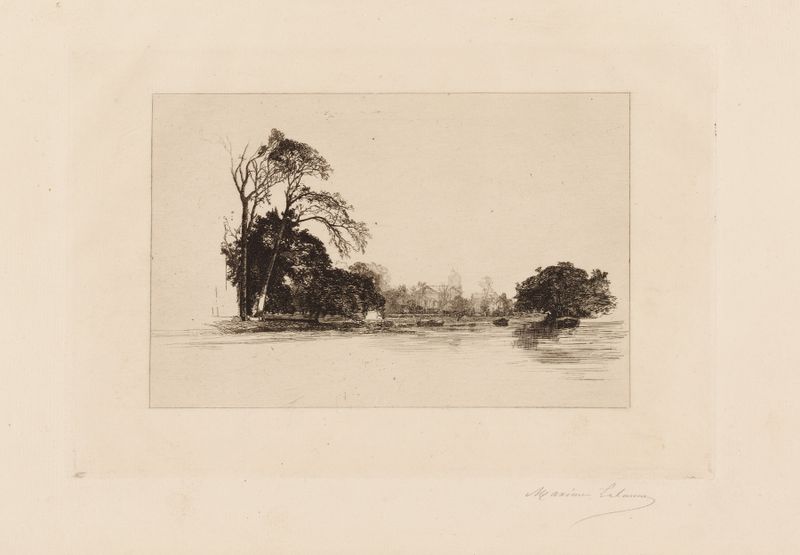
Bank of the Thames
Maxime Lalanne
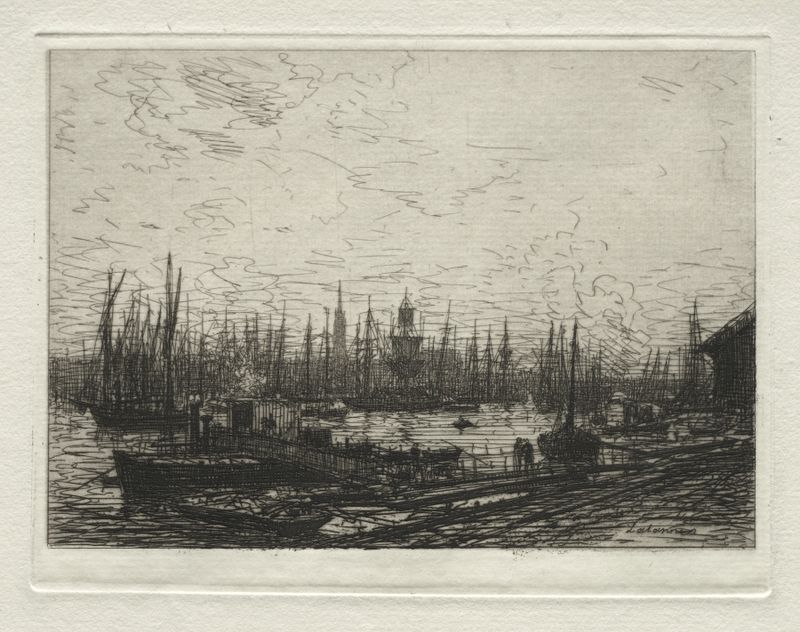
Port of Bordeaux
Maxime Lalanne
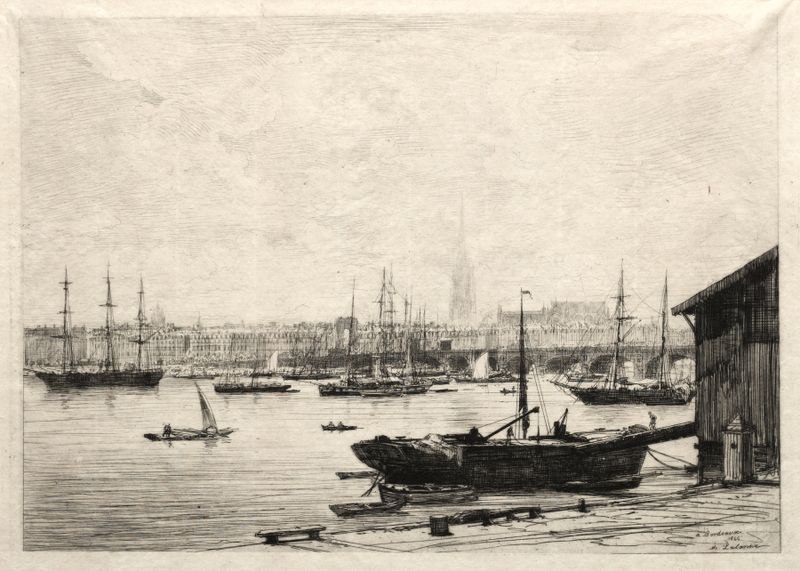
Bordeaux
Maxime Lalanne
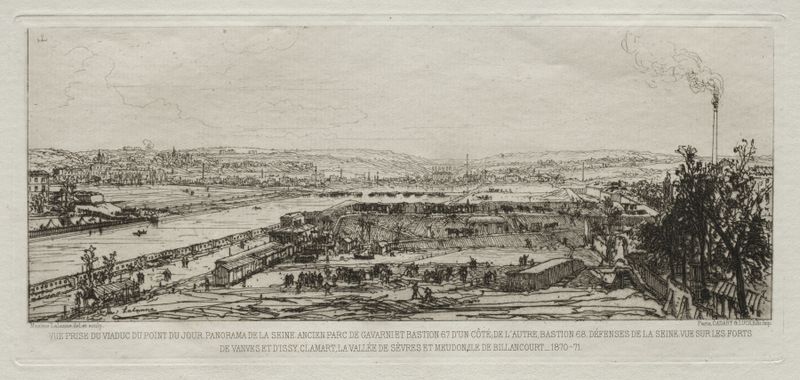
View from the Viaduct at the Pont-du-Jour, Panorama de la Seine
Maxime Lalanne
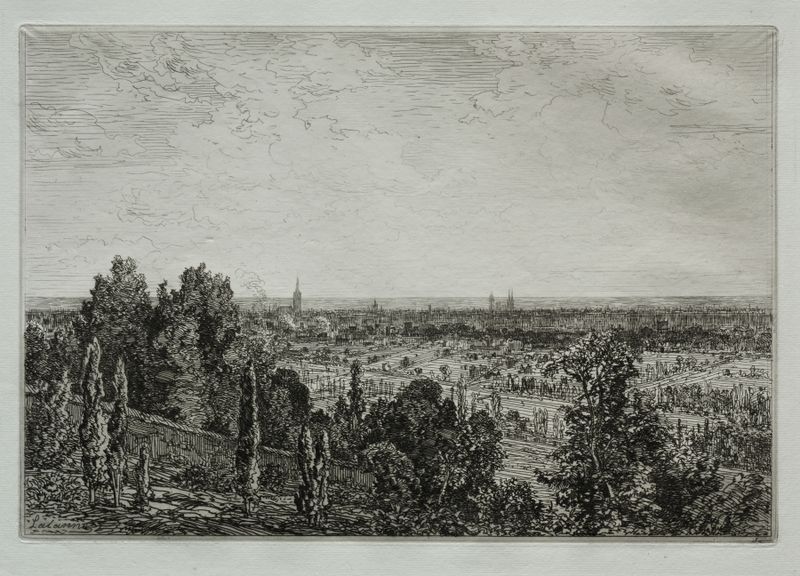
Bordeaux, View from the Coast of Cénon
Maxime Lalanne





