Blühender Mohn — History & Facts
Did the painter know this moment would outlive them? In a world that shifts with relentless speed, can we capture the fleeting essence of innocence as it blooms? Look to the center of the canvas where vibrant scarlet poppies unfurl like whispers of spring, their delicate petals almost dancing in a gentle breeze. Surrounding these blossoms, soft greens and golds intertwine, creating a lush tapestry that invites the viewer to step into a tranquil moment of nature’s splendor. The artist’s brushwork, fluid and expressive, captures the organic grace of each flower, while the light appears to caress the petals, enhancing their vividness and inviting contemplation. Within this idyllic scene lies a juxtaposition of fragility and resilience.
The boldness of the flowers speaks to life’s beauty and transience, evoking a bittersweet awareness of the innocence that blooms only to fade away. By contrasting the vibrant reds with the soothing greens and soft hues, the painting hints at the duality of existence—joy intertwined with the inevitability of change. Each poppy stands as a testament to nature's cycles, urging reflection on the innocence that often feels distant yet profoundly familiar. Created between 1895 and 1900, this work emerged during a period of transformation in the art world, where the Symbolist movement began to influence many artists’ approaches to nature.
Wisinger-Florian, based in Vienna, was part of a broader dialogue that sought to elevate everyday subjects to realms of deeper significance. As she painted, society grappled with shifts in perception, seeking beauty in simplicity and meaning in the ephemeral—a quest that resonates powerfully within this piece.
More Artworks by Olga Wisinger-Florian
Browse all →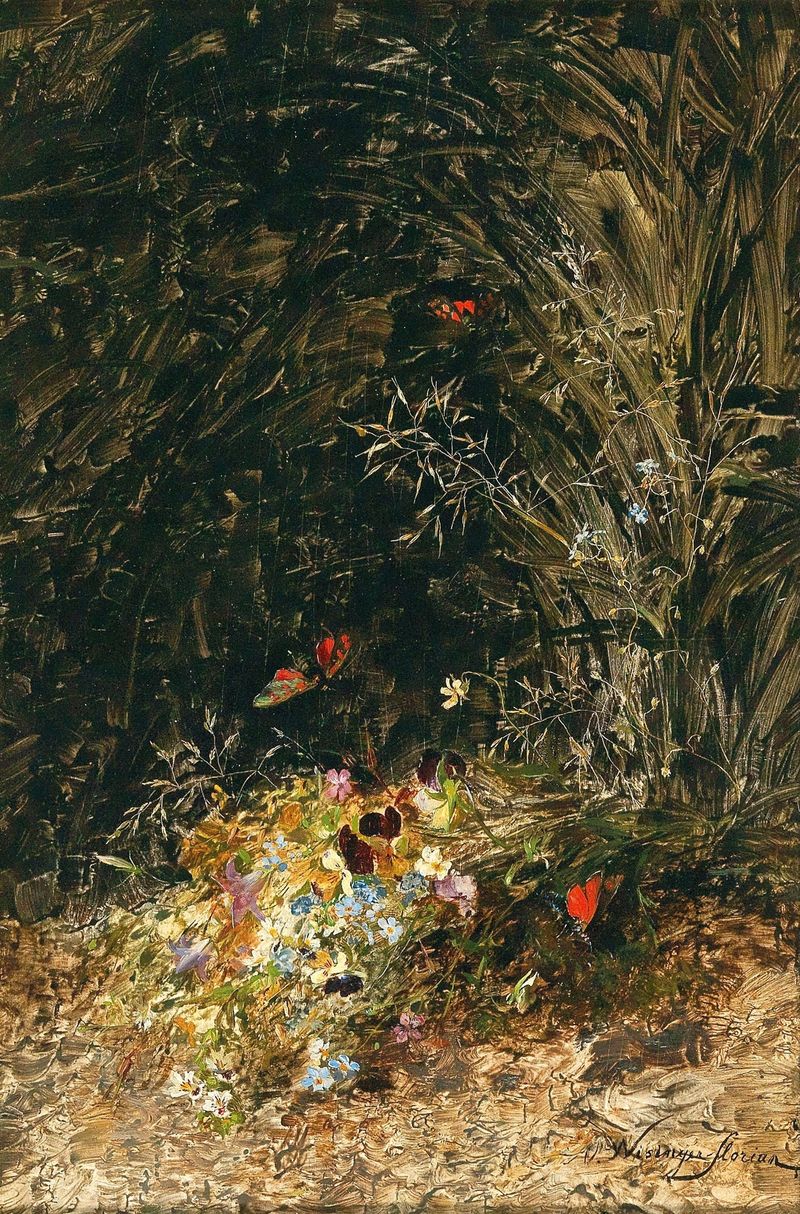
A bouquet of wildflowers
Olga Wisinger-Florian

Aulandschaft
Olga Wisinger-Florian

On the North Sea
Olga Wisinger-Florian
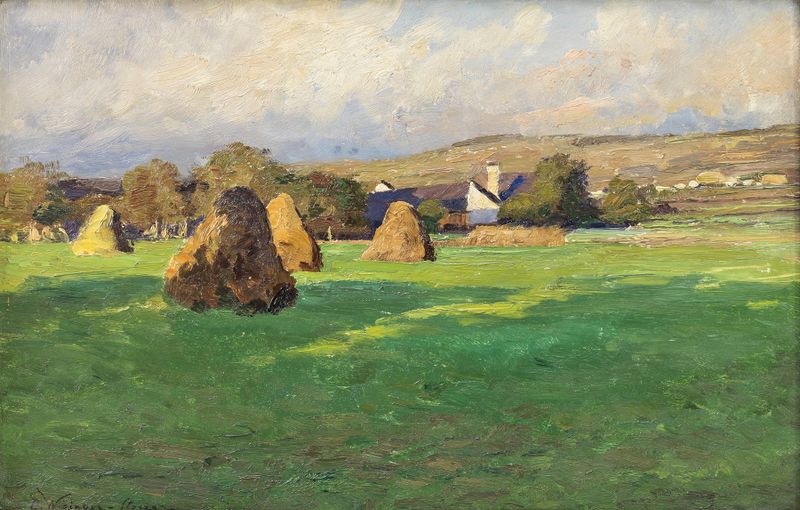
Abendliche Sommerlandschaft mit Strohmandeln
Olga Wisinger-Florian
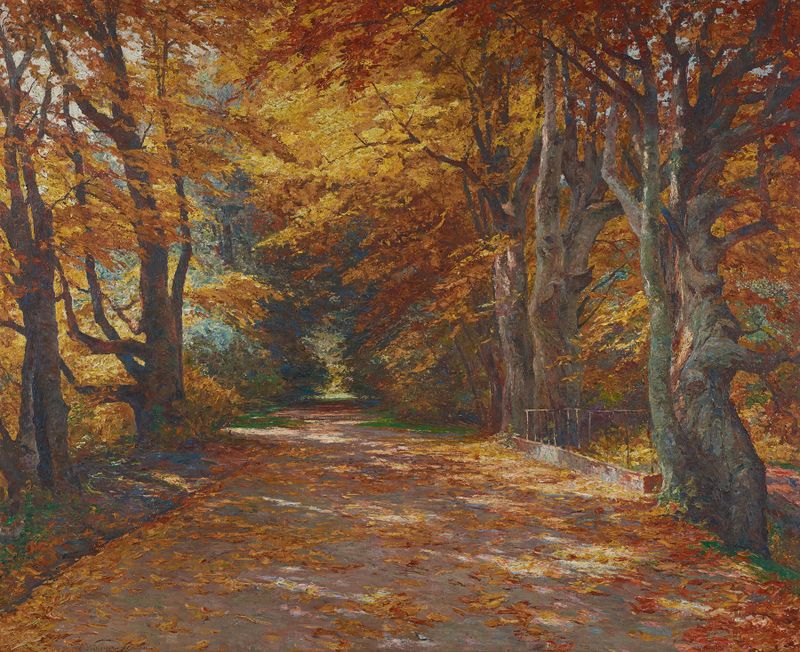
Praterallee im Herbst Herbstliche Allee
Olga Wisinger-Florian
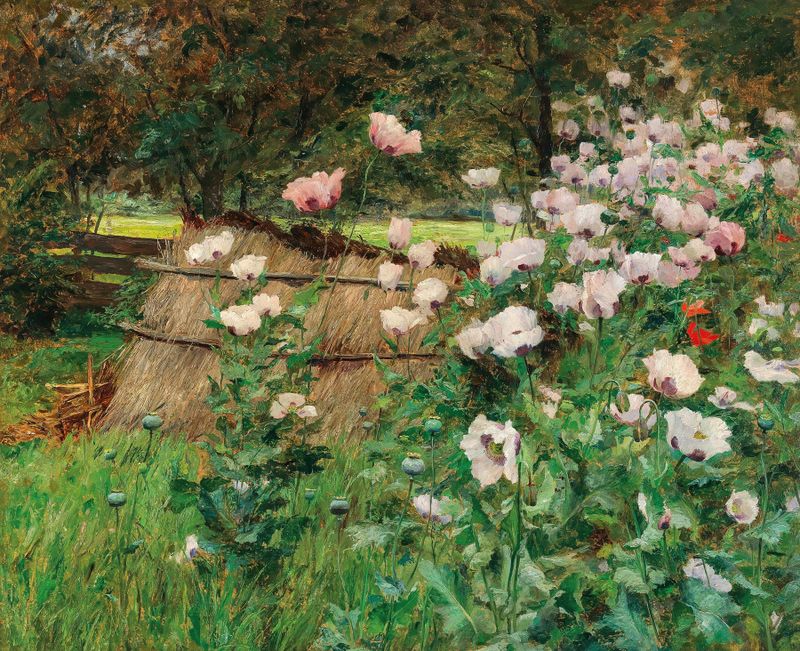
Im Bauerngarten
Olga Wisinger-Florian

Parklandschaft
Olga Wisinger-Florian
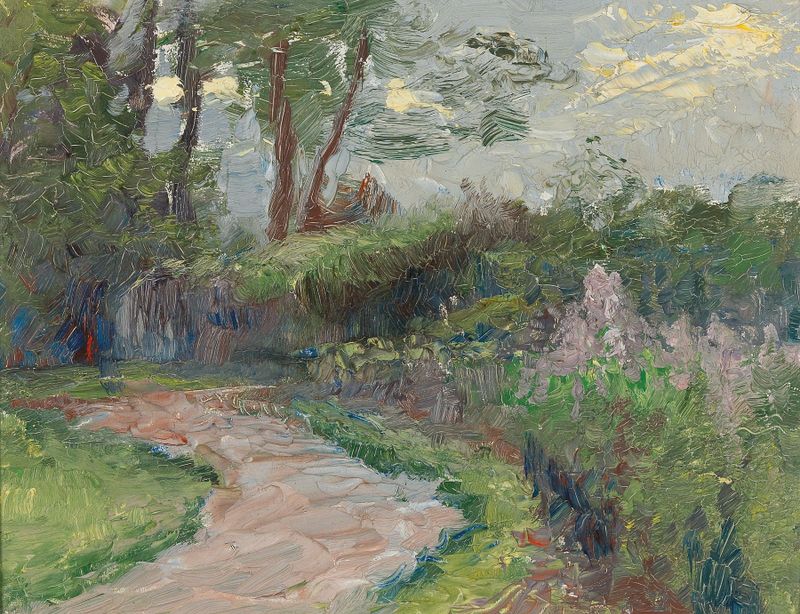
Path in the Park
Olga Wisinger-Florian

Abend
Olga Wisinger-Florian
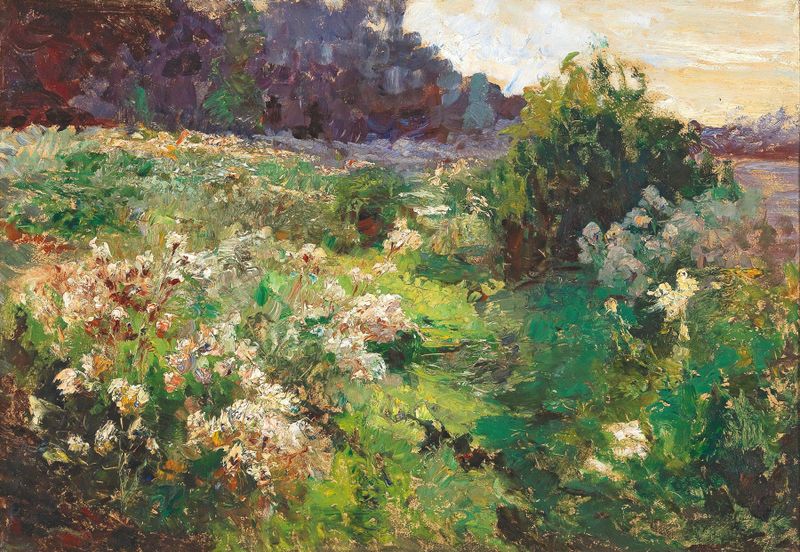
Meadow
Olga Wisinger-Florian