Blick auf Karlsruhe von Süden — History & Facts
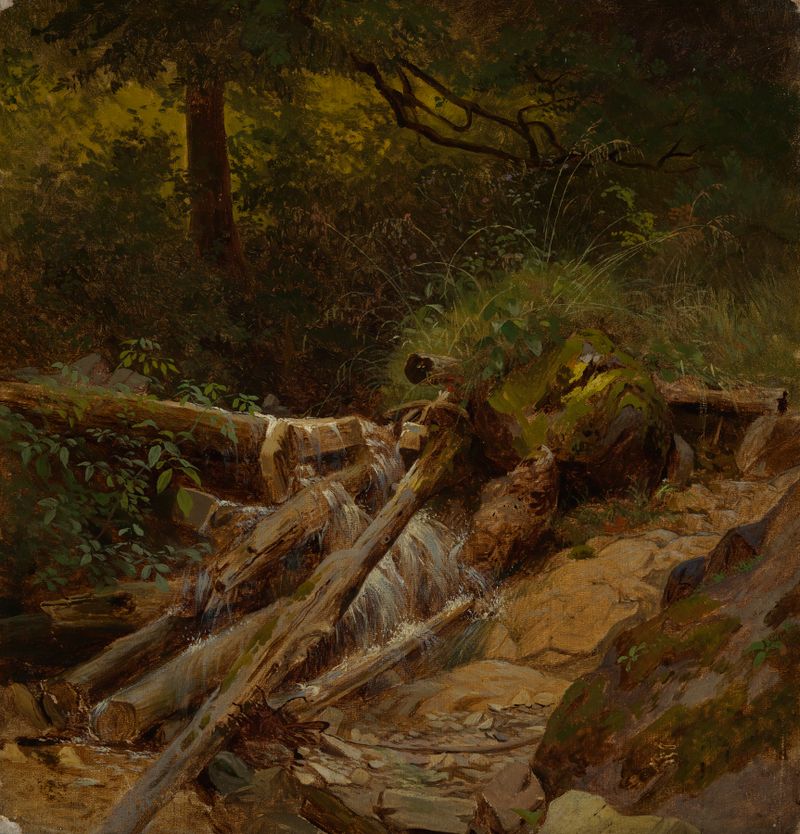
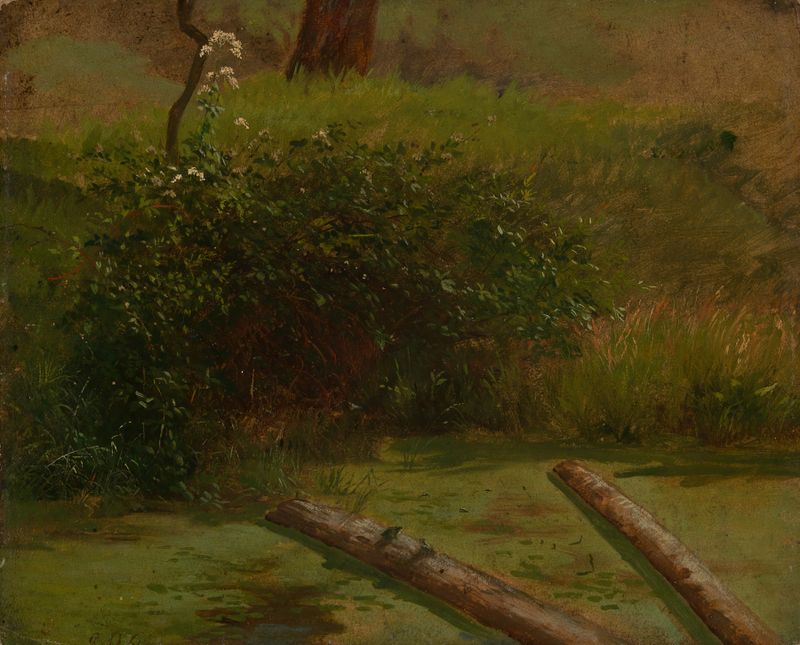
In Blick auf Karlsruhe von Süden, every brushstroke invites you to pause, to breathe in the awe of a moment captured in time. Focus first on the gentle undulation of the landscape, where the horizon meets a sky awash in soft blues and whites. The eye is immediately drawn to the delicate interplay of light and shadow as it dances across the lush greenery, creating a vibrant tapestry that invites exploration. Notice how the vibrant greens of the foreground create a striking contrast with the serene pastels of the sky, emphasizing the harmony between nature and human settlement. Delving deeper, the painting holds layers of meaning beneath its surface.
The sweeping view of Karlsruhe symbolizes a connection to both the natural world and the burgeoning urban life of the time. The distant buildings emerge almost ethereally, suggesting a fragile coexistence with the landscape, which evokes a sense of nostalgia for an age where nature and civilization seemed more intertwined. There’s a palpable tension between the tranquil beauty of the land and the encroaching structures that hint at progress yet to come. In 1869, while painting this scene, the artist was immersed in the Romantic movement, which sought to evoke emotion through nature and light.
Working in Karlsruhe, a city on the brink of industrialization, they captured the essence of a transitional period—one where beauty and change coexist, reflecting both personal and societal aspirations in a rapidly evolving world.