
Blick vom antiken Theater in Taormina auf den Ätna — History & Facts
What if silence could speak through light? In Blick vom antiken Theater in Taormina auf den Ätna, the stillness resonates, echoing the profound loneliness of both landscape and observer. Focus first on the dramatic interplay of shadow and illumination across the ancient ruins, where the theater's weathered stones cradle centuries of silence. Notice how the sun spills its golden warmth onto the surrounding foliage, contrasting sharply with the cool hues of the distant, brooding Mount Etna. The composition draws your eye along the diagonal lines of the theater’s structure, guiding you from the foreground's rugged details to the vastness of the sky, creating a sense of depth and perspective that envelops you in the moment. Yet, beneath this serene beauty lies a palpable tension.
The ancient theater, once a hub of culture and performance, now stands empty, evoking a haunting sense of abandonment. The looming presence of Etna, both majestic and ominous, symbolizes nature’s indifference to human endeavor, amplifying the feeling of isolation. The brilliant colors of the sunset seem to fade into melancholy, suggesting that even in beauty, there exists an undercurrent of solitude. In 1883, Carl Wuttke painted this work while living in the throes of a vibrant artistic shift in Europe, where romanticism met realism.
The landscape of Taormina, with its rich history and captivating vistas, provided Wuttke with not just inspiration but a reflection of his own feelings of detachment. At this time, artists were increasingly drawn to capturing the sublime beauty of nature, often contrasting it with the human experience of isolation, a theme that resonates deeply in this evocative piece.
More Artworks by Carl Wuttke
Browse all →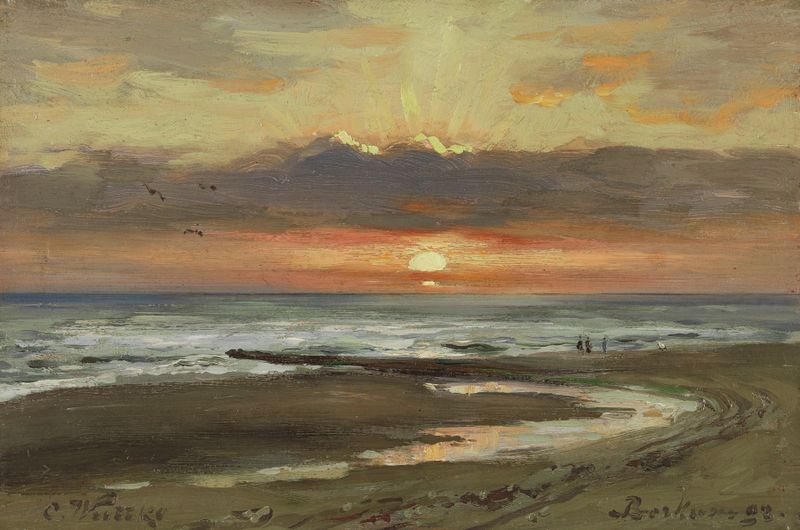
Sonnenuntergang auf Borkum
Carl Wuttke

Orientalischer Basar
Carl Wuttke

Blick vom antiken Theater in Taormina auf den Ätna
Carl Wuttke
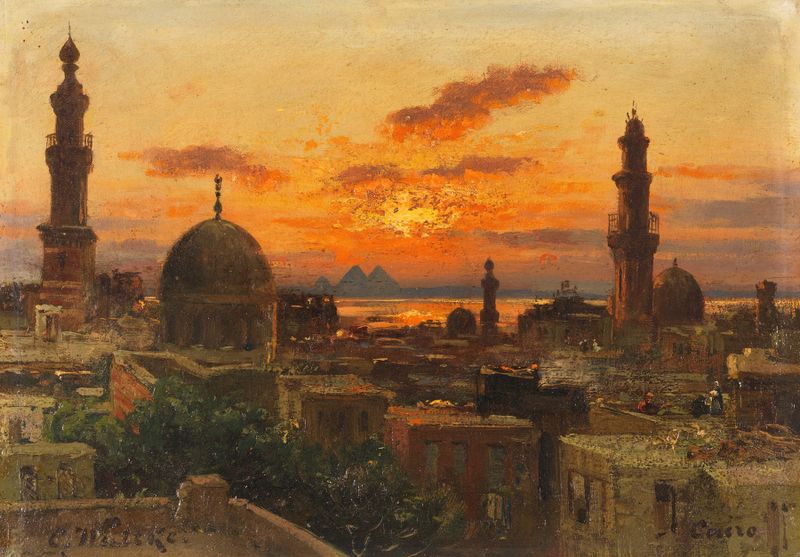
Kairo im Abendlicht
Carl Wuttke
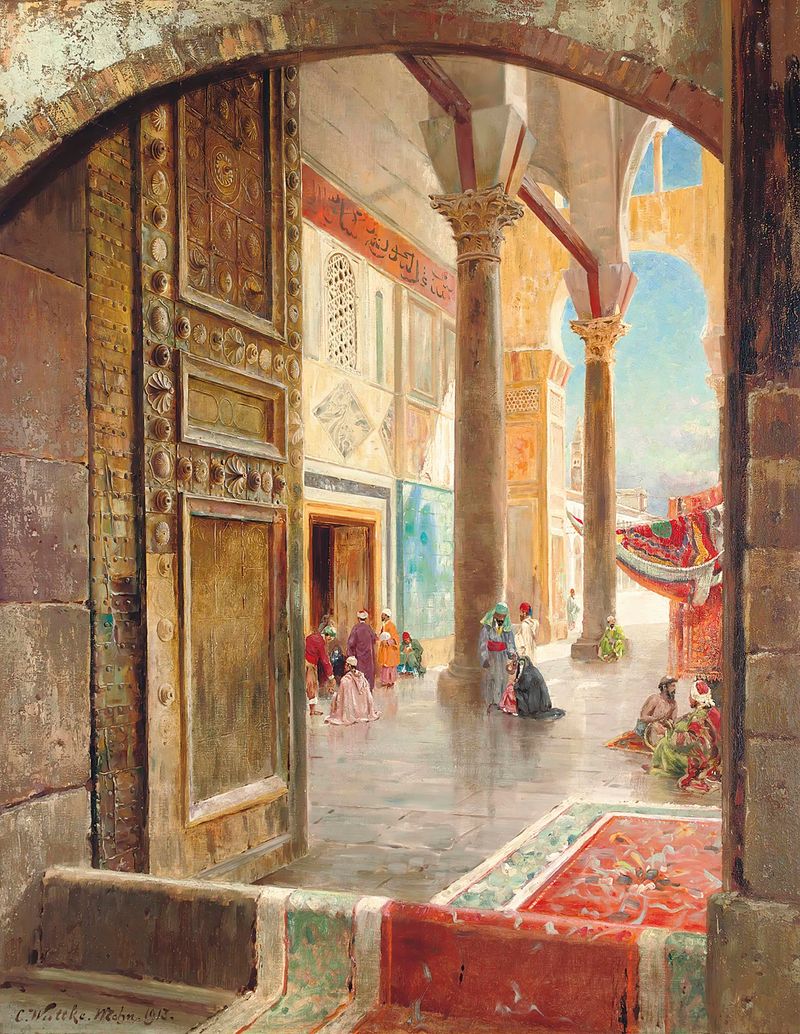
The Great Umayyad Mosque, Damascus
Carl Wuttke
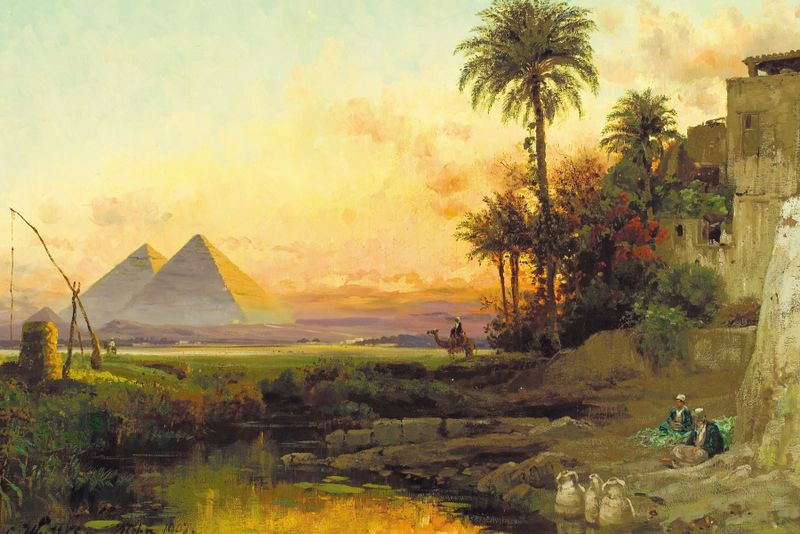
The Pyramids at Dusk
Carl Wuttke

Ansicht von Kairo mit dem Südtor der Stadtmauer
Carl Wuttke

Hügellandschaft in Westbengalen
Carl Wuttke
Prozession auf Capri
Carl Wuttke

Alter Wachturm in der röm. Campagna
Carl Wuttke





