
Prozession auf Capri — History & Facts
In Prozession auf Capri, Carl Wuttke captures the intricate dance between truth and illusion that permeates human experience. The painting invites a reflection on the conflicting emotions that arise in moments of communal celebration, revealing deeper layers hidden beneath the surface. Start by looking at the vibrant procession winding through the golden-hued landscape, with figures adorned in flowing garments. Notice how the bright colors contrast with the muted background, drawing your eye to the characters at the forefront.
Pay attention to the intricate detailing on their clothing, the way the light plays upon the fabric, suggesting movement and life amidst the tranquility of Capri. Each brushstroke speaks to a blend of joy and solemnity that permeates the gathering. As you delve deeper, consider the expressions and postures of the figures; there’s an unspoken tension between their smiles and the shadows lurking in their eyes. The procession, while festive, evokes a sense of longing or nostalgia, hinting at the bittersweet nature of tradition.
The sun-kissed landscape, though alluring, seems to suggest the weight of history and collective memory that shapes these moments of beauty. In 1893, Wuttke painted this piece during a time of artistic transition in Europe, as the Post-Impressionist movement began to influence the art world. Living in Germany, he was at the crossroads of burgeoning modernism while drawing inspiration from serene landscapes and cultural rites, seeking to blend emotional depth with visual splendor in his work.
More Artworks by Carl Wuttke
Browse all →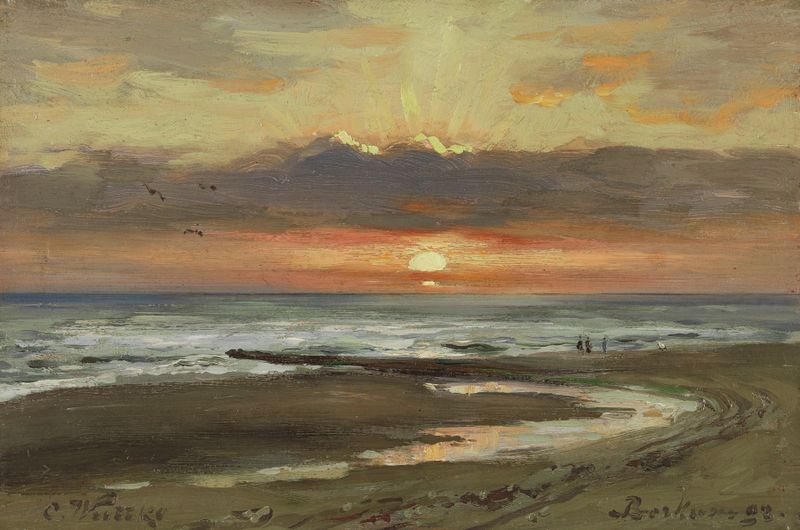
Sonnenuntergang auf Borkum
Carl Wuttke

Orientalischer Basar
Carl Wuttke

Blick vom antiken Theater in Taormina auf den Ätna
Carl Wuttke
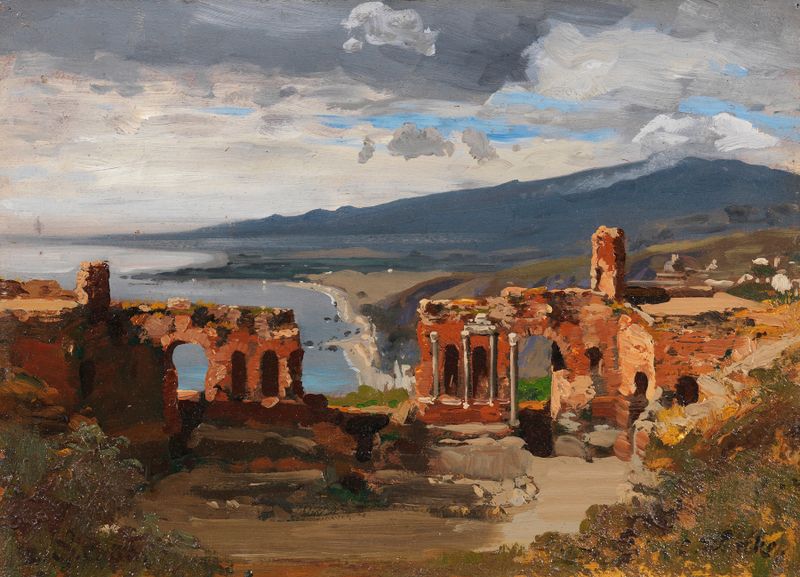
Blick vom antiken Theater in Taormina auf den Ätna
Carl Wuttke
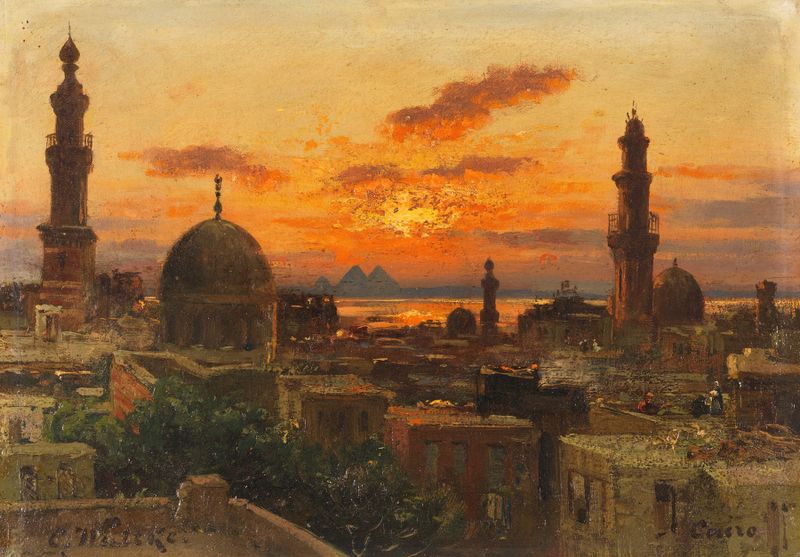
Kairo im Abendlicht
Carl Wuttke
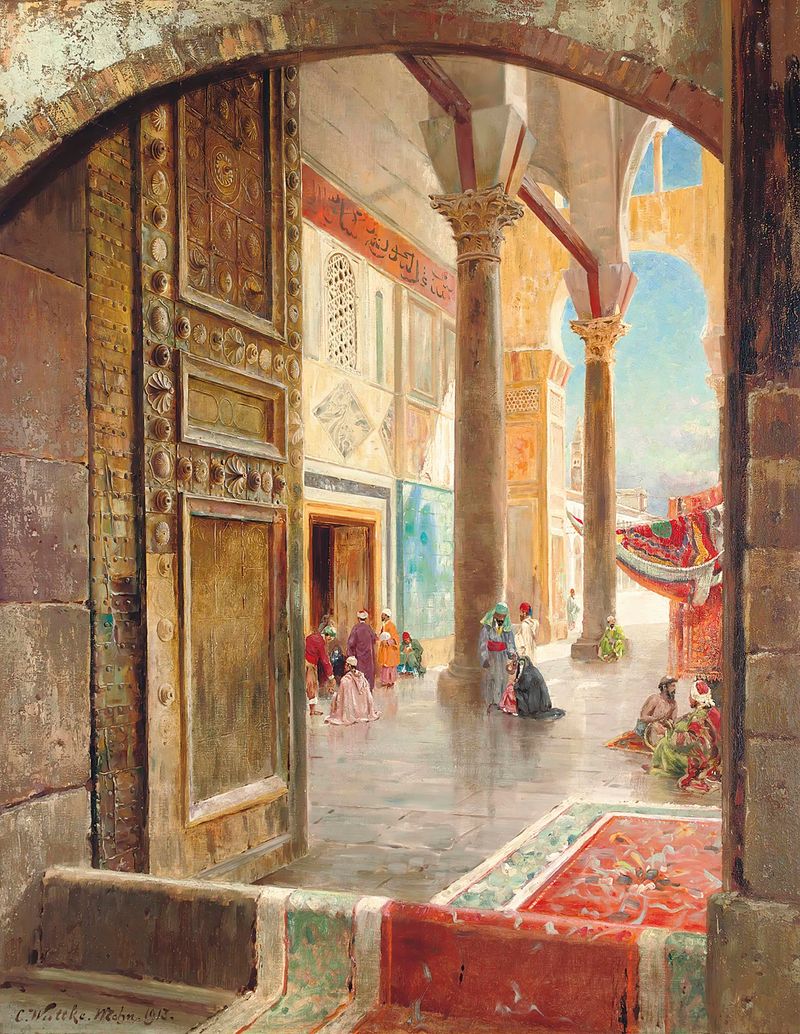
The Great Umayyad Mosque, Damascus
Carl Wuttke
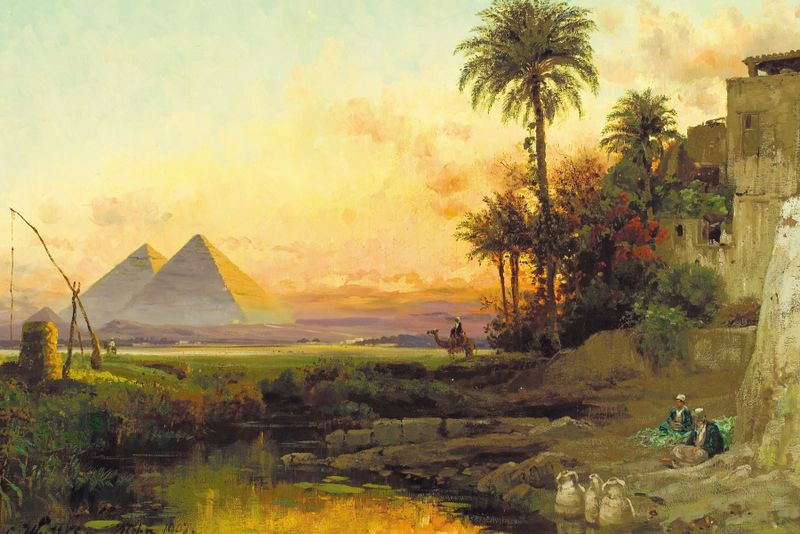
The Pyramids at Dusk
Carl Wuttke

Ansicht von Kairo mit dem Südtor der Stadtmauer
Carl Wuttke

Hügellandschaft in Westbengalen
Carl Wuttke

Alter Wachturm in der röm. Campagna
Carl Wuttke





