
Blick zum Orgelgebirge — History & Facts
What if beauty was never meant to be finished? The question hangs in the air, echoing through a tapestry of color and texture, as if inviting the viewer to step closer to the unfolding mystery of nature's splendor. Look to the center of the canvas, where the magnificent peaks of the Orgelgebirge rise toward the sky, their rugged forms etched with brilliant hues of rich greens and deep blues. Notice how the artist employs delicate brushstrokes to capture the interplay of light and shadow, infusing the mountains with a sense of majesty and permanence. Surrounding these titans of stone are gentle valleys, where softer colors and softer lines suggest a tranquil embrace, pulling the eye around to explore the entire composition. The contrasts in Blick zum Orgelgebirge reveal not only the grandeur of nature but also the tension between permanence and transience.
The imposing mountains stand resolute against the flickering clouds, symbolizing stability, while the vibrant flora at their base hints at the fleeting nature of life and beauty. This duality fosters a dialogue about the relationship between man and nature, evoking feelings of both awe and introspection as the viewer navigates this visual landscape. In 1861, the artist created this work in Germany, a time when the Romantic movement was deeply influencing the art world. Keller, influenced by the ideals of nature’s sublime beauty, sought to capture not just the physical form of the landscape but also its emotional resonance.
The mid-19th century was a period ripe with exploration and reflection, and this piece reflects the artist’s desire to awaken the viewer to the intricate relationship between the self and the natural world.
More Artworks by Ferdinand Keller
Browse all →
Markt in Rio
Ferdinand Keller
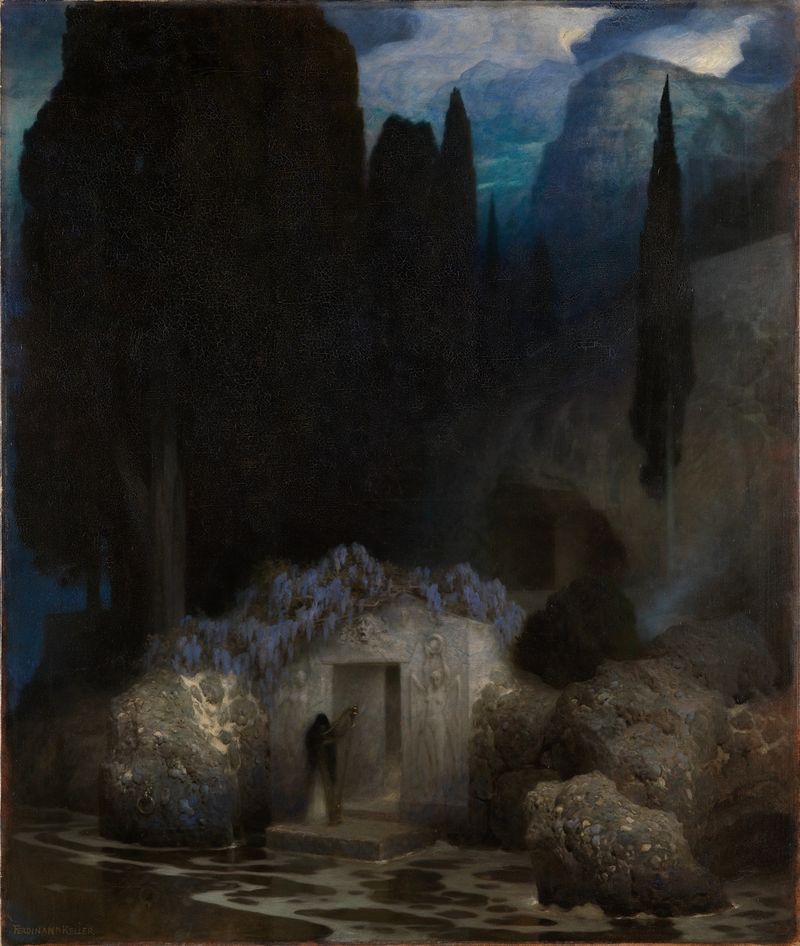
Böcklins Grab
Ferdinand Keller

Reisende in Brasilien
Ferdinand Keller
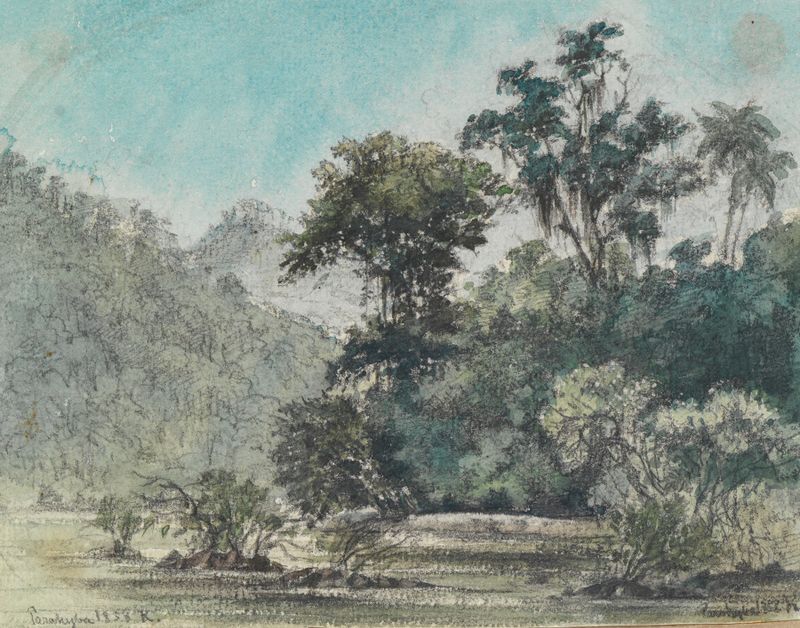
Blick auf das bewaldete Flussufer
Ferdinand Keller

Seestück- Segel und Ruderboote auf bewegtem Meer
Ferdinand Keller
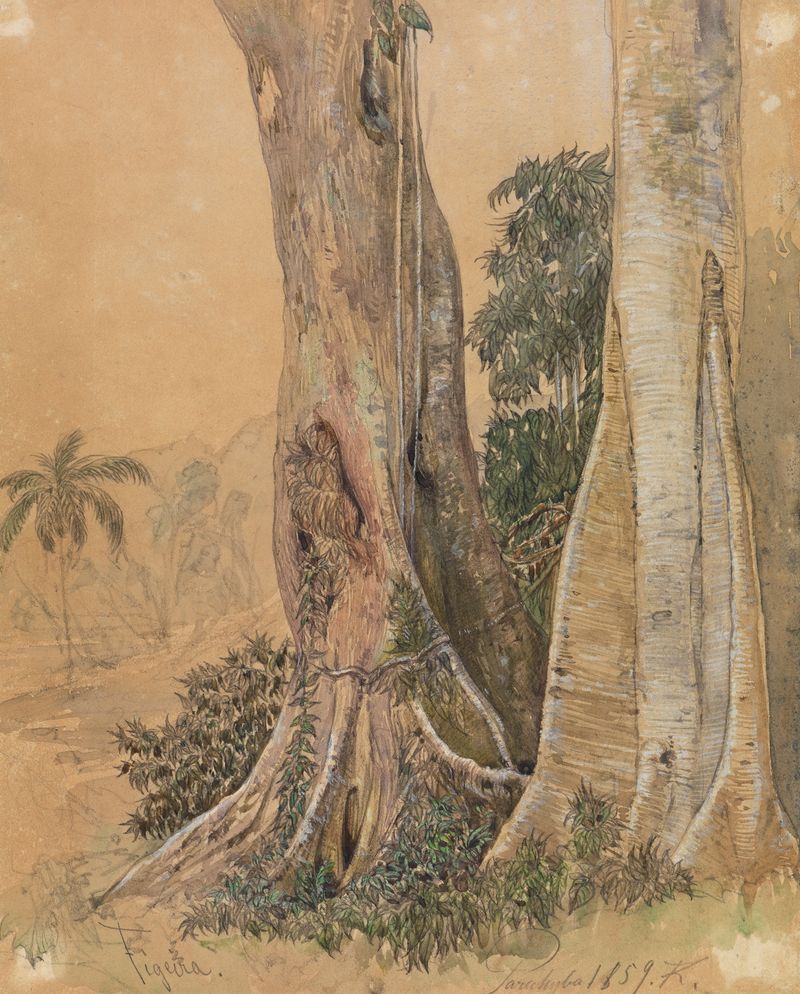
Figeira-Stämme am Ufer des Parahyba
Ferdinand Keller

Flusslauf mit aufragender Felswand
Ferdinand Keller
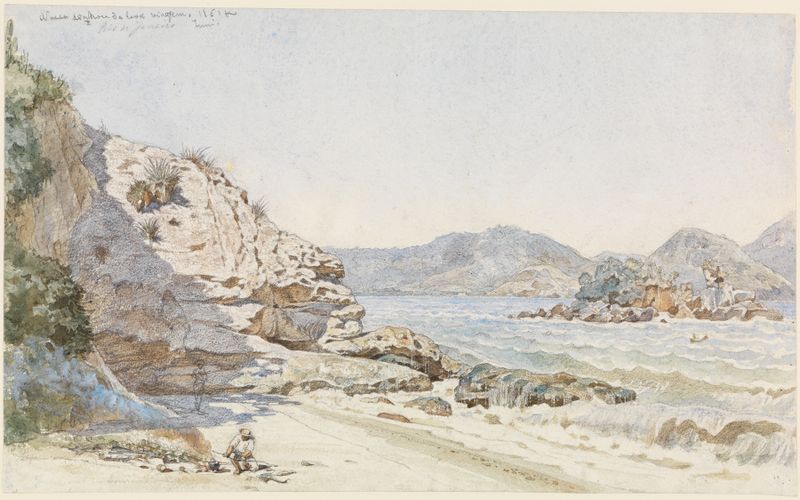
Meeresbucht bei Rio de Janeiro
Ferdinand Keller
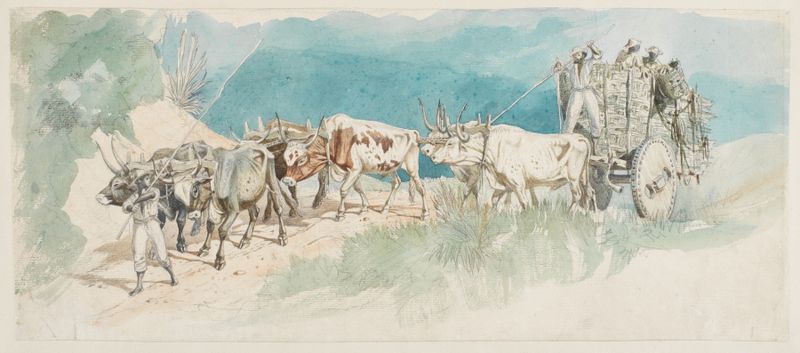
Zweiradgespann, von sechs Büffeln gezogen
Ferdinand Keller
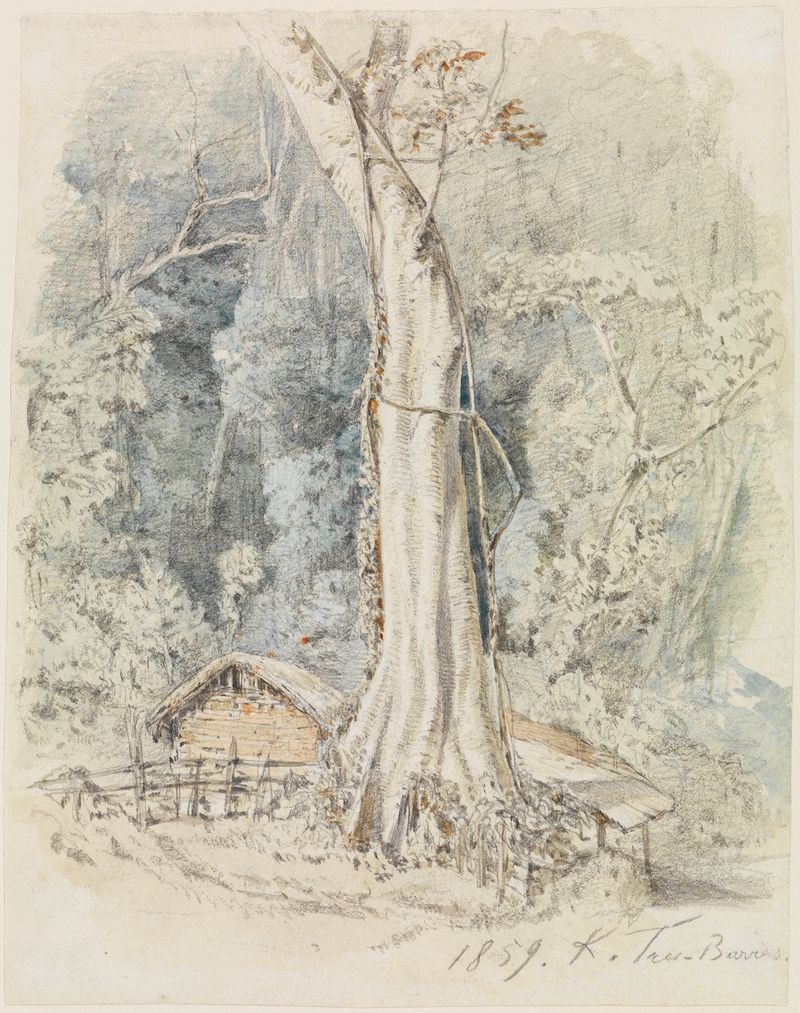
Haus mit Unterstand im Urwald bei Tres-Barras
Ferdinand Keller





