
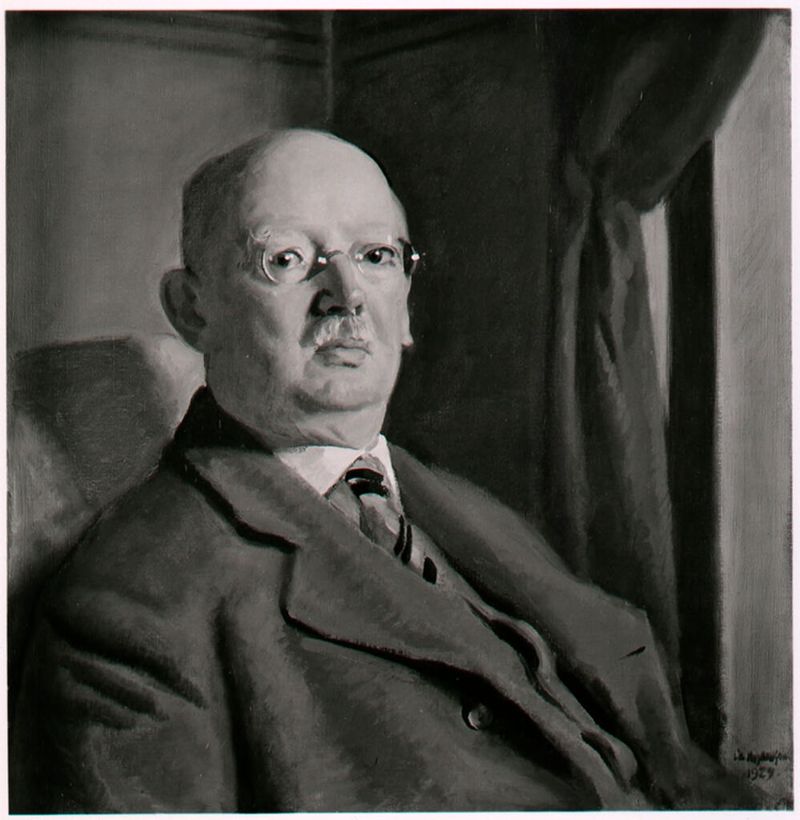
Bliss Perry (1860-1954) — History & Facts
In its stillness, it offers a reflection of solitude that often goes unnoticed, revealing the profound depths of human experience. Look toward the left side of the composition, where the figure stands, subtly isolated in the sweeping backdrop of soft, muted colors. Notice how the gentle light embraces the contours of the subject, creating a delicate halo that both highlights and separates them from the surrounding darkness. The artist's brushstrokes whisper a sense of intimacy, drawing us into the quiet moment shared between the viewer and the solitary figure. Delve into the emotional contrasts present in this work.
The soft greens and blues evoke a sense of tranquility, yet the empty space surrounding the figure accentuates a poignant loneliness. There is a tension between the serene expression and the palpable void, suggesting an internal struggle that belies the peaceful exterior. Each brushstroke captures not just form but emotion, inviting contemplation on the nature of solitude and the human condition. In 1931, while working in Boston, Hopkinson created this piece during a period marked by introspection and artistic exploration.
The art world was shifting, grappling with modernism and new movements, yet this canvas reflects a personal journey rather than a public statement. Amidst the changing tides of creativity, the artist found a moment of stillness, encapsulating the essence of loneliness and connection in a rapidly evolving society.
More Artworks by Charles Sydney Hopkinson
Browse all →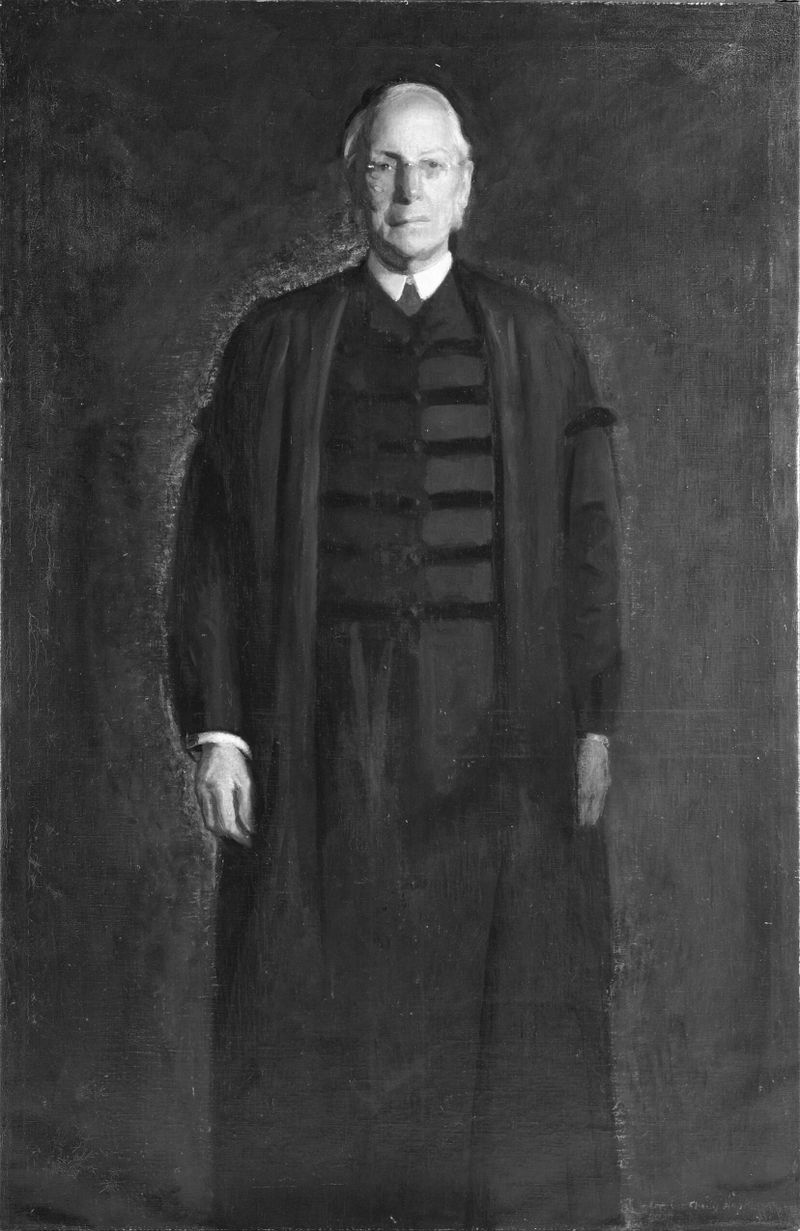
Charles William Eliot (1834-1926)
Charles Sydney Hopkinson
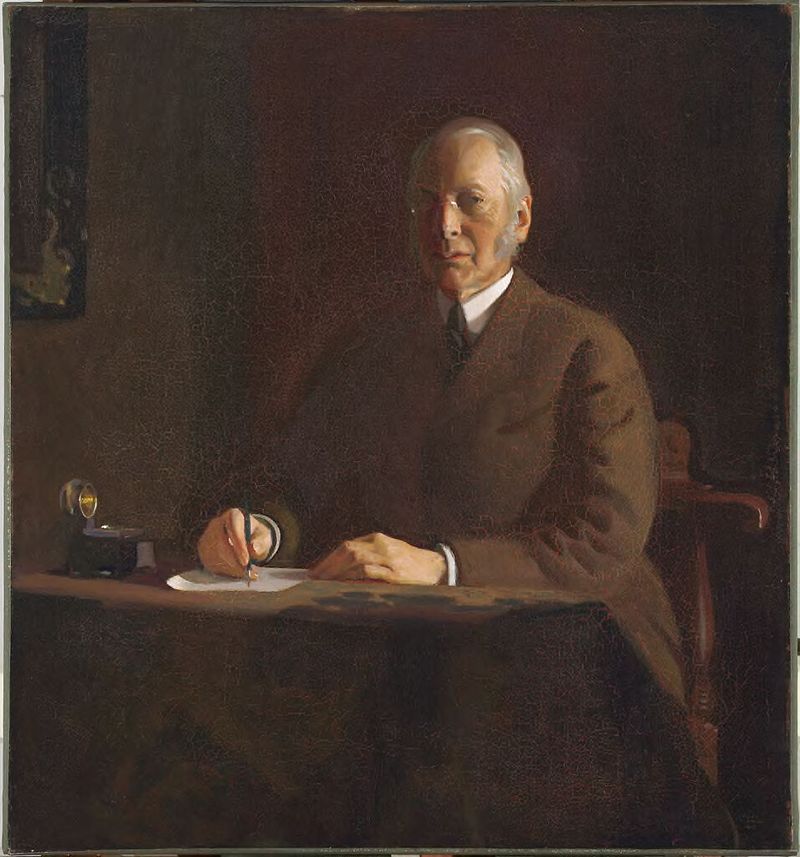
Charles William Eliot (1834-1926)
Charles Sydney Hopkinson
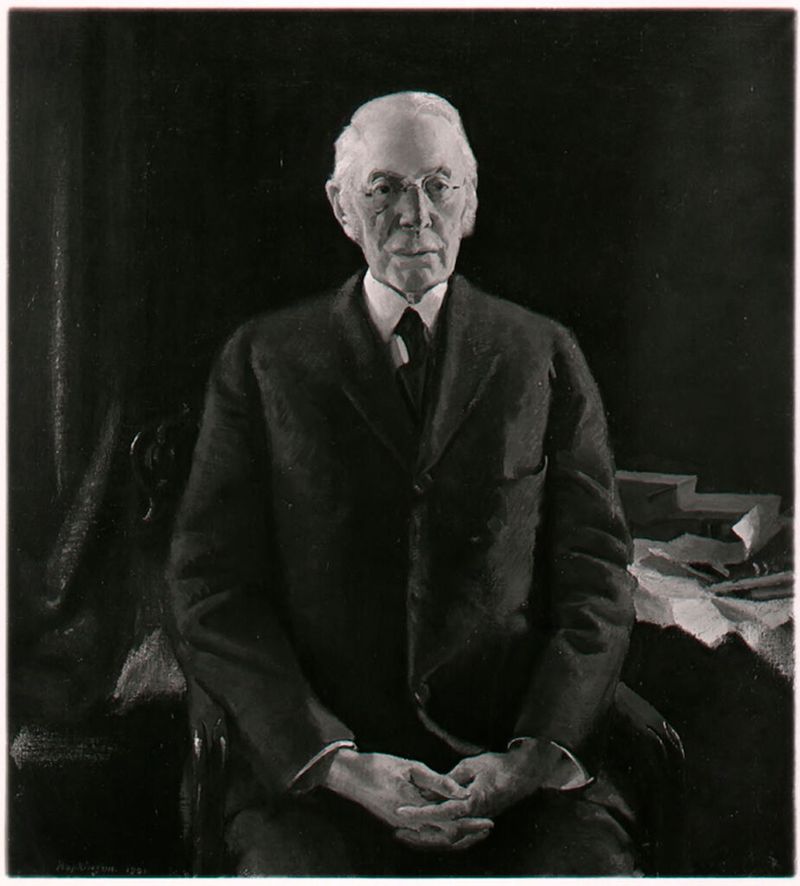
Charles William Eliot (1834-1926)
Charles Sydney Hopkinson
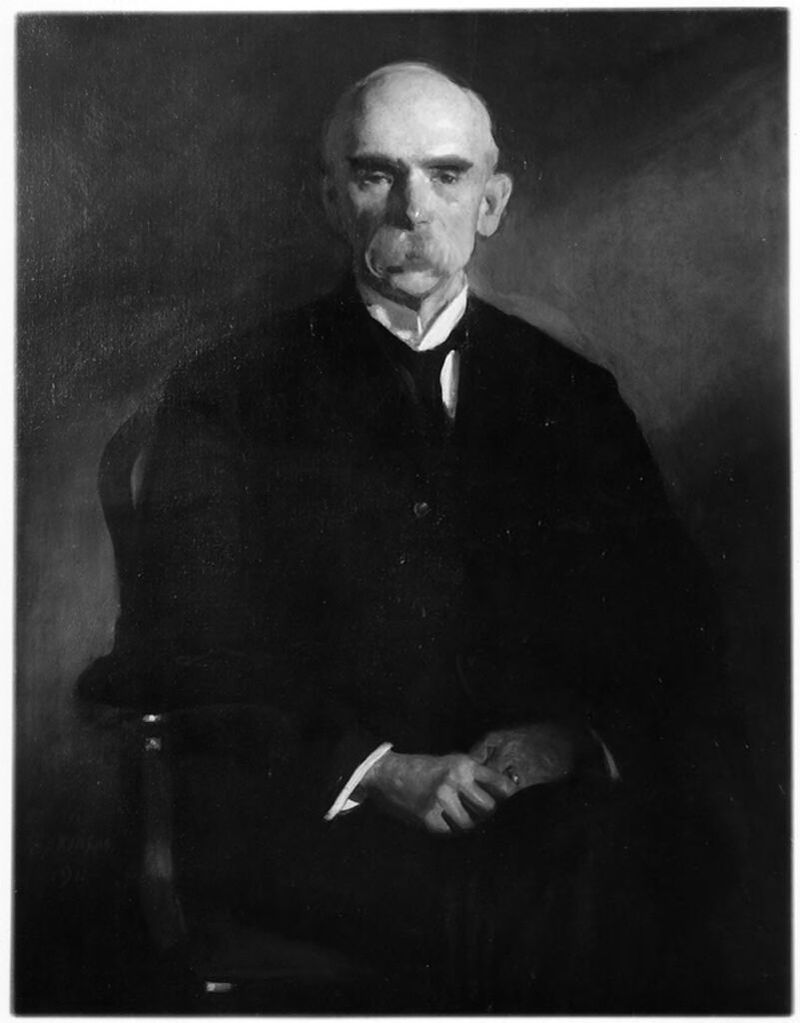
George Herbert Palmer (1842-1933)
Charles Sydney Hopkinson
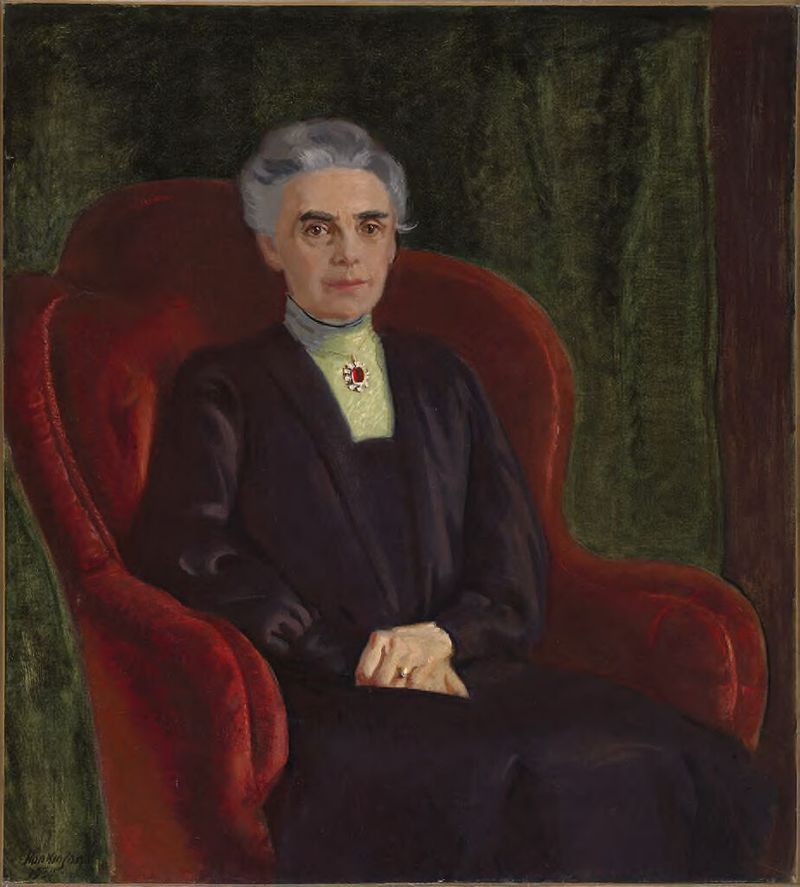
Anna Parker Lowell (Mrs. Abbott Lawrence Lowell) (d. 1930)
Charles Sydney Hopkinson

Abbott Lawrence Lowell (1856-1943)
Charles Sydney Hopkinson
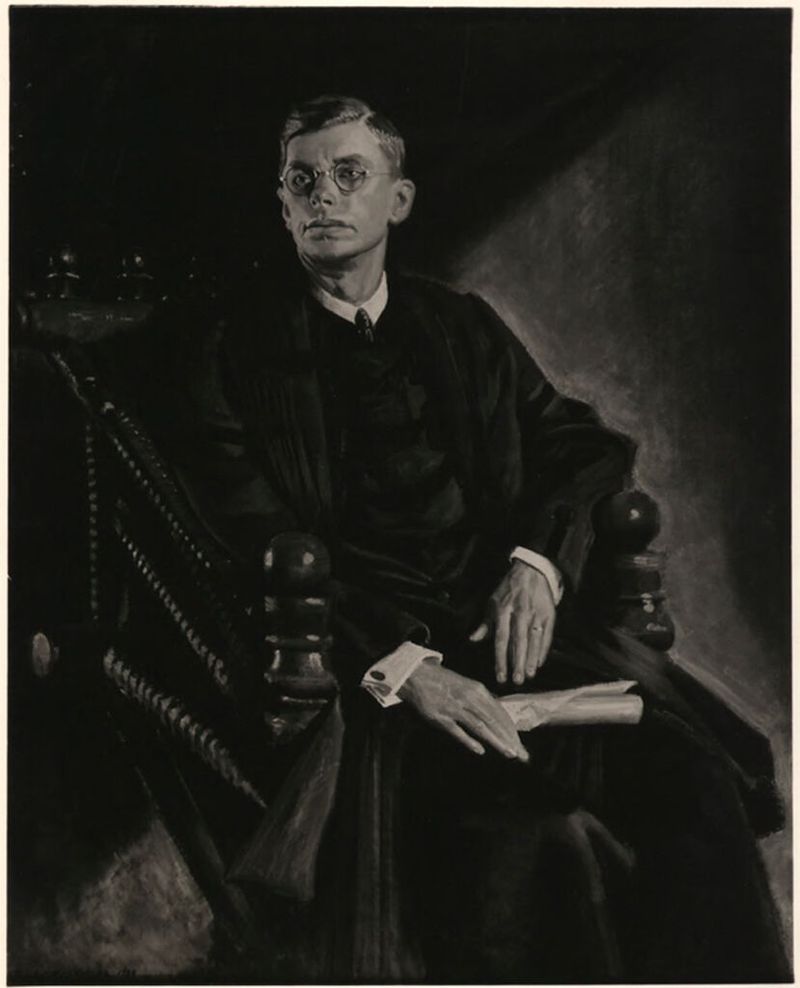
James Bryant Conant (1893-1978)
Charles Sydney Hopkinson
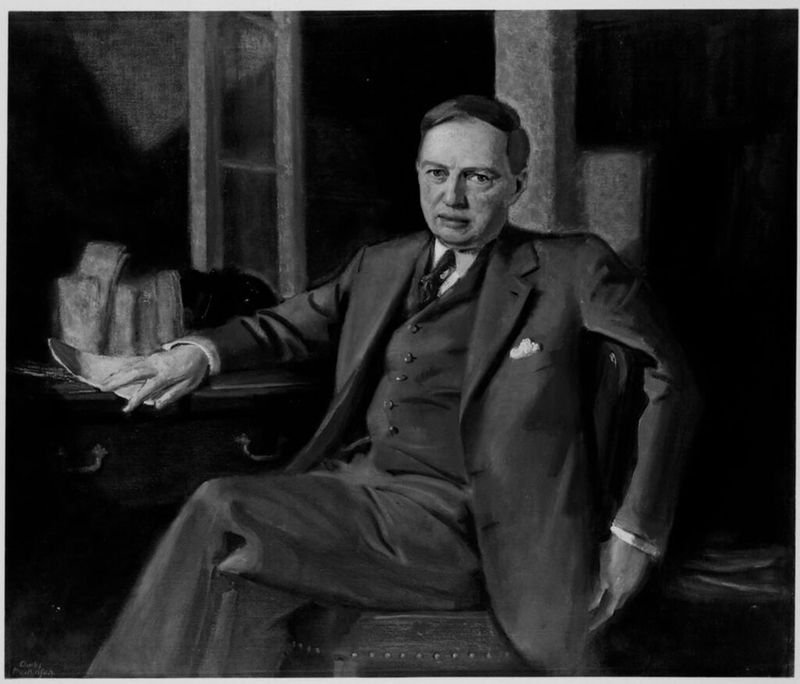
Harlow Shapley (1885-1972)
Charles Sydney Hopkinson
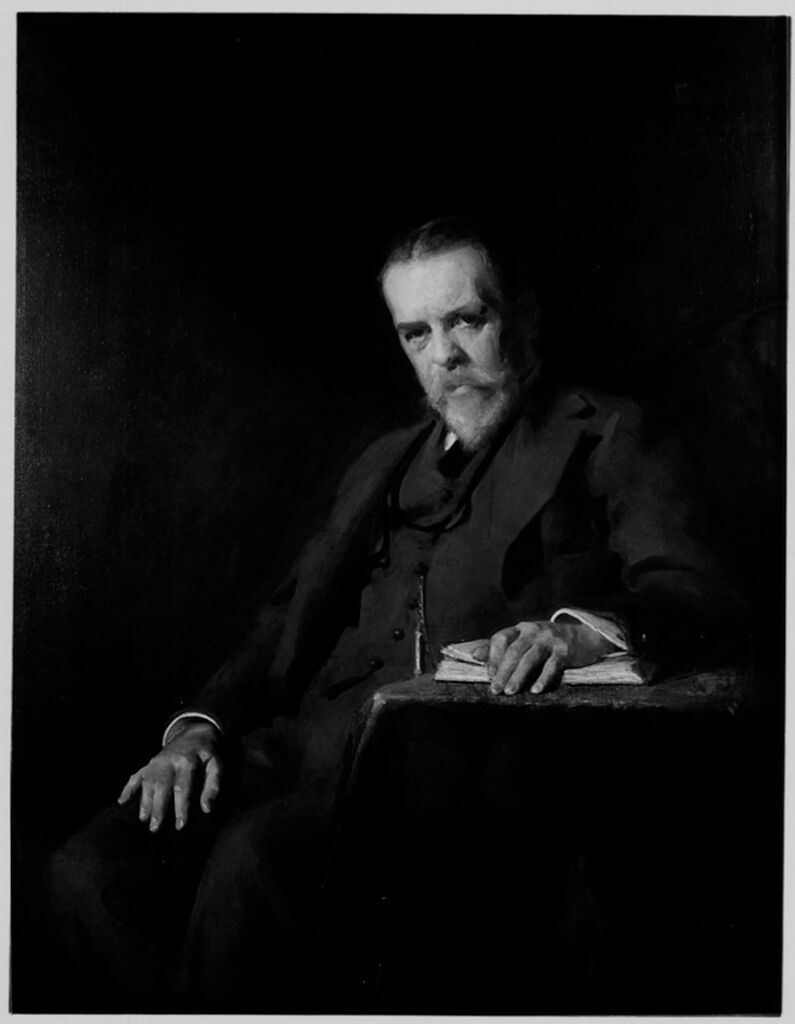
Barrett Wendell (1855-1921)
Charles Sydney Hopkinson
Edward Channing (1856-1931)
Charles Sydney Hopkinson





