Blooming orchard — History & Facts
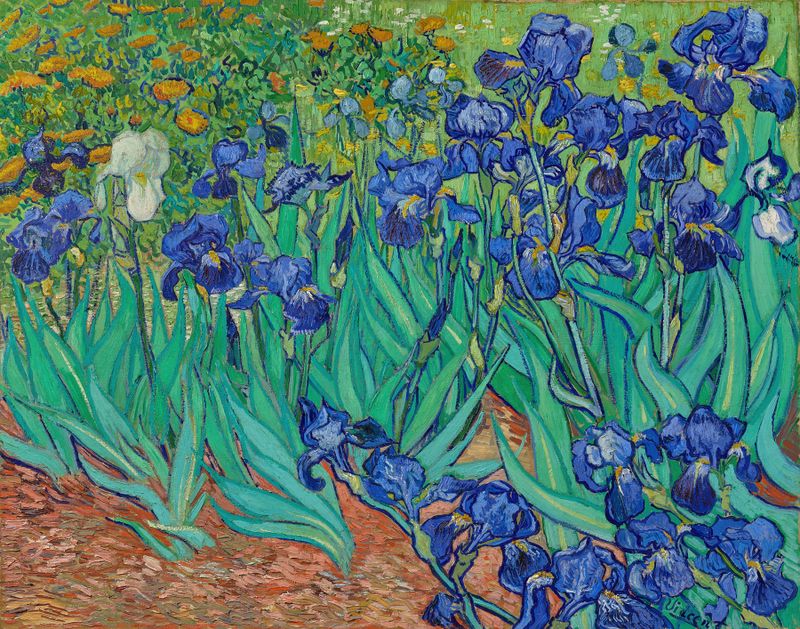
In the vastness of Blooming Orchard, one finds a transformative interplay between nature's vibrancy and the haunting silence of emptiness. This artwork speaks to the spaces left unfilled, inviting contemplation and reflection. Look to the left at the intricate blossoms, their soft pinks and whites almost pulsating against a soothing backdrop of greens and browns. The brushstrokes are fluid yet deliberate, as if the artist sought to capture the very essence of spring’s promise.
Notice how the dappled light filters through the trees, creating a delicate interplay of shadow and highlight that animates the orchard and beckons the viewer deeper into its enchanting embrace. Yet, amid this beauty lies an underlying tension; the orchard feels both alive and eerily desolate. The lushness of the blossoms contrasts starkly with the emptiness of the spaces between them, reflecting a yearning for connection and completeness. Each flower, while resplendent, speaks of solitude—their vibrancy a reminder of what is absent rather than what is present.
This duality elevates the work, allowing it to transcend mere representation and resonate with themes of longing and beauty. In 1907, August Ignaz Grosz painted Blooming Orchard during a period marked by vibrant artistic exploration and the emergence of modernist ideas. Living in Germany, he was surrounded by a wave of change in the art world, where traditional norms were being challenged. This work showcases his ability to blend impressionistic techniques with emotive depth, reflecting both personal and societal shifts during this transformative era.