Boereninterieur — History & Facts
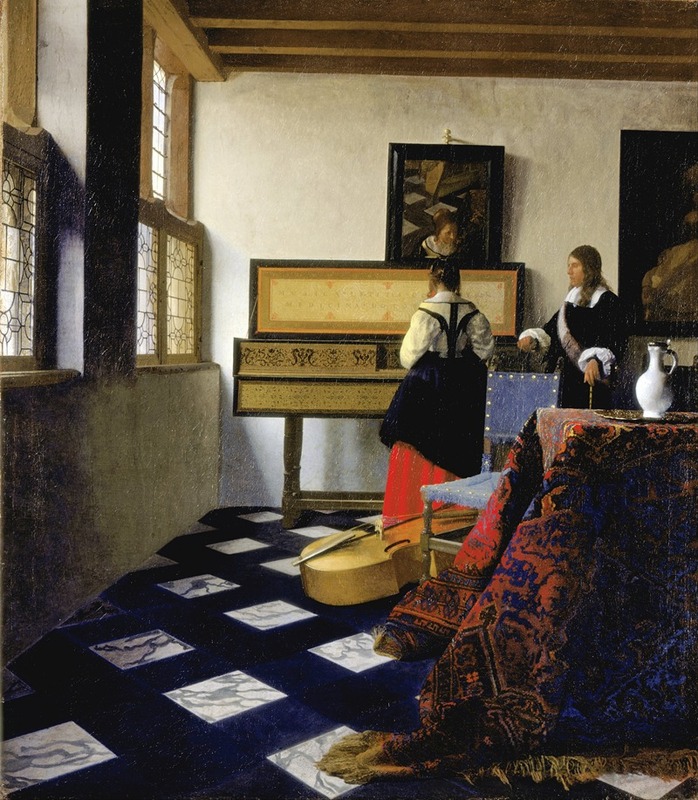
In the quiet sanctuary of a farmer's home, layers of color evoke the heavy air of unspoken truths. A sense of betrayal lingers in the stillness, where the mundane meets the profound, and the boundaries of human connection are tested. Look to the left at the wooden table, where subtle shadows dance beneath the sunlight filtering through a modest window. The earth tones of brown and green envelop the scene, drawing your gaze to the simple yet poignant details: an empty chair, a bowl of potatoes, and a forgotten piece of cloth.
The artist’s choice of muted hues amplifies the weight of the moment, emphasizing a life that feels both ordinary and deeply resonant. As you explore further, notice the contrasting elements of warmth and coldness—the flickering light against the coolness of the shadows. Each object in this intimate setting symbolizes the fragility of trust and the ache of loss. The untouched chair speaks of absence; the organic textures of the pottery invite contemplation on what has been nurtured and what has been left to wither.
Here, the interplay of light and dark surfaces becomes a metaphor for the complexity of relationships, where love can feel irrevocably tainted. Created between 1870 and 1903, this work emerged during Weissenbruch's prolific period in the Netherlands, a time when the art world was shifting, embracing realism and an exploration of everyday life. Weissenbruch, with his keen eye for detail, captured the essence of rural existence, reflecting both the beauty and the melancholic truths that dwell within domestic spaces. As he painted, society was grappling with changes brought by modernization, making the themes of intimacy and betrayal all the more relevant.
More Artworks by Johan Hendrik Weissenbruch
Browse all →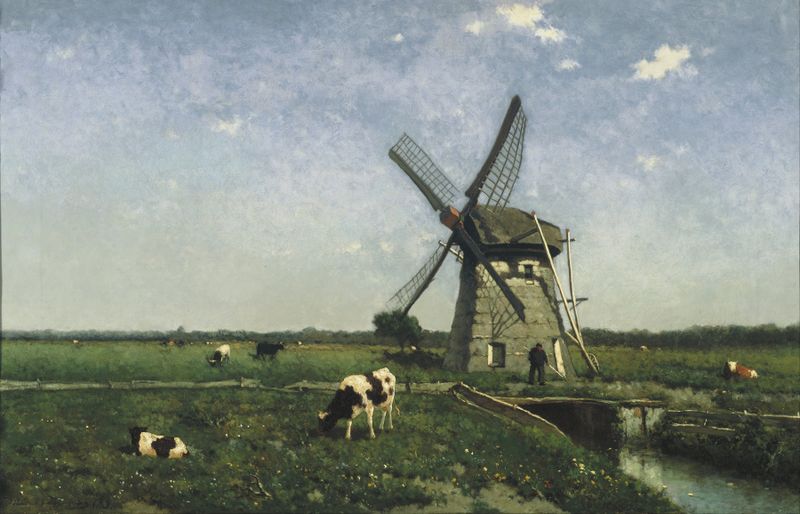
Landscape with Windmill near Schiedam
Johan Hendrik Weissenbruch
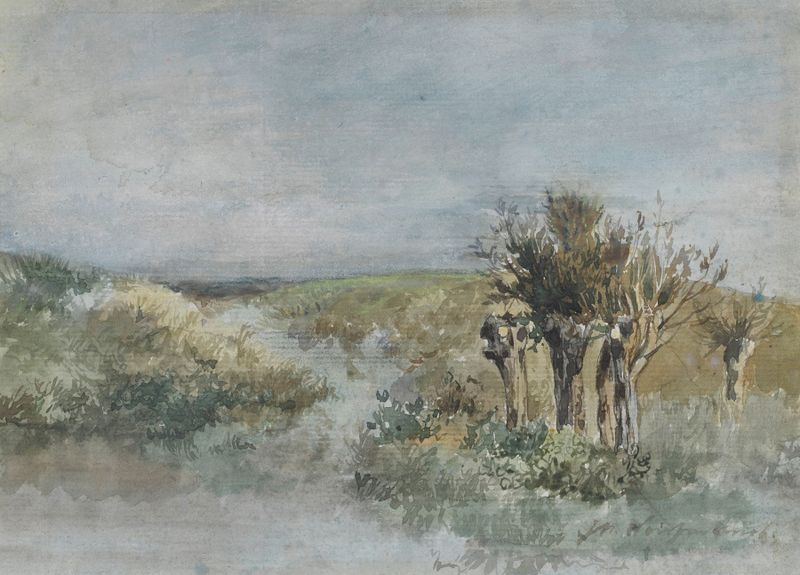
Landschap met knotwilgen langs een sloot
Johan Hendrik Weissenbruch
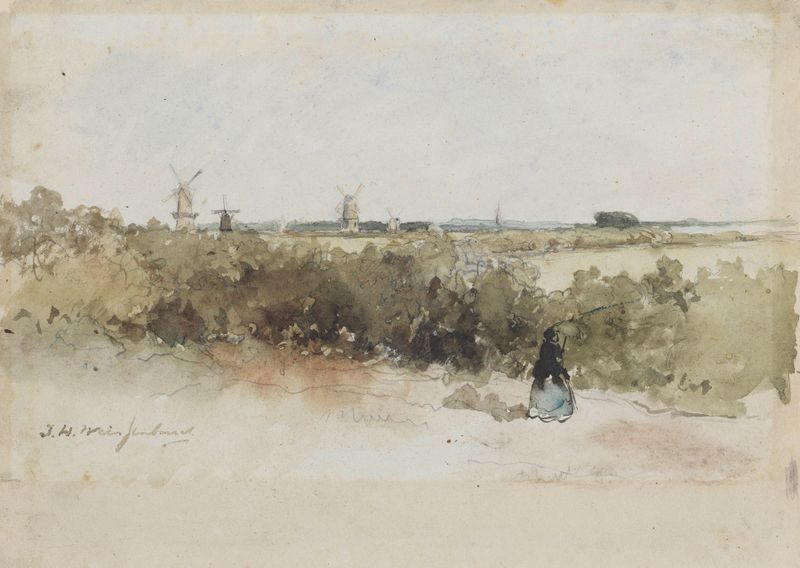
Landschap met windmolens
Johan Hendrik Weissenbruch
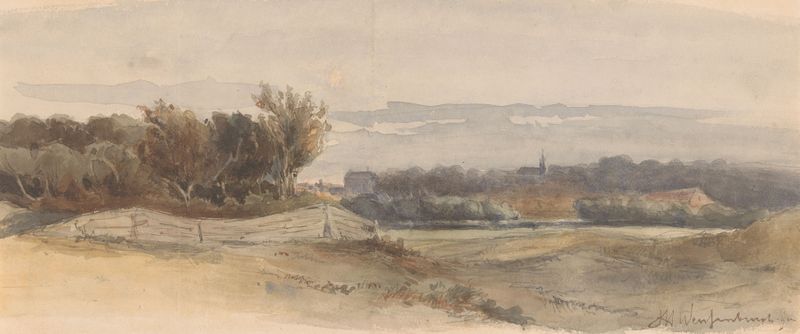
Panoramisch landschap
Johan Hendrik Weissenbruch
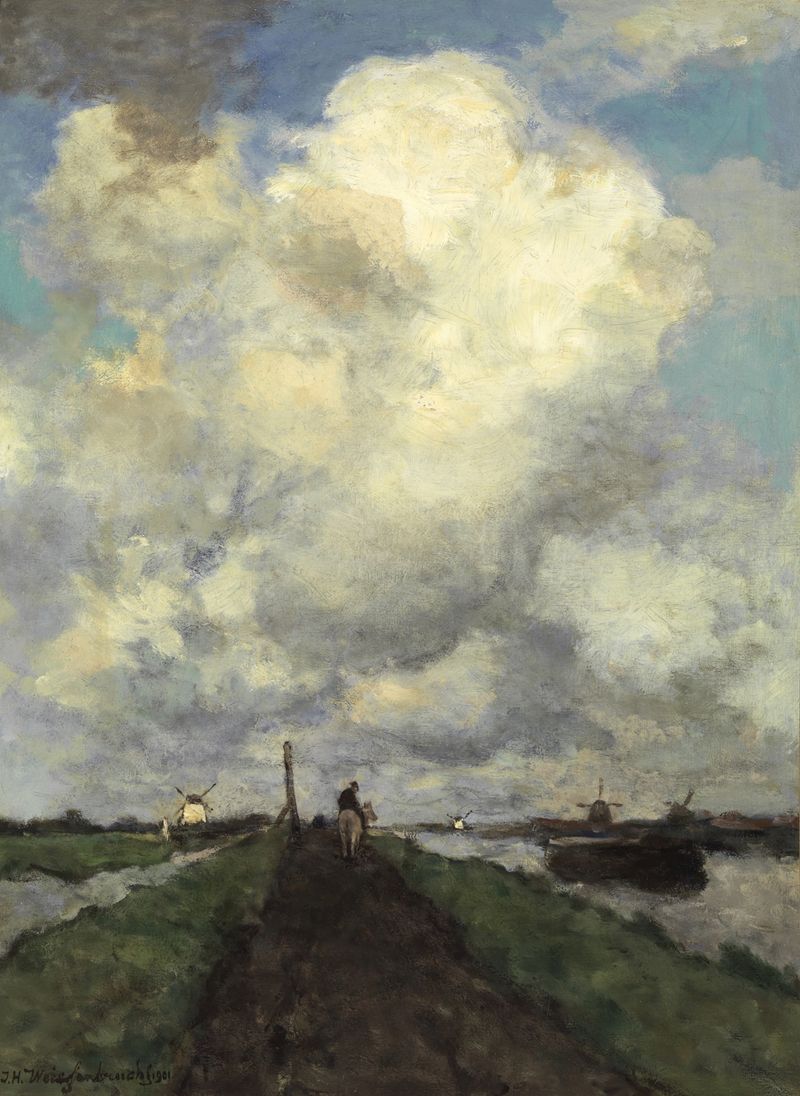
De witte wolk
Johan Hendrik Weissenbruch
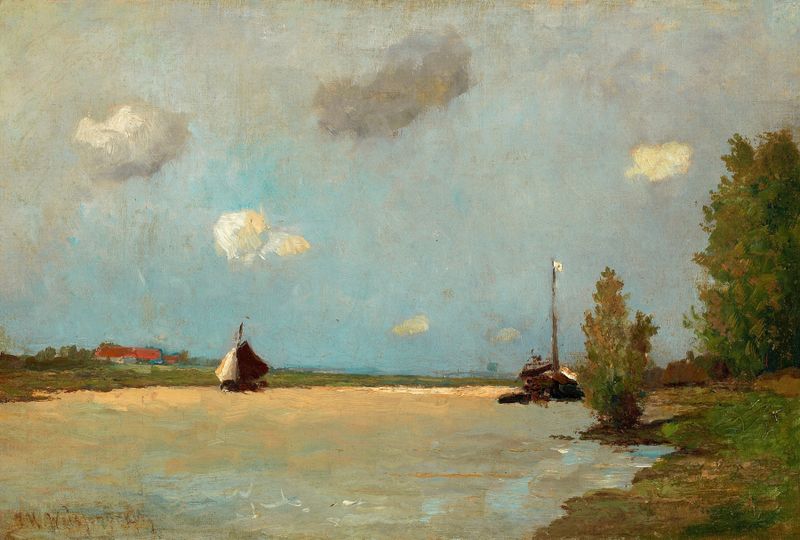
Dutch Landscape with Boats
Johan Hendrik Weissenbruch
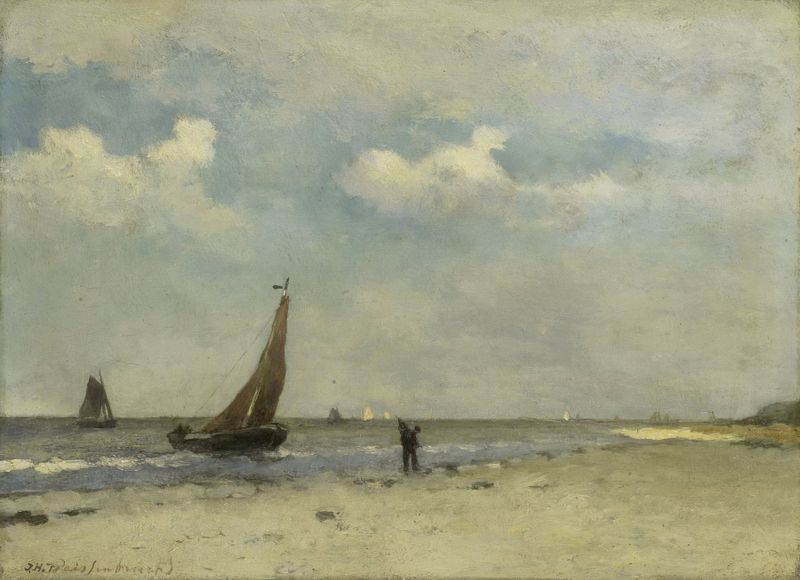
Beach Scene
Johan Hendrik Weissenbruch
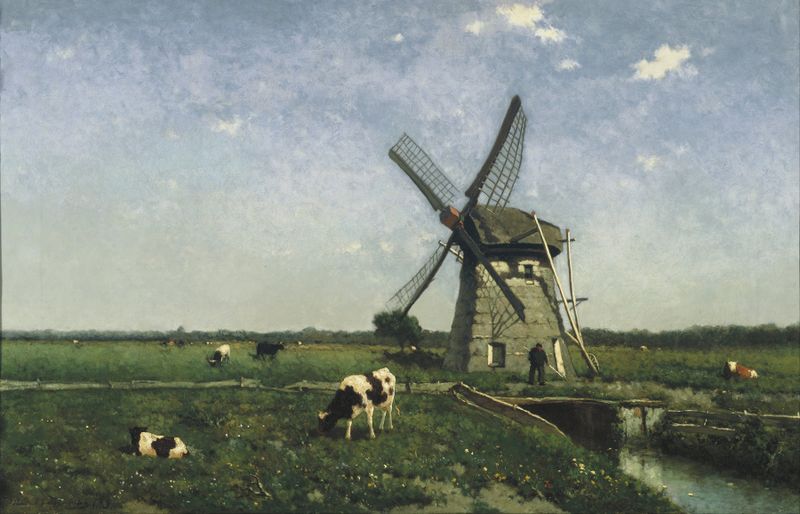
Landscape with Windmill near Schiedam
Johan Hendrik Weissenbruch
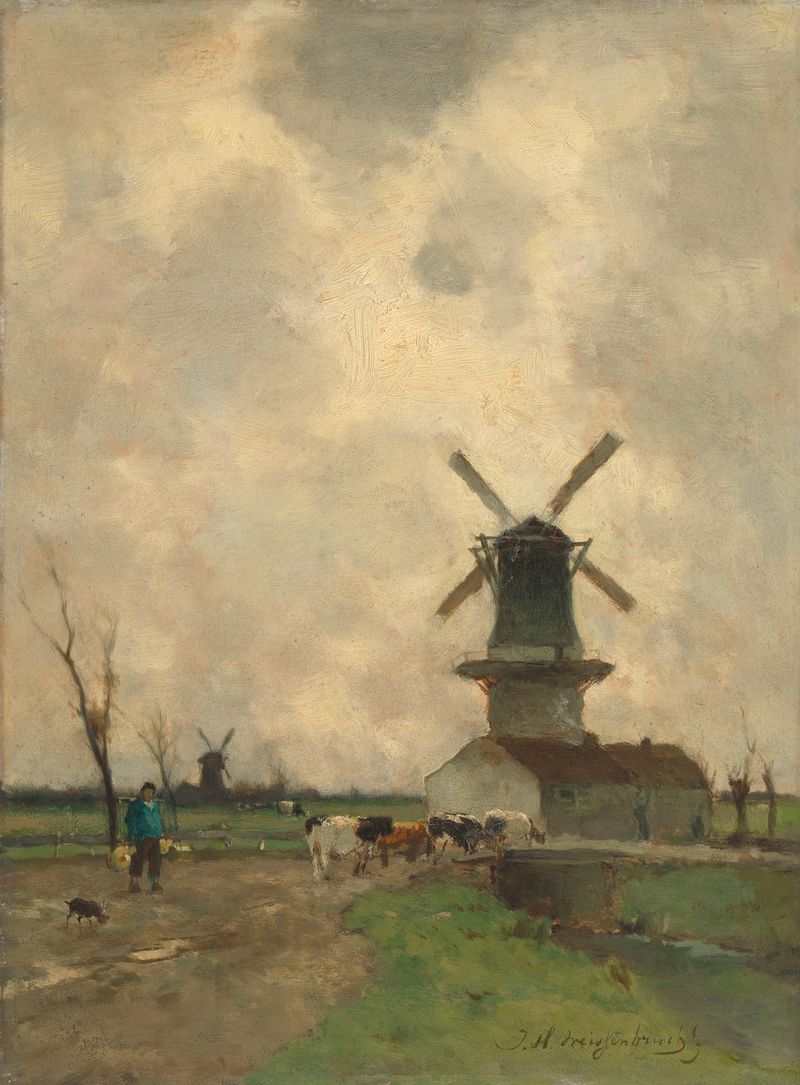
The Mill
Johan Hendrik Weissenbruch
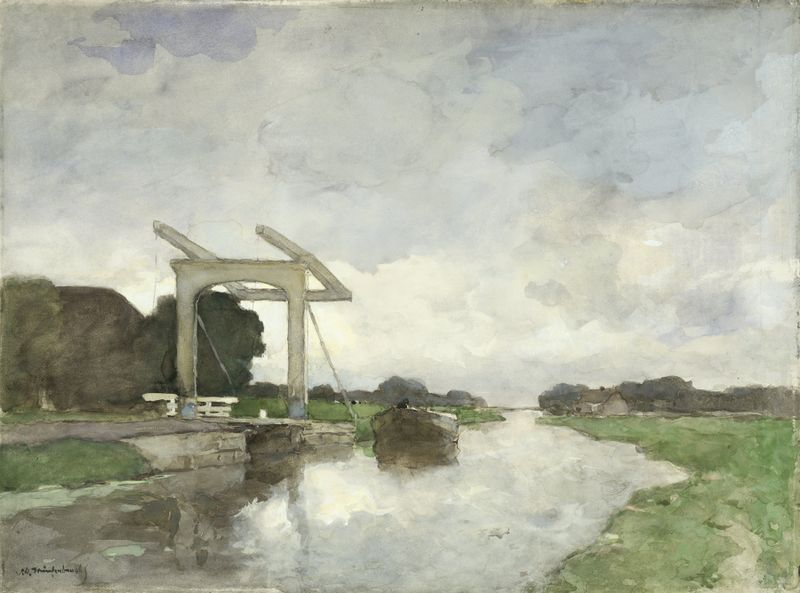
Drawbridge at Noorden
Johan Hendrik Weissenbruch