Bois de Boulogne — History & Facts
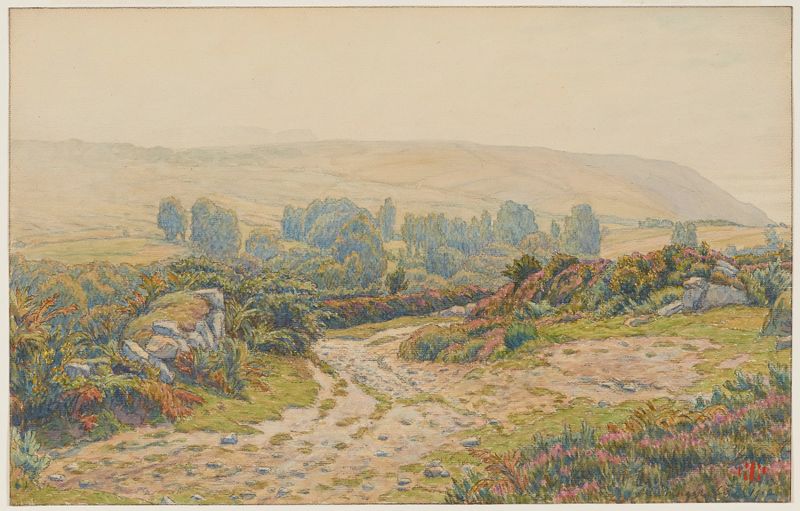
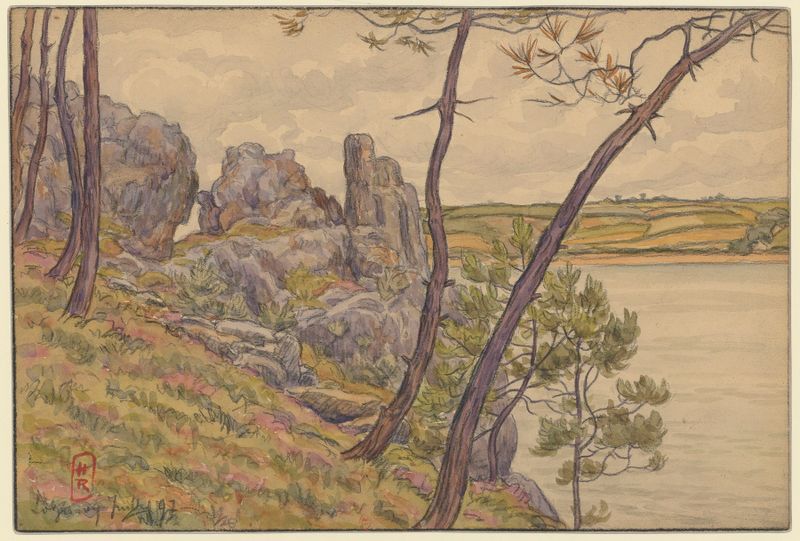
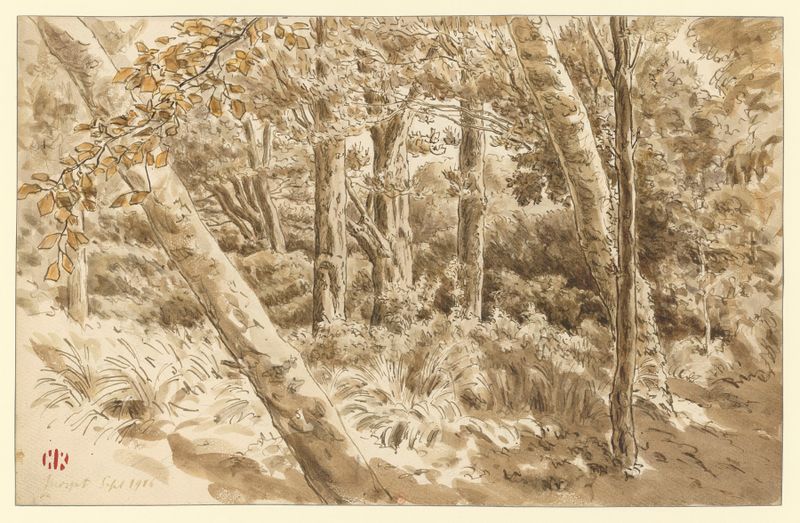
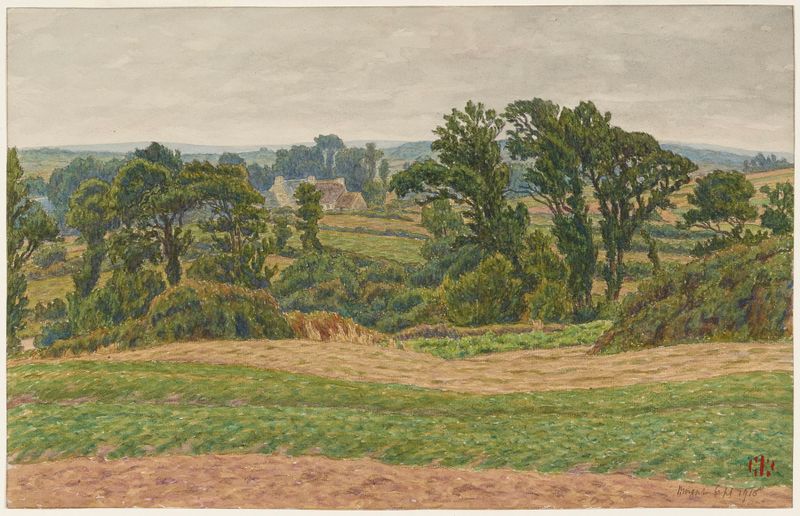
Can paint confess what words never could? In Bois de Boulogne, a realm of lush greens and soft browns serves as a silent witness to the passage of time, evoking a sense of nostalgia that transcends the canvas. Focus first on the harmonious interplay of colors, where vivid strokes of emerald and olive draw your gaze across the landscape. Notice how the dappled sunlight filters through the leaves, creating a delicate dance of light and shade that breathes life into the scene. The brushwork, both fluid and intentional, invites you to explore the winding paths and serene waters, allowing the viewer to feel the gentle embrace of nature. Delve deeper into the emotional undertones of the piece.
The juxtaposition of the vibrant foliage against the stillness of the water evokes a reflective moment, capturing the ephemeral beauty of life. Each tree stands as a testament to resilience, while the soft ripples hint at stories long past, whispering the secrets of those who wandered before. Rivière encapsulates a fleeting moment, urging us to contemplate both the beauty and transience of existence. In 1903, in a world teetering on the brink of modernity, the artist found inspiration in the tranquil escape of Paris’ Bois de Boulogne.
A time marked by rapid change, Rivière sought solace in nature, reflecting a collective yearning for peace amidst the hum of urban life. This painting emerges as a serene pause, inviting the viewer to linger within the sanctuary of its verdant embrace.