
Boomgroep in de bossen bij Driebergen — History & Facts
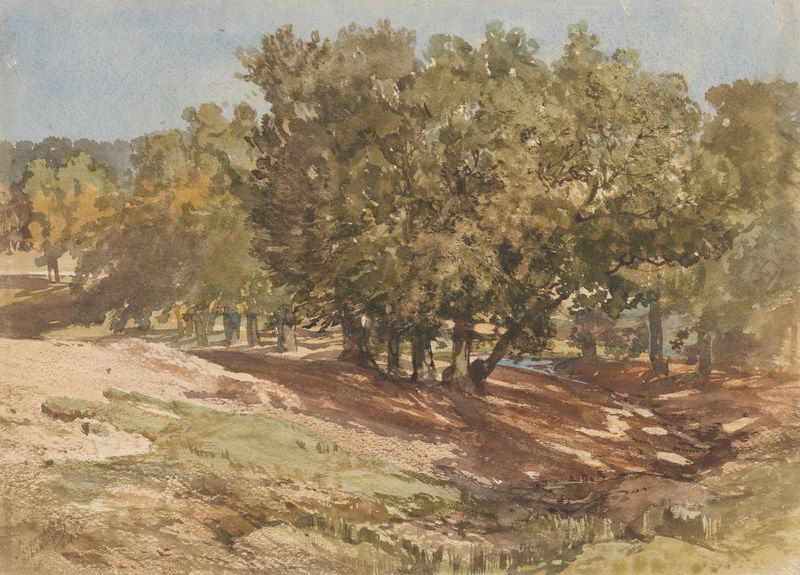
When did color learn to lie? In Boomgroep in de bossen bij Driebergen, the hues whisper fragility, inviting a deeper examination of nature’s delicate balance between beauty and decay. Look to the left at the towering trees, their trunks adorned with a delicate play of light and shadow. The vibrant greens breathe life, while dappled sunlight filters through the canopy, casting an ethereal glow on the forest floor. The brushwork oscillates between precise strokes and softer blends, creating a sense of movement that evokes a soft breeze, yet hints at a stillness that envelops the viewer. Notice how the interplay of light reveals hidden contrasts — the robustness of the trees juxtaposed against the frailty of fallen leaves.
Each detail, from the subtle variations in color to the intricate textures of bark, speaks to the transient nature of life. There’s a sense of longing within the scene, a reminder of the inevitable passage of time that softens even the mightiest of woods. Painted in the mid-19th century, during a period of shifting artistic currents, the work reflects Rochussen's exploration of natural landscapes. Living in the Netherlands, he was influenced by the Romantic movement, which emphasized emotional depth and the sublime beauty of nature.
This piece encapsulates a moment in his career when he embraced the profound connection between man and the environment, amidst a world increasingly shaped by industrialization.
More Artworks by Charles Rochussen
Browse all →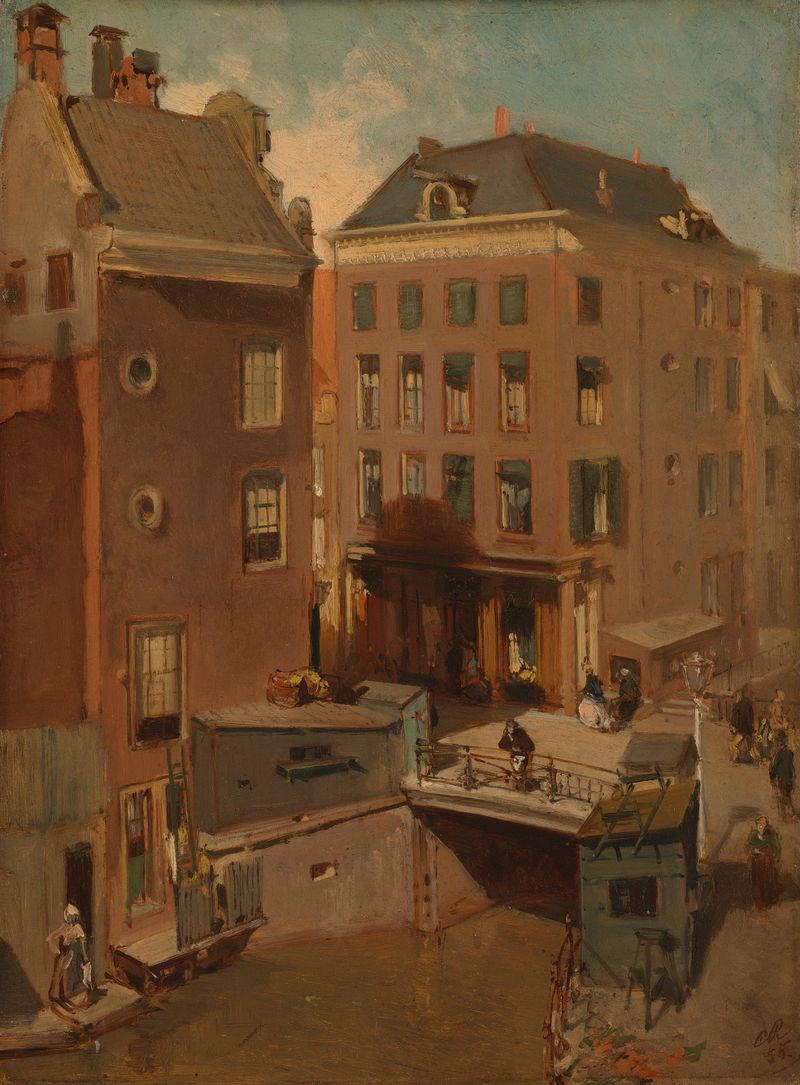
The Osjessluis near Kalverstraat in Amsterdam
Charles Rochussen
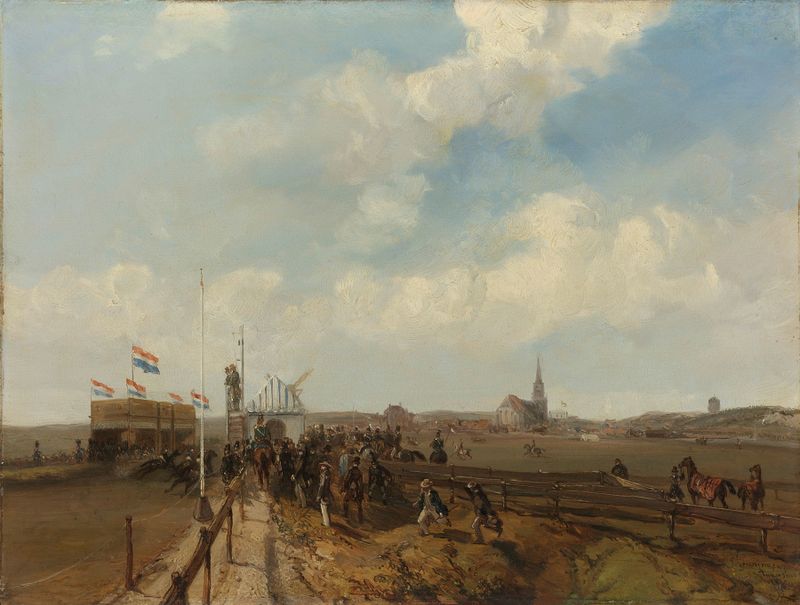
Racetrack at Scheveningen, opened 3 August 1846
Charles Rochussen
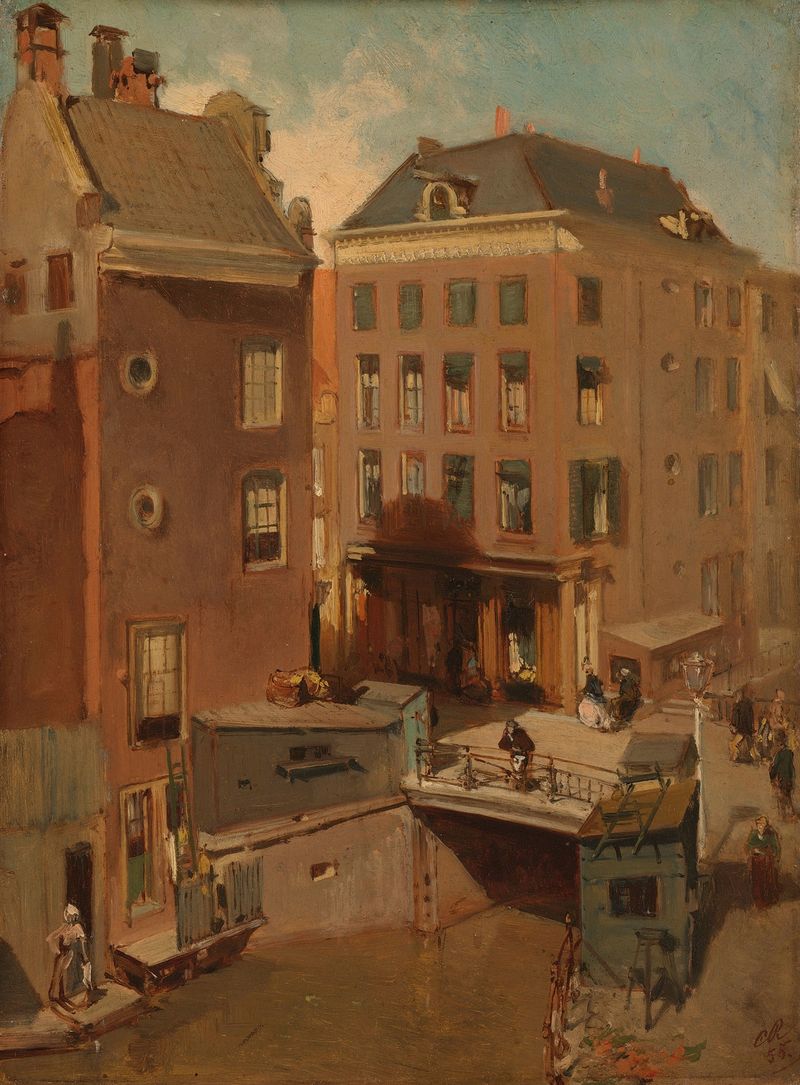
The Osjessluis near Kalverstraat in Amsterdam
Charles Rochussen
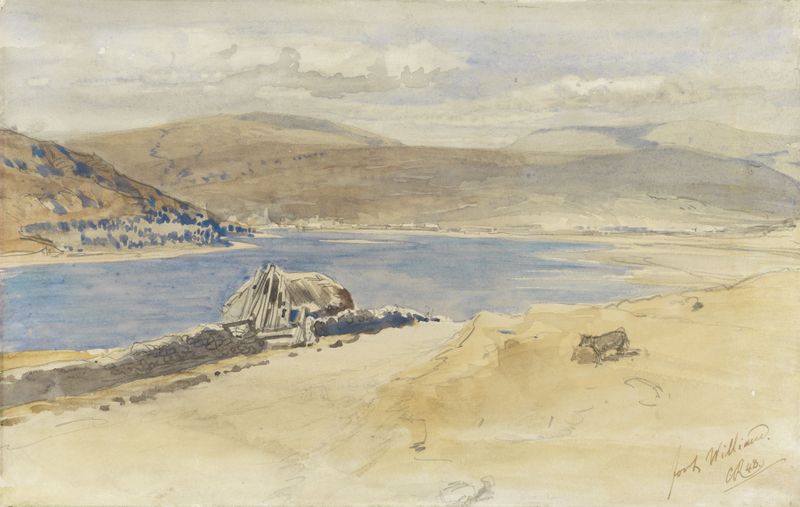
Gezicht op het Loch Linnhe bij Fort William, Schotland
Charles Rochussen
Gezicht te Beekhuizen, op de Zijpenberg
Charles Rochussen
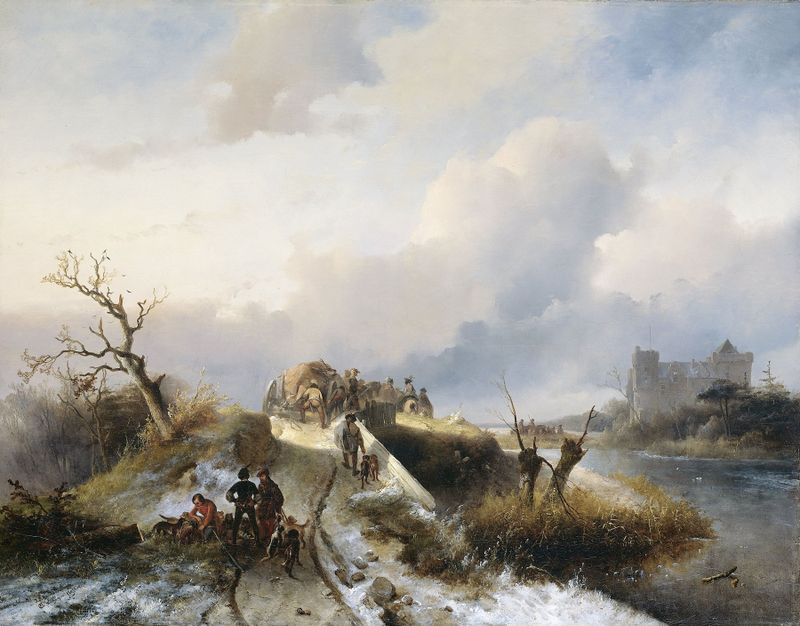
Return from the Hunt
Charles Rochussen
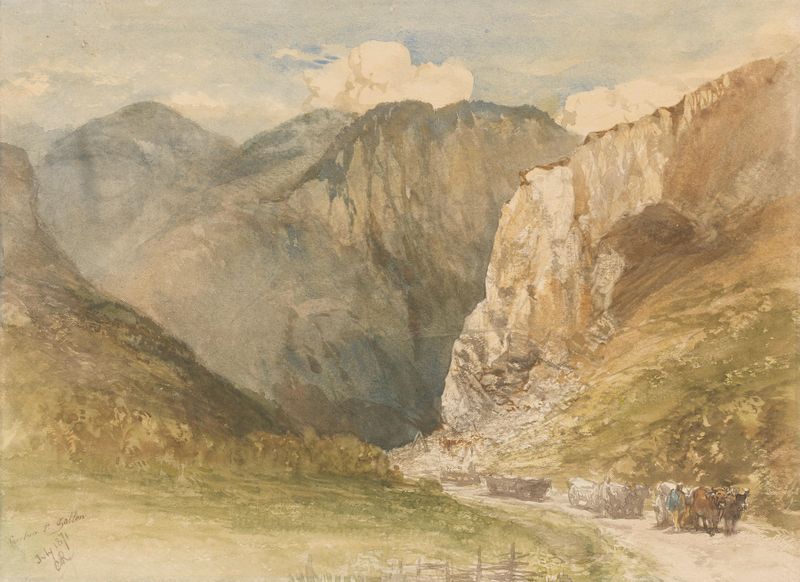
Ossenkarren op een weg tussen de bergen in het kanton Sankt Gallen
Charles Rochussen

Park in the Vicinity of Paris
Charles Rochussen





