
Racetrack at Scheveningen, opened 3 August 1846 — History & Facts
Can beauty exist without sorrow? In Racetrack at Scheveningen, the exuberance of life and the undertow of melancholy coexist, capturing a moment that speaks to both the joy of racing and the inevitable passage of time. Look to the left at the vibrant jockeys, their colorful silks a riot against the muted background of the grandstand. The meticulous brushstrokes evoke a sense of movement, where the horses seem almost alive, their powerful muscles straining in effort. Notice how the sun casts long shadows, hinting at the day's end, while the lively crowd, rendered with a blend of loose and precise strokes, hums with excitement yet appears tinged with a wistful yearning. The composition reveals an intricate dance between light and shadow, symbolizing the duality of triumph and loss.
The grandstand, towering and imposing, might represent fleeting glory, while the distant horizon suggests the inevitable march of time and the legacy one leaves behind. The juxtaposition of exhilaration and an undercurrent of nostalgia invites contemplation on the fragile nature of joy in the fast-paced world of horse racing. Charles Rochussen painted this work in 1846, during a period when the Dutch art scene was evolving, and he was emerging as a prominent figure. The racetrack at Scheveningen was a popular social venue, and this painting reflects the vibrant culture of mid-19th century Netherlands, where sports and art uniquely intersected.
It was a time of both celebration and change, with the arts offering a mirror to society's collective aspirations and struggles.
More Artworks by Charles Rochussen
Browse all →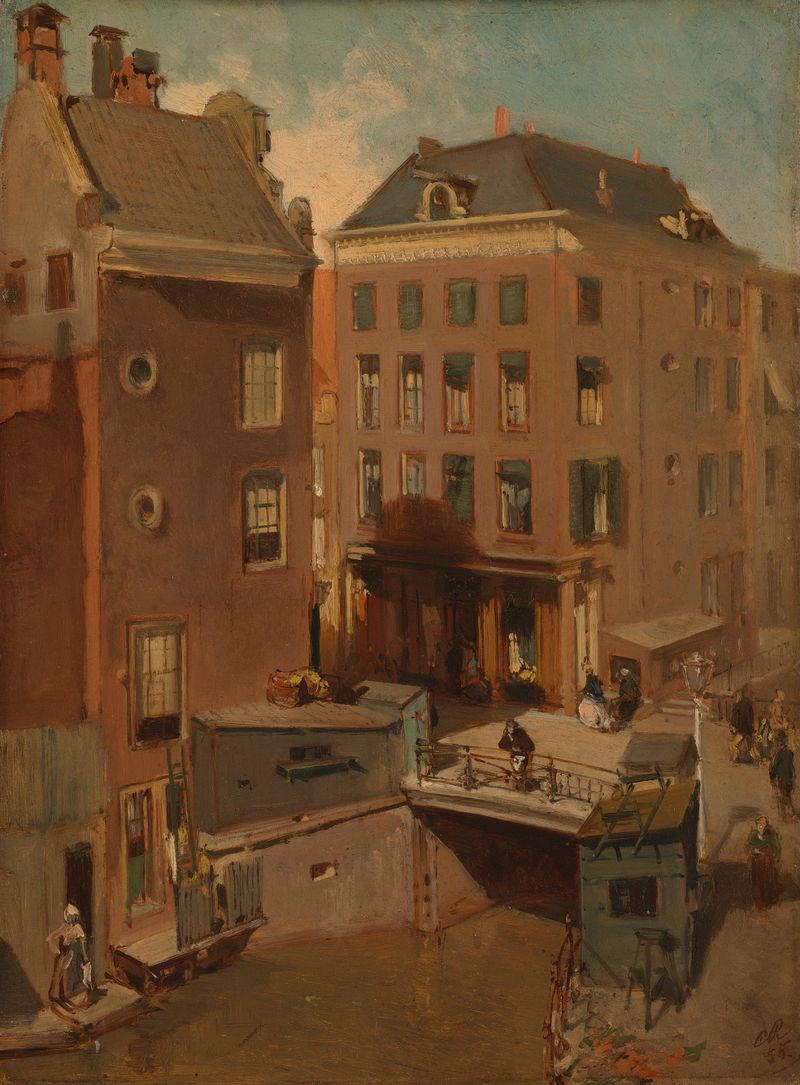
The Osjessluis near Kalverstraat in Amsterdam
Charles Rochussen
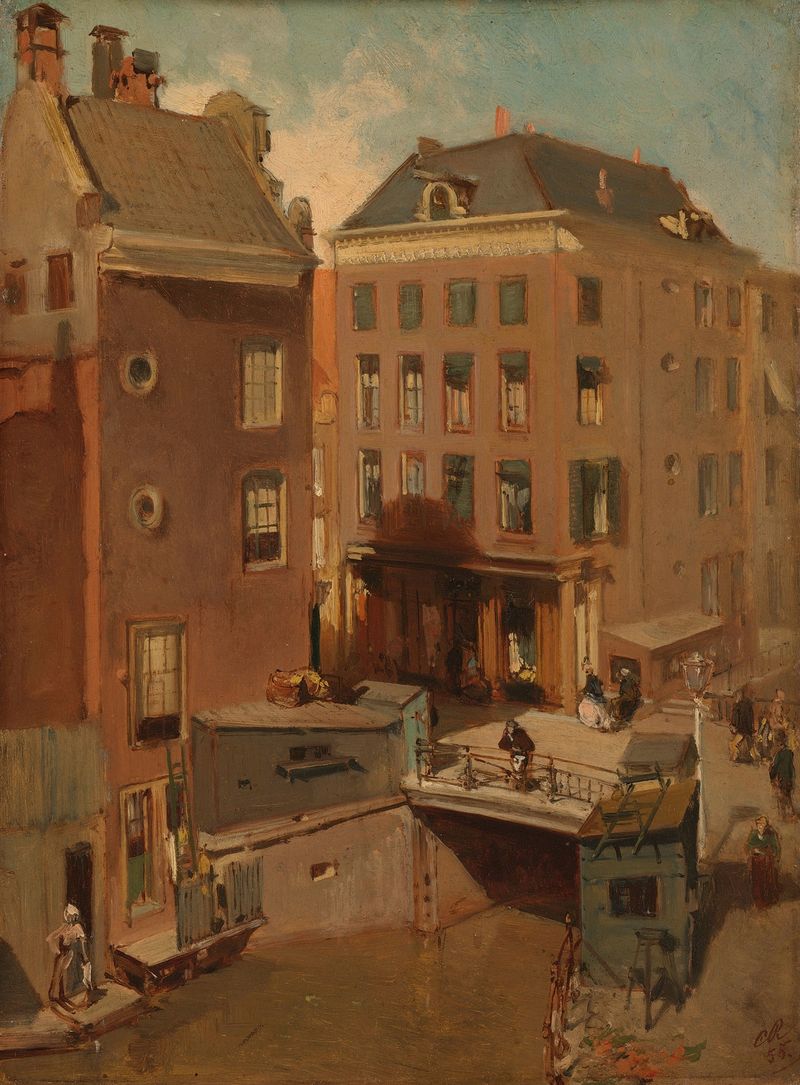
The Osjessluis near Kalverstraat in Amsterdam
Charles Rochussen
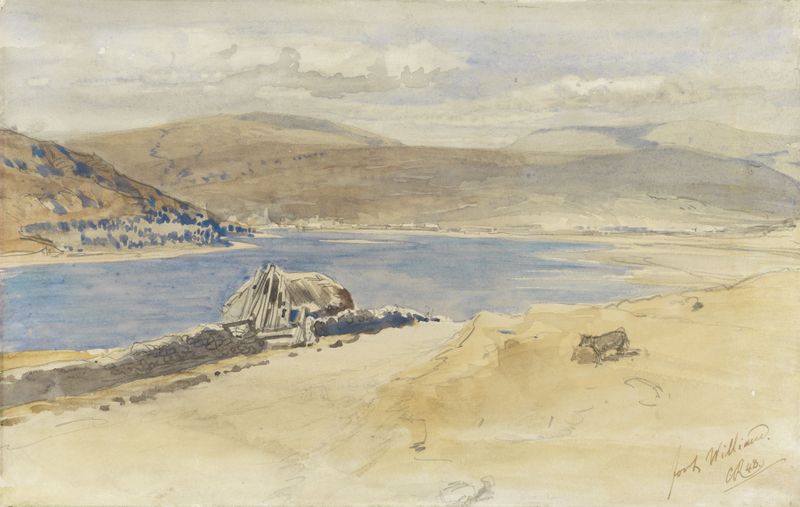
Gezicht op het Loch Linnhe bij Fort William, Schotland
Charles Rochussen
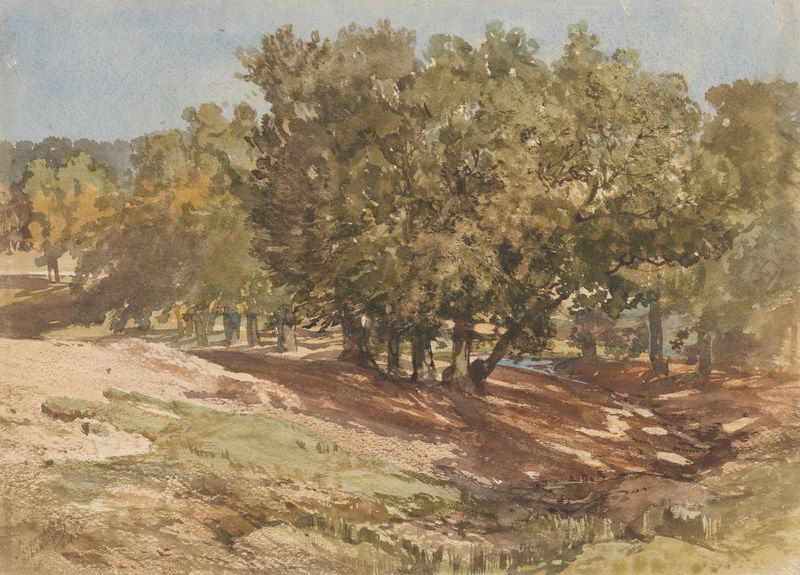
Gezicht te Beekhuizen, op de Zijpenberg
Charles Rochussen
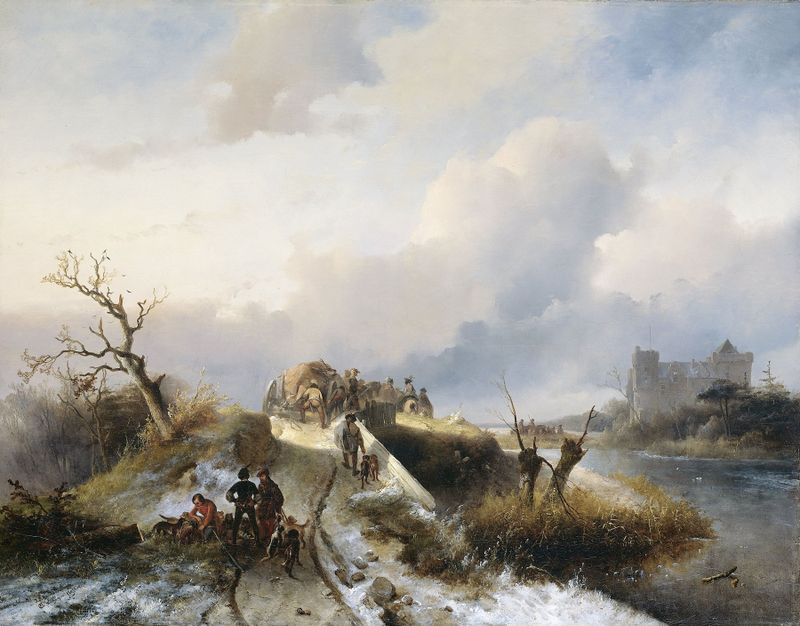
Return from the Hunt
Charles Rochussen
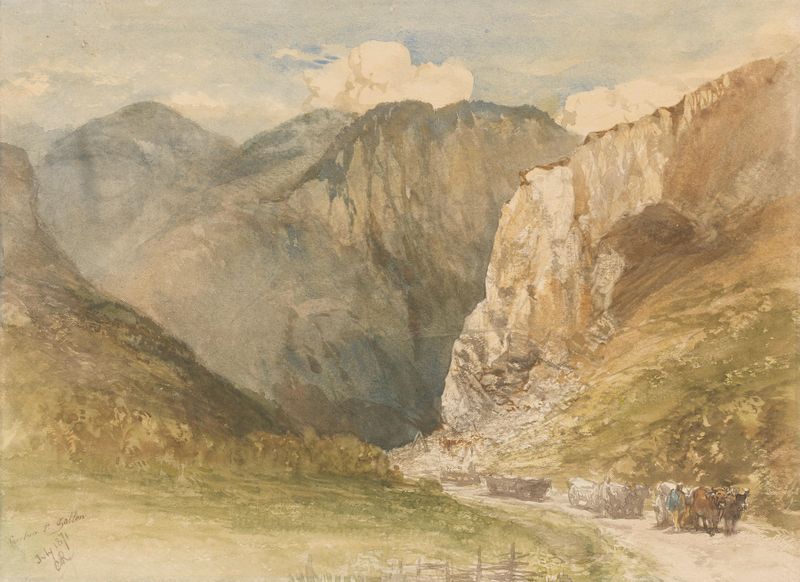
Ossenkarren op een weg tussen de bergen in het kanton Sankt Gallen
Charles Rochussen

Park in the Vicinity of Paris
Charles Rochussen
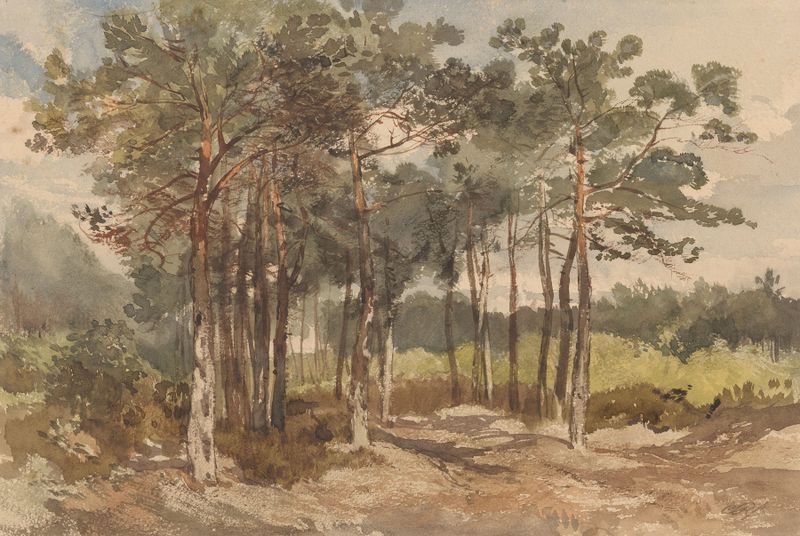
Boomgroep in de bossen bij Driebergen
Charles Rochussen





