
Return from the Hunt — History & Facts
Can paint confess what words never could? The vibrant strokes and swirling forms in Return from the Hunt speak to a world where silence reverberates with untold stories and hidden emotions. Movement, both literal and metaphorical, pulses through the canvas, inviting us to explore its layered depths. Look to the left where the sunlight dapples the hunters, casting warm, golden hues on their weathered faces and clothing. The animals—their majestic forms poised in stillness—contrast sharply with the dynamic gestures of the men, who are captured mid-laughter and camaraderie.
Notice how the trees arch overhead, their branches framing the scene, while the soft greens and browns allow the figures to leap forward, alive with energy against the serene backdrop of nature. As you delve deeper, consider the interplay of joy and exhaustion that defines this moment. The hunters, fresh from their exertions, embody a celebration of life, yet their weary eyes hint at the darker undertones of mortality inherent in their sport. The triumphant return is tinged with the weight of the animals they carry, a reminder of the cycle of life and death that dances just beneath the surface of this seemingly joyous gathering. In the mid-1840s, Rochussen created this work during a period of great change in European art, where realism began to intertwine with romantic ideals.
Painted amidst shifting social landscapes and evolving artistic philosophies, the piece reflects both an appreciation for nature and an exploration of human emotion. At this time, the artist was beginning to establish his own voice, drawing inspiration from the natural world and the human condition, ultimately capturing a moment that resonates across time.
More Artworks by Charles Rochussen
Browse all →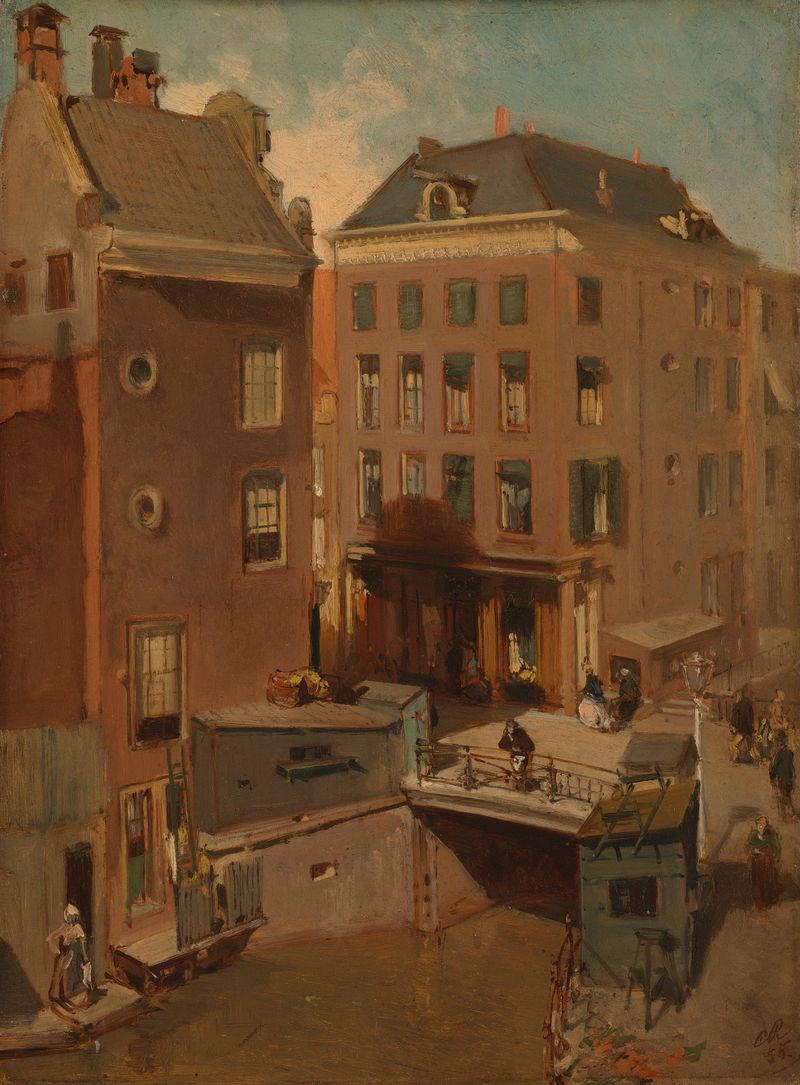
The Osjessluis near Kalverstraat in Amsterdam
Charles Rochussen
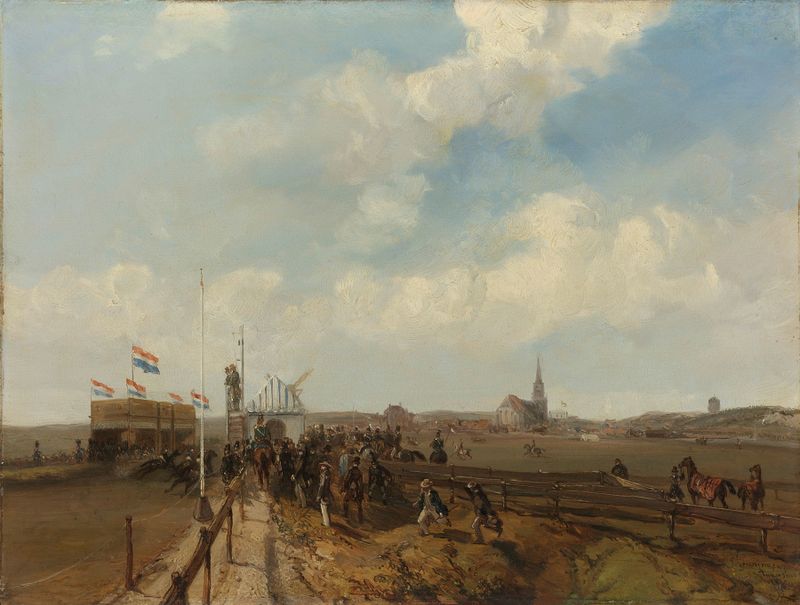
Racetrack at Scheveningen, opened 3 August 1846
Charles Rochussen
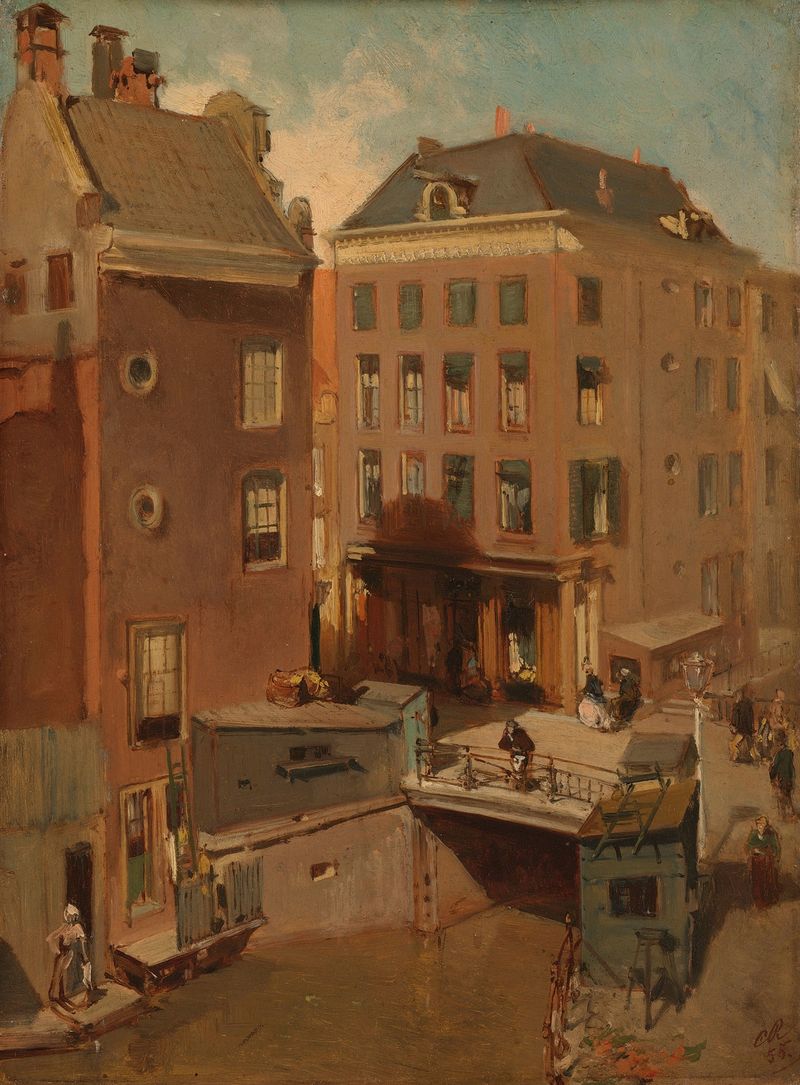
The Osjessluis near Kalverstraat in Amsterdam
Charles Rochussen
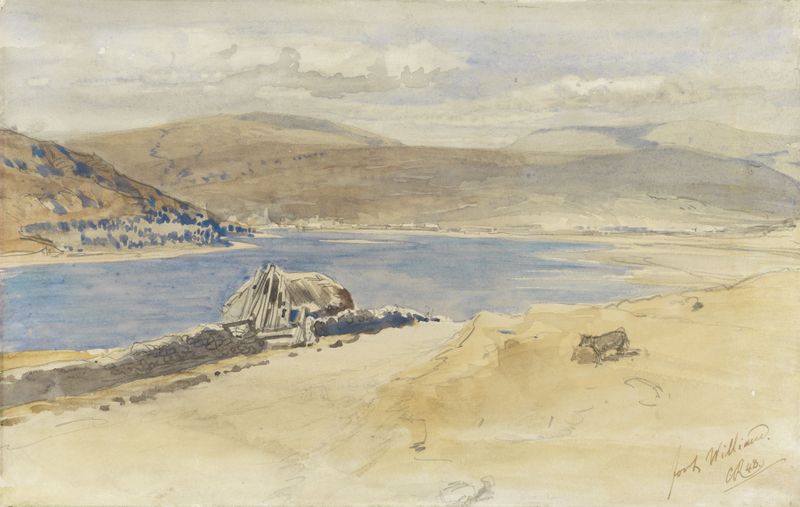
Gezicht op het Loch Linnhe bij Fort William, Schotland
Charles Rochussen
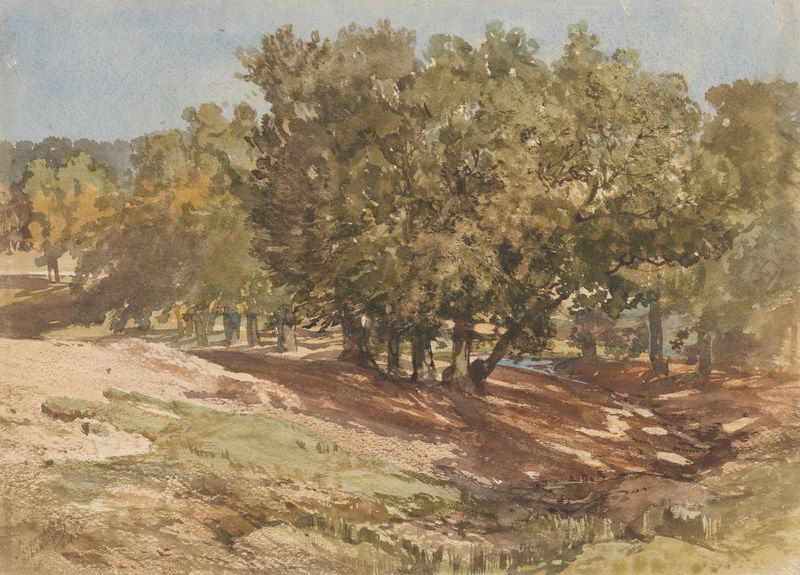
Gezicht te Beekhuizen, op de Zijpenberg
Charles Rochussen
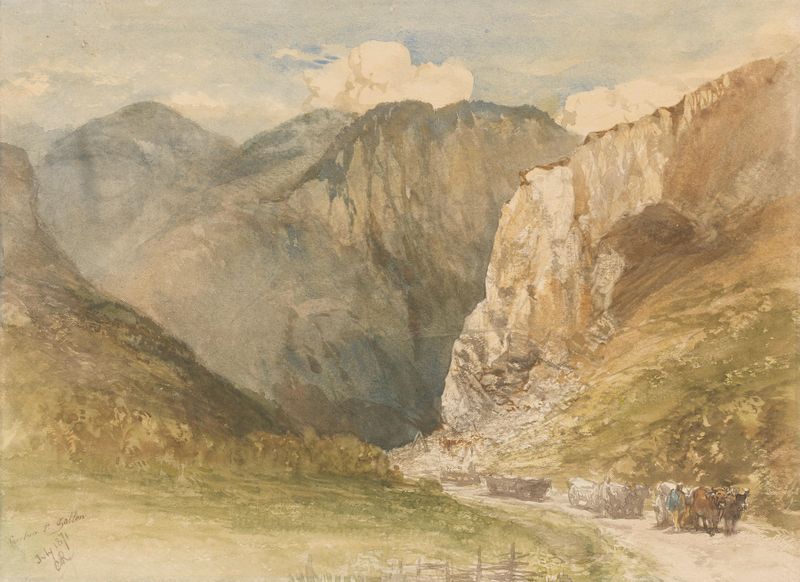
Ossenkarren op een weg tussen de bergen in het kanton Sankt Gallen
Charles Rochussen

Park in the Vicinity of Paris
Charles Rochussen
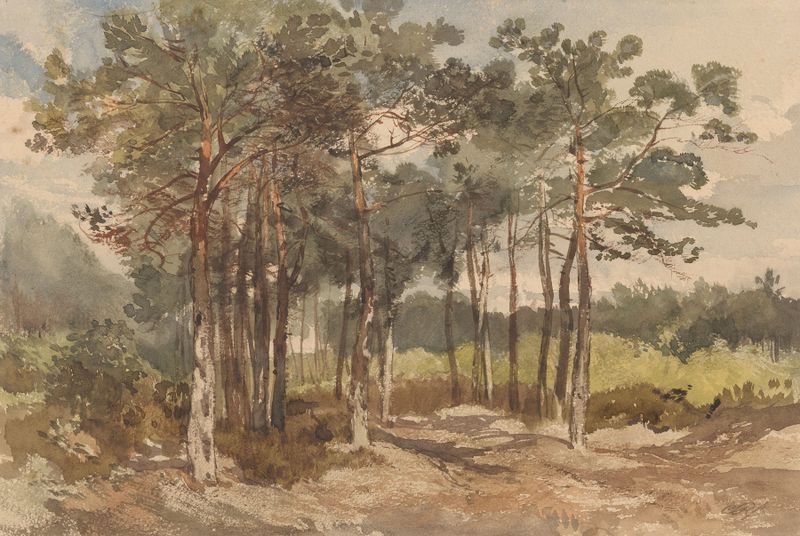
Boomgroep in de bossen bij Driebergen
Charles Rochussen





