
Park in the Vicinity of Paris — History & Facts
Could beauty survive in a century of chaos? In the midst of turmoil, a serene park breathes life into the canvas, inviting contemplation and solace. Look to the left, where the gentle curve of a tree beckons your gaze. Its lush foliage contrasts against the soft, pastel sky, a delicate balance of greens and blues that envelops the scene in a tranquil embrace. Notice how the dappled light plays along the path, guiding the viewer's eye deeper into the landscape, where figures meander, embodying a moment of respite amidst the natural splendor.
The artist's brushstrokes weave together a sense of harmony, each element contributing to a serene, pastoral composition. Yet beneath this idyllic surface lies a tension between nature's peace and the looming chaos of the era. The figures, though engaged in leisure, seem distant and isolated, reflecting an underlying anxiety that festers in the society of 1848—a year marked by revolutions across Europe. Their leisurely activities stand in stark contrast to the tumult of political upheaval, hinting at the fragility of such beauty in an uncertain world.
The park, a refuge, becomes both a sanctuary and a reminder of the transient nature of joy. During this tumultuous year, Rochussen painted this work while living in Paris, a city rife with social unrest and artistic innovation. Surrounded by fervent debates about democracy and rights, he sought to capture an ideal, a moment of divine beauty amid chaos. The painting stands as a testament to his belief in the resilience of art to uplift and inspire, echoing the hope that tranquility might still flourish, even in the darkest of times.
More Artworks by Charles Rochussen
Browse all →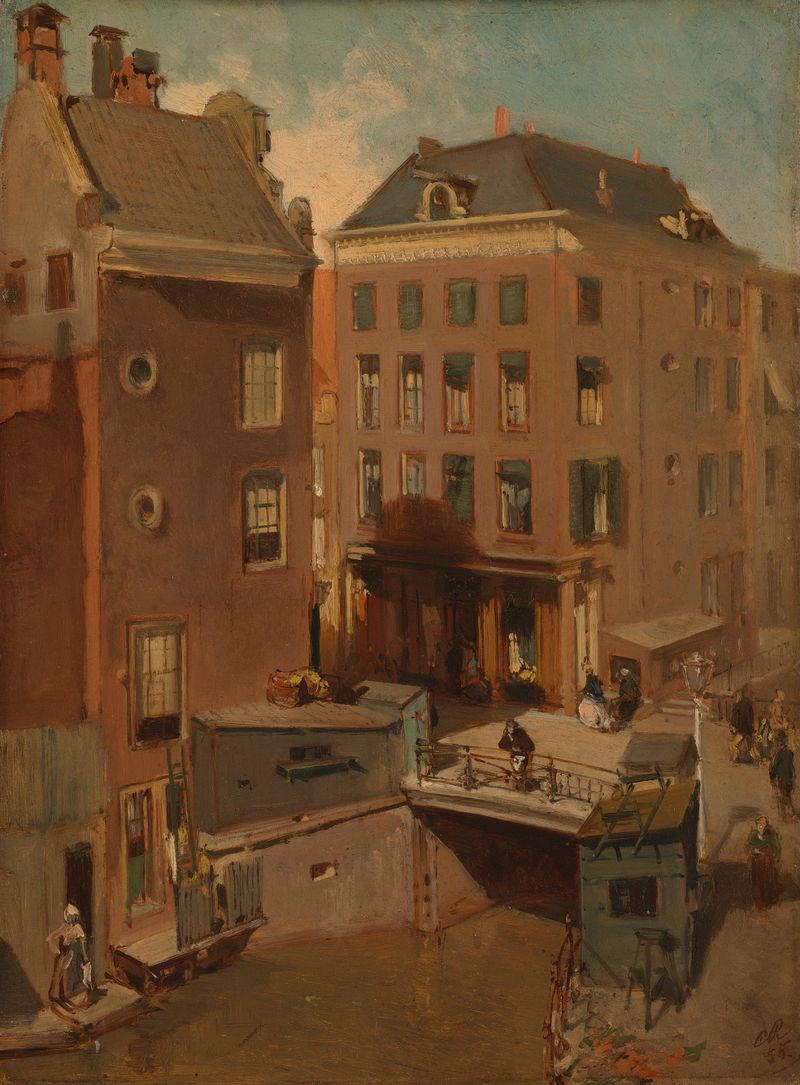
The Osjessluis near Kalverstraat in Amsterdam
Charles Rochussen
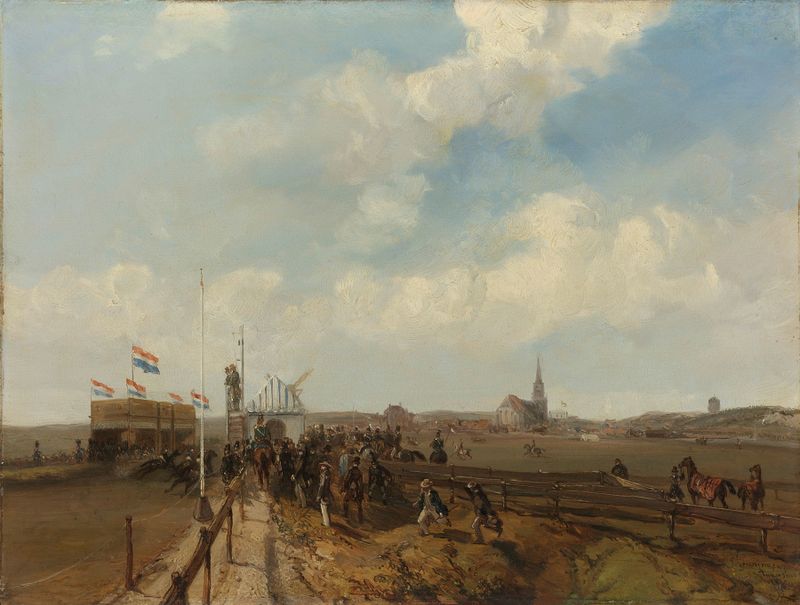
Racetrack at Scheveningen, opened 3 August 1846
Charles Rochussen
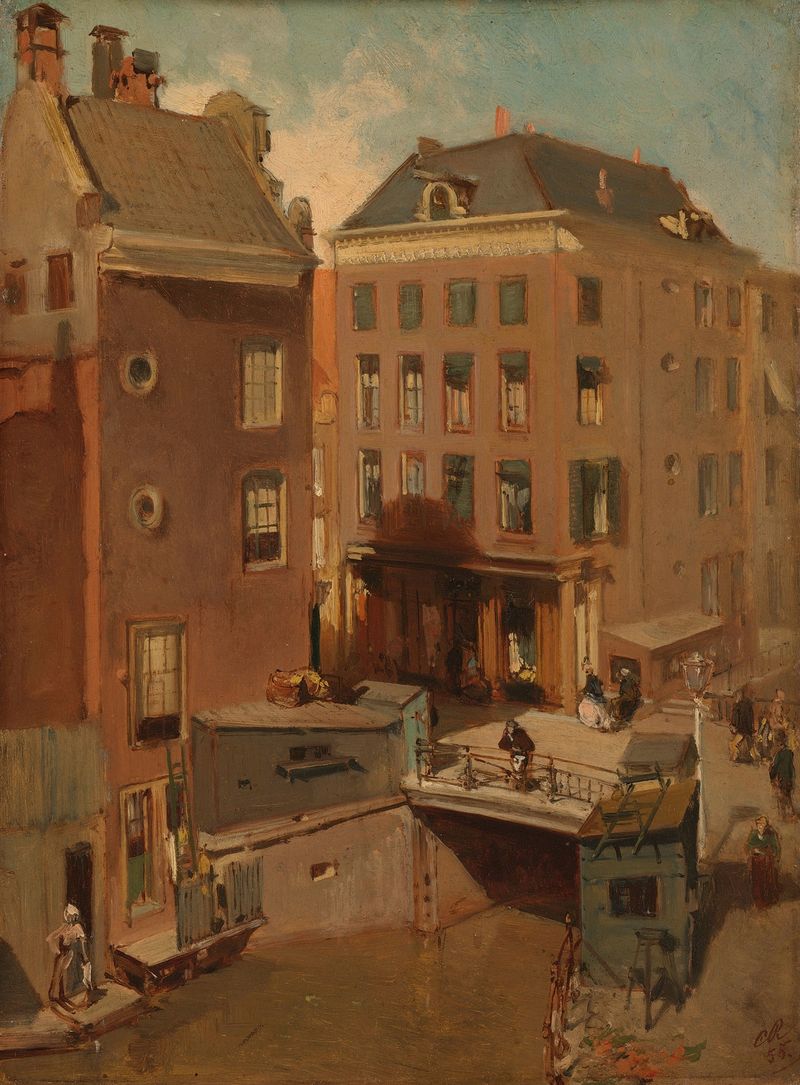
The Osjessluis near Kalverstraat in Amsterdam
Charles Rochussen
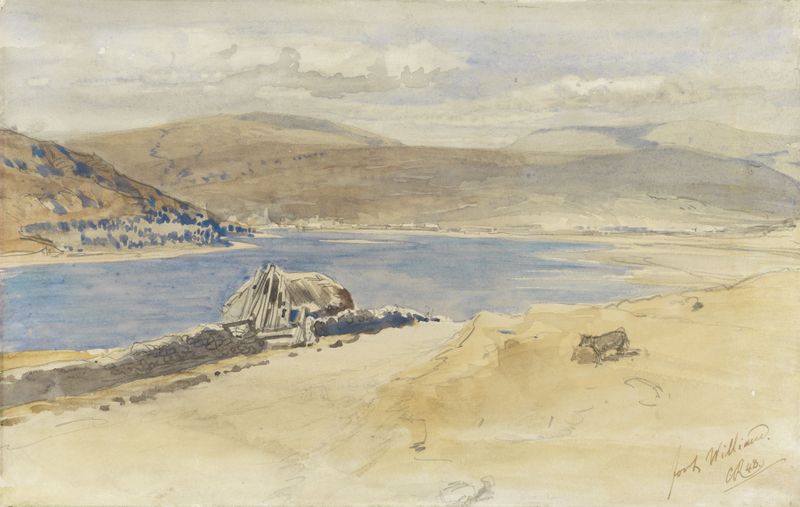
Gezicht op het Loch Linnhe bij Fort William, Schotland
Charles Rochussen
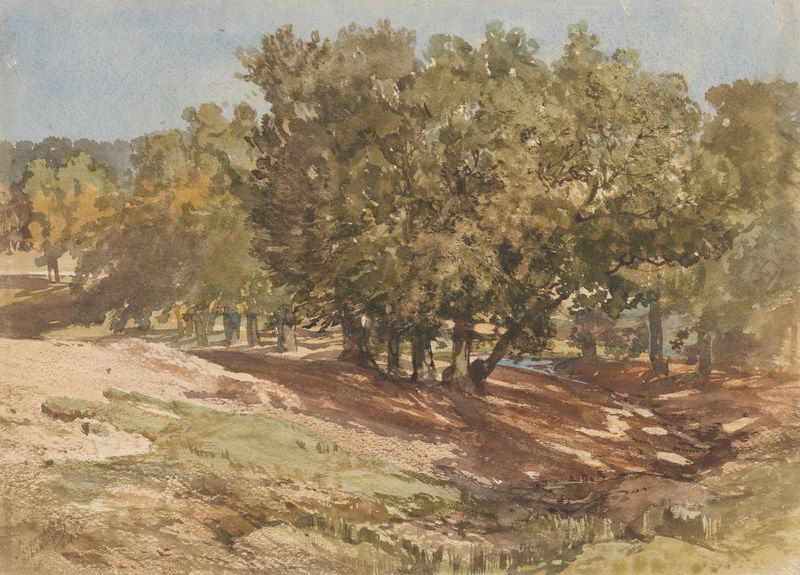
Gezicht te Beekhuizen, op de Zijpenberg
Charles Rochussen
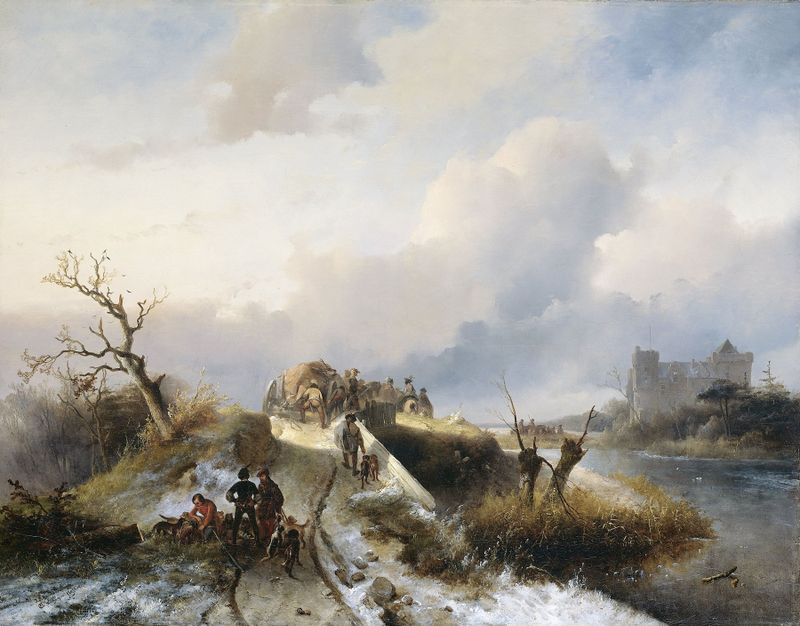
Return from the Hunt
Charles Rochussen
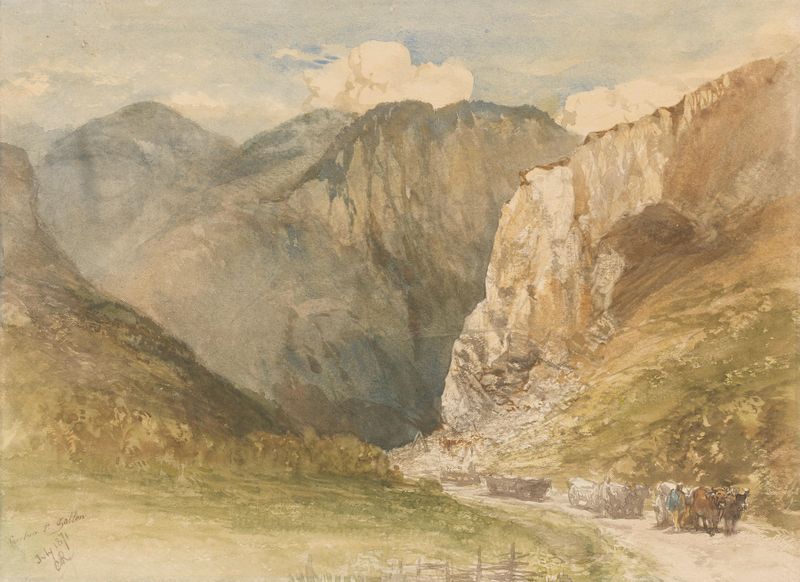
Ossenkarren op een weg tussen de bergen in het kanton Sankt Gallen
Charles Rochussen
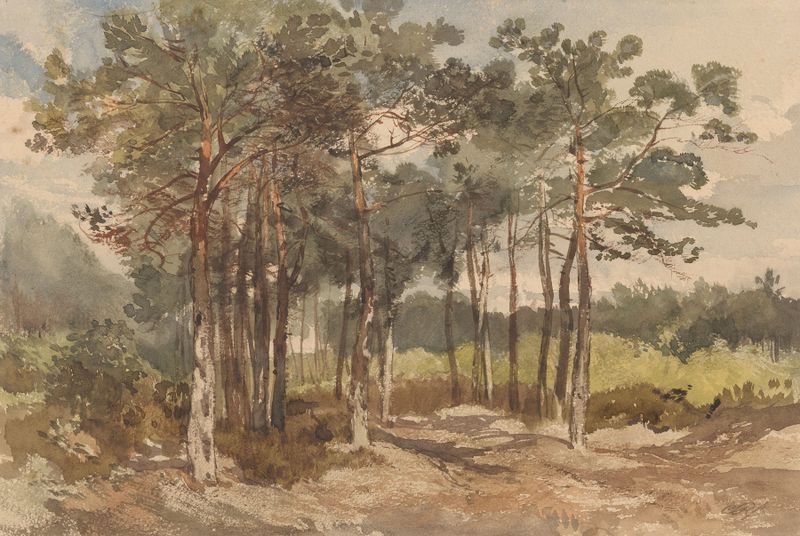
Boomgroep in de bossen bij Driebergen
Charles Rochussen





