
Bord de l’eau — History & Facts
Within its stillness, the void echoes with unspoken narratives, inviting the viewer to delve into the depths of contemplation. Look to the foreground where soft brushstrokes meld shades of blue and green, creating a serene expanse of water that seems to breathe. Notice how the subtle gradations of color draw your gaze deeper, enveloping the eye in a sense of tranquility. The horizon, painted with delicate precision, blurs the line between reality and dream, leading to a whisper of sky that touches the water's surface, suggesting both connection and separation. Here, the contrast between clarity and abstraction emerges, as the shimmering surface of the water reflects the sublime yet elusive essence of nature.
Each stroke embodies a moment suspended in time, echoing the silent conversations held within the void. The gentle ripples hint at movement, yet the scene remains unwavering, suggesting a paradox of stillness amidst life's currents. This interplay of light and shadow fosters a sense of longing, inviting the viewer to confront both the beauty and the emptiness inherent in existence. Created during the late 19th century, this étude marks a significant period for the artist, who was influenced by the changing tides of Impressionism.
Working in Belgium, De Cock explored the interplay of light and nature, navigating personal transitions that echoed the broader shifts in the art world. This period was defined by an exploration of color and form, as artists sought to capture transient moments, forever altering the perception of landscape painting.
More Artworks by César De Cock
Browse all →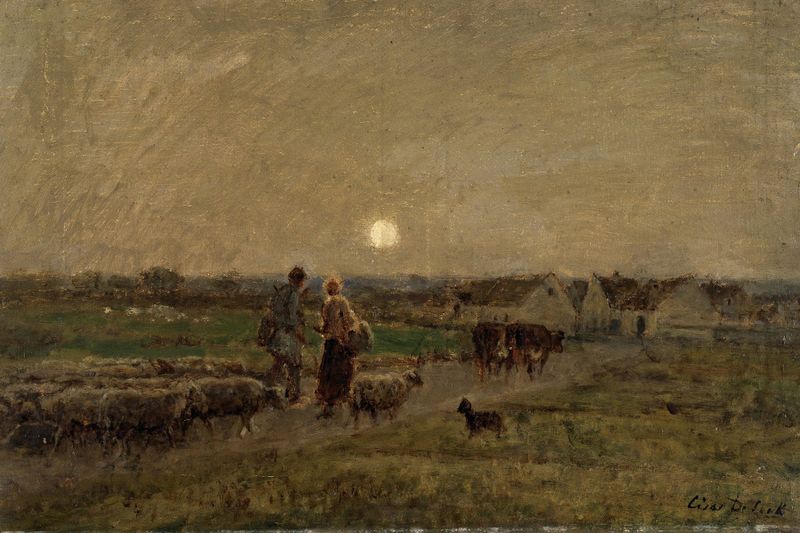
Evening in Normandy
César De Cock
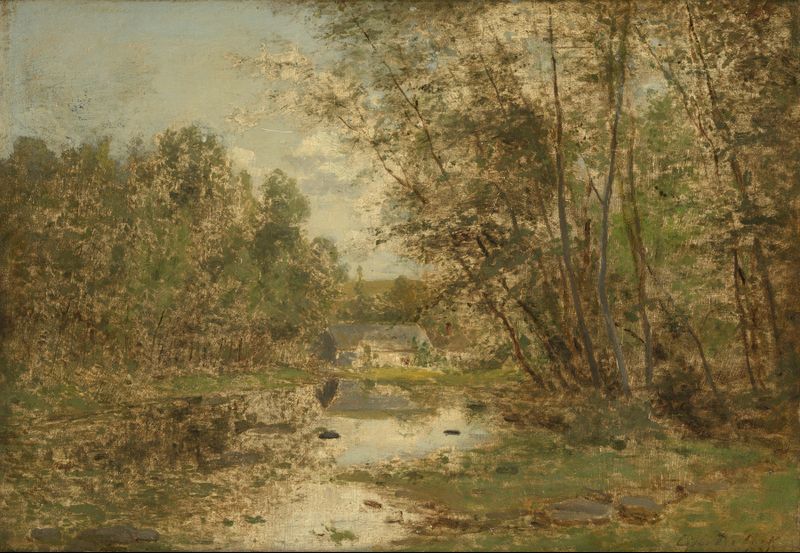
Landscape
César De Cock
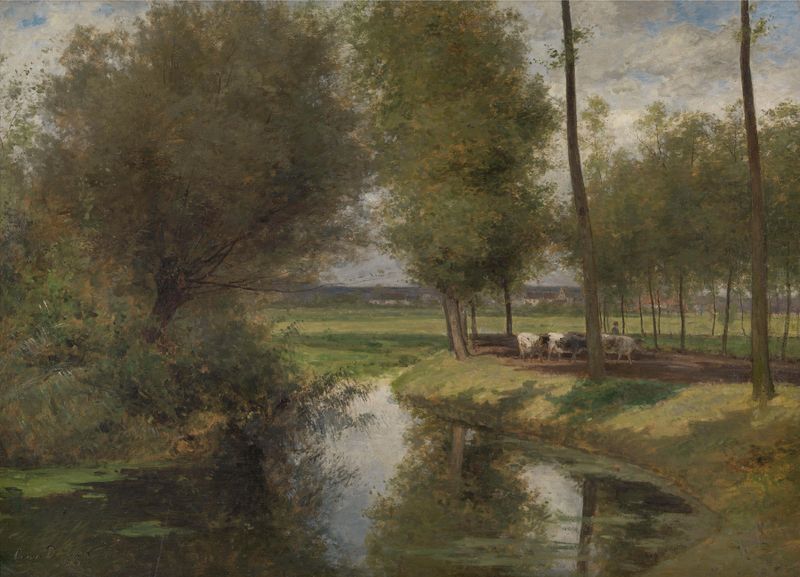
Landscape by the River Lys
César De Cock
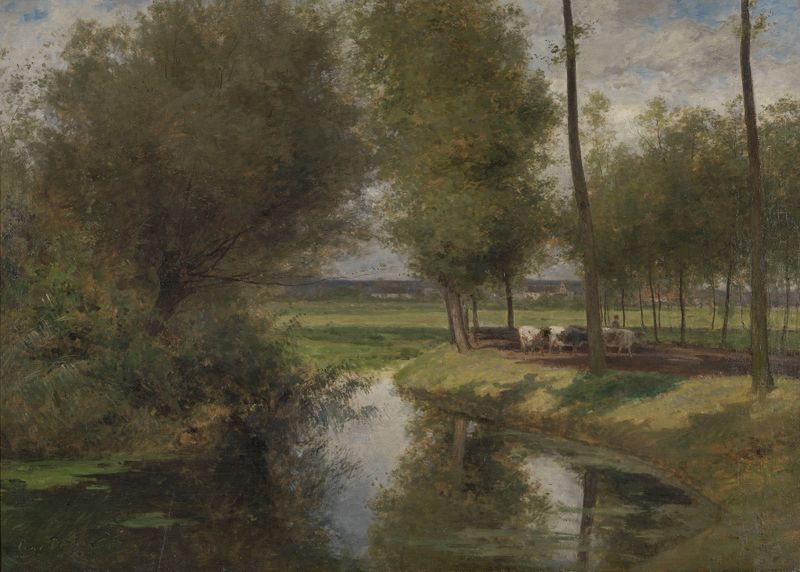
Landscape by the River Lys or The Road to the ‘Patijntje’ in Ghent
César De Cock
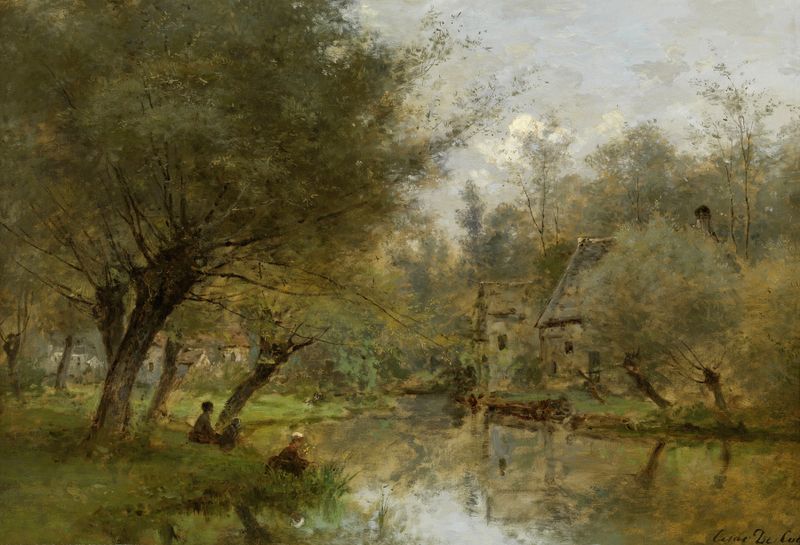
Landscape near Saint-Germain-en-Laye
César De Cock
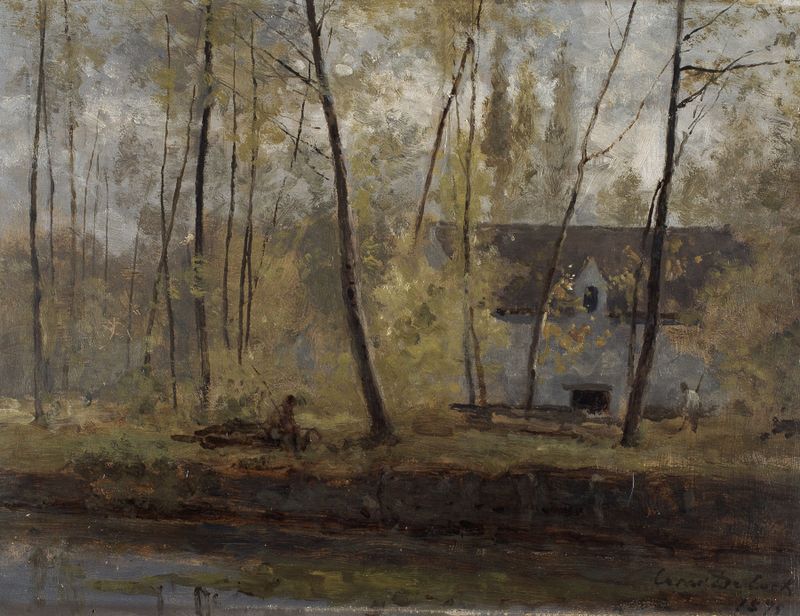
Farmhouse by the Water
César De Cock
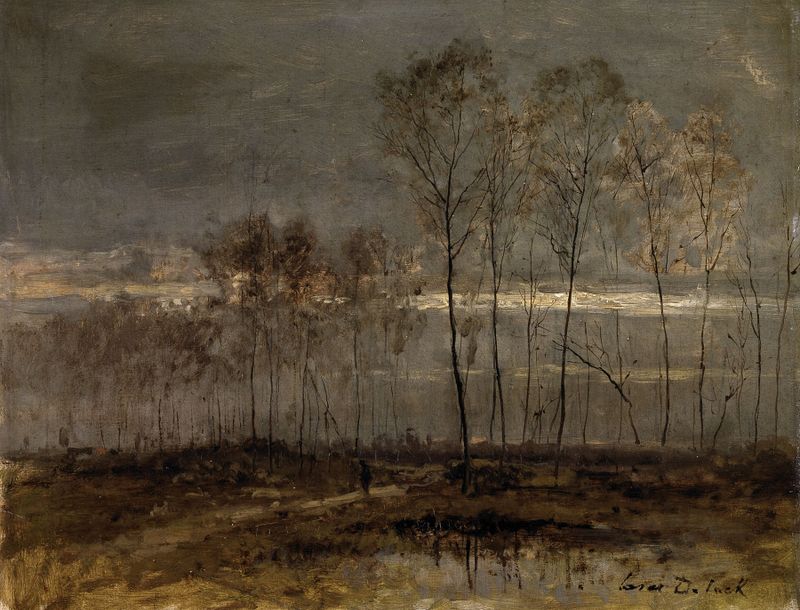
Landscape near Saint-Christophe (Normandy)
César De Cock
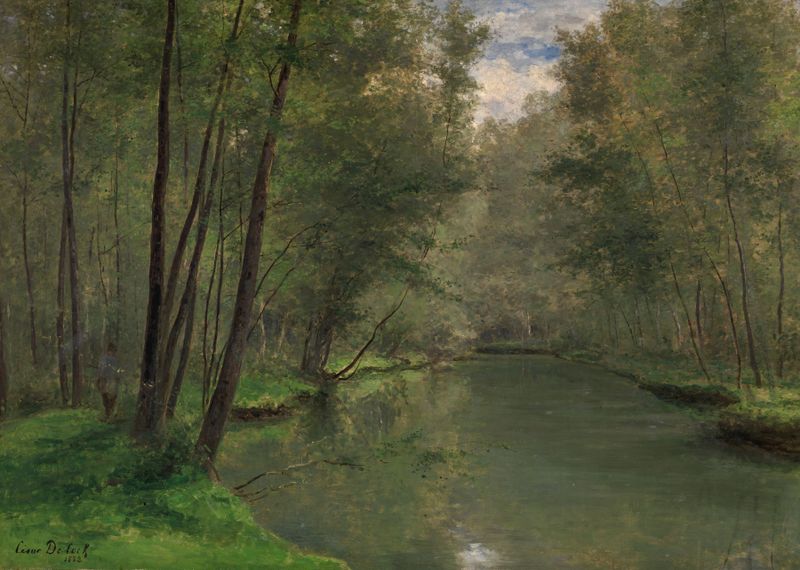
Along the River Epte in Gasny
César De Cock
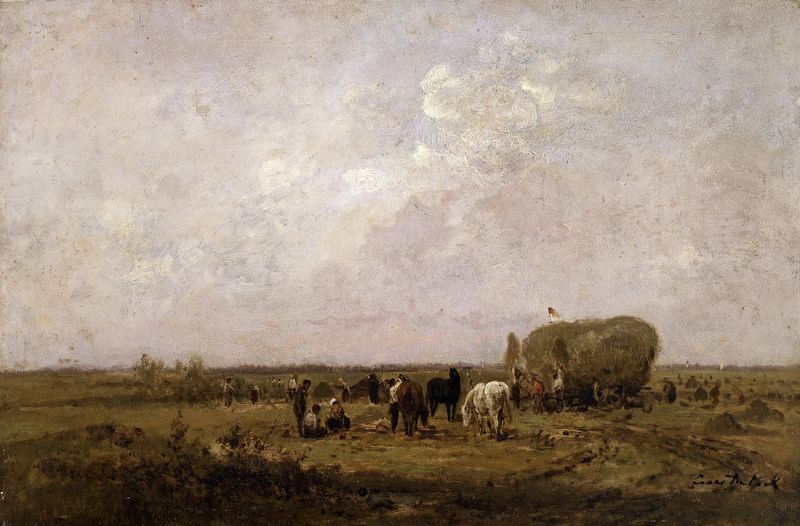
Haymaking
César De Cock
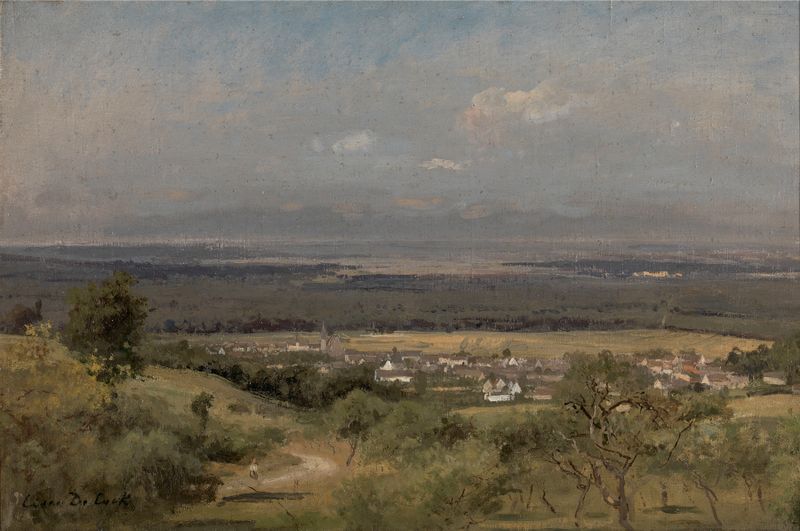
Landscape near Gasny (Normandy)
César De Cock





