
Landscape — History & Facts
In the quiet embrace of nature, a masterpiece unfolds, capturing the very essence of creation in each brushstroke, inviting us to explore its depths. Look to the left at the sweeping green hills, their gentle undulations a contrast against the bright azure sky. Notice how warm hues of yellow and soft browns blend seamlessly into the landscape, creating a harmonious balance that evokes serenity. The artist’s deft use of light breathes life into the scene, casting shadows that dance across the ground, guiding your gaze across the canvas and inviting you to wander through this pastoral dream. Beneath the tranquil surface lies a rich tapestry of emotions.
The interplay of light and shadow suggests the fleeting moments of nature, hinting at life’s transience. The vibrant greens symbolize renewal, while the distant mountains, depicted with a soft haze, represent both the challenges and the sublime beauty of the horizon. There’s a sense of longing in the way the landscape stretches forward, an invitation to explore both the physical world and the inner self. César De Cock painted this work in 1886, during a period when he was deeply engaged with the Impressionist movement in Belgium.
His exploration of light and color reflected the changing artistic landscape of the time, as artists sought to capture the nuances of everyday life. This piece emerged amidst his personal journey of artistic growth, highlighting his reconciliation of realism with the emerging modern expressions that would define a new era in art.
More Artworks by César De Cock
Browse all →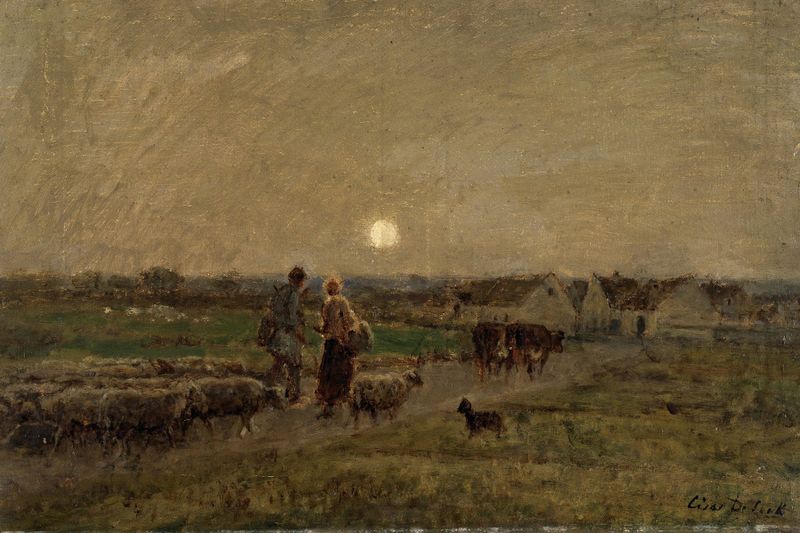
Evening in Normandy
César De Cock
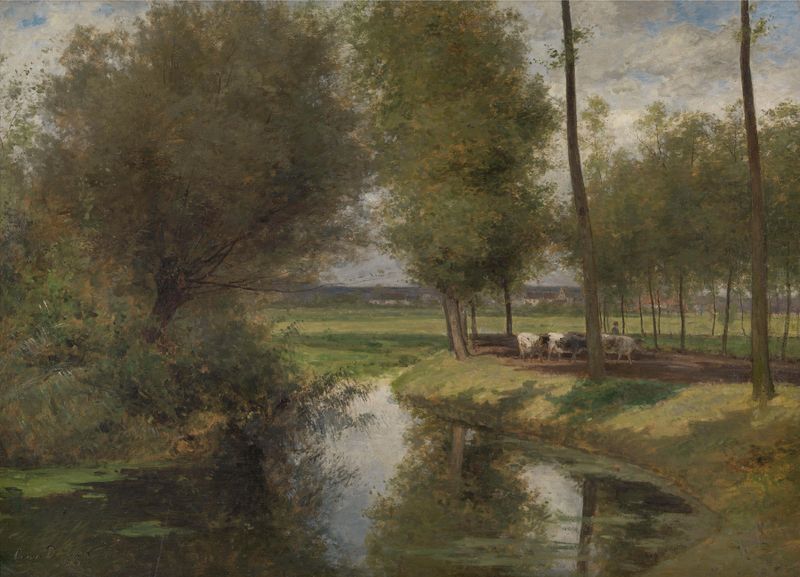
Landscape by the River Lys
César De Cock
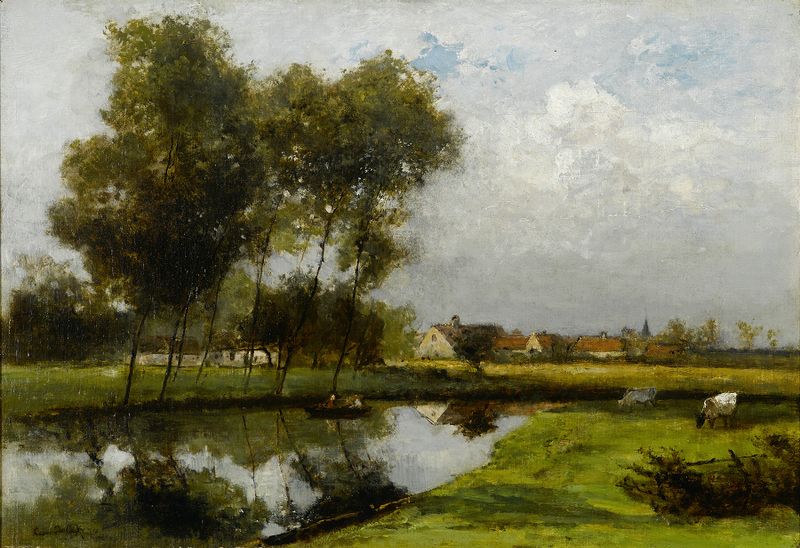
Bord de l’eau
César De Cock
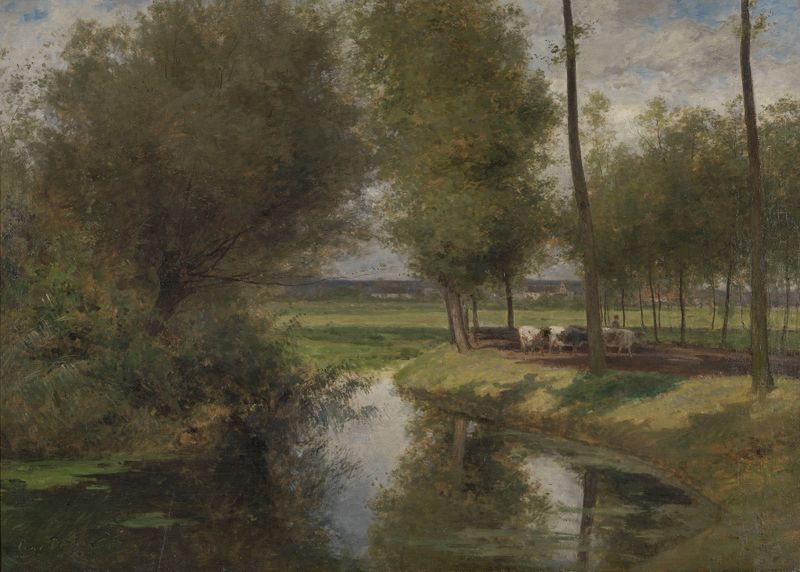
Landscape by the River Lys or The Road to the ‘Patijntje’ in Ghent
César De Cock
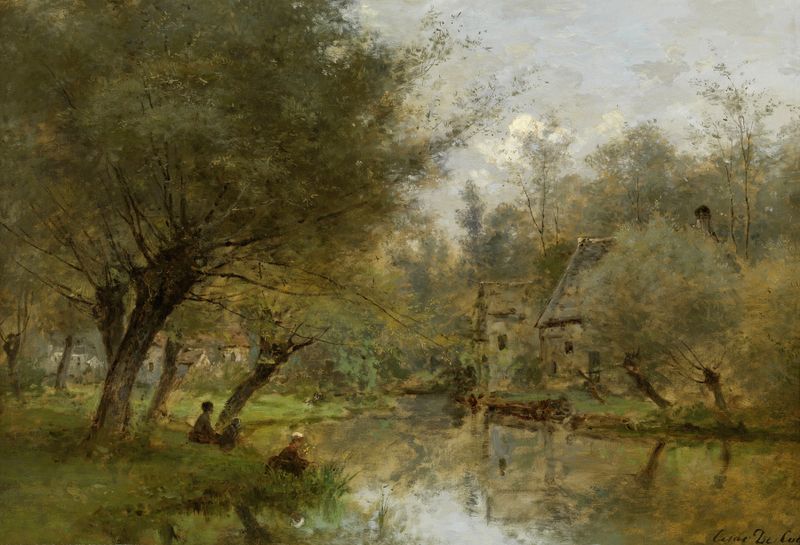
Landscape near Saint-Germain-en-Laye
César De Cock
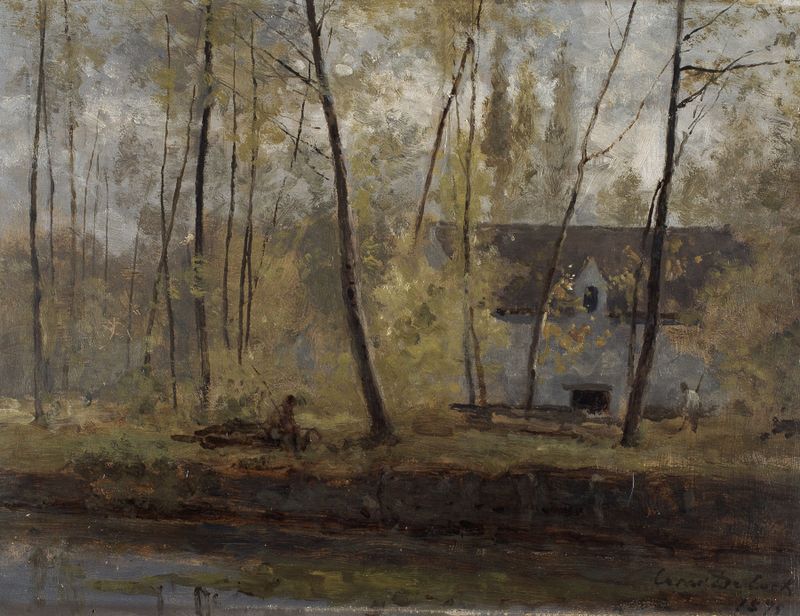
Farmhouse by the Water
César De Cock
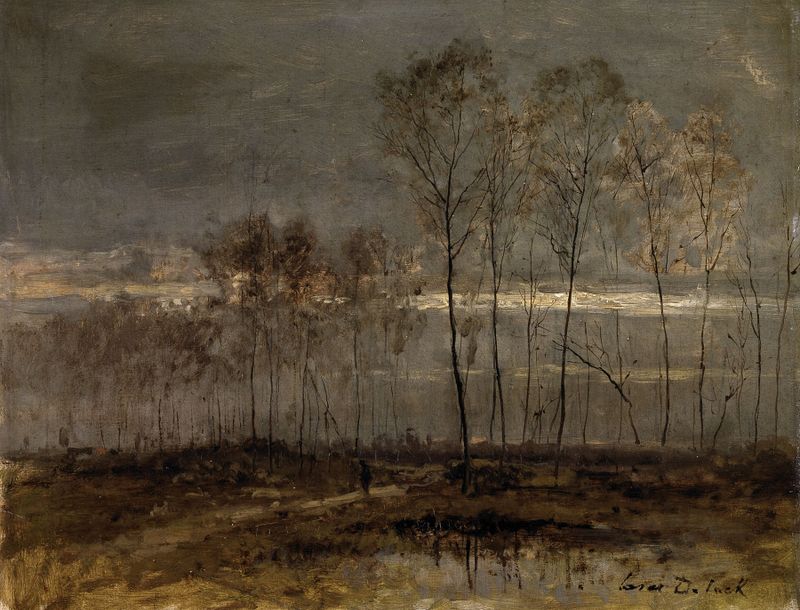
Landscape near Saint-Christophe (Normandy)
César De Cock
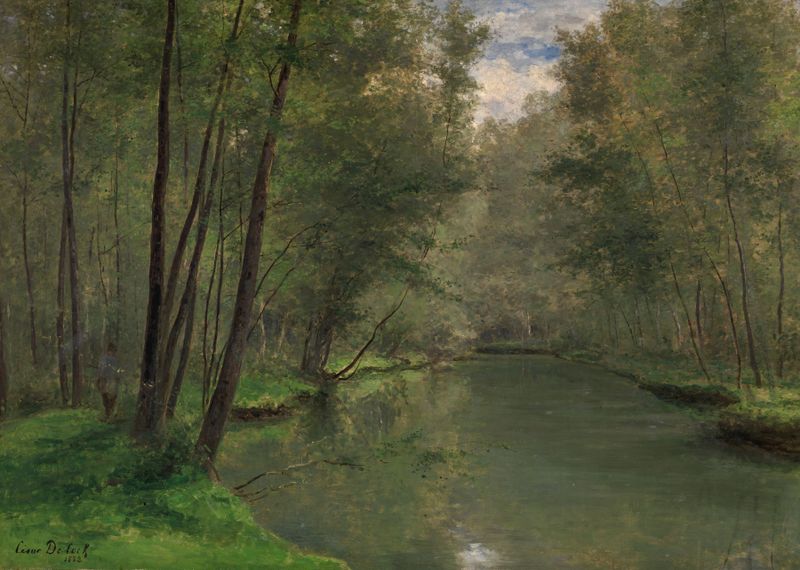
Along the River Epte in Gasny
César De Cock
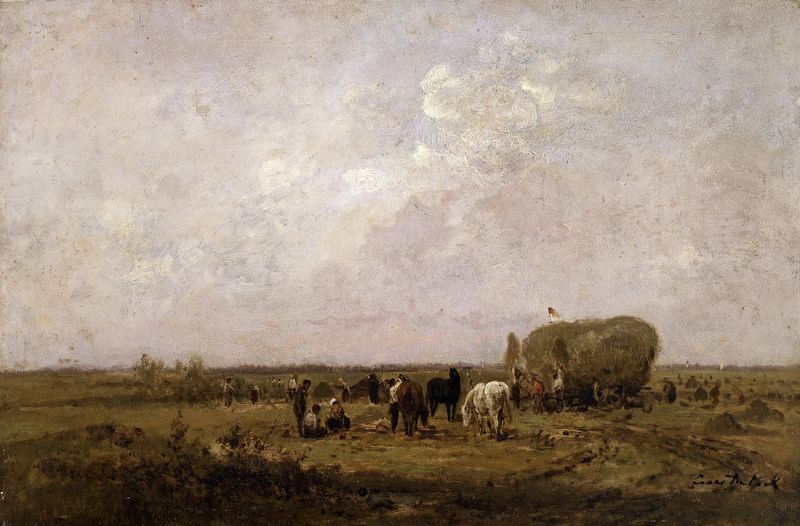
Haymaking
César De Cock
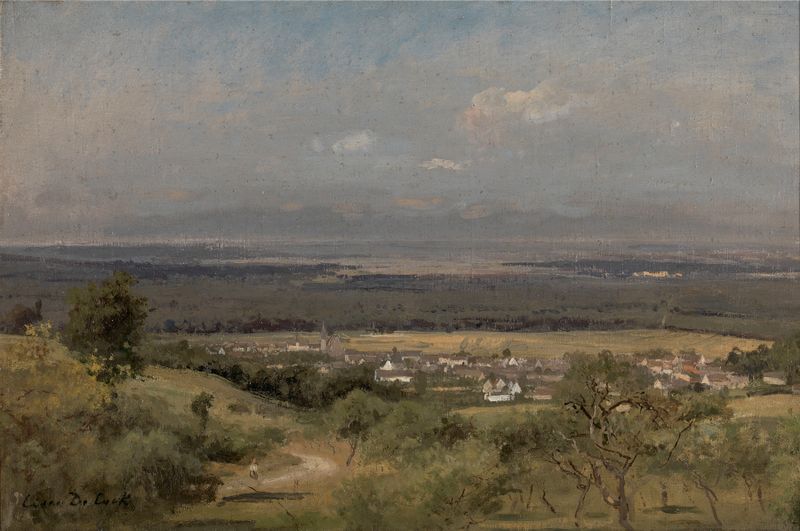
Landscape near Gasny (Normandy)
César De Cock





