
Haymaking — History & Facts
In Haymaking, a tapestry of labor unfolds, where beauty intertwines with the rhythm of the rural landscape. Look to the gentle undulation of the fields, where a rich palette of greens and golds captures the essence of summer. The figures at work—sweaty, sun-kissed, and full of life—are almost sculptural against the backdrop of vibrant flora. Notice how the sunlight spills across the canvas, illuminating the hay being gathered, each blade of grass glistening as if kissed by the sun.
The interplay of light and shadow not only defines the physical forms but also evokes a sense of harmony and toil. Delve deeper into the composition, and you will find a dialogue between labor and nature. The figures, although engaged in strenuous work, convey a serene connection to their environment, suggesting that beauty lies not just in the finished product but in the act of creation itself. The soft brushstrokes impart a feeling of tranquility, while the juxtaposition of the figures against the vastness of the open field underscores the significance of human effort within the grandeur of nature. Created in the 19th century, Haymaking emerged during a period when rural life was increasingly romanticized in art.
César De Cock painted this scene while living in Belgium, at a time when industrialization began to alter the landscape of agriculture. His work reflects a growing appreciation for the simplicity and beauty of pastoral life, capturing both the laborers’ dedication and the charm of their surroundings.
More Artworks by César De Cock
Browse all →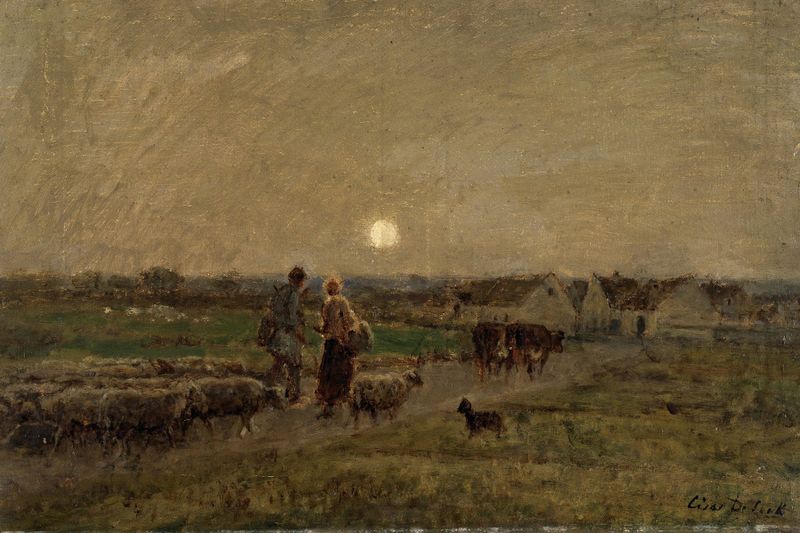
Evening in Normandy
César De Cock
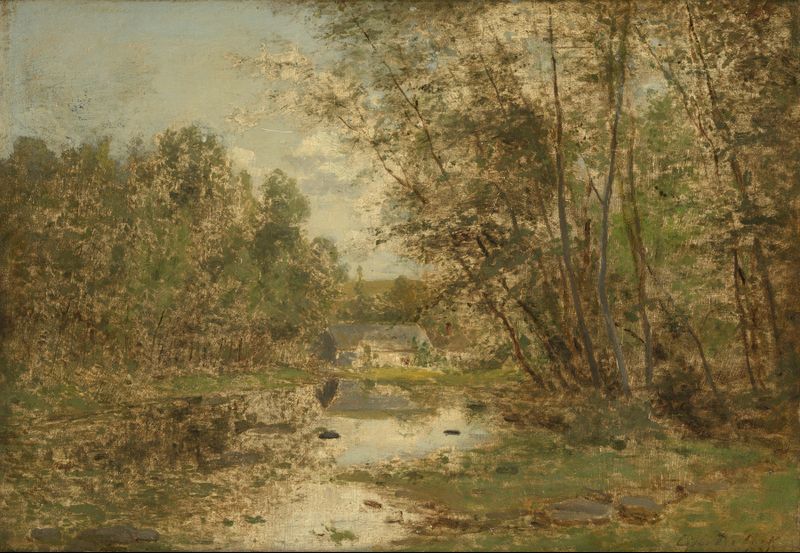
Landscape
César De Cock
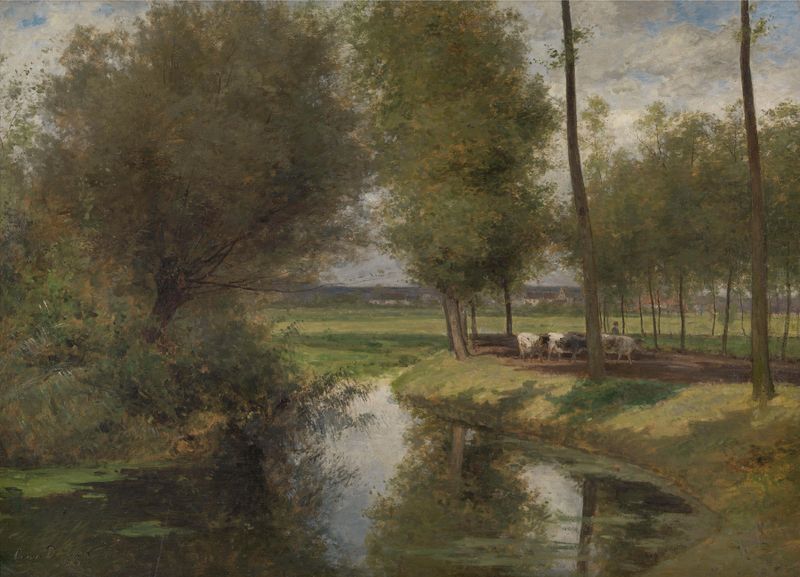
Landscape by the River Lys
César De Cock
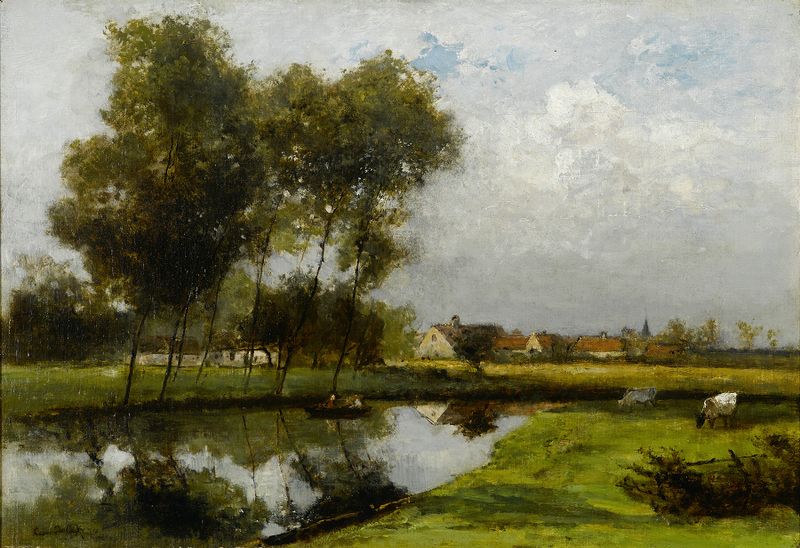
Bord de l’eau
César De Cock
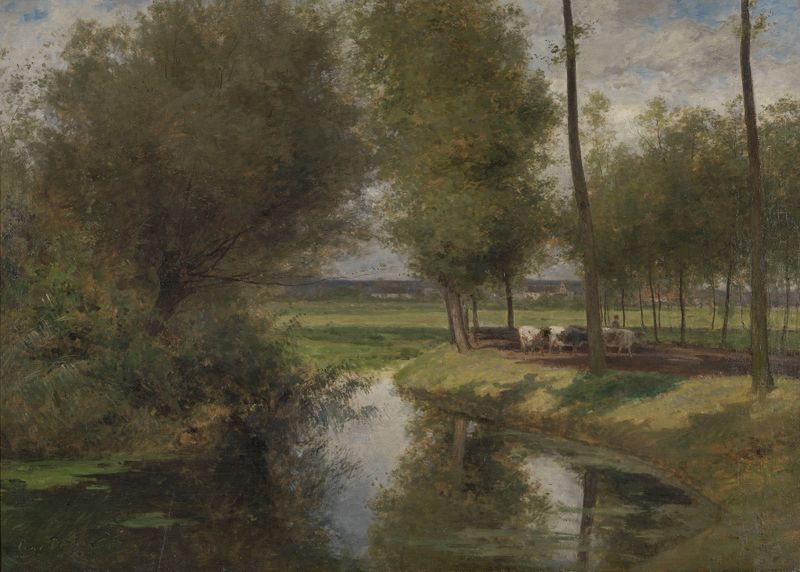
Landscape by the River Lys or The Road to the ‘Patijntje’ in Ghent
César De Cock
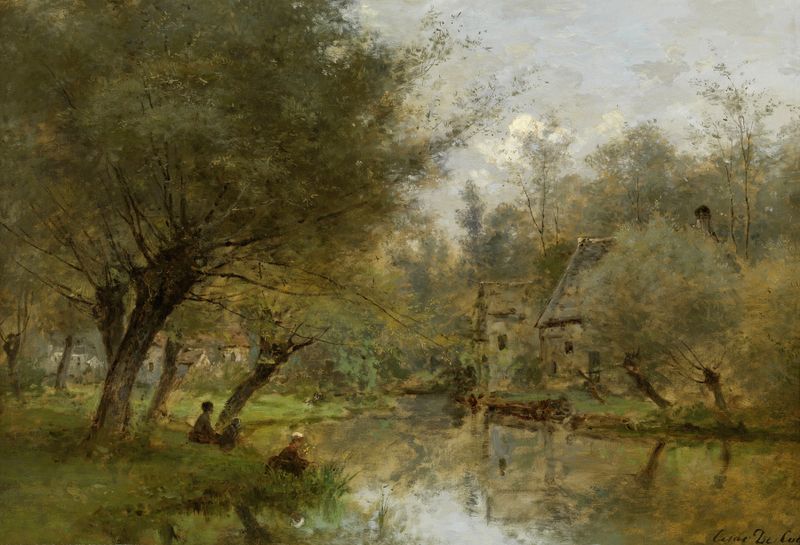
Landscape near Saint-Germain-en-Laye
César De Cock
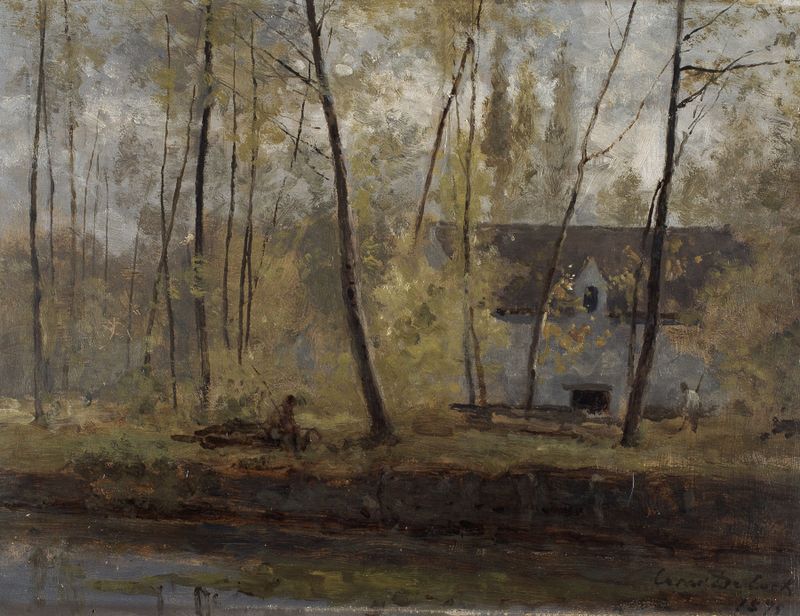
Farmhouse by the Water
César De Cock
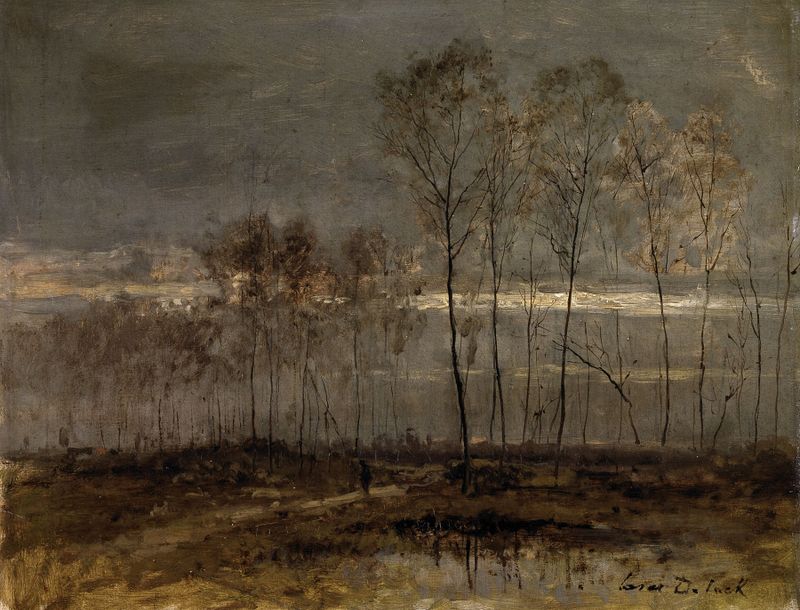
Landscape near Saint-Christophe (Normandy)
César De Cock
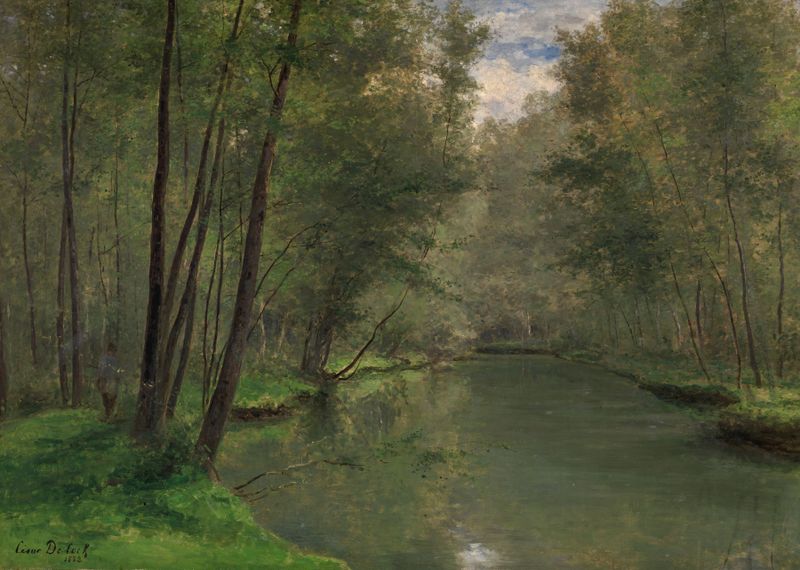
Along the River Epte in Gasny
César De Cock
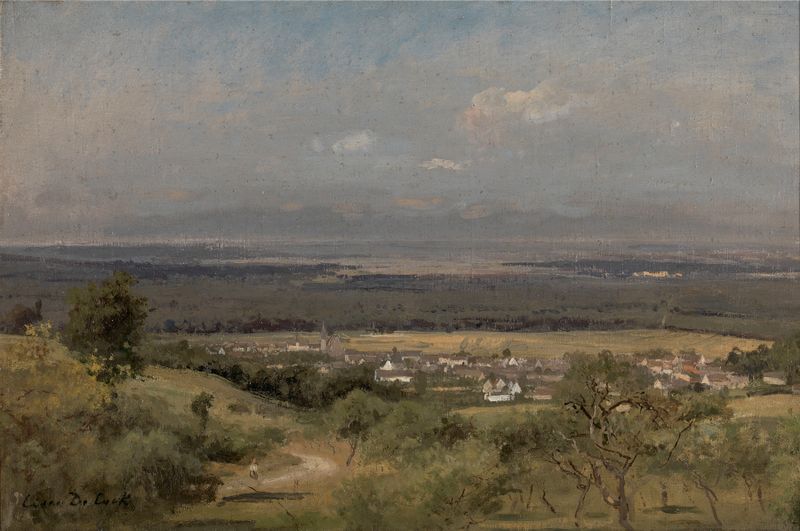
Landscape near Gasny (Normandy)
César De Cock





