
Farmhouse by the Water — History & Facts
The stillness of a moment often harbors the deepest transformations, waiting to be revealed. In the embrace of a serene landscape, the quietude of a farmhouse speaks volumes about its surroundings and the life it once held. First, focus on the farmhouse, nestled to the left of the canvas, its weathered façade telling stories of seasons passed. The earthy tones of ochre and umber blend seamlessly with the surrounding greenery, grounding the structure in its environment.
Notice how the light dances delicately across the water, reflecting a palette of blues and greens that draw the eye toward the tranquil lake. The composition invites the viewer to explore the interplay of man-made and natural elements, revealing a harmony that transcends time. Delve deeper into the subtleties: the contrast between the solidity of the farmhouse and the fluidity of the water suggests a dialogue between permanence and change. The shadows that linger near the building speak of untold histories, while the shimmering surface hints at the transformative power of nature.
This duality evokes a sense of nostalgia, encouraging viewers to reflect on their own experiences of transition and the passage of time. In 1895, César De Cock painted this piece while living in Belgium amidst a changing artistic landscape, where Impressionism was beginning to influence traditional techniques. During this period, he sought to capture the beauty of rural life, emphasizing a connection to the natural world through the lens of personal experience. This work exemplifies his commitment to portraying the quiet stories that can be found in everyday scenes.
More Artworks by César De Cock
Browse all →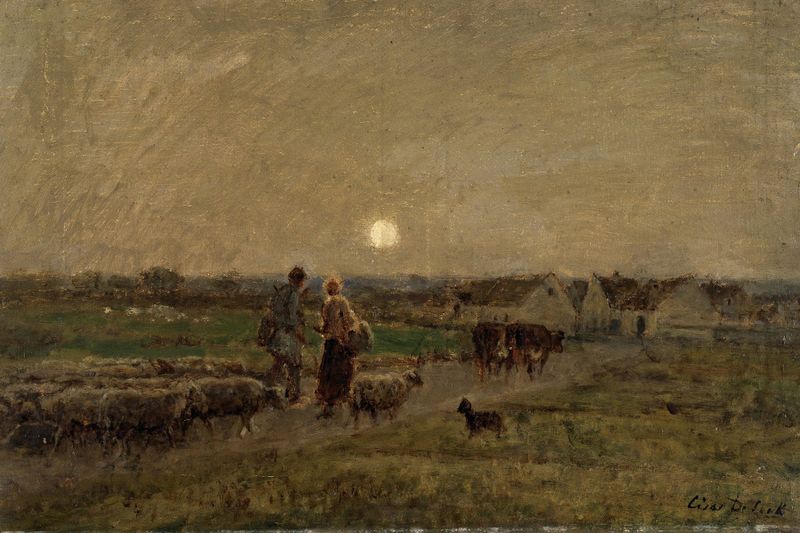
Evening in Normandy
César De Cock
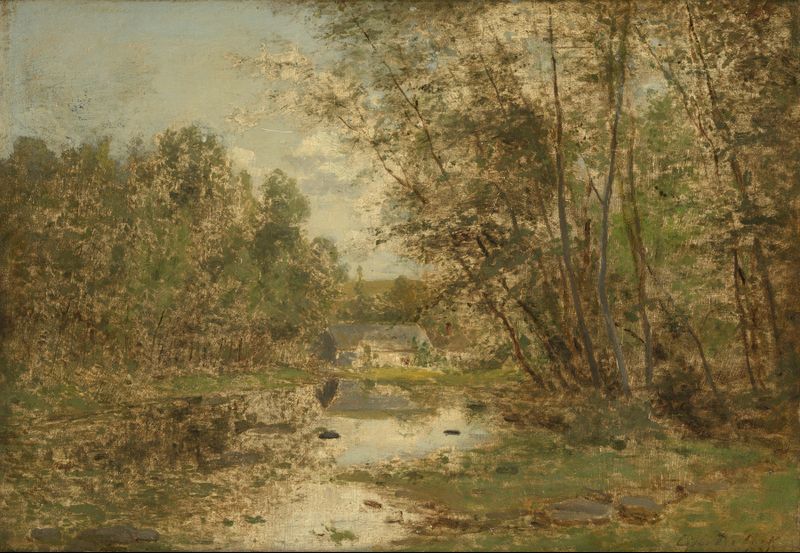
Landscape
César De Cock
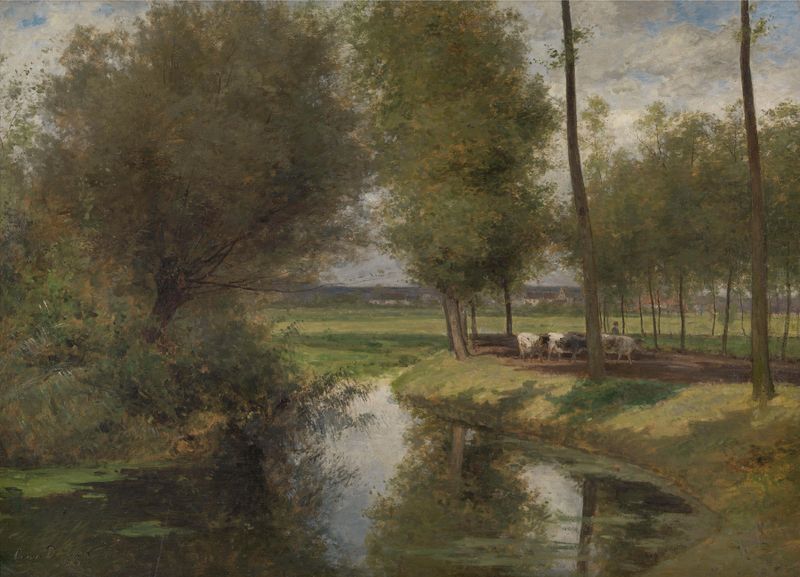
Landscape by the River Lys
César De Cock
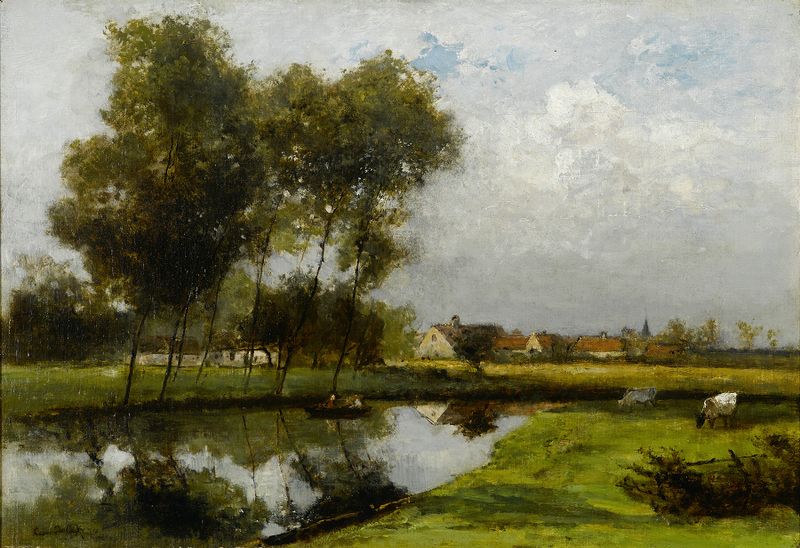
Bord de l’eau
César De Cock
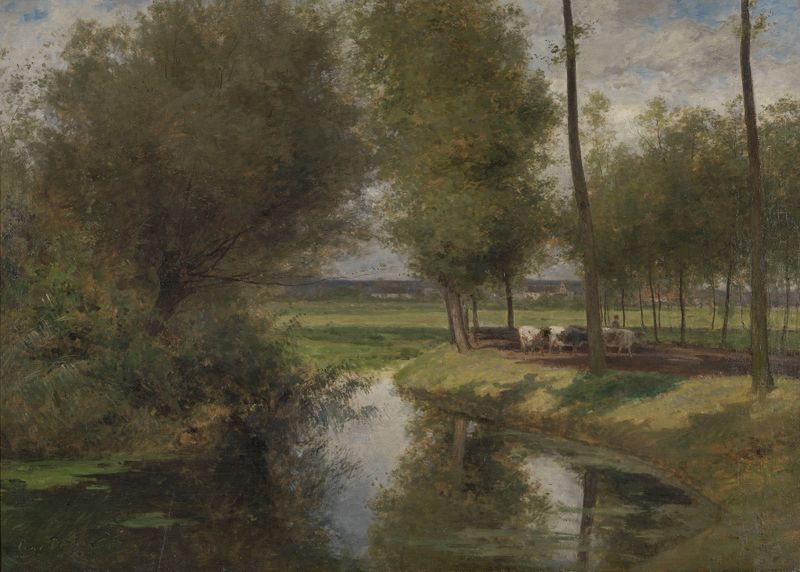
Landscape by the River Lys or The Road to the ‘Patijntje’ in Ghent
César De Cock
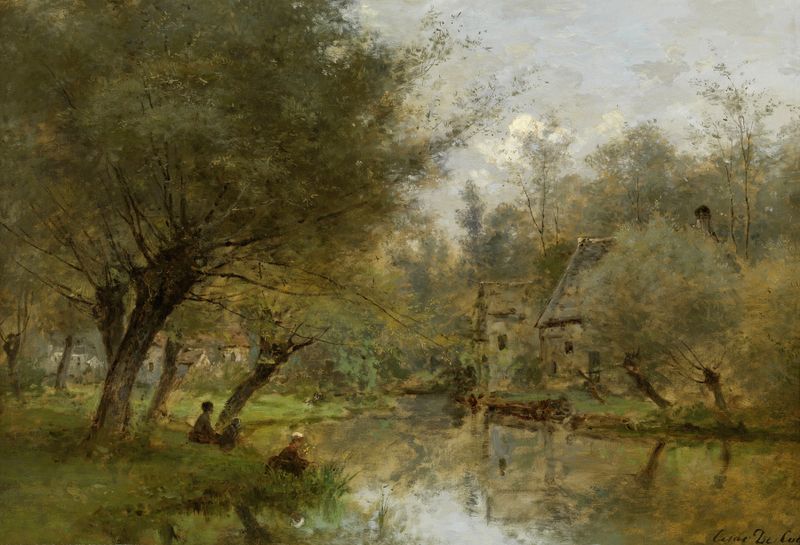
Landscape near Saint-Germain-en-Laye
César De Cock
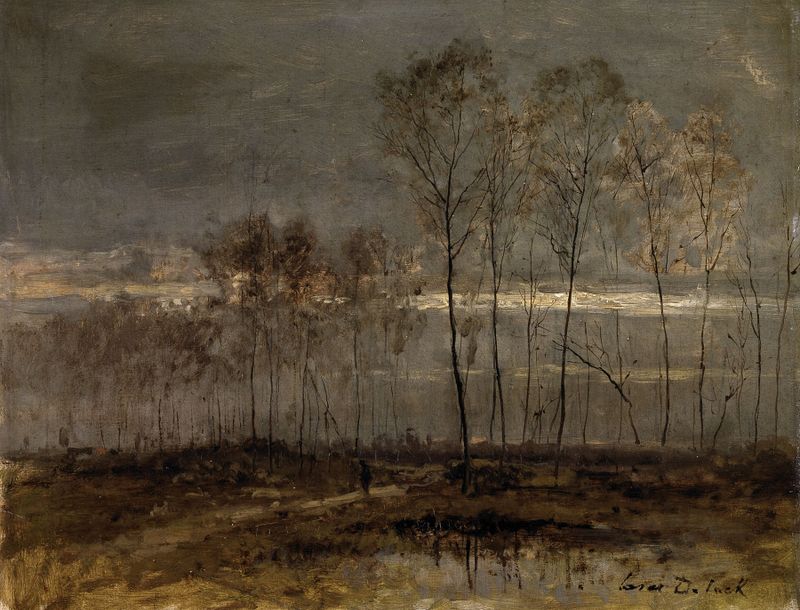
Landscape near Saint-Christophe (Normandy)
César De Cock
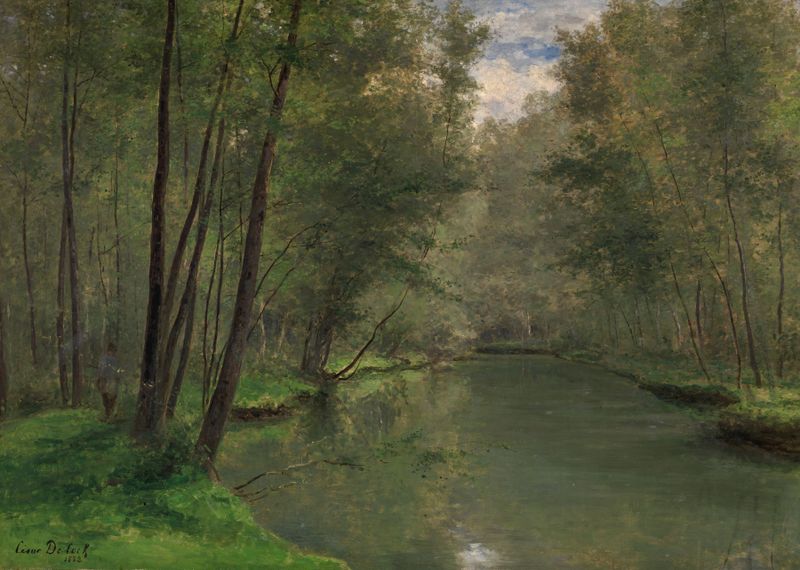
Along the River Epte in Gasny
César De Cock
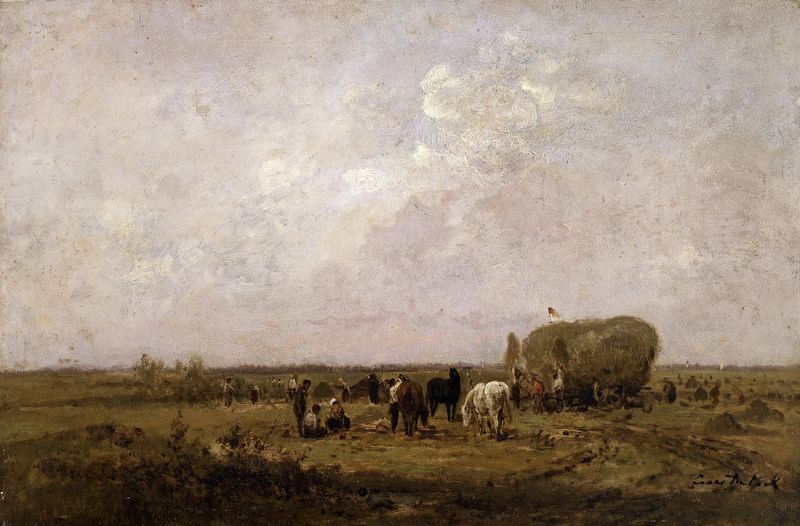
Haymaking
César De Cock
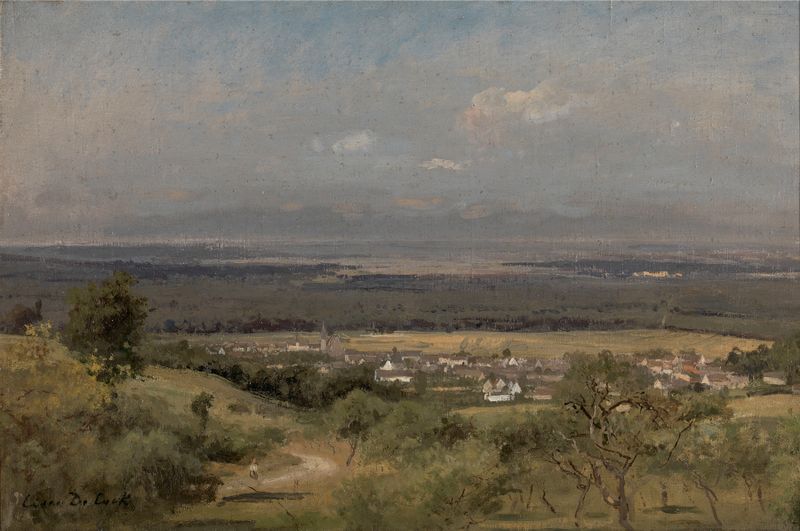
Landscape near Gasny (Normandy)
César De Cock





