
Bouquet in a Vase — History & Facts
What first catches the eye in Bouquet in a Vase by Antonín Hudeček is the exuberance of color, as if the painter has captured a moment when summer itself has burst into bloom indoors. The flowers crowd together in a dark, reflective vase, each petal rendered with quick, confident brushwork that suggests freshness and immediacy. The palette is a riot of pinks, yellows, purples, and greens, but the arrangement never feels chaotic—Hudeček orchestrates the bouquet so the viewer’s gaze dances from one blossom to the next, guided by the interplay of light and shadow.
The background, softly brushed in warm, muted tones, pushes the flowers forward, making their colors sing all the more. This is not a still life of quiet contemplation, but one that celebrates abundance and the fleeting beauty of nature brought indoors. Works like this found their place in the late nineteenth and early twentieth centuries, when artists across Europe turned to still life as a way to experiment with color, brushwork, and the effects of natural light. Antonín Hudeček, a Czech painter known for his landscapes and Impressionist sensibility, here channels the spirit of the era: such paintings were often commissioned to brighten bourgeois interiors, offering a touch of cultivated nature to city dwellers.
The origins and date of this particular bouquet remain obscure, as does its journey before entering the Dorotheum collection, but its lively brushwork and luminous palette speak to a moment when artists were eager to capture the world’s fleeting pleasures. Let your eye linger on the surface—the painter’s hand is still present in every stroke.
More Artworks by Antonín Hudeček
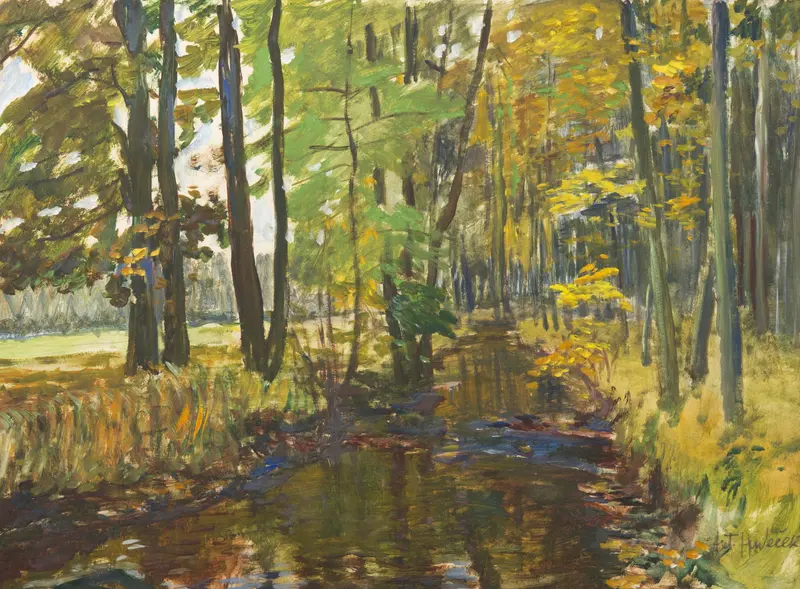
Brook In The Forest
Antonín Hudeček
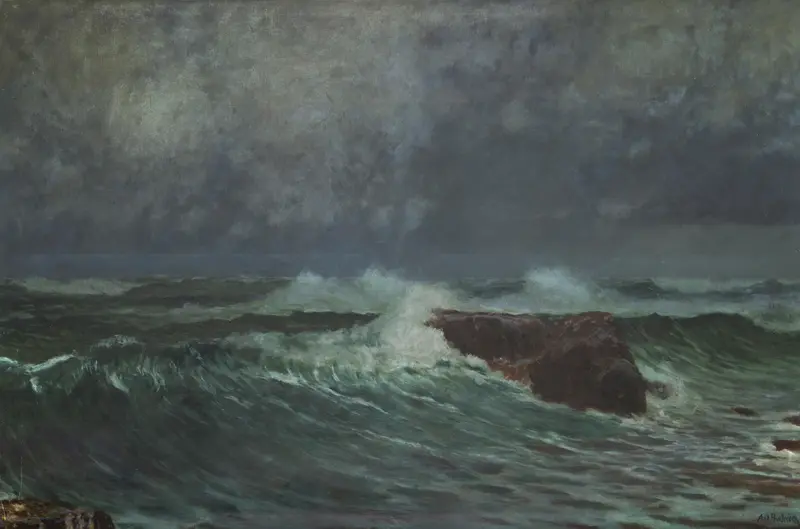
Before the Storm
Antonín Hudeček
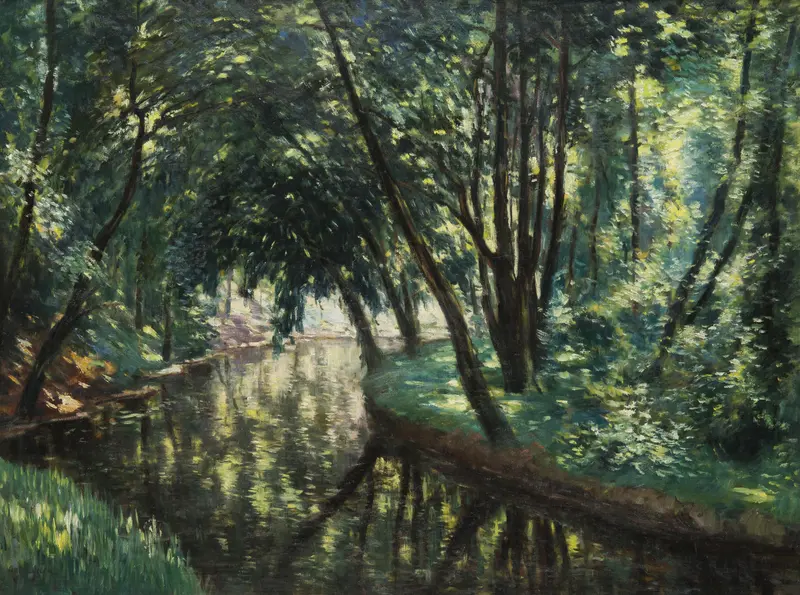
A Forest Still Life
Antonín Hudeček
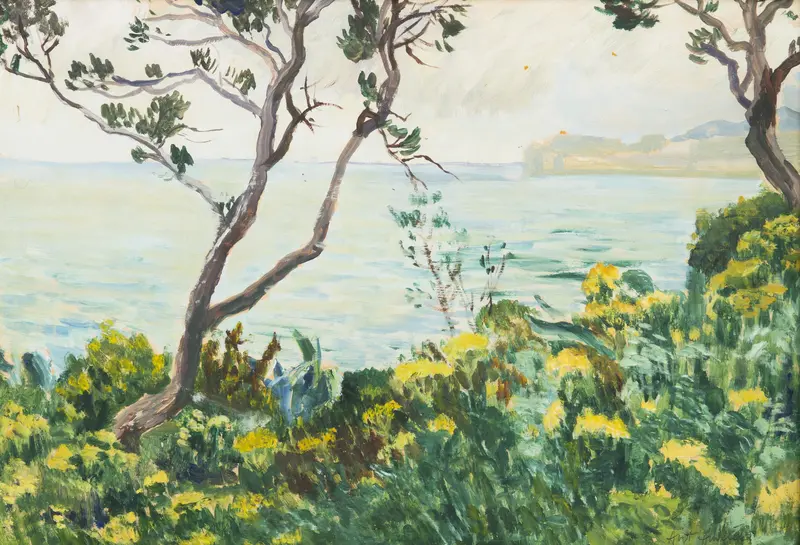
Seaside
Antonín Hudeček
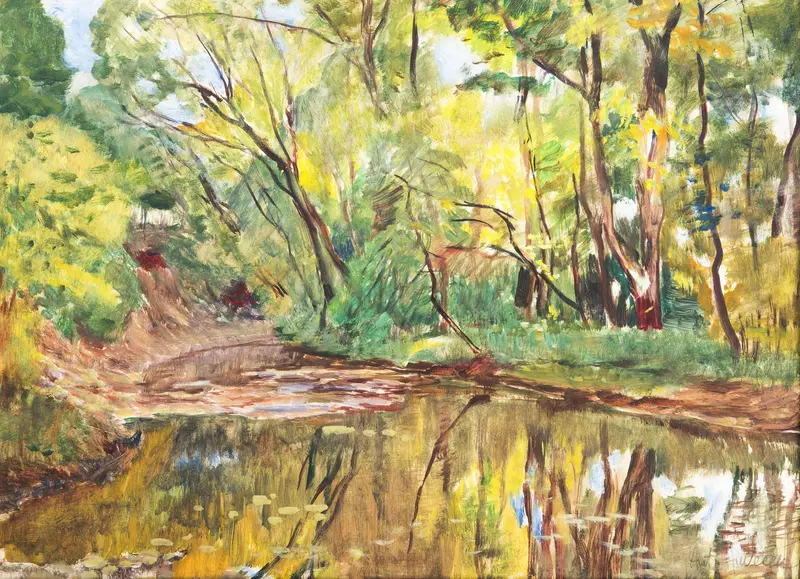
Brook In The Forest
Antonín Hudeček
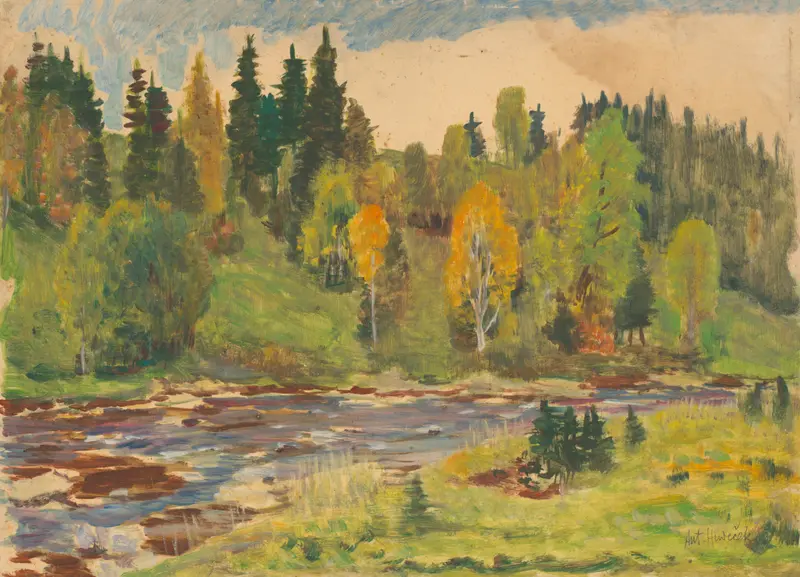
Krajina s potokom O 7009 Slovak National Gallery
Antonín Hudeček
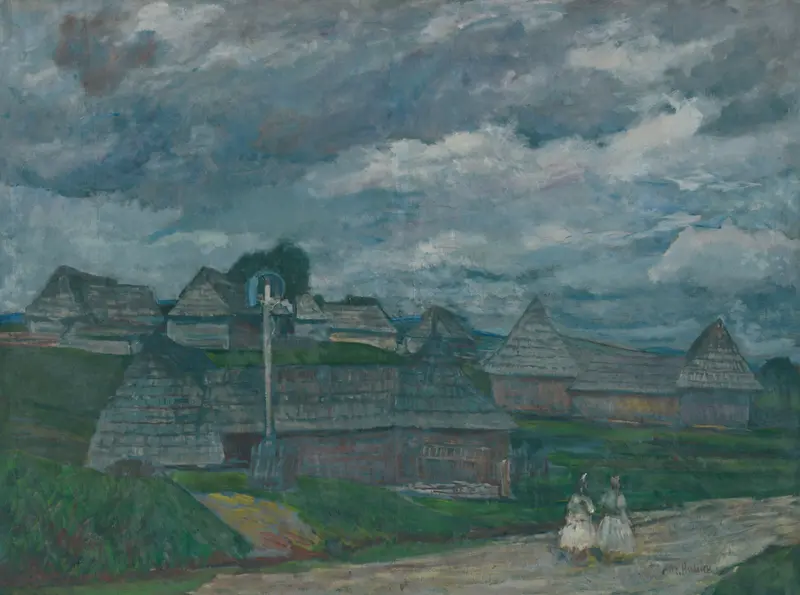
Motív z východného Slovenska O 1582 Slovak National Gallery
Antonín Hudeček
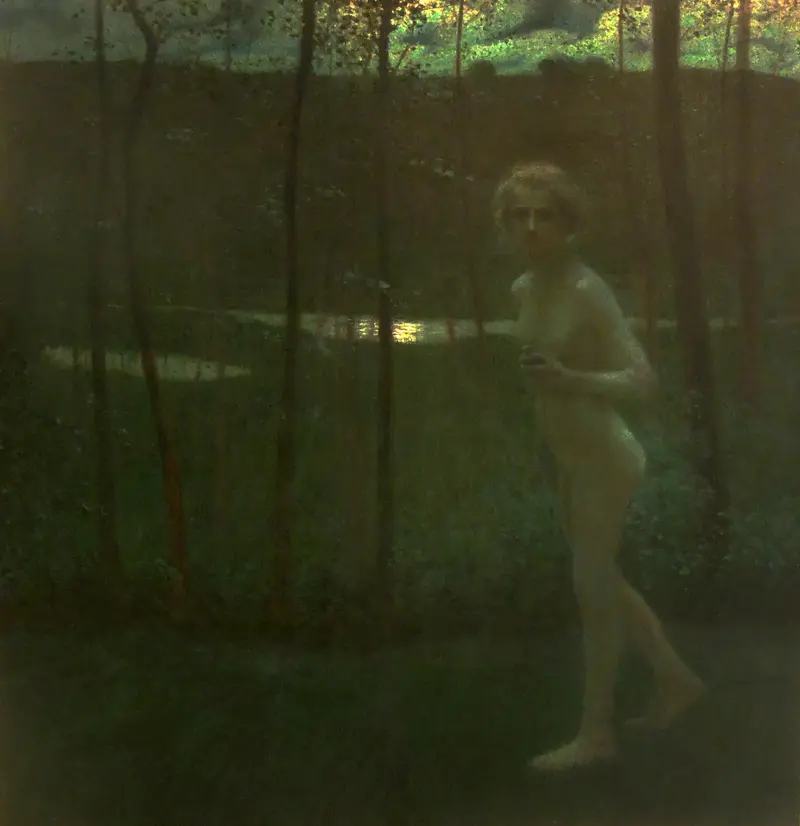
Psyche
Antonín Hudeček

Brook in the Forest II
Antonín Hudeček





