
Bow Church — History & Facts
Did the painter know this moment would outlive them? The fragile beauty of life, captured in a stillness that speaks volumes, often eludes the grasp of those who create it. Look to the left where the intricate facade of Bow Church rises, its gothic spires piercing the canvas. The delicate lines of the architecture contrast with the soft brushstrokes that suggest the movement of clouds above, hinting at a pending rain. Notice how the muted palette of grays and soft blues envelops the scene, allowing the church to command attention while evoking a sense of calm amidst the chaos of city life, reflected in the gentle ripples of the nearby river. Within this composition lies an exploration of endurance versus transience.
The church, a solid bastion of faith and history, stands resilient against the passage of time, while the surrounding elements—passersby, wispy clouds—evoke the fragility of existence. This juxtaposition invites viewers to reflect on what remains and what fades, creating a quiet tension between permanence and the fleeting nature of moments. In 1754, the artist created this work during a period marked by rapid urbanization and change in England. Living in a time when the Industrial Revolution was dawning, Nicholls captured a significant landmark that had stood for centuries, reflecting both the architectural heritage and the evolving landscape around it.
His choice to immortalize Bow Church in this delicate manner speaks to a desire to preserve the impermanence of life amidst an era of transformation.
More Artworks by Sutton Nicholls
Browse all →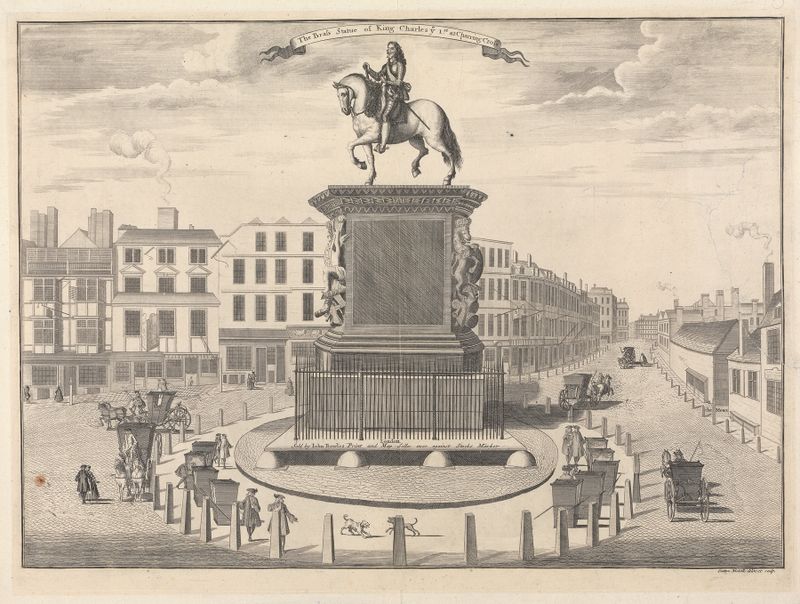
The Brass Statue of King Charles I at Charing Cross
Sutton Nicholls
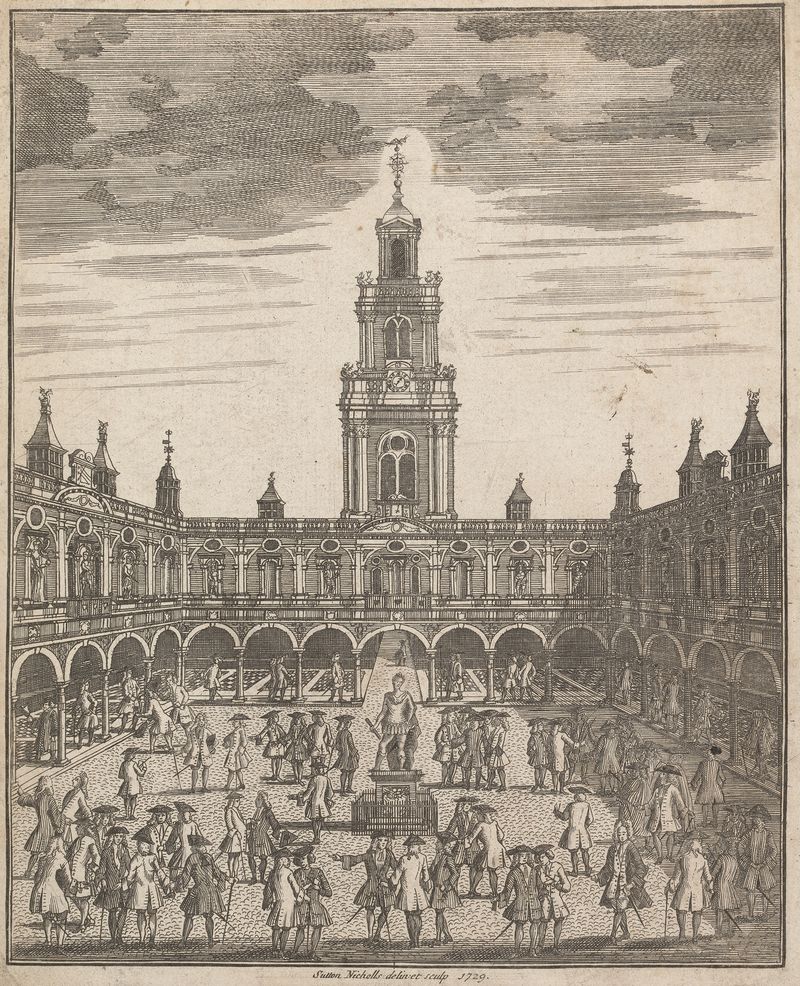
A View of the Royal Exchange Interior Court
Sutton Nicholls
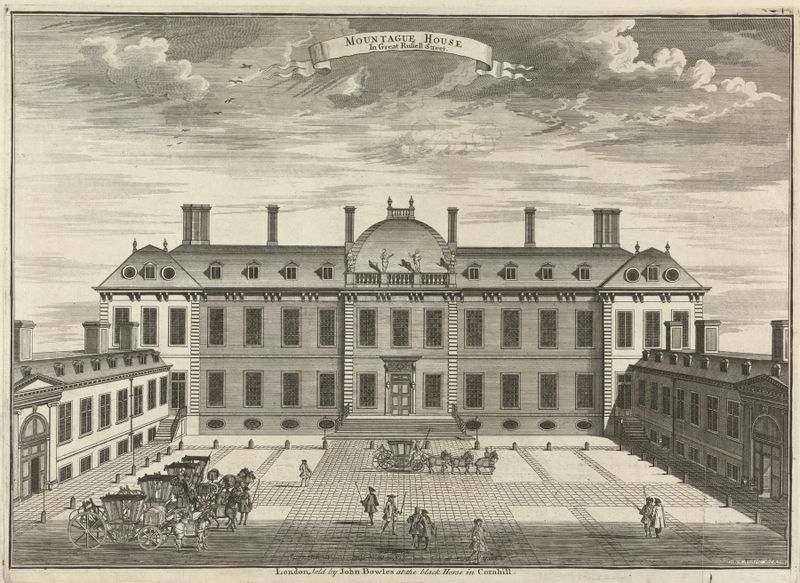
Montague House
Sutton Nicholls
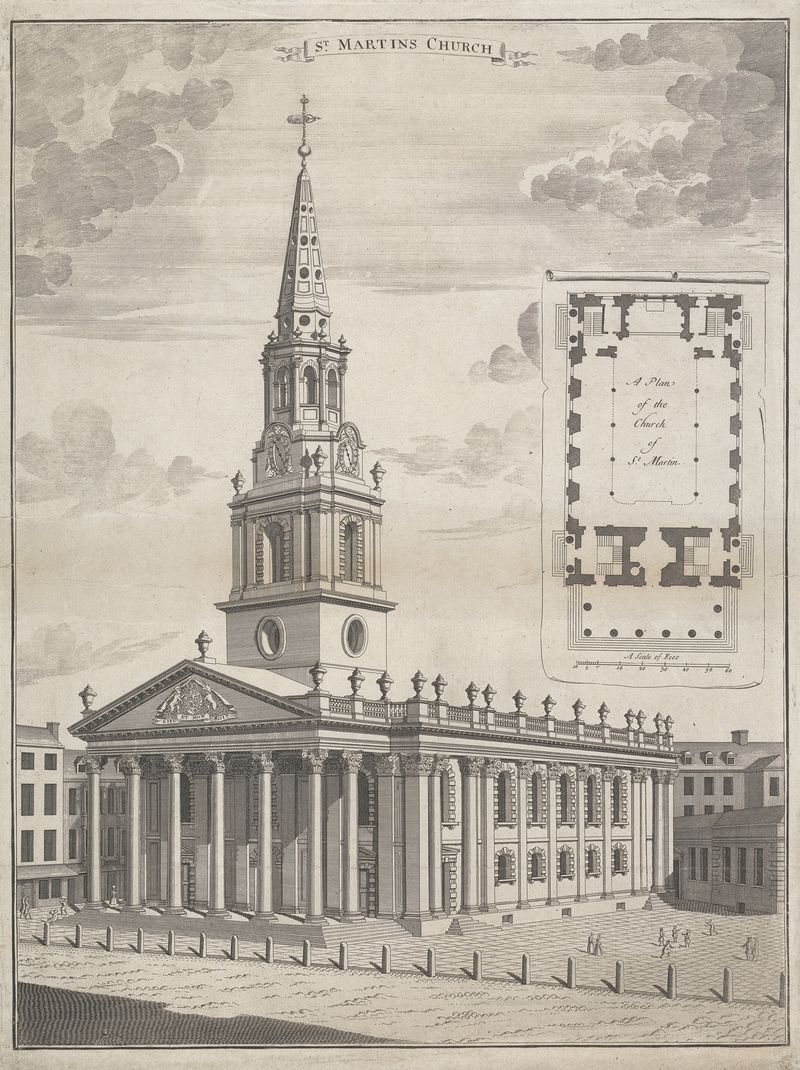
St. Martin’s Church
Sutton Nicholls
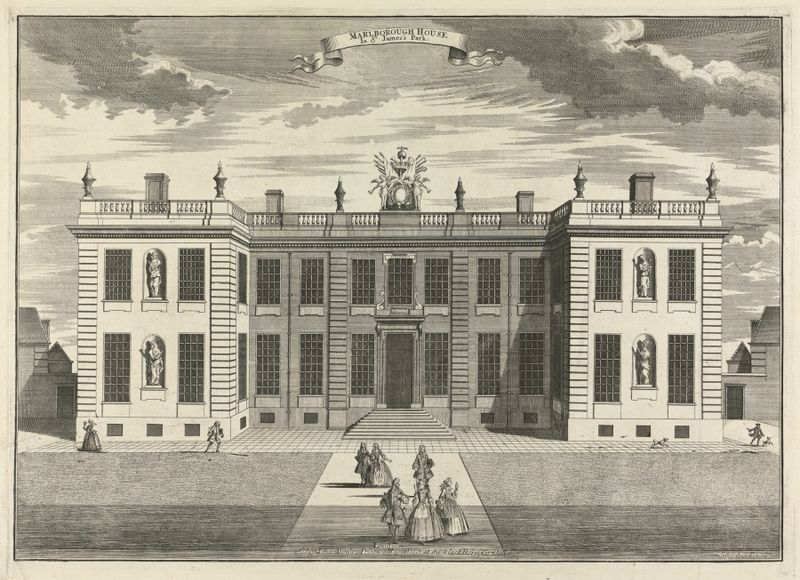
Marlborough House
Sutton Nicholls
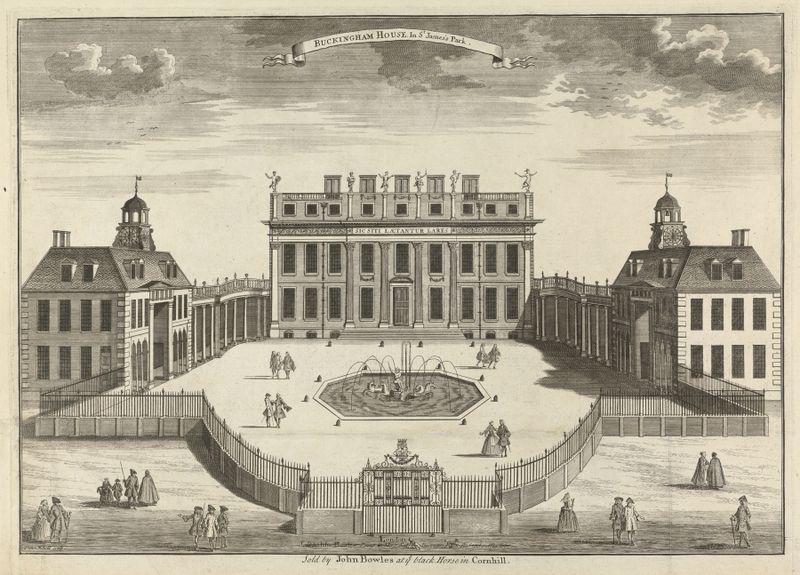
Buckingham House
Sutton Nicholls
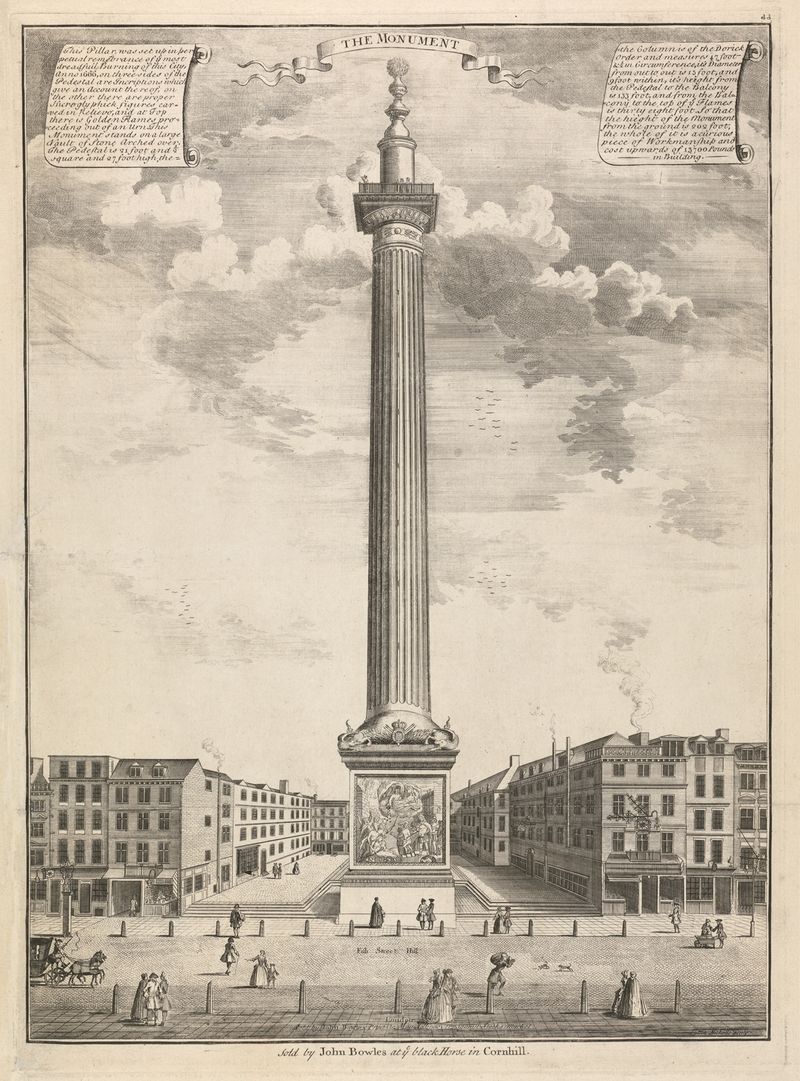
The Monument
Sutton Nicholls
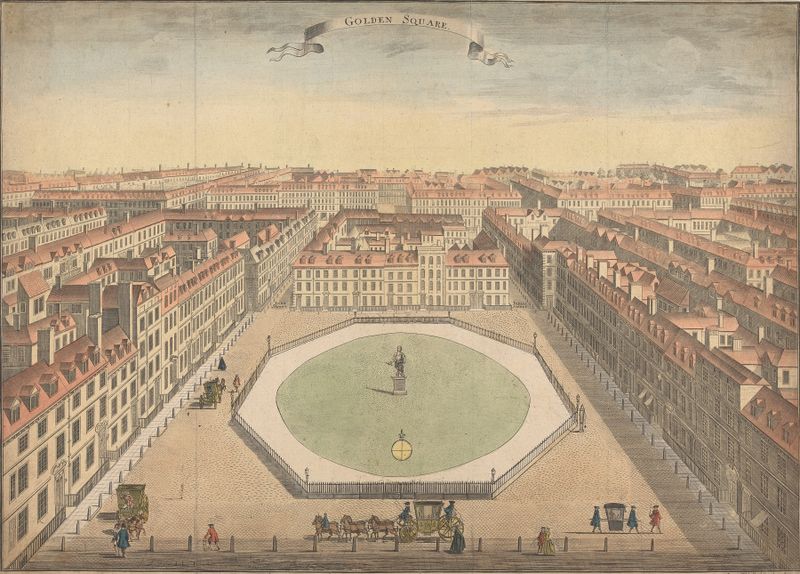
Golden Square
Sutton Nicholls
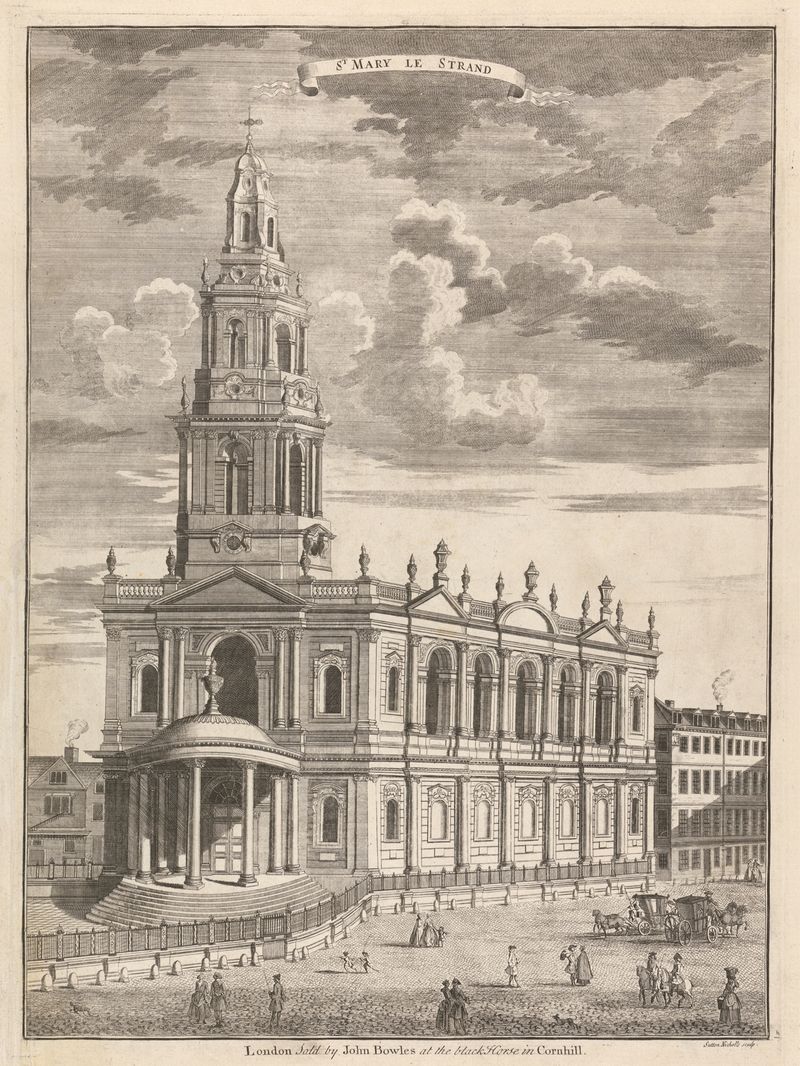
St. Mary le Strand
Sutton Nicholls

Charter-House Square for Stowes Surrey
Sutton Nicholls
More Architecture Art
Browse all →
The statue of Liberty
Frédéric Auguste Bartholdi

View of Houses in Delft, Known as ‘The Little Street’
Johannes Vermeer

View of Houses in Delft, Known as ‘The Little Street’
Johannes Vermeer

The Cathedral in Rouen. The portal, Grey Weather
Claude Monet

The yellow house
Vincent van Gogh

The Church in Auvers-sur-Oise, View from the Chevet
Vincent van Gogh