
Buckingham House — History & Facts
Can paint confess what words never could? In Buckingham House, silence envelops the grandeur of architecture, whispering tales of its storied past. Look to the center of the canvas, where the imposing façade of the house stands resolute against a sky scattered with soft clouds. The meticulous detail invites the eye to explore every window and doorway, revealing the craftsmanship of the time. Notice how the subtle interplay of light and shadow enhances the textures of the stonework, giving the house a sense of weight and permanence, while the lush greenery surrounding it offers a contrast that breathes life into the structure. Delve deeper into the layers of meaning—the house, while a symbol of wealth and power, also represents isolation through its stark, unyielding form.
The absence of human figures points to a narrative of solitude, suggesting that behind its elegant exterior lies an echo of untold stories. The serene environment, punctuated by the quiet elegance of the architecture, evokes a tension between beauty and loneliness, inviting contemplation of what remains unseen. Sutton Nicholls painted Buckingham House between 1731 and 1748, during a period marked by the flourishing of British architecture and an increasing fascination with landscape artistry. Living in London, he was influenced by the growing appreciation for the opulence of urban buildings and their gardens amidst the rapid changes of the time.
Nicholls’ work reflects both the grandeur of the era and the subtleties of the human experience, capturing a moment that speaks to the silence surrounding prosperity.
More Artworks by Sutton Nicholls
Browse all →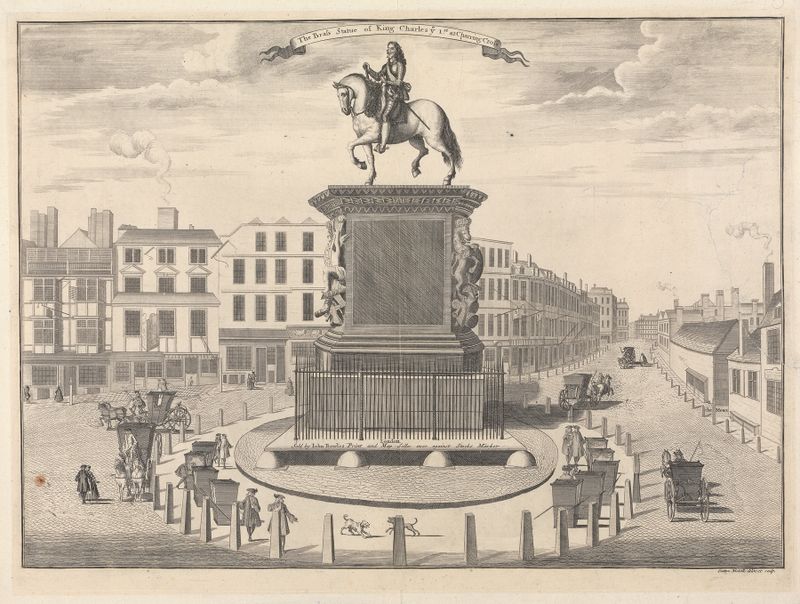
The Brass Statue of King Charles I at Charing Cross
Sutton Nicholls
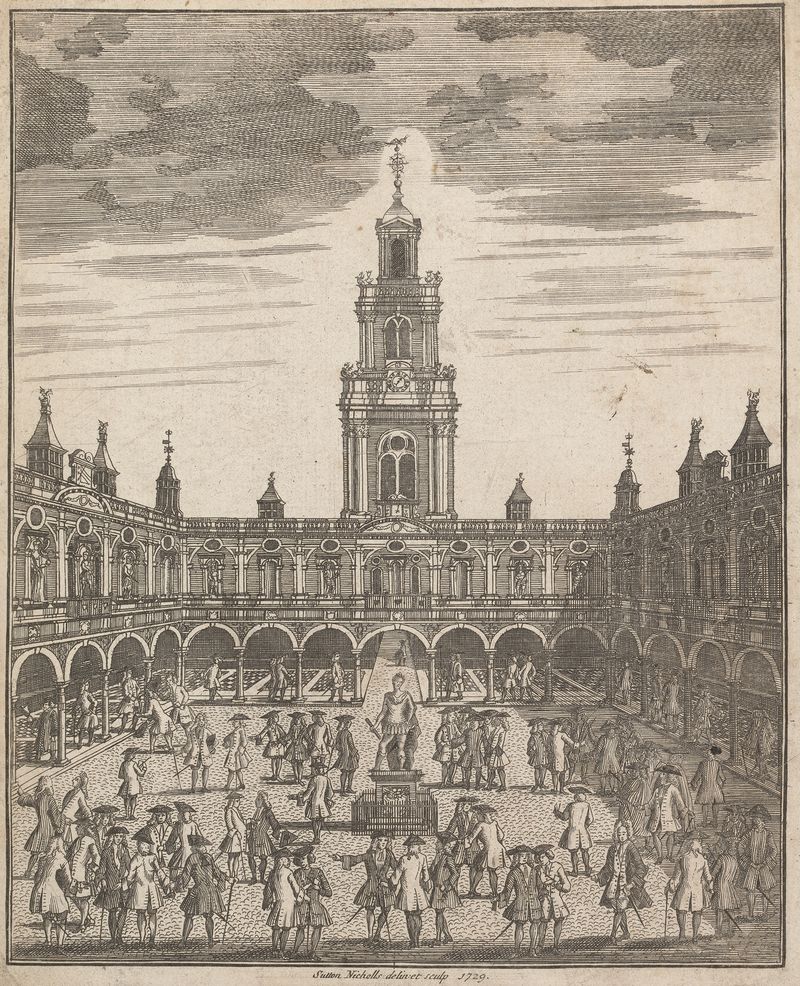
A View of the Royal Exchange Interior Court
Sutton Nicholls
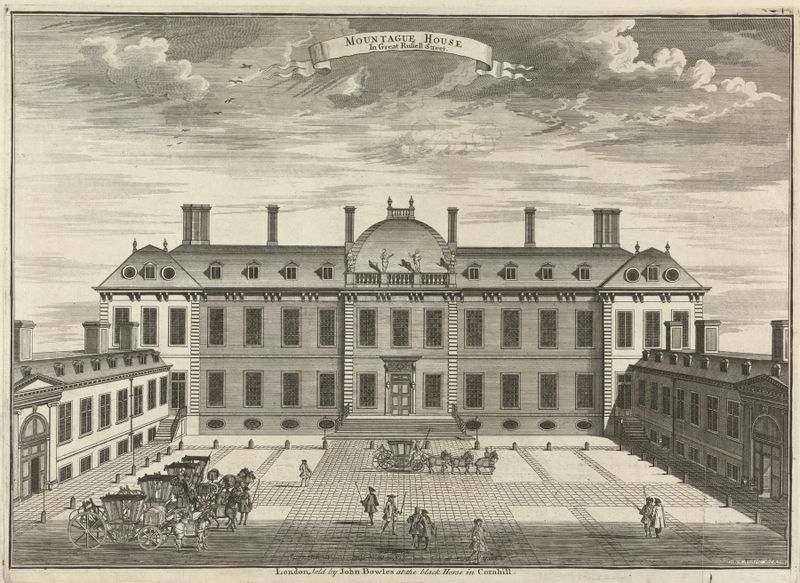
Montague House
Sutton Nicholls
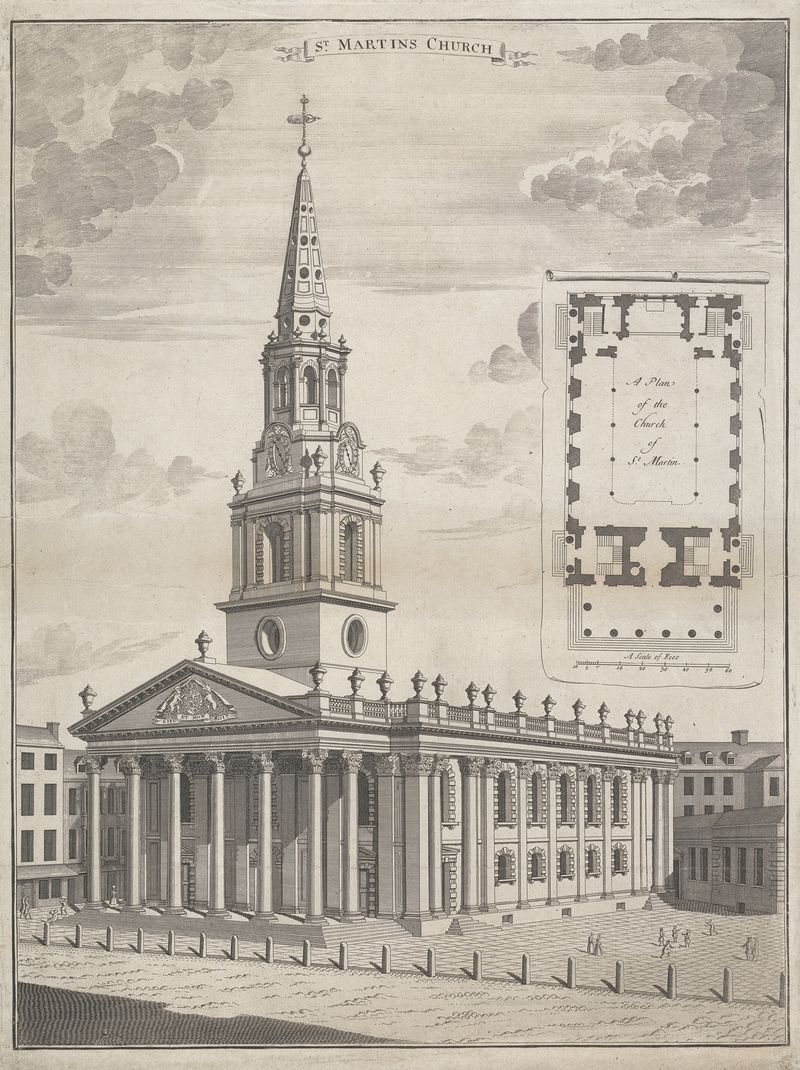
St. Martin’s Church
Sutton Nicholls
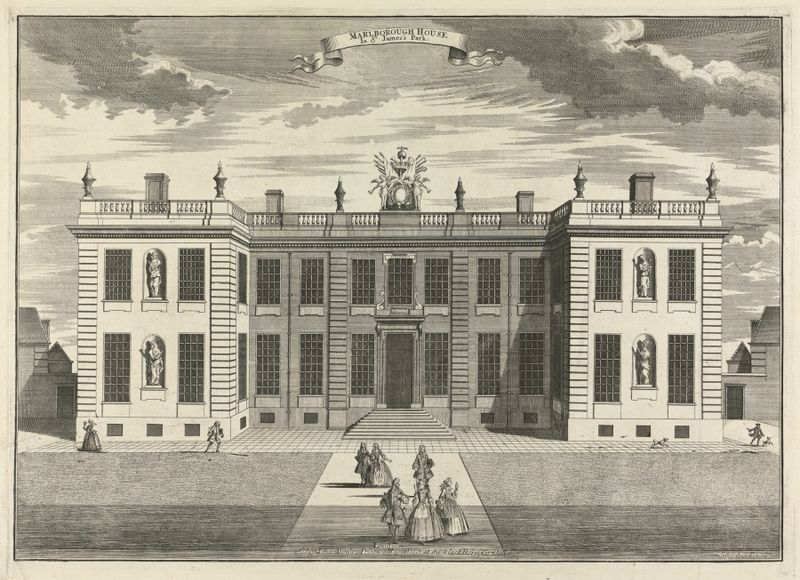
Marlborough House
Sutton Nicholls
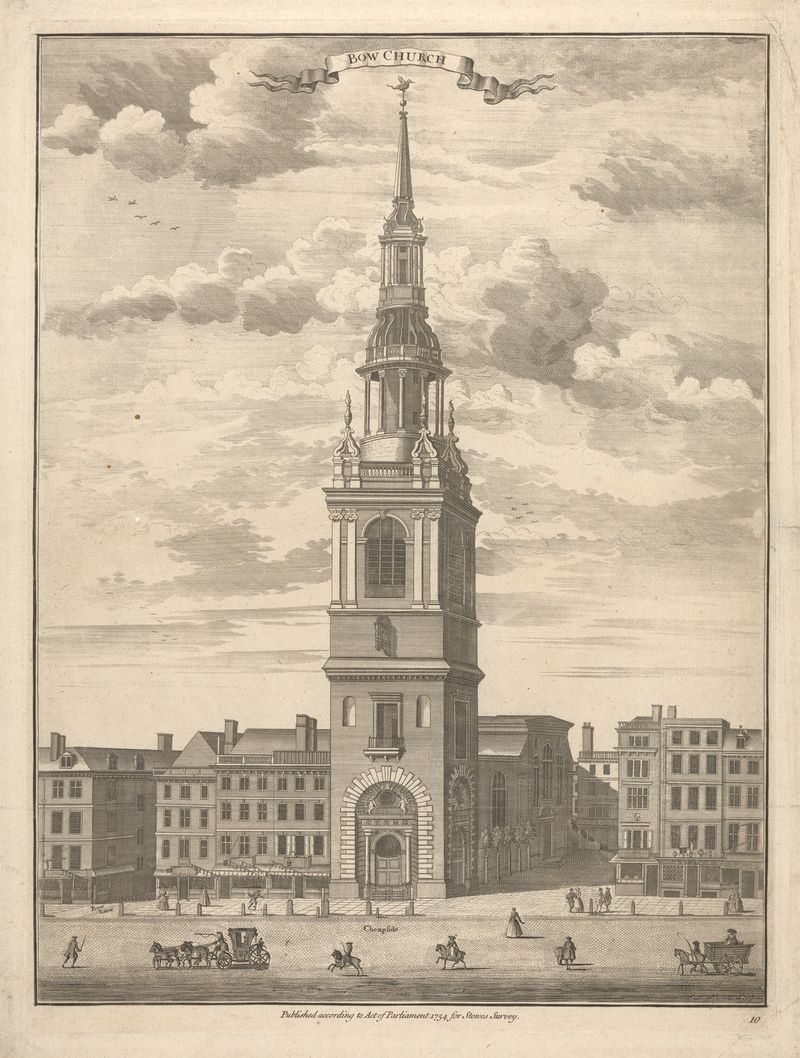
Bow Church
Sutton Nicholls
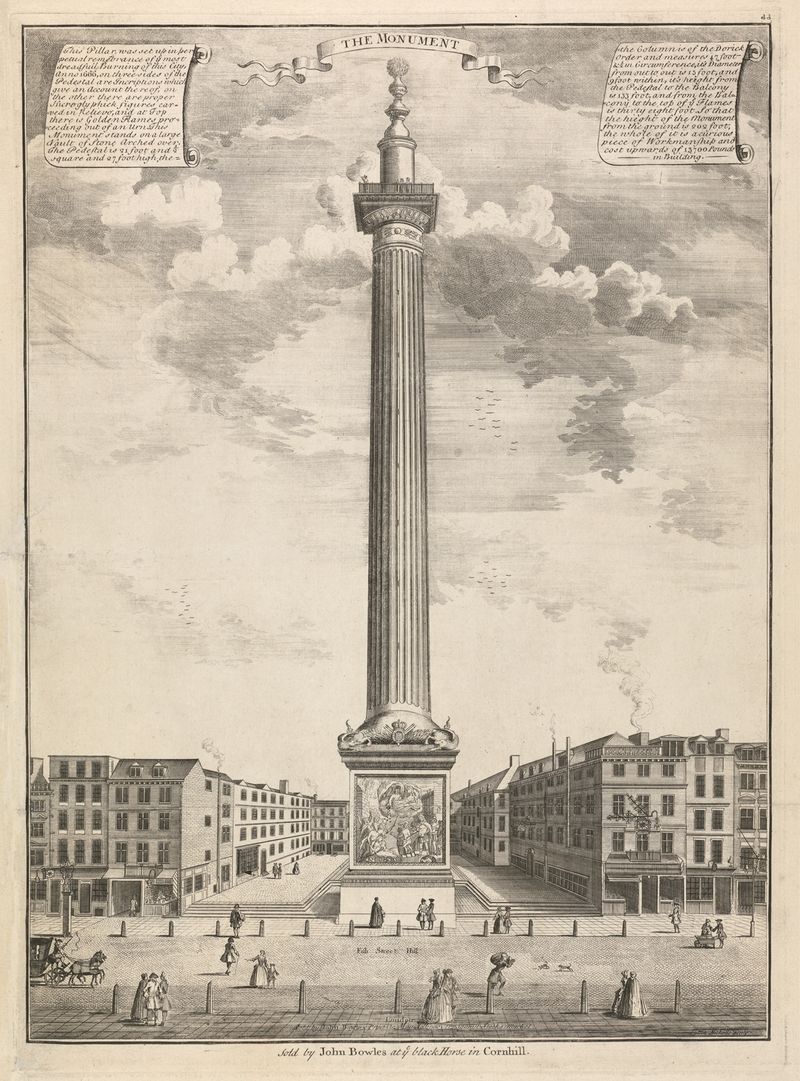
The Monument
Sutton Nicholls
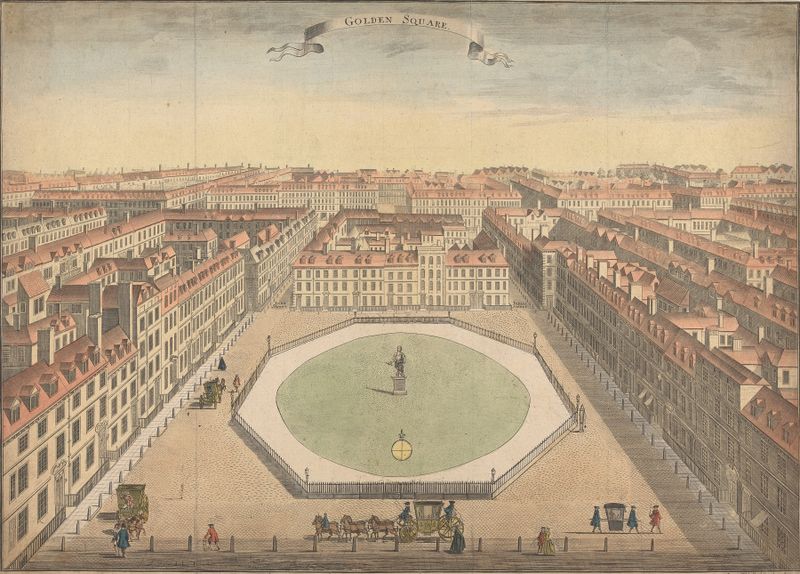
Golden Square
Sutton Nicholls
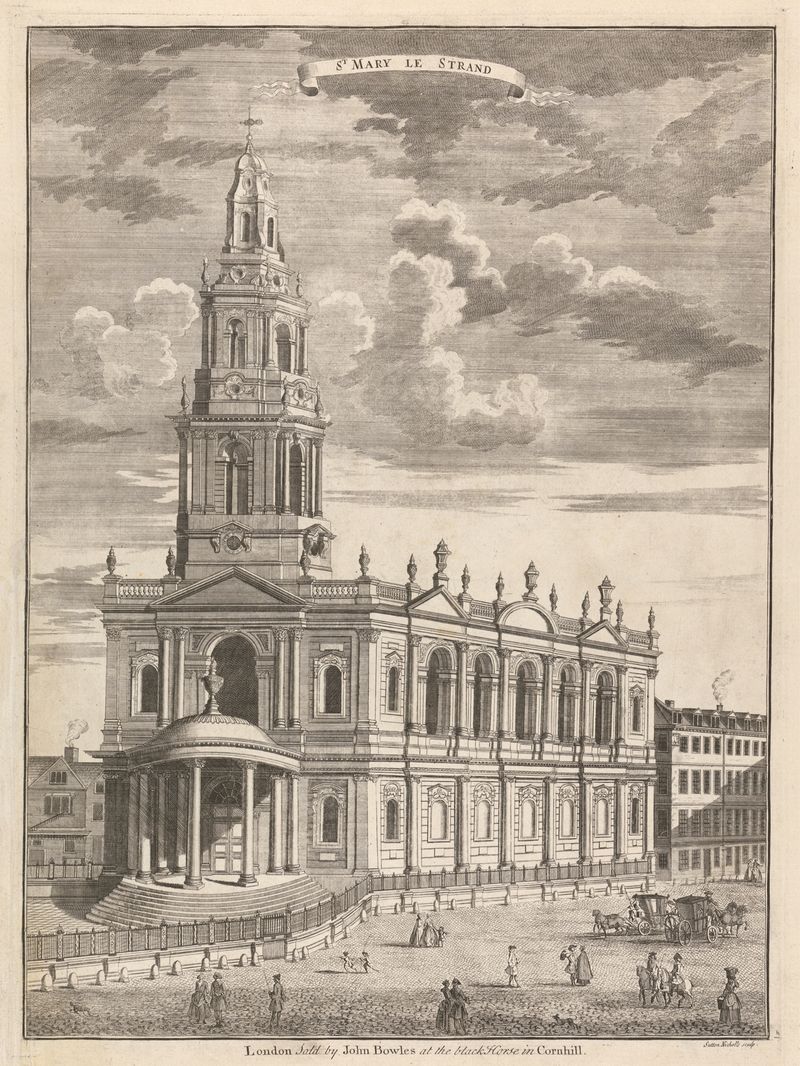
St. Mary le Strand
Sutton Nicholls

Charter-House Square for Stowes Surrey
Sutton Nicholls
More Architecture Art
Browse all →
The statue of Liberty
Frédéric Auguste Bartholdi

View of Houses in Delft, Known as ‘The Little Street’
Johannes Vermeer

View of Houses in Delft, Known as ‘The Little Street’
Johannes Vermeer

The Cathedral in Rouen. The portal, Grey Weather
Claude Monet

The yellow house
Vincent van Gogh

The Church in Auvers-sur-Oise, View from the Chevet
Vincent van Gogh