
Montague House — History & Facts
Did the painter know this moment would outlive them? In Montague House, a palpable emptiness looms, echoing the transience of life against the backdrop of architectural grandeur. Focus on the expansive facade of the house, where elegant columns rise majestically under a delicate sky. The soft pastel hues dominate the scene, creating a serene atmosphere that belies the underlying melancholy. Notice how the light cascades down, illuminating the crisp angles and casting gentle shadows that whisper of stories untold.
The meticulous detailing of the structure draws the eye, revealing intricate textures that speak of both beauty and decay. As you delve deeper, consider the juxtaposition of the grandeur of the house against the quiet, almost desolate landscape that surrounds it. The absence of life instills a sense of isolation, a reminder of the impermanence woven into the fabric of existence. Each brushstroke captures a moment frozen in time, filled with echoes of laughter and memories that have faded into silence, suggesting that even the most magnificent edifices cannot escape their inevitable fate. Created between 1731 and 1748, the artist crafted this piece during a time when the British art scene was evolving, marked by growing interest in landscape and architectural subjects.
Nicholls was immersed in a period that celebrated the interplay of nature and humanity, yet his choice to depict a solitary house hints at a deeper reflection on solitude and the passage of time.
More Artworks by Sutton Nicholls
Browse all →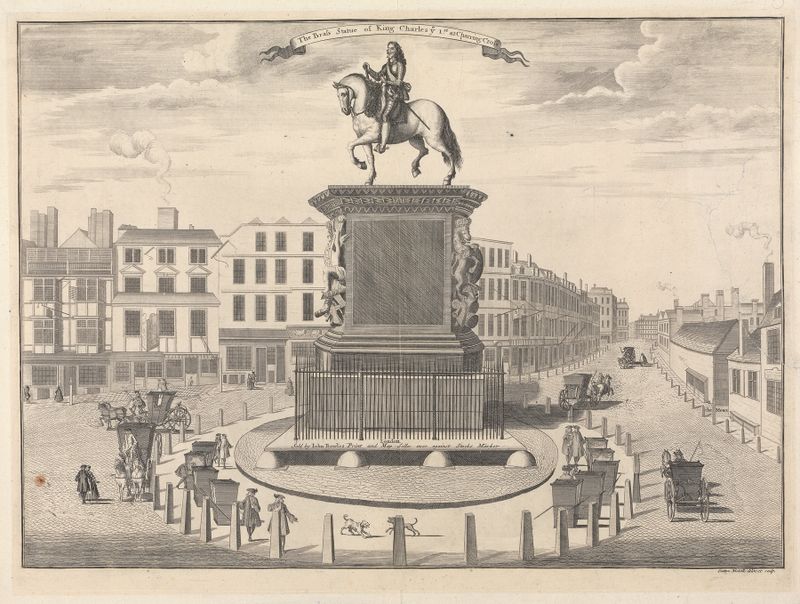
The Brass Statue of King Charles I at Charing Cross
Sutton Nicholls
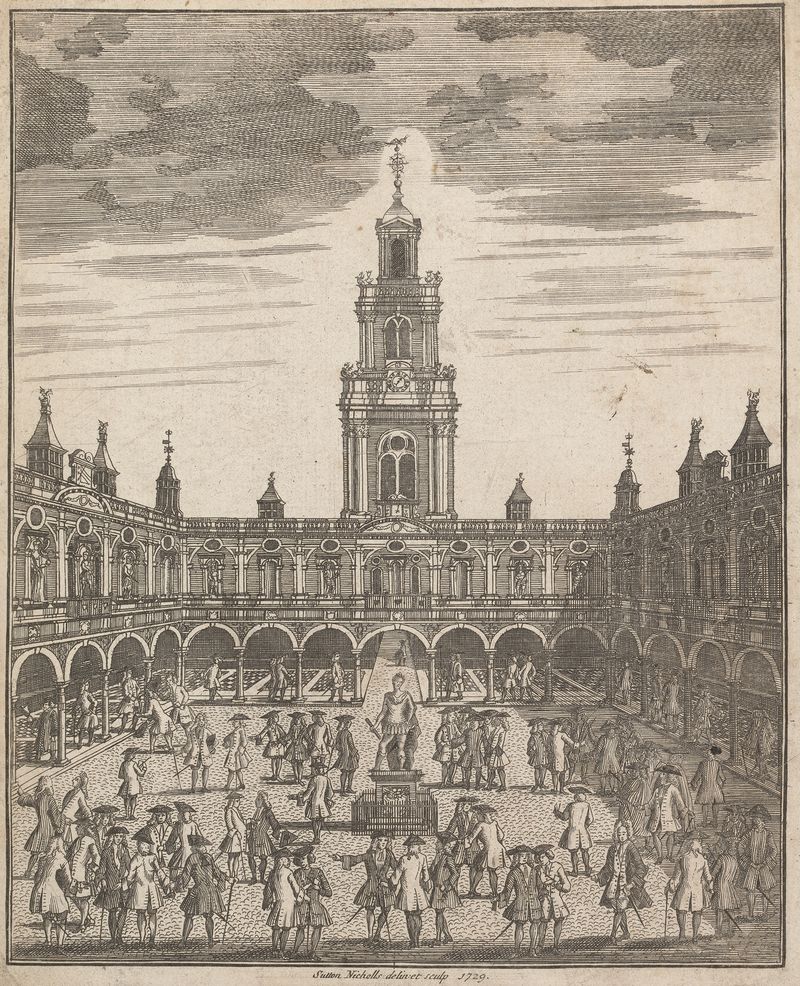
A View of the Royal Exchange Interior Court
Sutton Nicholls
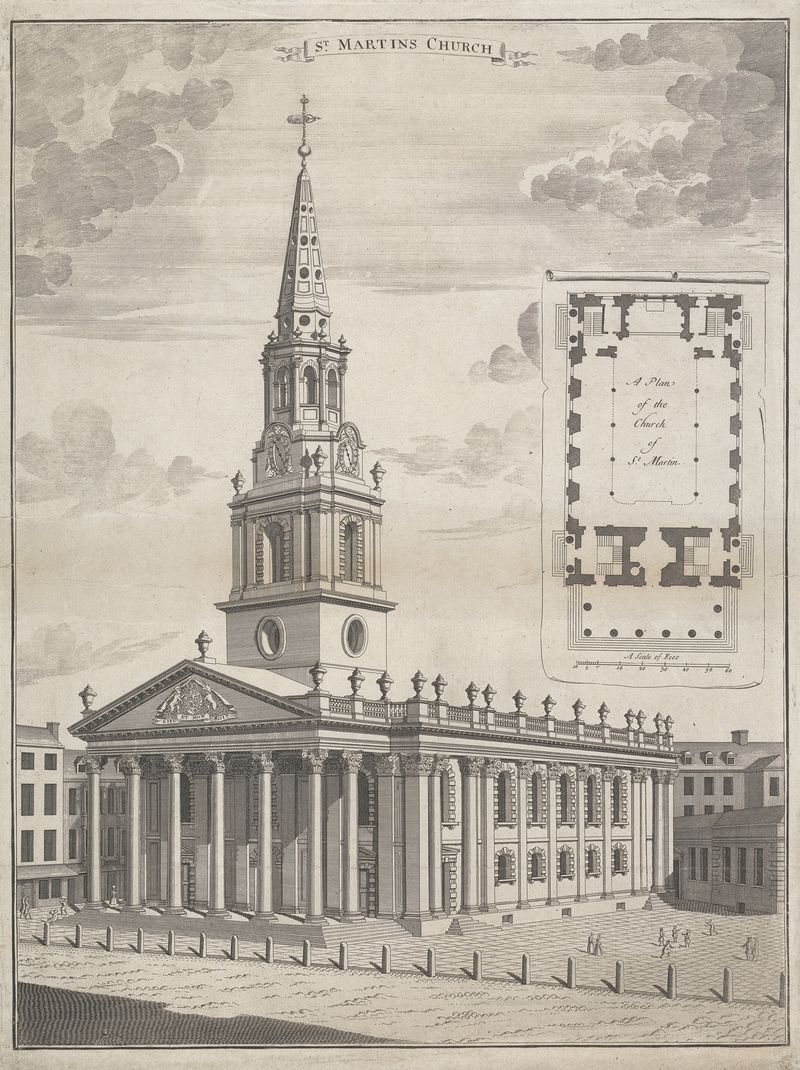
St. Martin’s Church
Sutton Nicholls
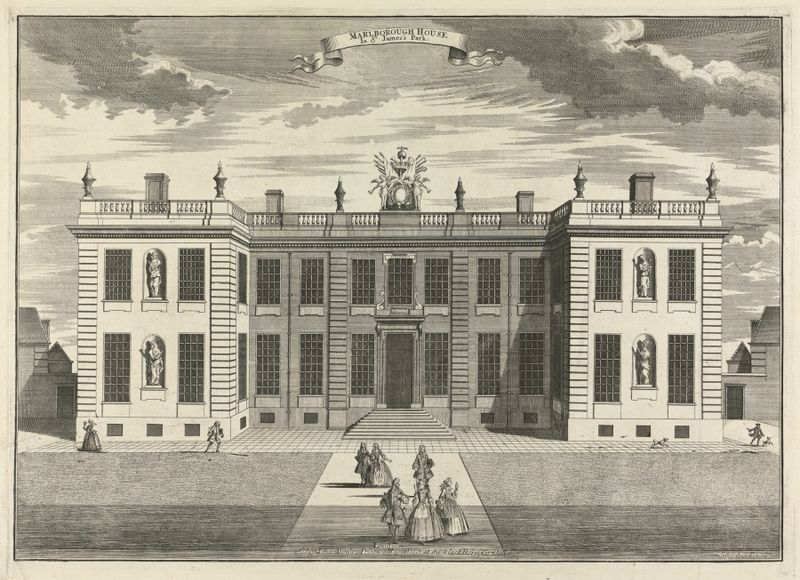
Marlborough House
Sutton Nicholls
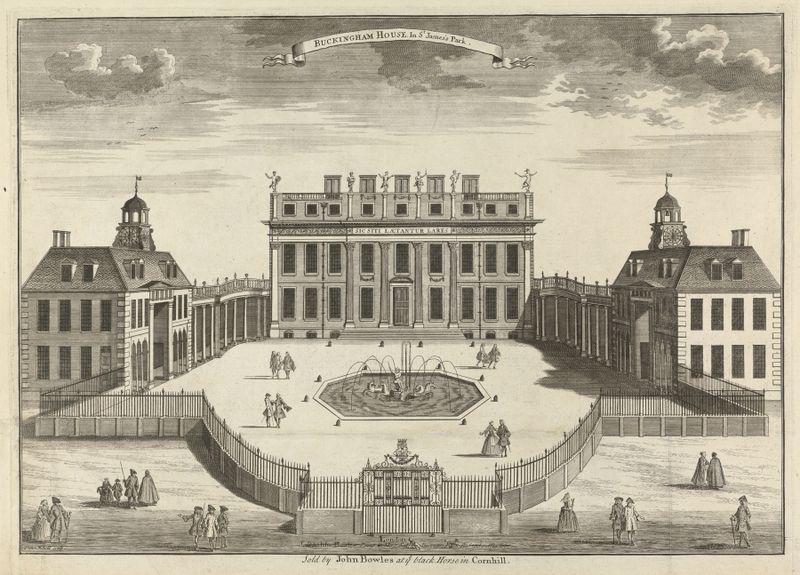
Buckingham House
Sutton Nicholls
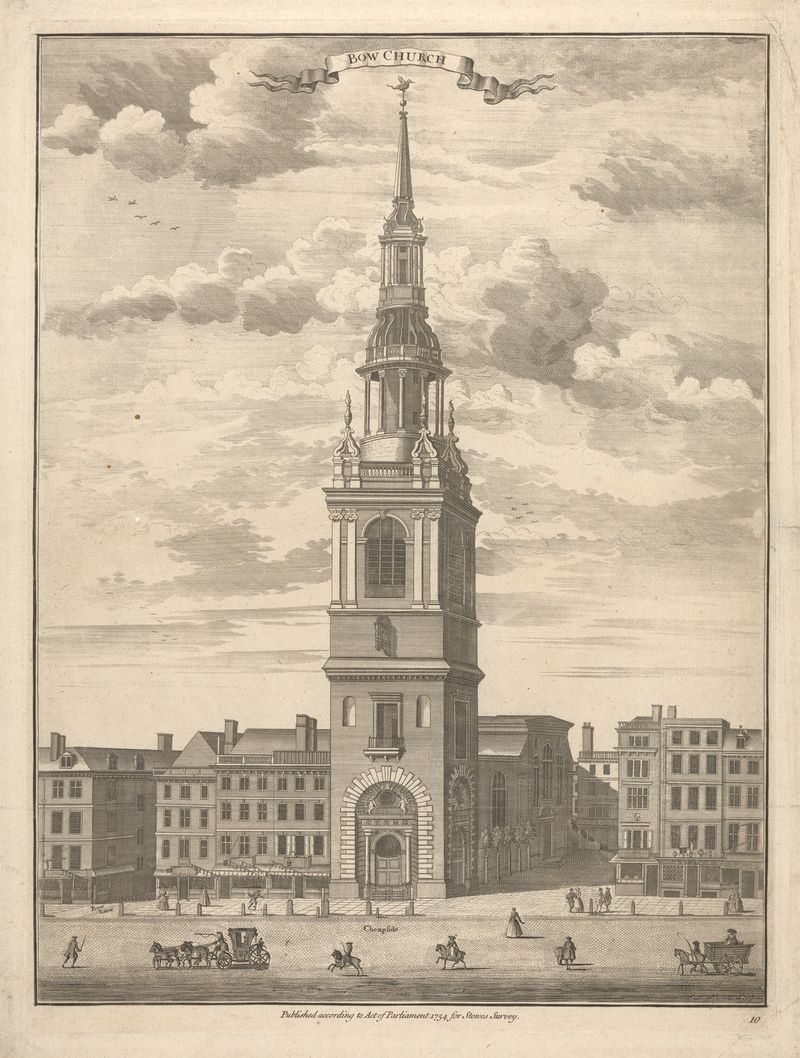
Bow Church
Sutton Nicholls
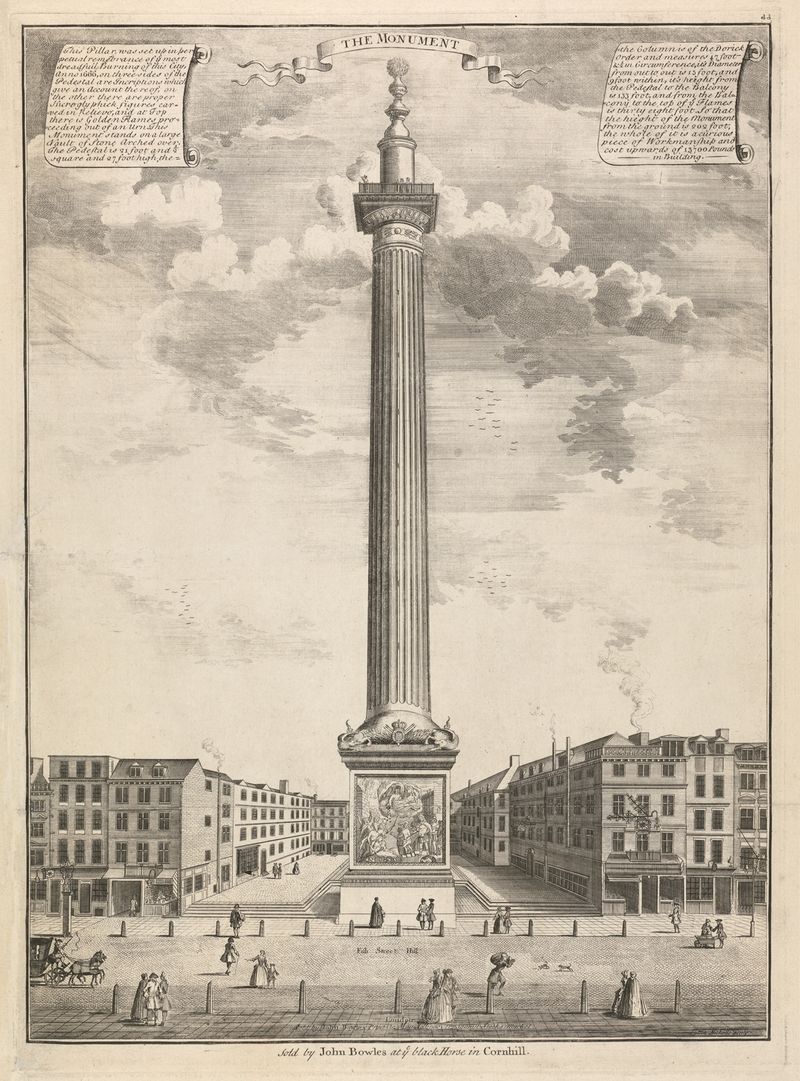
The Monument
Sutton Nicholls
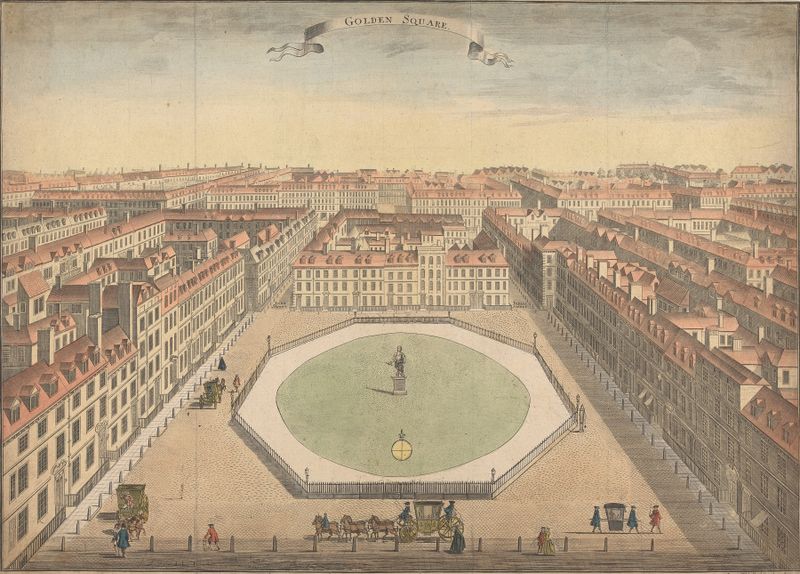
Golden Square
Sutton Nicholls
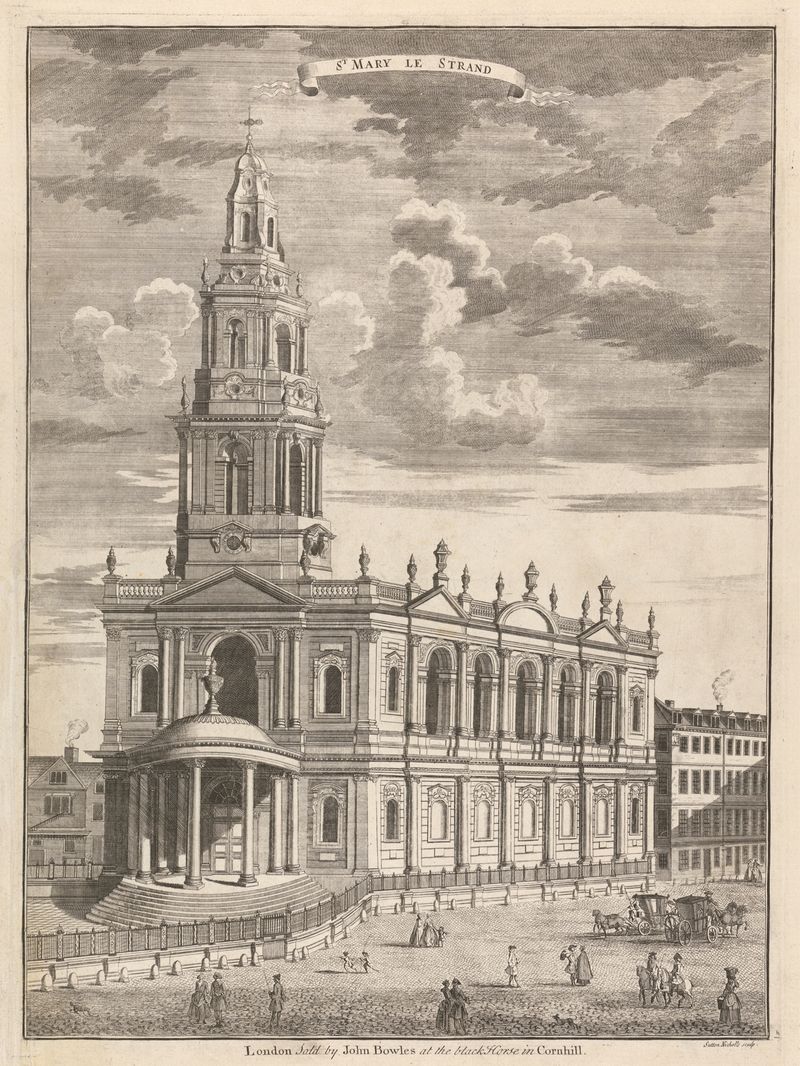
St. Mary le Strand
Sutton Nicholls

Charter-House Square for Stowes Surrey
Sutton Nicholls
More Architecture Art
Browse all →
The statue of Liberty
Frédéric Auguste Bartholdi

View of Houses in Delft, Known as ‘The Little Street’
Johannes Vermeer

View of Houses in Delft, Known as ‘The Little Street’
Johannes Vermeer

The Cathedral in Rouen. The portal, Grey Weather
Claude Monet

The yellow house
Vincent van Gogh

The Church in Auvers-sur-Oise, View from the Chevet
Vincent van Gogh