
Marlborough House — History & Facts
In the balance of absence and presence, a void beckons the viewer to contemplate the unseen. Look to the center of the canvas, where the soft blue sky melds seamlessly into the muted greens of the surrounding landscape. The delicate brushstrokes create a sense of tranquility, inviting your gaze to linger in the serene expanse, while subtle hints of architectural elements emerge, suggesting the presence of Marlborough House. The careful placement of light not only illuminates the scene but also bathes it in a quietude that feels both comforting and haunting. As you explore the edges of the painting, notice the contrasts between the lush greenery and the stark architectural lines.
The gentle flow of nature bends around the rigid structure, embodying the tension of human existence within the natural world. This interplay draws forth feelings of nostalgia and longing, as if evoking a history of what once was, or perhaps what could have been—a reflection on the voids we encounter in life. Creating this piece during an undefined period, the artist was likely influenced by a blend of classical tradition and emerging Romantic ideals. Sutton Nicholls crafted his landscapes to reflect a deep appreciation for the English countryside, while at the same time responding to the shifting tides of artistic expression in his era.
Though the exact date of this work remains a mystery, it serves as a testament to the enduring power of place and memory in art.
More Artworks by Sutton Nicholls
Browse all →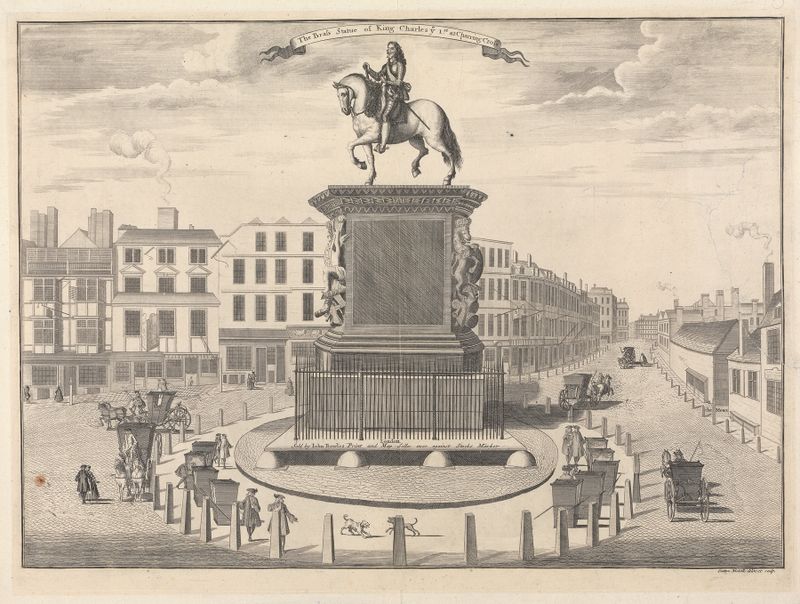
The Brass Statue of King Charles I at Charing Cross
Sutton Nicholls
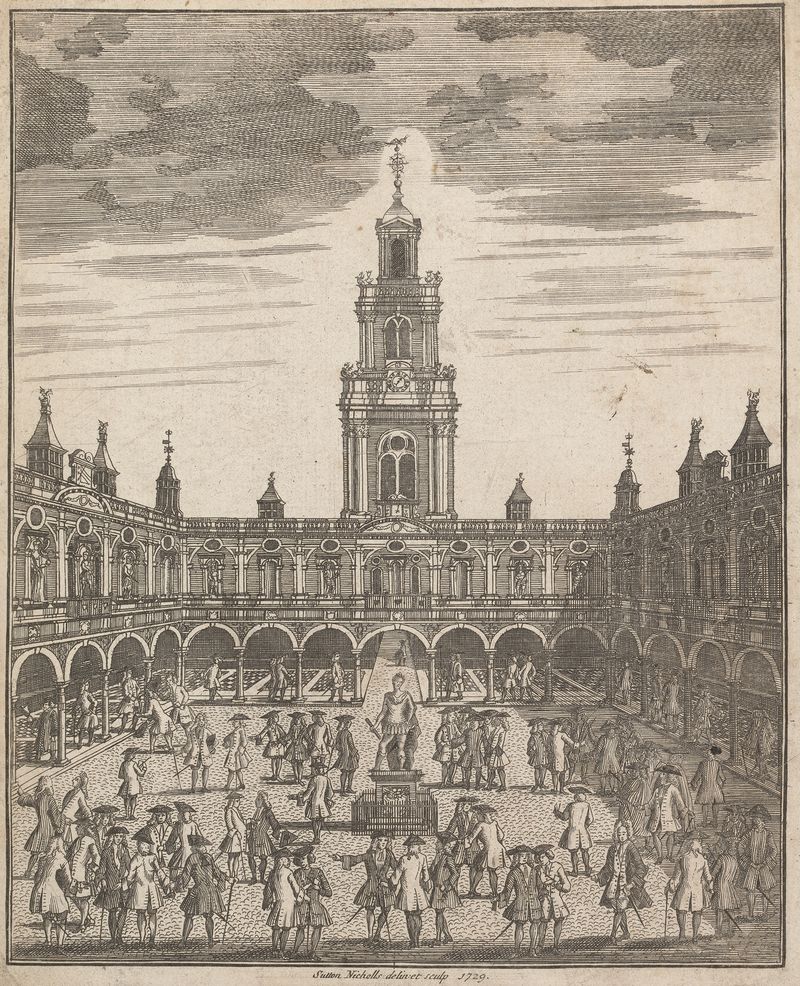
A View of the Royal Exchange Interior Court
Sutton Nicholls
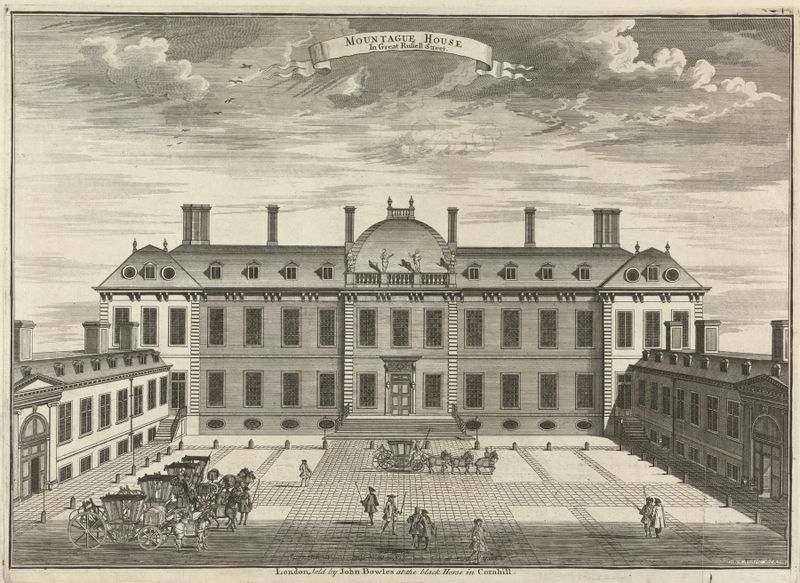
Montague House
Sutton Nicholls
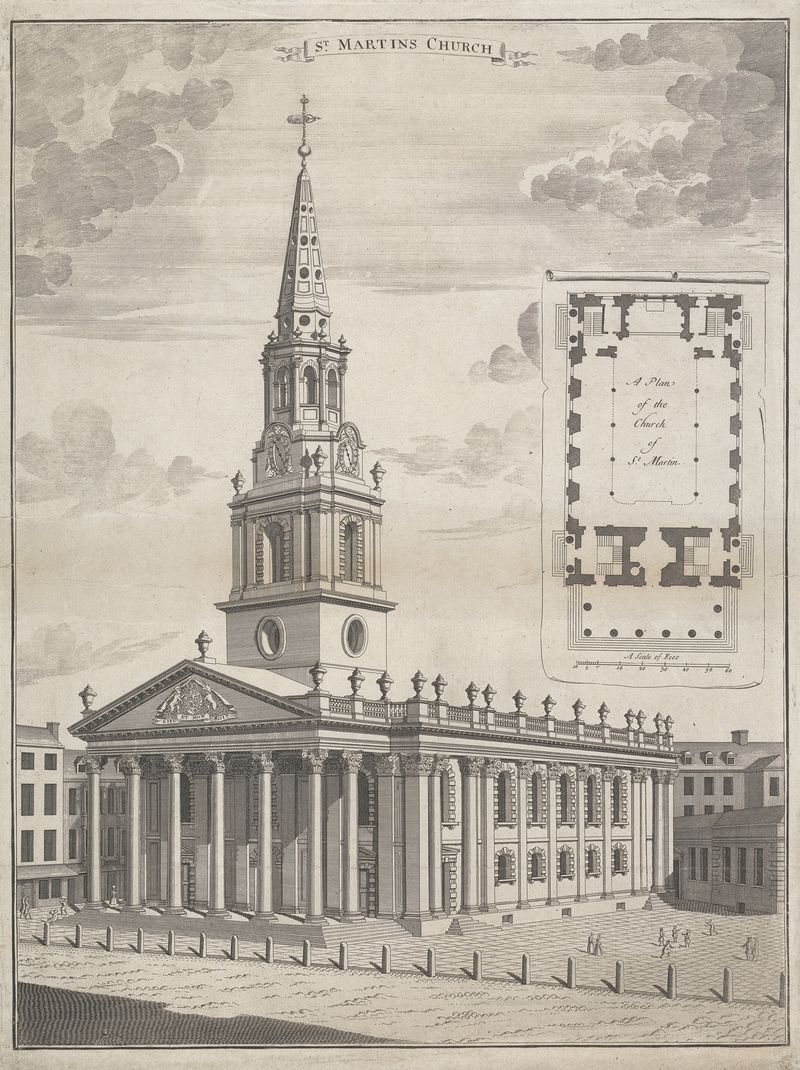
St. Martin’s Church
Sutton Nicholls
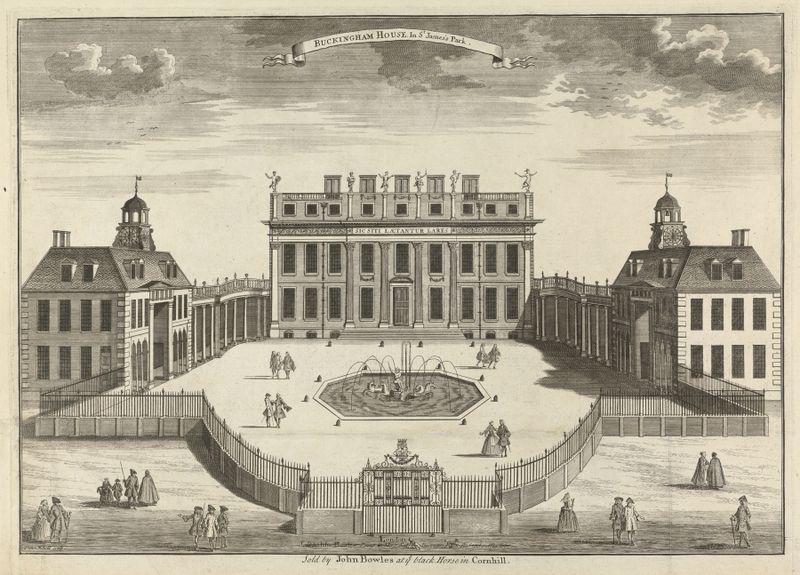
Buckingham House
Sutton Nicholls
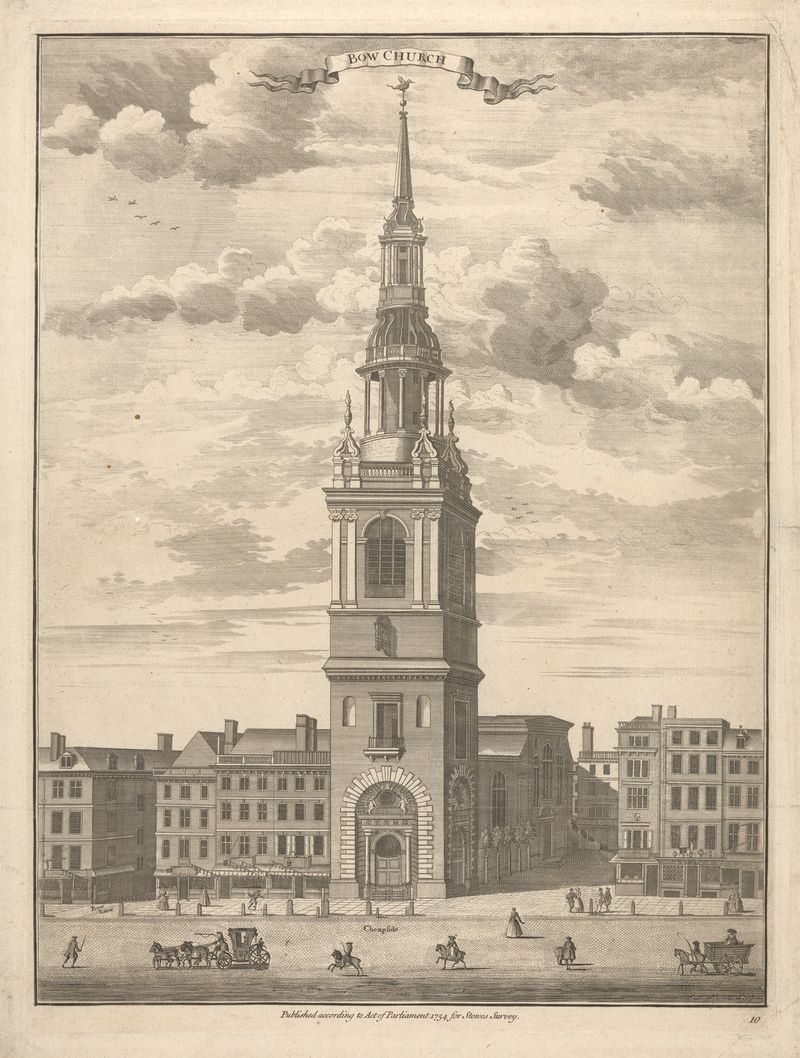
Bow Church
Sutton Nicholls
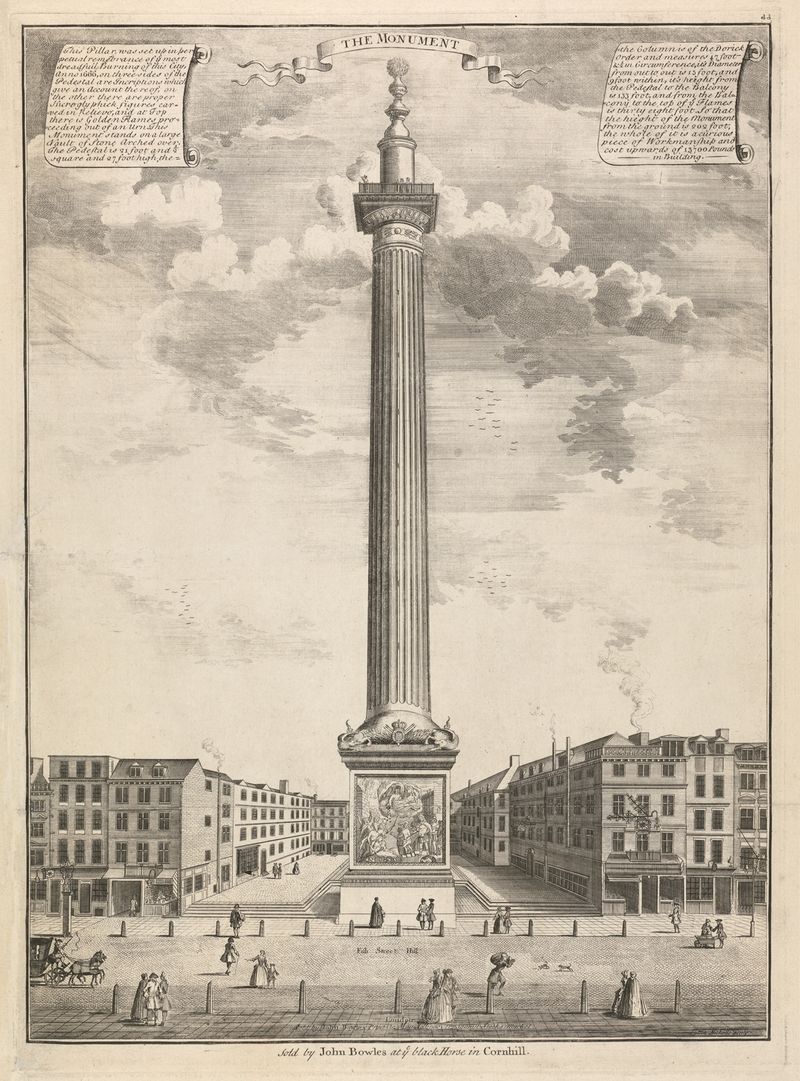
The Monument
Sutton Nicholls
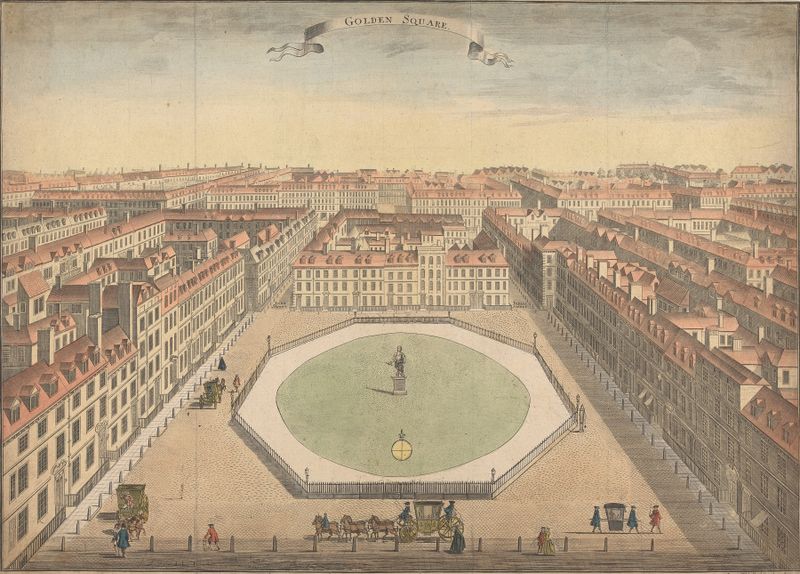
Golden Square
Sutton Nicholls
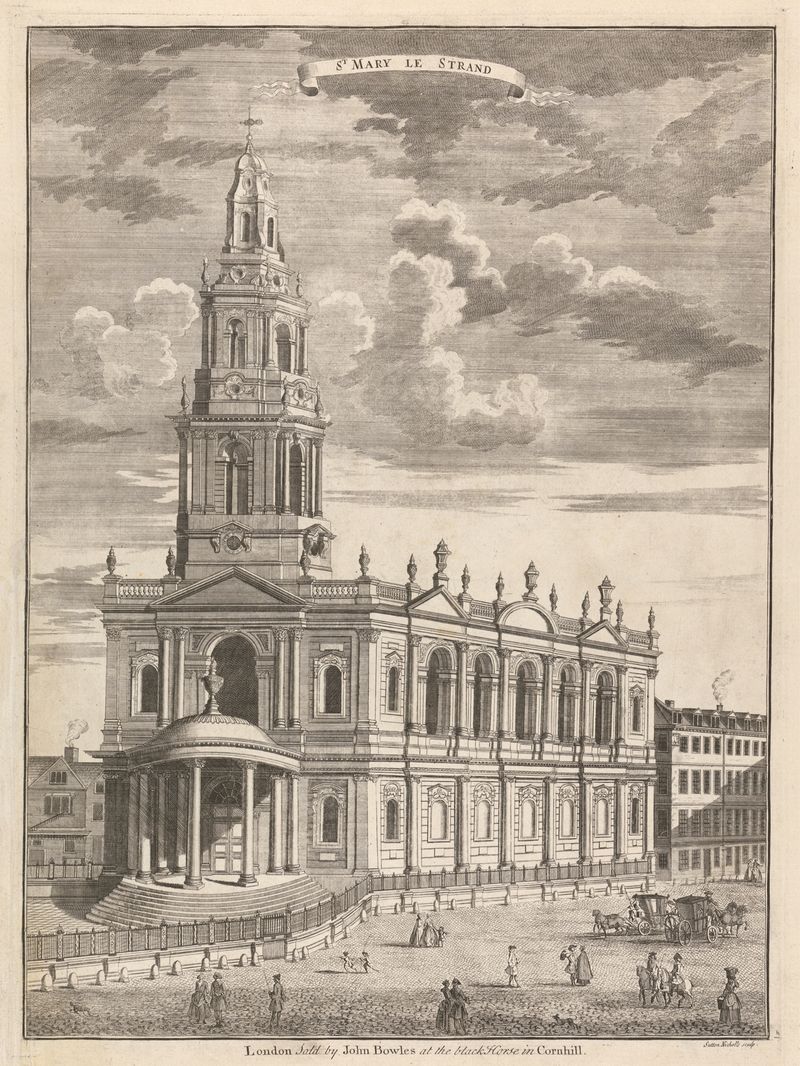
St. Mary le Strand
Sutton Nicholls

Charter-House Square for Stowes Surrey
Sutton Nicholls





