Discover insights about this artwork
Bowl and Milk-Jug — History & Facts
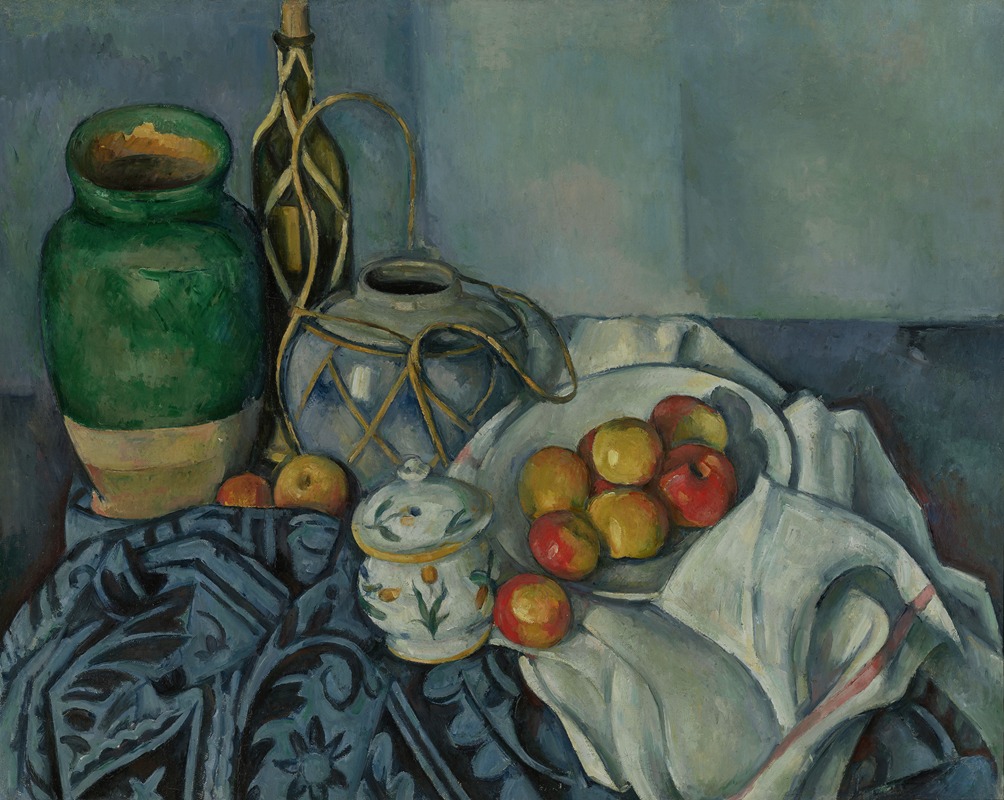
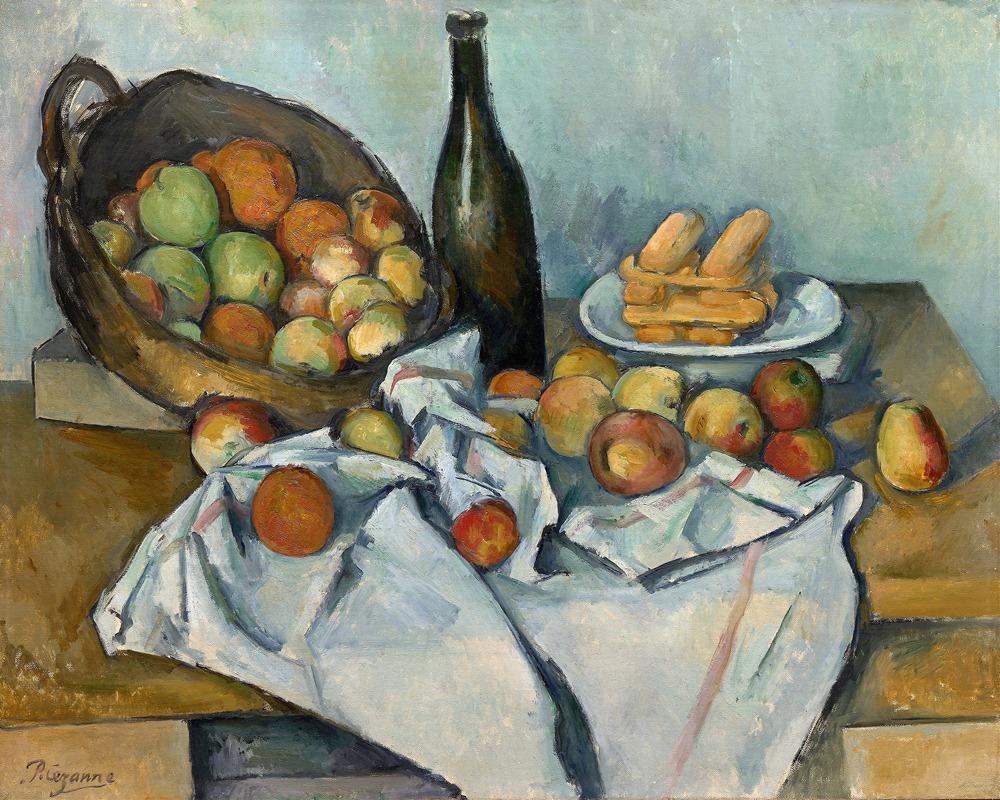
In Bowl and Milk-Jug, Paul Cézanne presents a still life composition that features a bowl and a milk jug. The colors are rich and warm, with earthy tones dominating the palette. The bowl is depicted with a sense of volume, while the milk jug stands tall beside it.
The background is softly blurred, drawing attention to the objects in the foreground. Cézanne's technique in this painting showcases his unique brushwork, characterized by short, deliberate strokes. The use of color is particularly striking, as he blends hues to create depth and texture. The composition is balanced, with the bowl and jug positioned harmoniously.
This work exemplifies Cézanne's transition from Impressionism to a more structured approach. Paul Cézanne was a pivotal figure in the transition from 19th-century Impressionism to 20th-century Modernism. Bowl and Milk-Jug reflects his interest in the geometric shapes of objects and their relationships in space. An interesting fact about this work is that it captures Cézanne's exploration of still life, which he considered a way to study form and color.
This painting is part of the collection at the Musée d'Orsay in Paris.
More Artworks by Paul Cézanne
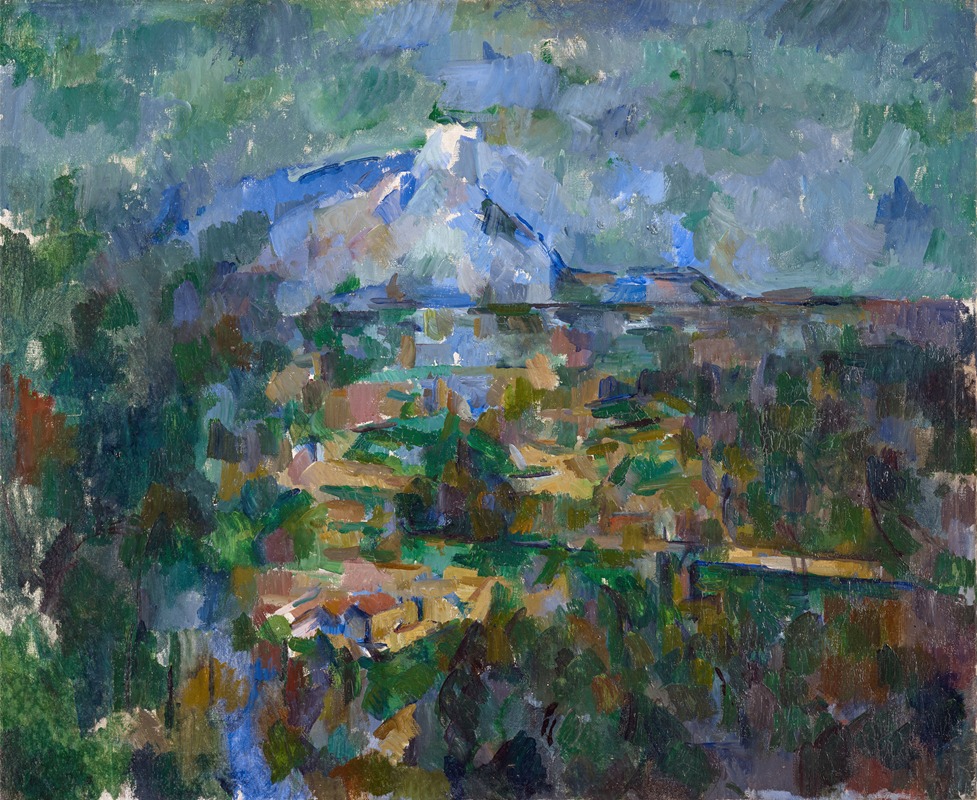
The Mont Sainte-Victoire Seen From Les Lauves
Paul Cézanne
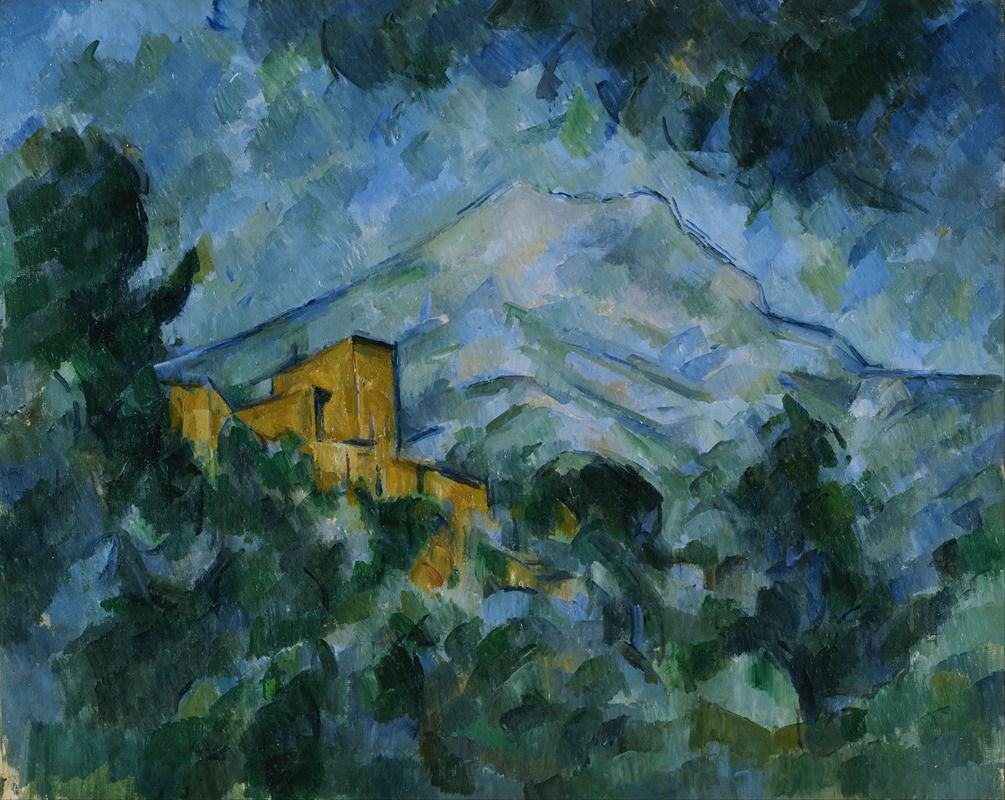
Mont Sainte-Victoire and Château Noir
Paul Cézanne
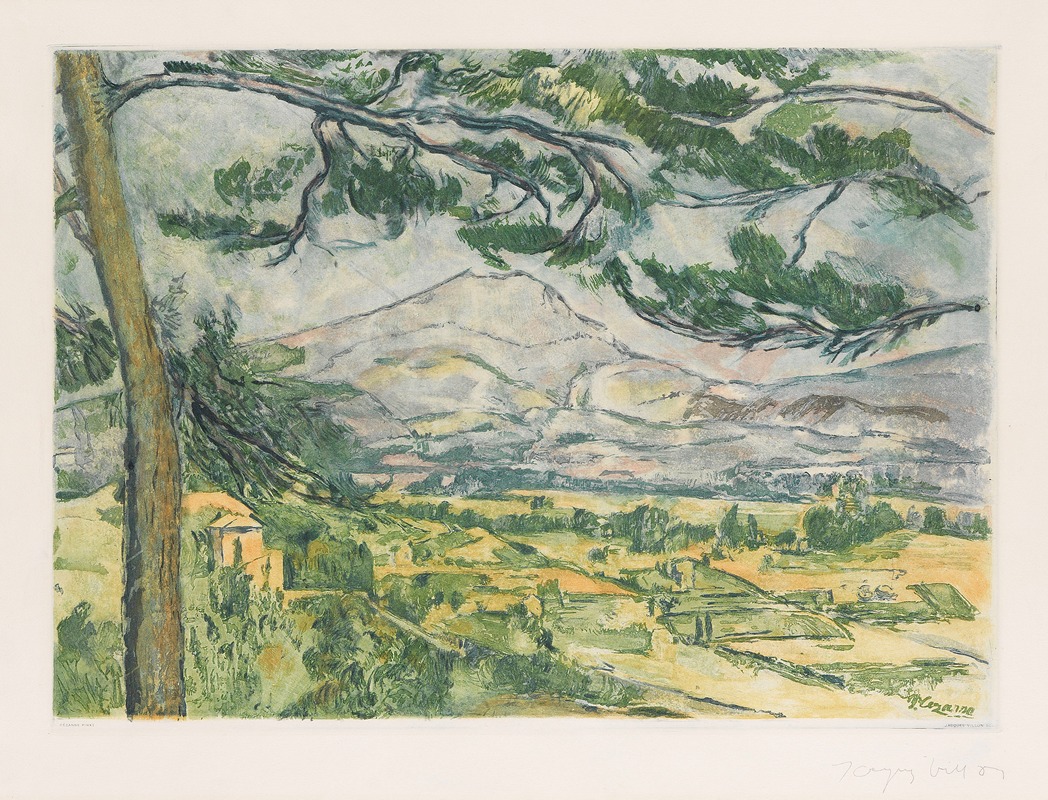
La Montagne Sainte-Victoire
Paul Cézanne
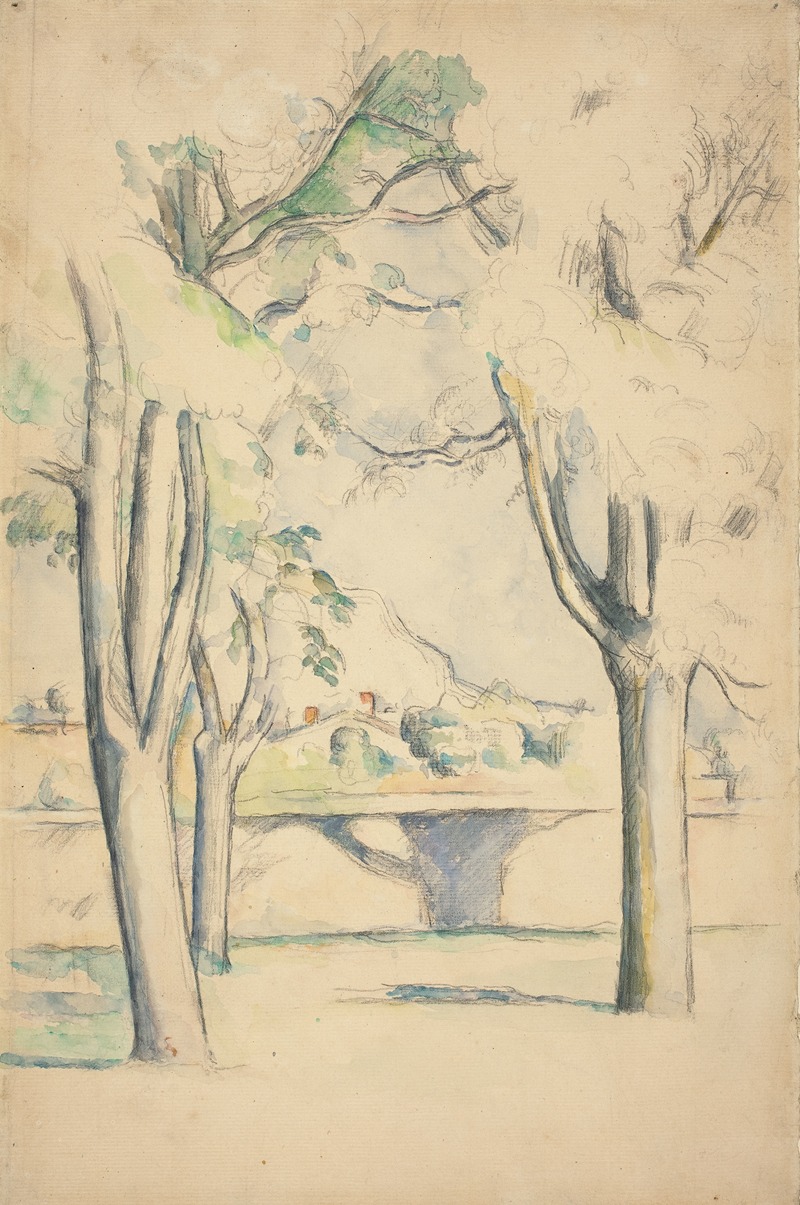
Mont Sainte-Victoire Seen beyond the Wall of the Jas de Bouffan
Paul Cézanne
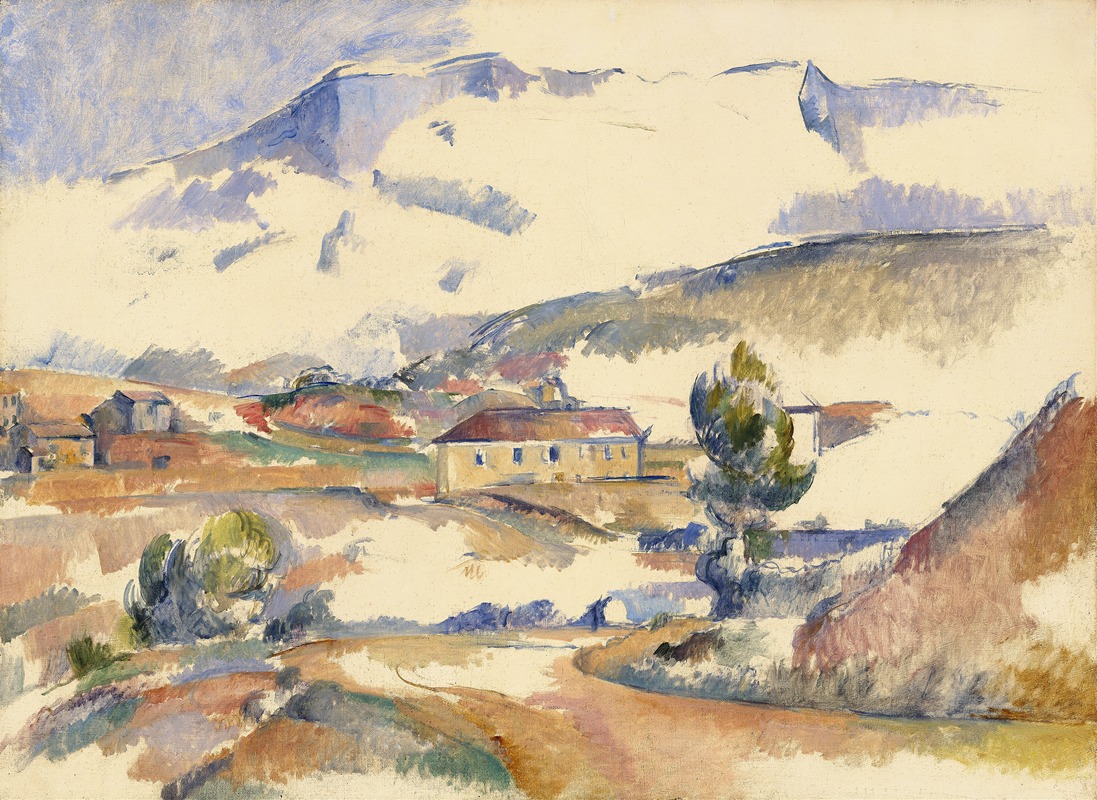
Montagne Sainte-Victoire,from near Gardanne
Paul Cézanne
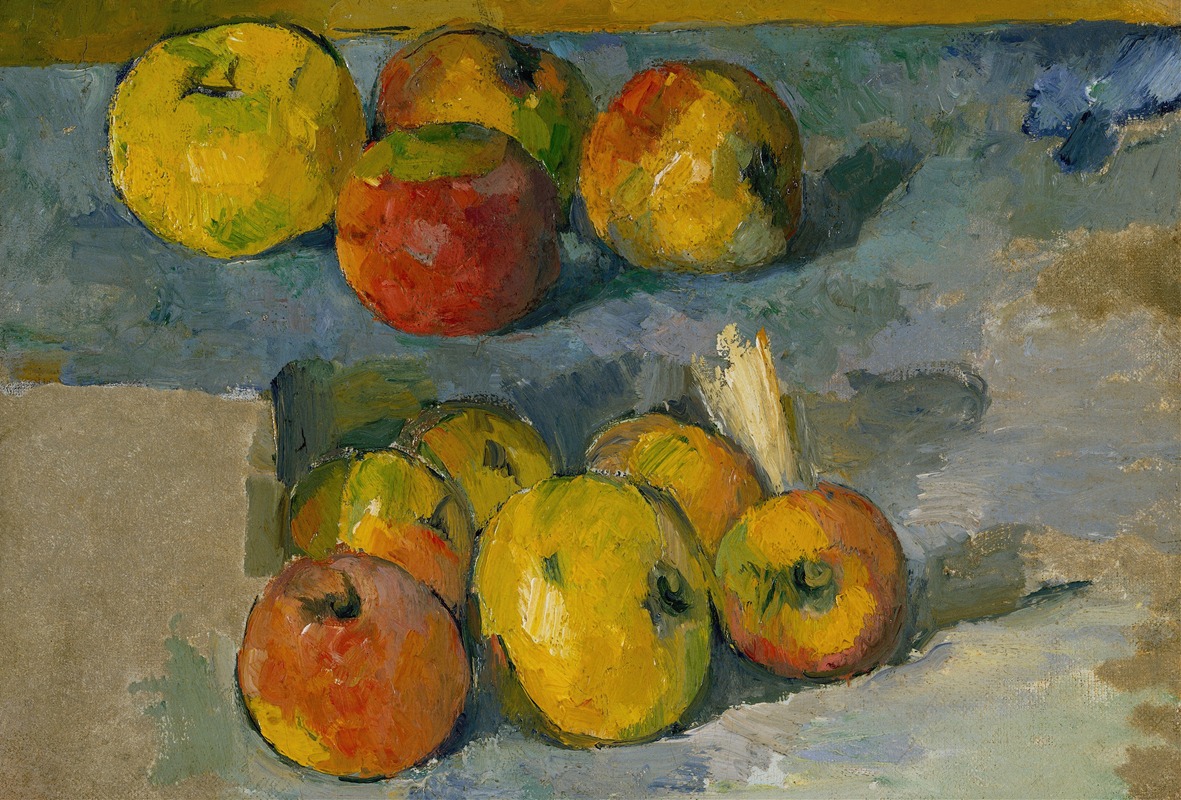
Apples
Paul Cézanne
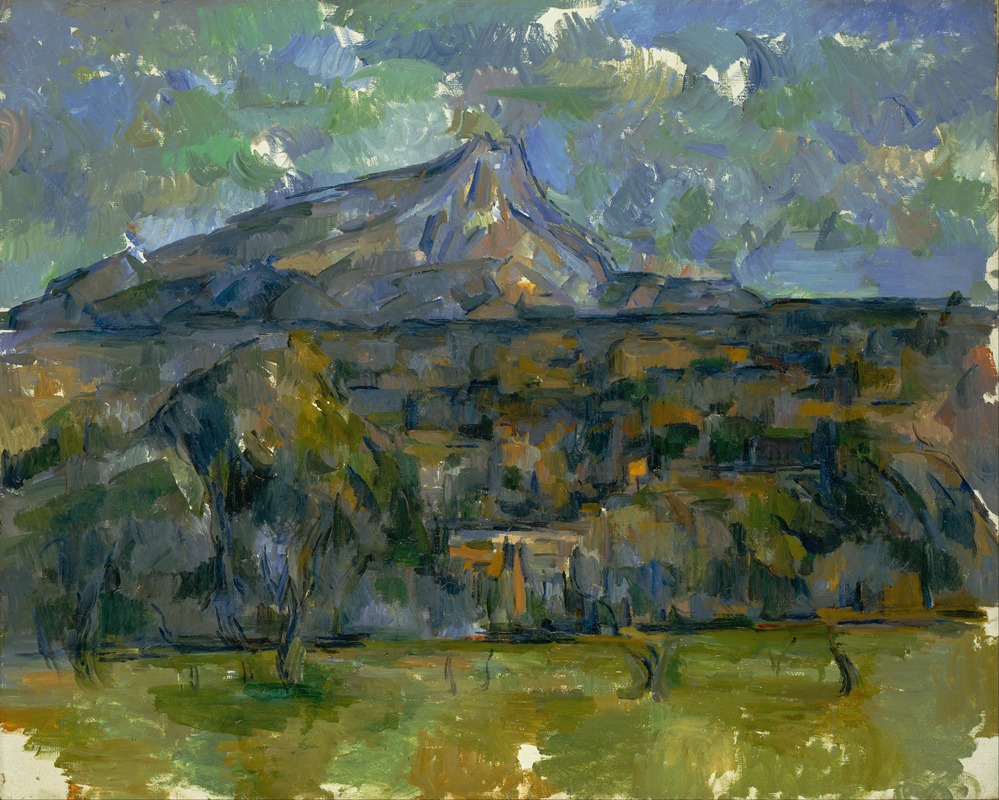
Mont Sainte-Victoire
Paul Cézanne
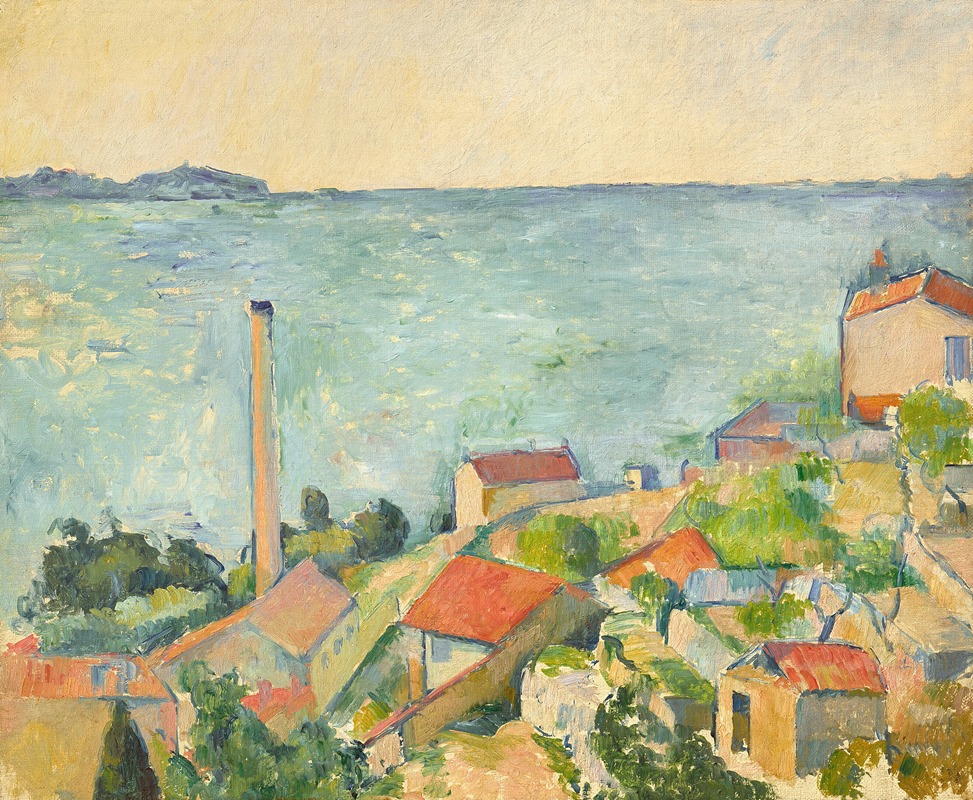
La mer à l’Estaque
Paul Cézanne
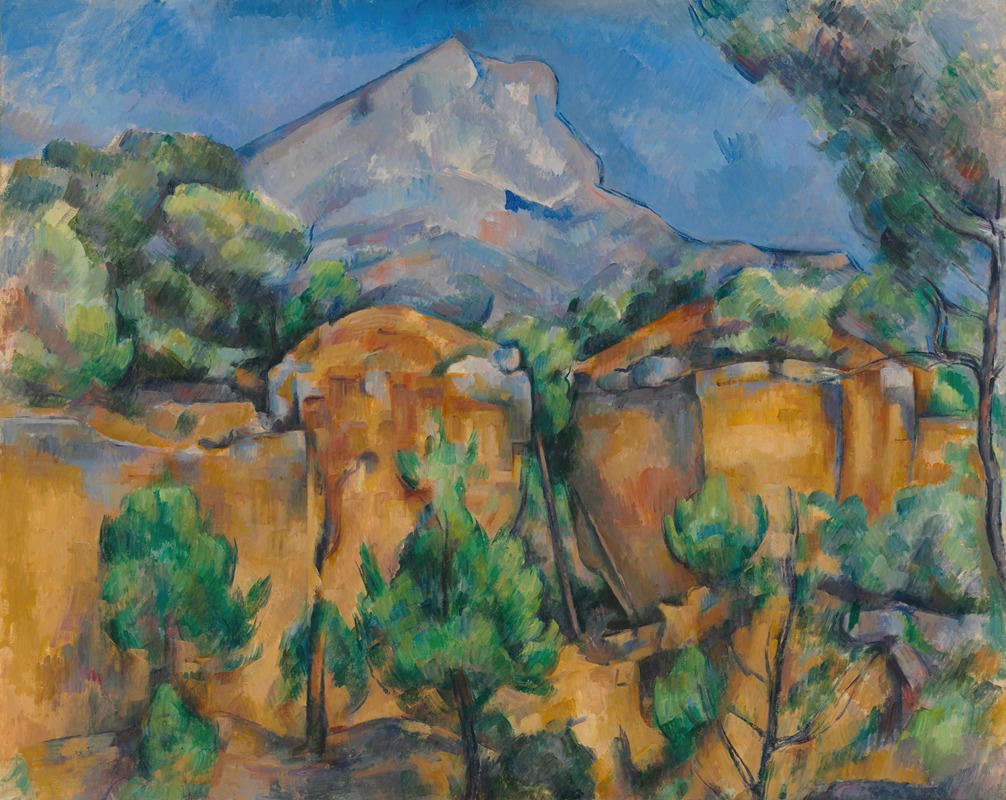
La Montagne Sainte-Victoire vue de la carrière Bibémus
Paul Cézanne
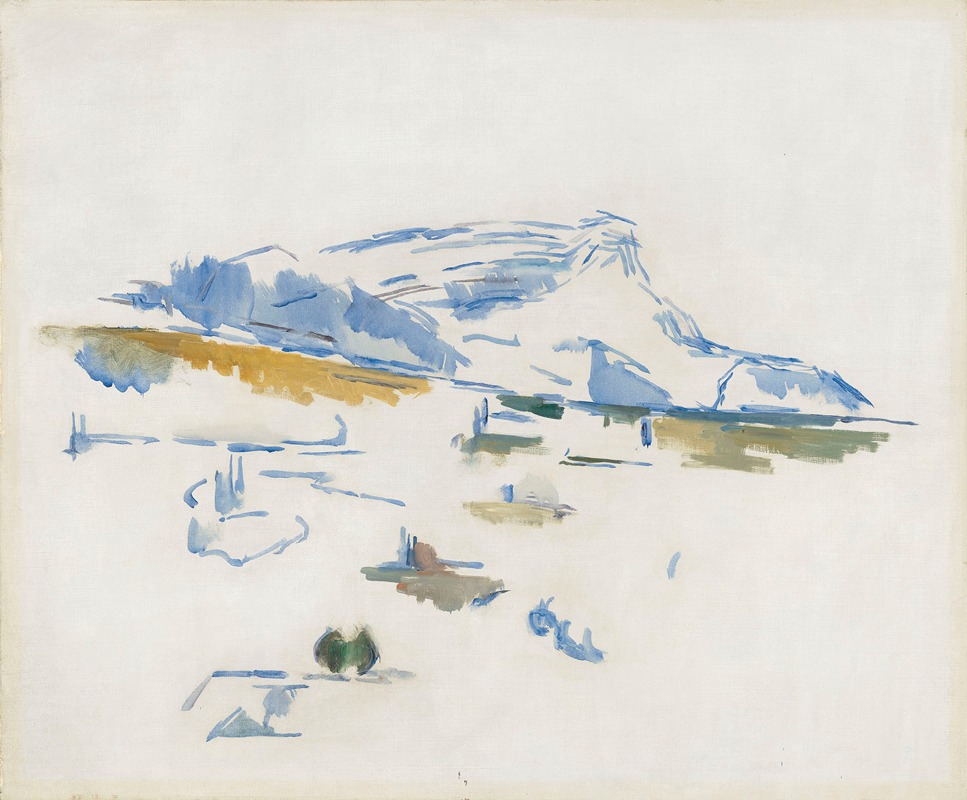
La Montagne Sainte-Victoire vue des Lauves
Paul Cézanne