Bowl with a crane among lotus plants — History & Facts
In an age of burgeoning artistic revolution, the delicate interplay of nature and form reveals deeper narratives hidden beneath its surface. Look to the intricate detail of the crane, gracefully poised among a cluster of blooming lotus plants. The artist’s meticulous brushwork brings to life the natural elegance of the bird, its feathers rendered in soft, understated hues that contrast splendidly with the vibrant blossoms surrounding it. Notice how the gentle curves of the bowl’s rim echo the undulating lines of the plants, creating a harmonious relationship between the vessel and its organic inhabitants.
Stunning shades of green and pink emerge, inviting the viewer to lose themselves in this serene tableau. Yet, within this seemingly tranquil arrangement lies a richer tapestry of meaning. The crane, a symbol of longevity and wisdom, stands in stark contrast to the ephemeral beauty of the lotus, which emerges from murky waters. This juxtaposition prompts contemplation on the nature of existence, suggesting that beauty can flourish even in the most challenging of environments.
Additionally, the quiet presence of the flora and fauna hints at a world in flux, a reflection of the transformative spirit of the era in which it was created—a time when art began to peel back layers of conventionality. This work emerges from a period of profound change in the art world, likely painted between 1500 and 1599 by an unknown artist. As the Renaissance unfolded in Europe, the influence of Eastern aesthetics began to permeate artistic expressions across continents. It reflects not only the technical mastery of the time but also the evolving dialogue between cultures, heralding a new chapter in art that celebrated both individuality and shared inspiration.
More Artworks by Unknown Artist
Browse all →
Ridder, Dood en Duivel
Unknown Artist
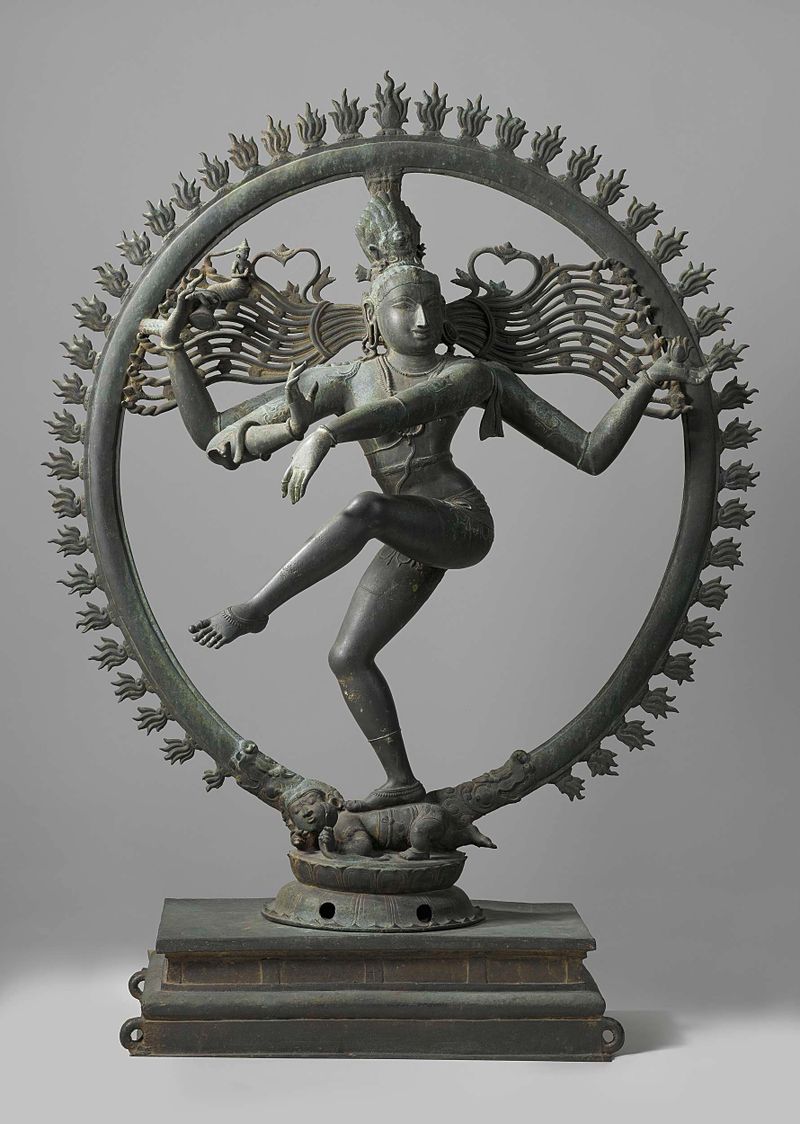
Shiva Nataraja
Unknown Artist
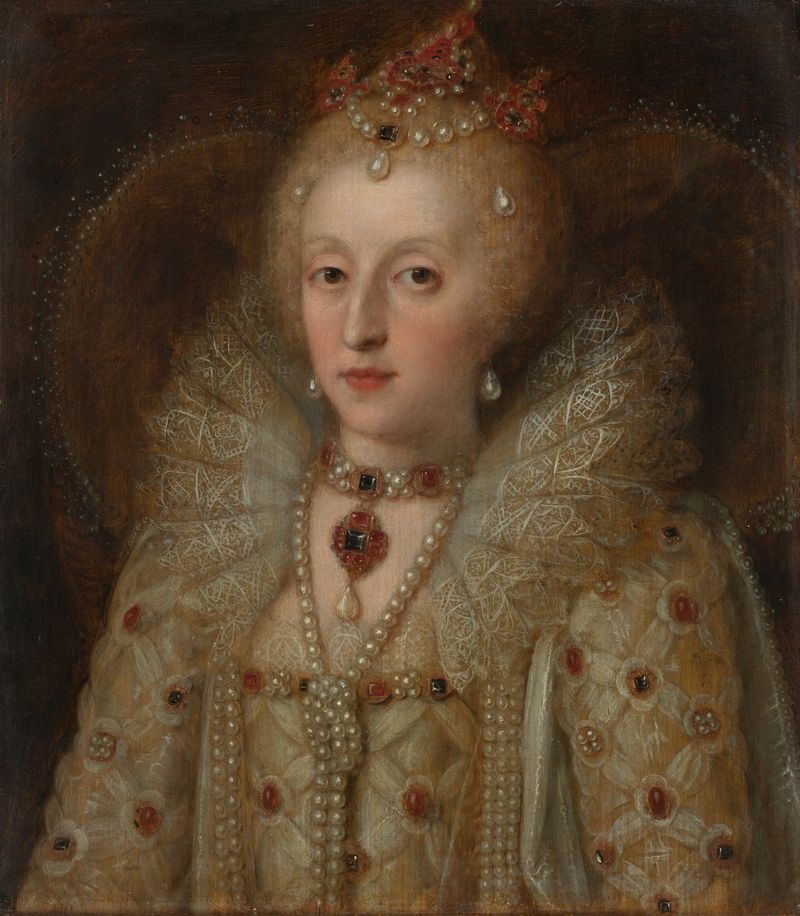
Portrait of Elizabeth I, Queen of England
Unknown Artist
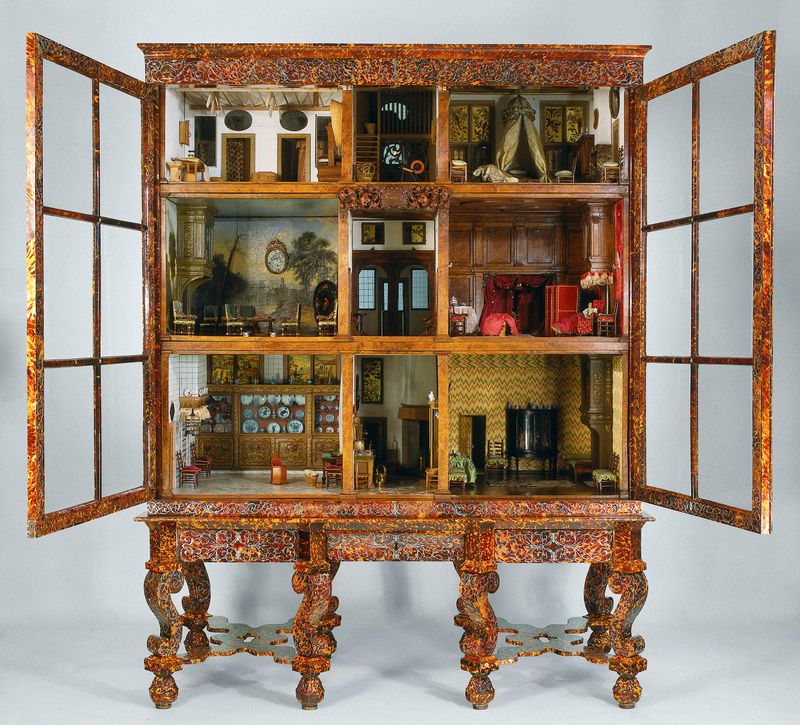
Dolls’ house of Petronella Oortman
Unknown Artist
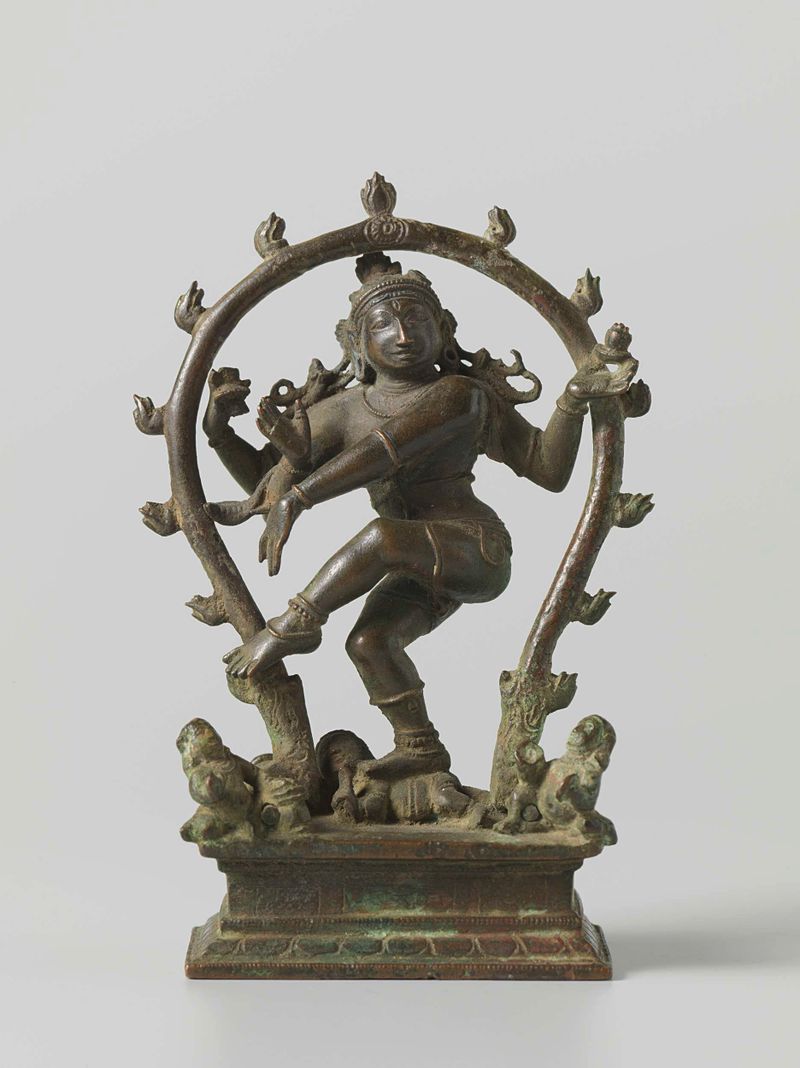
Shiva Nataraja
Unknown Artist

The Tale of Genji
Unknown Artist

The Tale of Genji
Unknown Artist

Cong
Unknown Artist
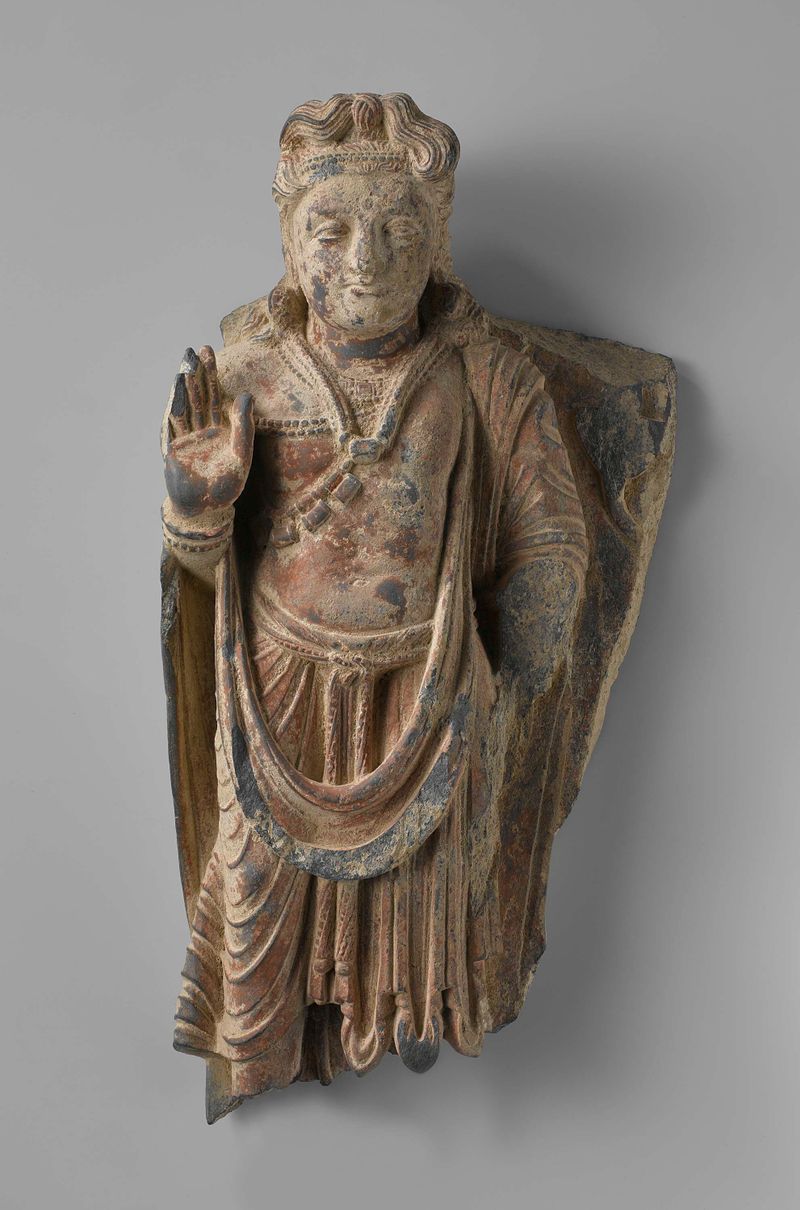
The bodhisattva Maitreya
Unknown Artist

Teabowl with a 'hare's fur' glaze
Unknown Artist