
Brandende See — History & Facts
In the vibrant hues of Brandende See, we encounter a world where the colors scream of life yet whisper of solitude. The ocean, ablaze with fiery oranges and deep blues, invites contemplation, challenging the viewer to navigate the fine line between chaos and tranquility. Look to the left at the undulating waves, each brushstroke a tumultuous dance of light and shadow. The artist wields color with precision, using bold strokes to depict the turbulent sea, while softer strokes caress the horizon.
Notice how the warm sunset casts a golden glow across the water, creating a stark contrast to the cooler tones of the approaching night. This juxtaposition captivates the eye and draws the viewer deeper into the canvas, revealing layers of emotion within the furious movement of the sea. Yet, amid the striking colors, a sense of longing permeates the scene. The relentless waves symbolize both nature's power and the solitude of the human experience, suggesting a duality of existence: vibrant yet isolated.
The colors, though bright, evoke a melancholy that speaks to the fleeting nature of beauty and the inevitable encroachment of darkness. The painting captures a moment where the heartbeats of color and silence pulse in unison, resonating with the viewer's own internal struggles. Created in 1850, Brandende See reflects a transformative period for Morgenstern. While living in Germany, he was influenced by the Romantic movement, which sought to embrace emotion and nature's majesty.
As art transitioned towards Impressionism, Morgenstern’s work straddled both worlds, capturing the essence of vibrant landscapes while still holding onto the emotive qualities of earlier styles.
More Artworks by Christian Ernst Morgenstern
Browse all →
The River Elbe Downstream of Hamburg by Moonlight
Christian Ernst Morgenstern
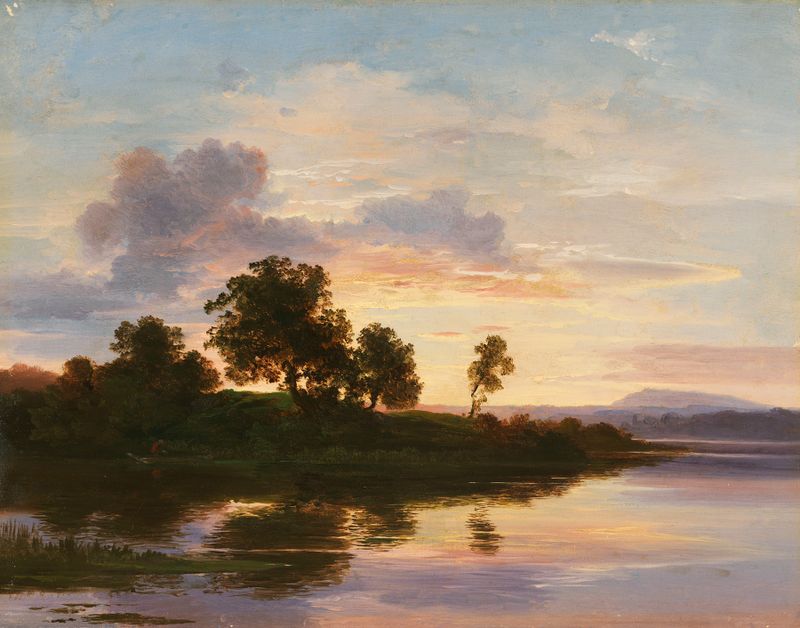
Abendstimmung am Starnberger See
Christian Ernst Morgenstern
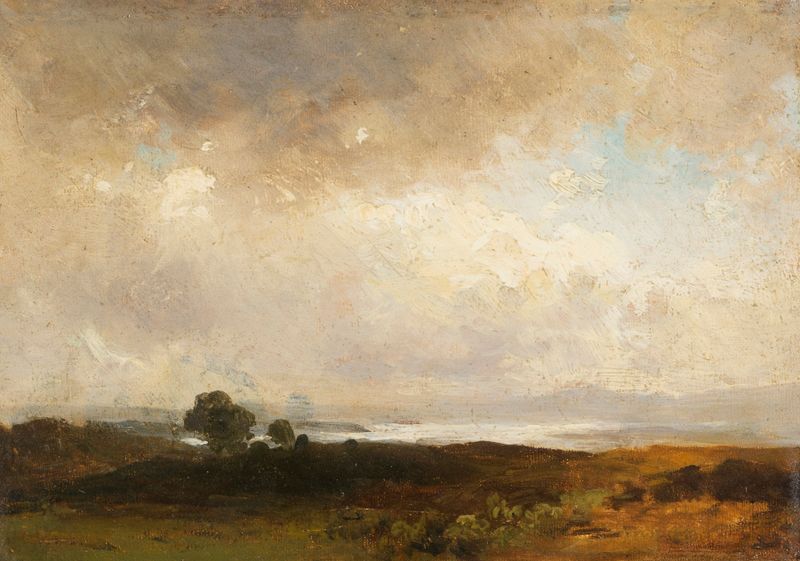
Landschaft am See mit aufziehenden Wolken
Christian Ernst Morgenstern

Landschaft mit Reisenden – Blick auf Ribeauvillé im Elsaß
Christian Ernst Morgenstern
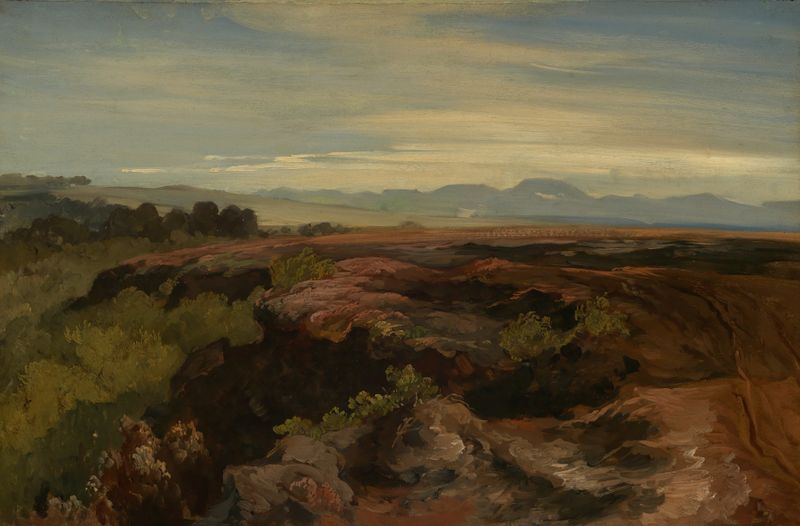
Oberbayerische Landschaft mit Blick auf eine Bergkette
Christian Ernst Morgenstern





