
Landschaft am See mit aufziehenden Wolken — History & Facts
What secret hides in the quiet of the canvas? Amidst the gentle ebb and flow of nature, Landschaft am See mit aufziehenden Wolken beckons us to contemplate the tension between tranquility and impending change. Look to the lower right corner, where the mirror-like surface of the lake reflects the brooding sky. Notice how the clouds gather, their dark forms looming overhead, creating a dramatic contrast with the serene landscape below. The artist's adept use of soft pastels and muted earth tones conveys a sense of stillness, while the sharp lines of the approaching clouds suggest an inescapable shift, drawing the viewer’s gaze upward. This painting reflects the emotional weight of a world on the brink of revolution.
The calm waters symbolize a fragile peace, disrupted only by the ominous clouds—nature’s harbingers of storm and turmoil. The juxtaposition of the tranquil foreground and the chaotic sky captures a pivotal moment, one that resonates with the anxieties of an era poised for change. It's a reminder that even in stillness, the threat of upheaval lurks just beyond the horizon. Created in 1843, Landschaft am See mit aufziehenden Wolken emerged during a time of social and political transformation in Europe.
Christian Ernst Morgenstern painted this work while living in a period marked by revolutions in France and the rising tides of nationalism. His landscapes often reflect an awareness of the shifting dynamics of his time, illustrating both nature's beauty and the undercurrents of unrest that define human experience.
More Artworks by Christian Ernst Morgenstern
Browse all →
The River Elbe Downstream of Hamburg by Moonlight
Christian Ernst Morgenstern
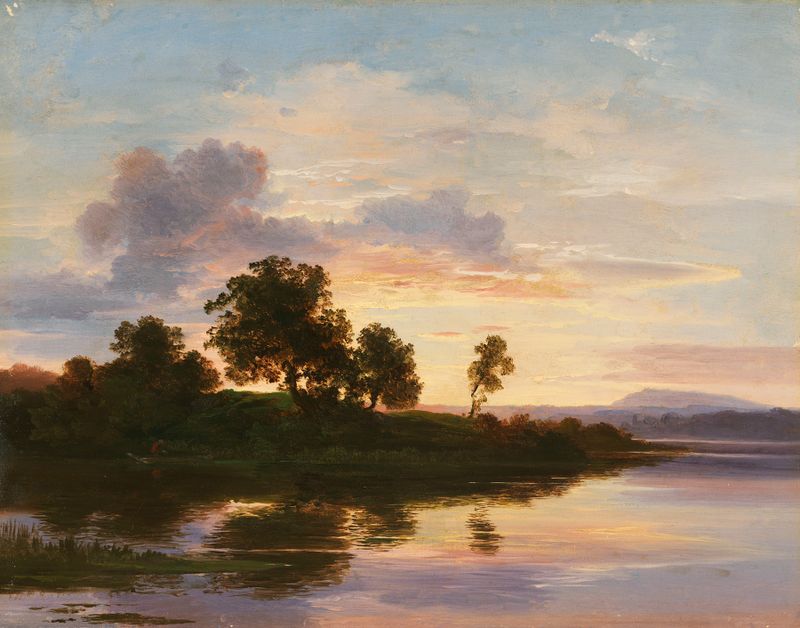
Abendstimmung am Starnberger See
Christian Ernst Morgenstern

Landschaft mit Reisenden – Blick auf Ribeauvillé im Elsaß
Christian Ernst Morgenstern
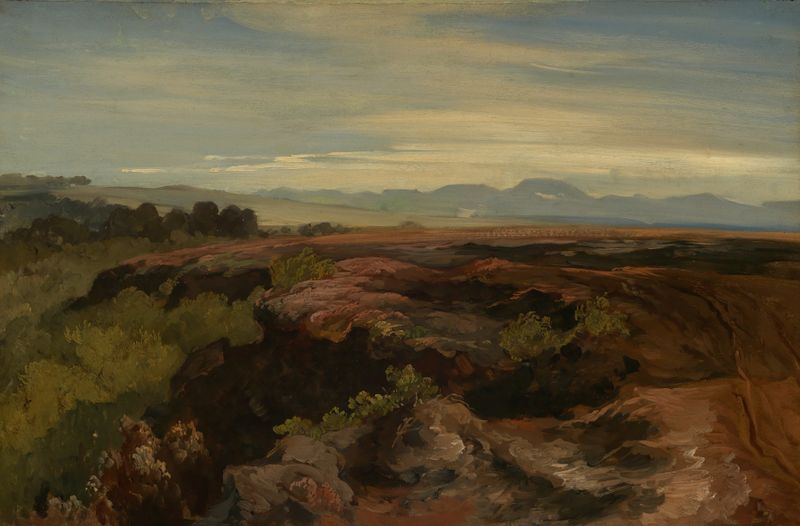
Oberbayerische Landschaft mit Blick auf eine Bergkette
Christian Ernst Morgenstern
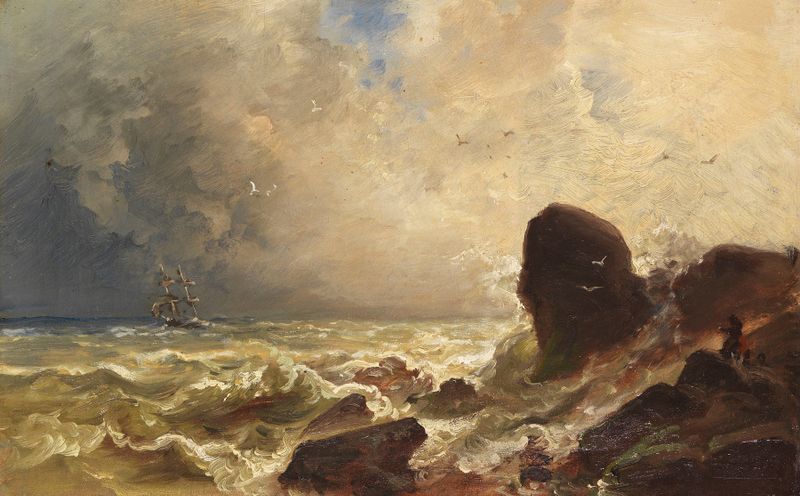
Brandende See
Christian Ernst Morgenstern





