
Bras gauche de la Bièvre, boulevard Arago — History & Facts
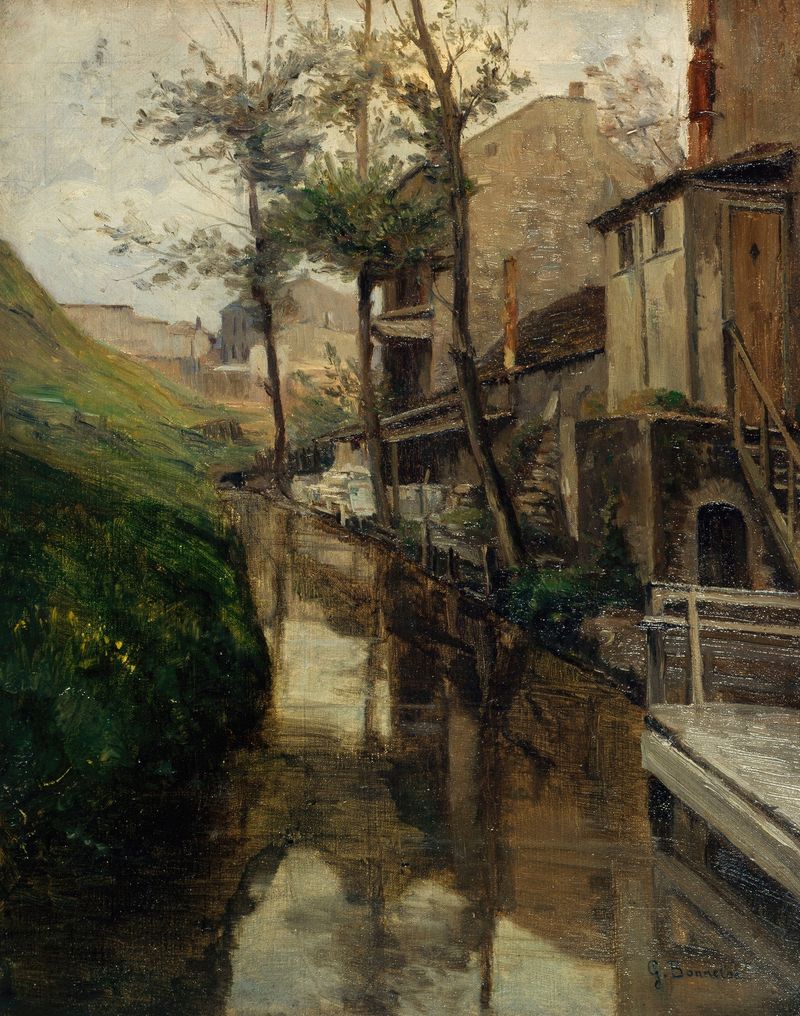
In Bras gauche de la Bièvre, boulevard Arago, the illusion of tranquility invites viewers into a moment both serene and deceptive, where nature and urbanity intertwine seamlessly. Focus first on the delicate interplay of light and shadow that dances over the water’s surface, where the gentle ripples hint at movement beneath the still facade. Notice how the artist employs a muted color palette, blending soft greens and blues with earthy browns to create a dreamy atmosphere. The brushstrokes are fluid, suggesting the ebb and flow of life along the riverbank, while the composition draws the eye along the winding path that guides us deeper into the scene. Hidden within this idyllic façade lies a tension between nature and the encroachment of civilization.
The trees, lush and vibrant, struggle against the backdrop of emerging buildings, symbolizing the fleeting nature of untouched beauty. The reflections in the water serve as a metaphor for illusion—what is seen may not always be what is real. The languid quality of the scene contrasts with the bustling life that often surrounds it, evoking a poignant longing for a simpler existence. Germain Eugène Bonneton painted this work in 1900, a time when Paris was undergoing rapid transformation due to industrialization.
Amidst the burgeoning modernity, he captured the essence of a city on the brink of change, drawing attention to the delicate balance between nature and urban expansion. As an artist influenced by Impressionism, Bonneton’s exploration of light and landscape reflects both a personal vision and a broader artistic movement during this pivotal moment in history.
More Artworks by Germain Eugène Bonneton
Browse all →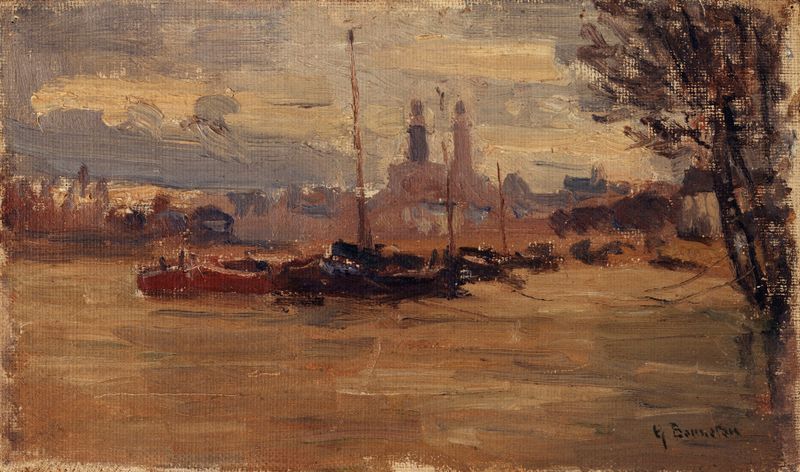
La Seine au pont des Invalides (inondations de 1910)
Germain Eugène Bonneton
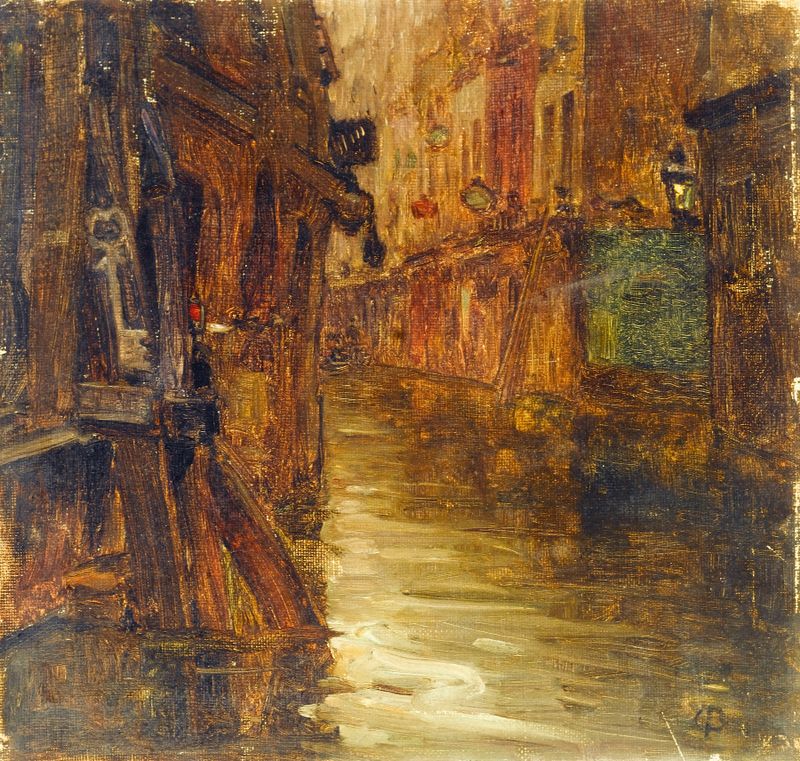
La rue de Bièvre, vue du boulevard Saint-Germain (inondations de 1910)
Germain Eugène Bonneton
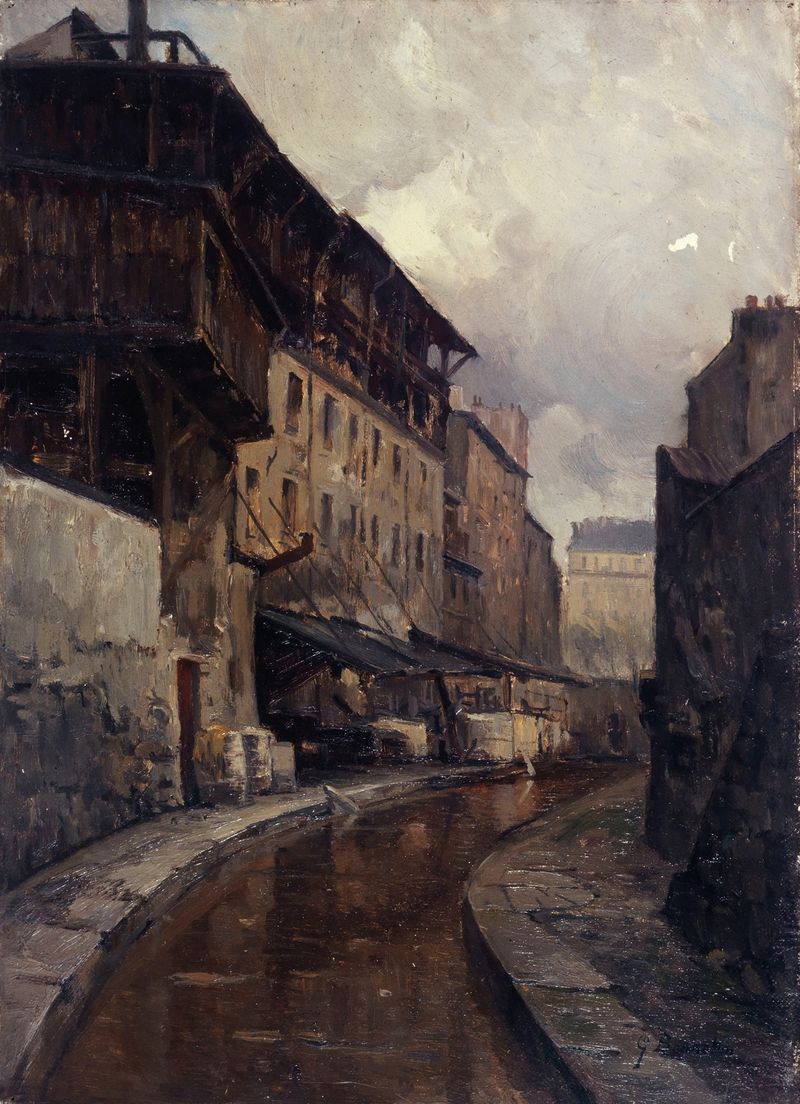
La Bièvre, rue de Valence
Germain Eugène Bonneton

La Bièvre, entre la rue Pascal et la rue Broca
Germain Eugène Bonneton

Entrée du passage Moret, rue des Cordelières
Germain Eugène Bonneton
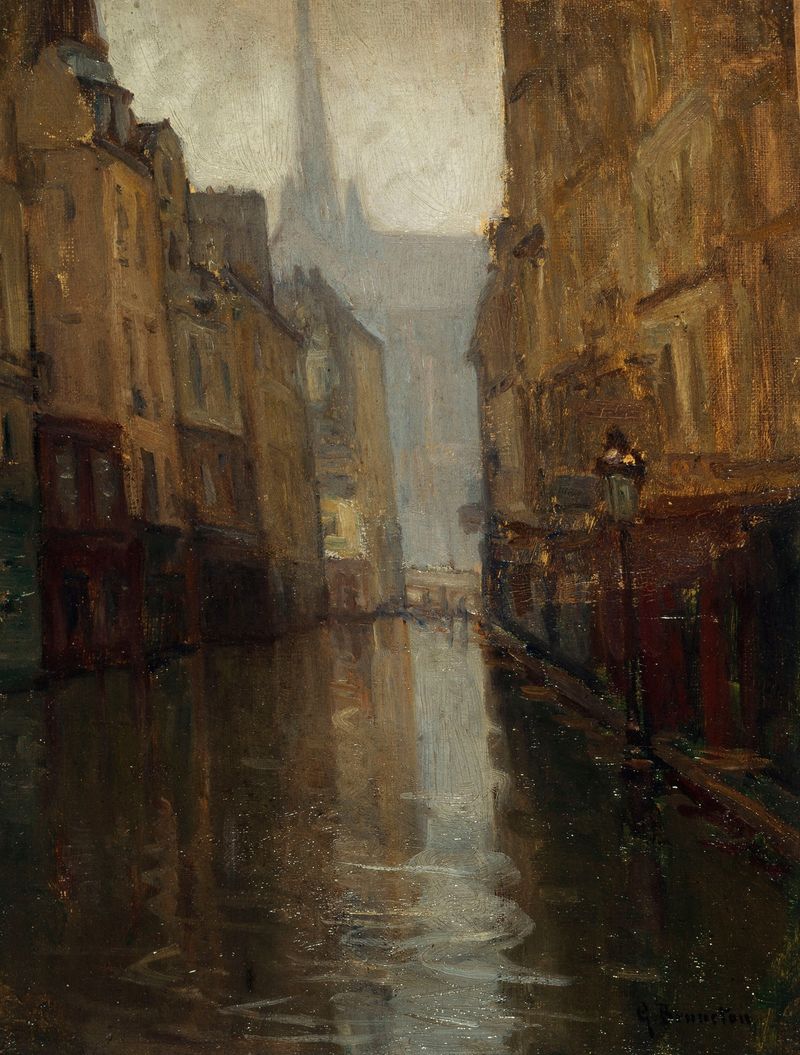
La rue du Haut-Pavé vers le quai de Montebello (inondations de 1910)
Germain Eugène Bonneton

La rue du Haut-Pavé vers la place Maubert (inondations de 1910)
Germain Eugène Bonneton
La Bièvre, rue Vulpian
Germain Eugène Bonneton
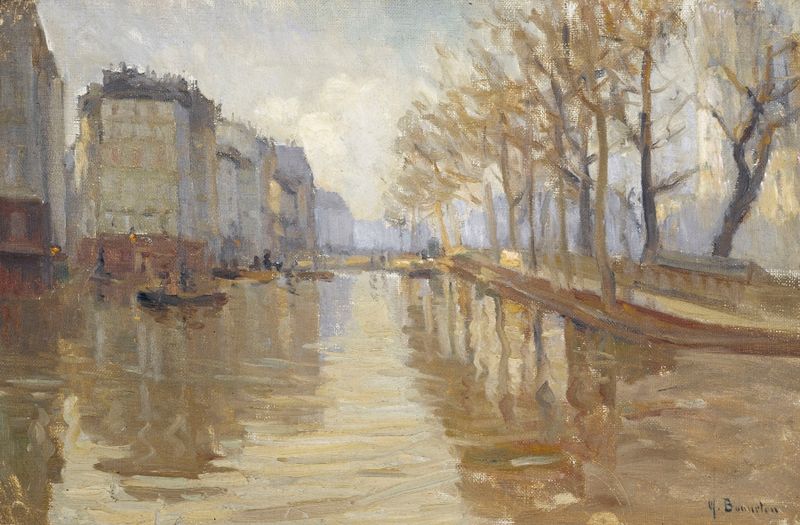
Le quai Montebello (inondations de 1910)
Germain Eugène Bonneton
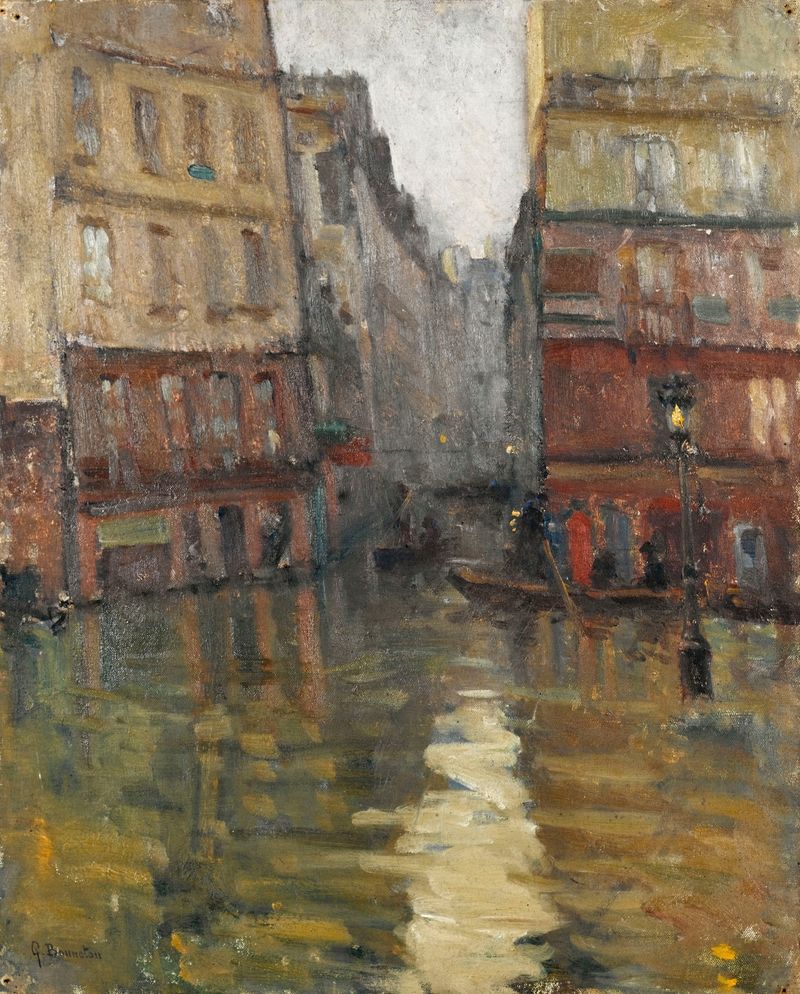
La rue Maître-Albert (inondations de 1910)
Germain Eugène Bonneton





