
Entrée du passage Moret, rue des Cordelières — History & Facts
Can beauty exist without sorrow? In Entrée du passage Moret, rue des Cordelières, the interplay of shadow and light invites us to ponder the fleeting nature of existence and the quiet elegance found within it. Look to the left where the archway beckons, a threshold that leads into a muted world beyond. The soft, muted palette enhances the atmosphere, encasing the scene in a gentle melancholy. Notice how the light filters through the intricately wrought iron, casting delicate patterns upon the cobblestones—each stone a reminder of time's relentless march.
The artist’s brushwork captures a moment suspended in time, every stroke resonant with an underlying sense of nostalgia. Within the stillness lies a contrast between the bustling life that might have existed there and the quiet echo of abandonment. The shadows loom heavy, hinting at stories left untold, while the light dances in a bittersweet embrace, reminding us that beauty often coexists with loss. The archway, as a symbolic gateway, embodies the passage between life and what lies beyond, evoking both a sense of longing and a tranquil acceptance of mortality. Germain Eugène Bonneton painted this work in 1900, during a time when Paris was undergoing rapid transformation.
The city was becoming a hub of modernity, yet Bonneton chose to capture a quieter, almost forgotten corner of it. In this period, the emergence of Impressionism and other avant-garde movements was reshaping the artistic landscape, yet Bonneton’s dedication to capturing daily life in a poetic light set him apart, showcasing a unique sensitivity to the moments that often go unnoticed.
More Artworks by Germain Eugène Bonneton
Browse all →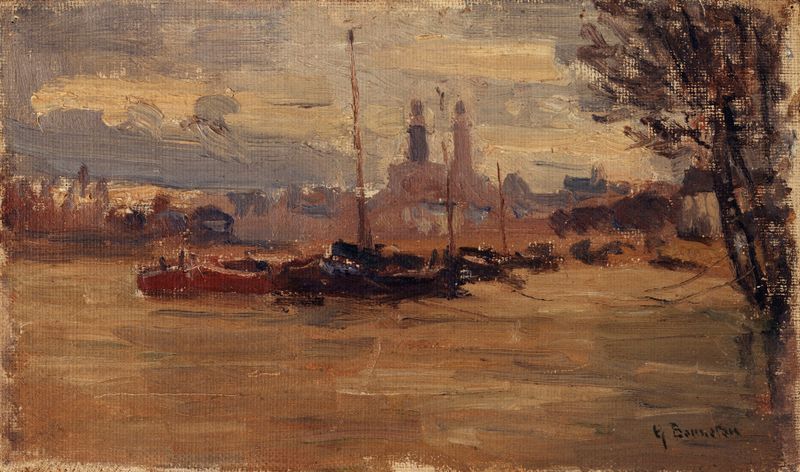
La Seine au pont des Invalides (inondations de 1910)
Germain Eugène Bonneton
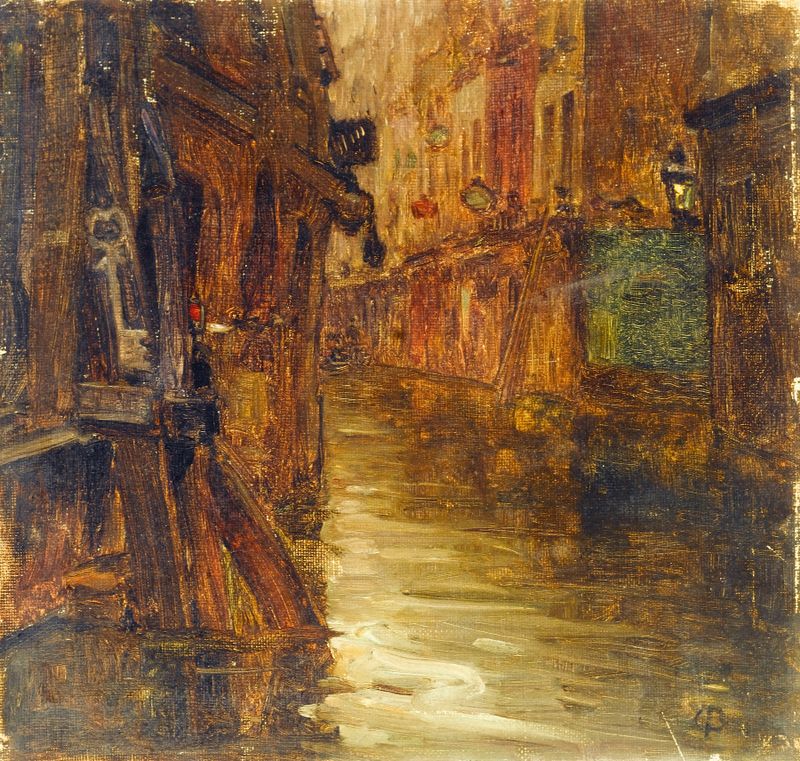
La rue de Bièvre, vue du boulevard Saint-Germain (inondations de 1910)
Germain Eugène Bonneton
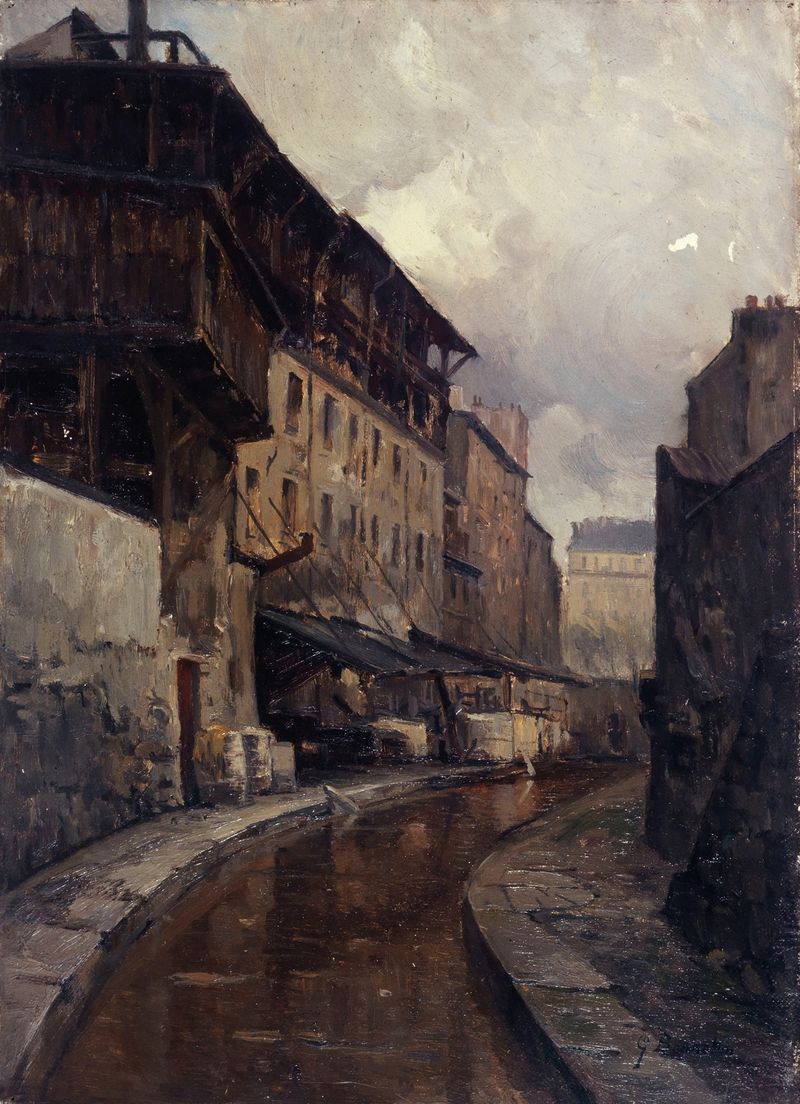
La Bièvre, rue de Valence
Germain Eugène Bonneton

La Bièvre, entre la rue Pascal et la rue Broca
Germain Eugène Bonneton
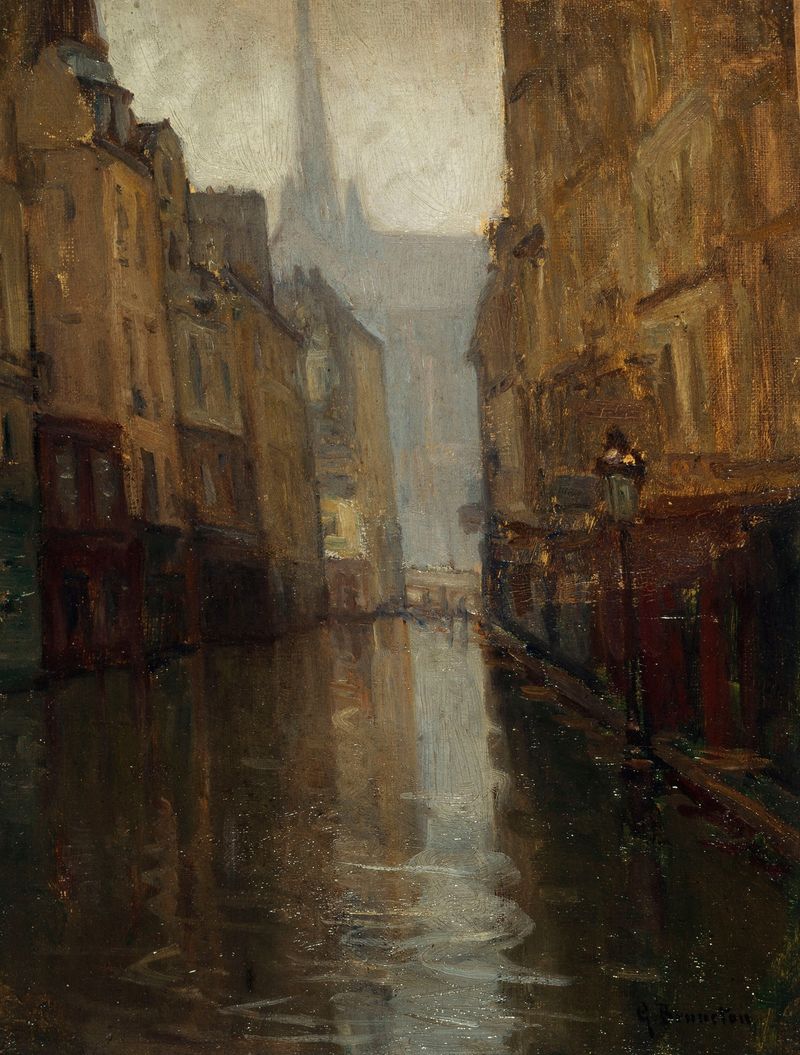
La rue du Haut-Pavé vers le quai de Montebello (inondations de 1910)
Germain Eugène Bonneton

La rue du Haut-Pavé vers la place Maubert (inondations de 1910)
Germain Eugène Bonneton
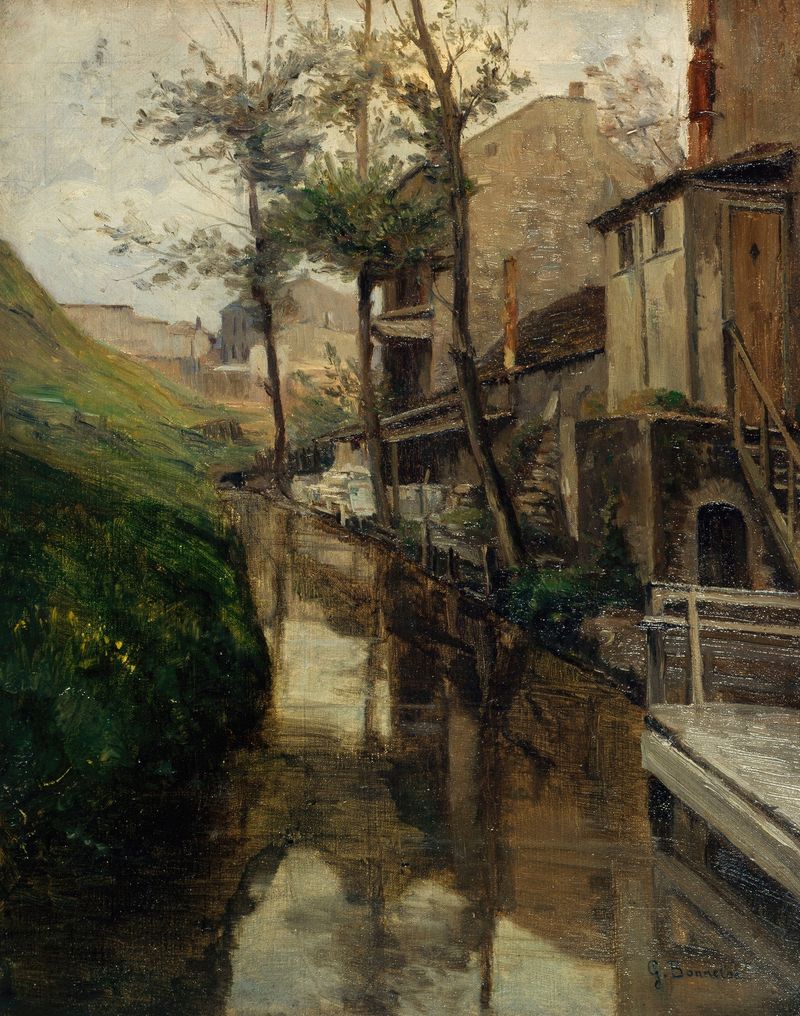
La Bièvre, rue Vulpian
Germain Eugène Bonneton
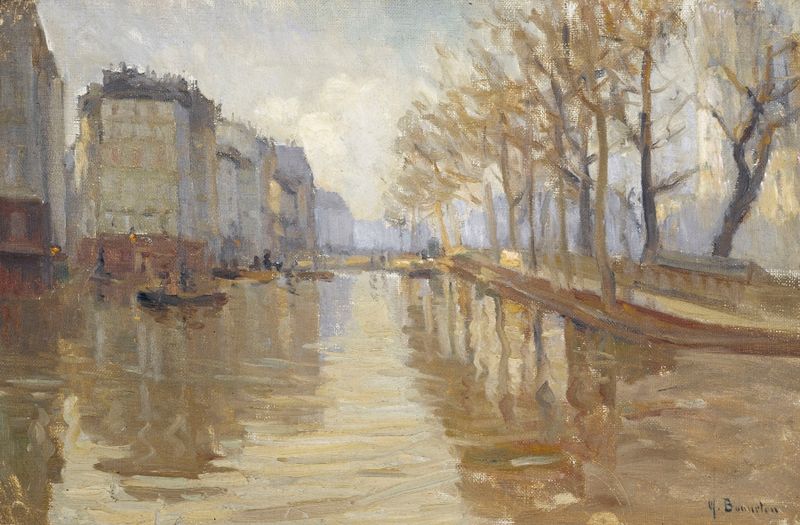
Le quai Montebello (inondations de 1910)
Germain Eugène Bonneton
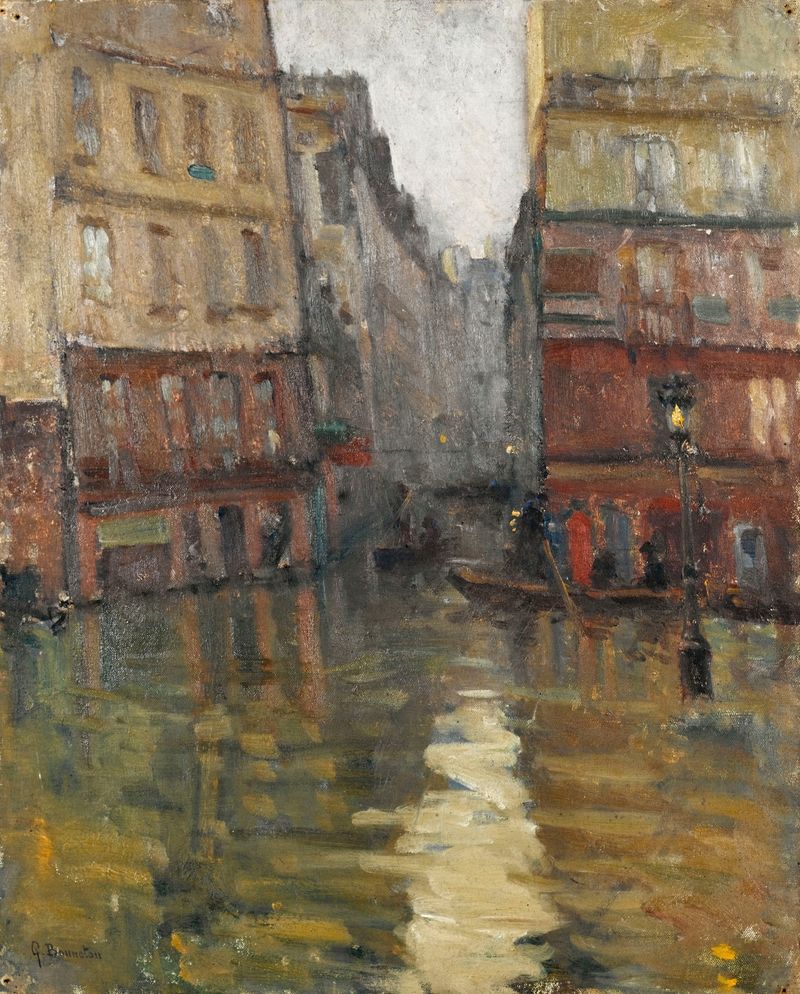
La rue Maître-Albert (inondations de 1910)
Germain Eugène Bonneton

Bras gauche de la Bièvre, boulevard Arago
Germain Eugène Bonneton





