
Brasilianischer Sattel — History & Facts
In Brasilianischer Sattel, Ferdinand Keller presents a detailed depiction of a Brazilian saddle. The colors are rich and earthy, capturing the natural materials used in its construction. The saddle is set against a neutral background, allowing it to stand out as the focal point of the painting.
Keller's attention to detail emphasizes the craftsmanship and cultural significance of the saddle. The painting is executed in oil on canvas, a medium that allows for vibrant colors and intricate textures. Viewers can observe the fine brushwork that Keller employs to create realistic shadows and highlights. The dimensions are approximately 60 x 80 cm, making it a moderately sized work that invites close inspection.
The realistic style reflects Keller's commitment to portraying subjects with accuracy and depth. Ferdinand Keller was a German artist known for his realistic depictions of animals and objects. This particular work, created in the 1880s, showcases his interest in Brazilian culture and craftsmanship. An interesting fact about this painting is that it highlights the significance of saddles in Brazilian equestrian traditions, reflecting a blend of functionality and artistry.
Keller's works often explore themes of nature and culture, making him a notable figure in 19th-century art.
More Artworks by Ferdinand Keller

Türkenlouis
Ferdinand Keller

Böcklins Grab
Ferdinand Keller

Reisende in Brasilien
Ferdinand Keller
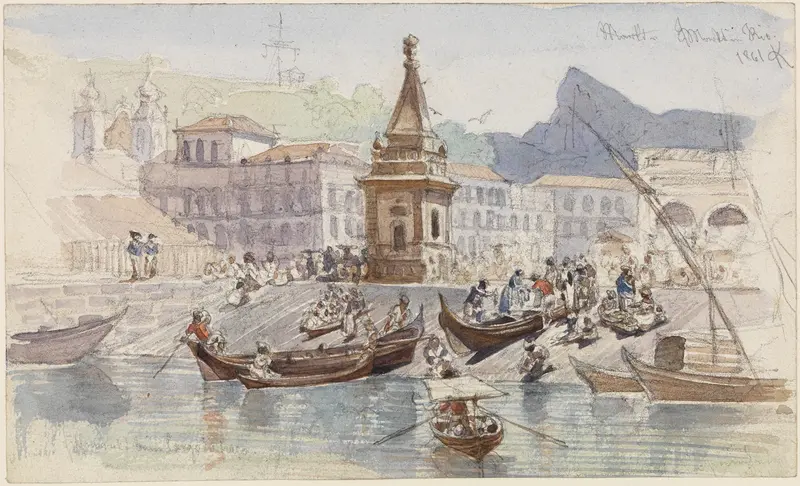
Markt in Rio
Ferdinand Keller
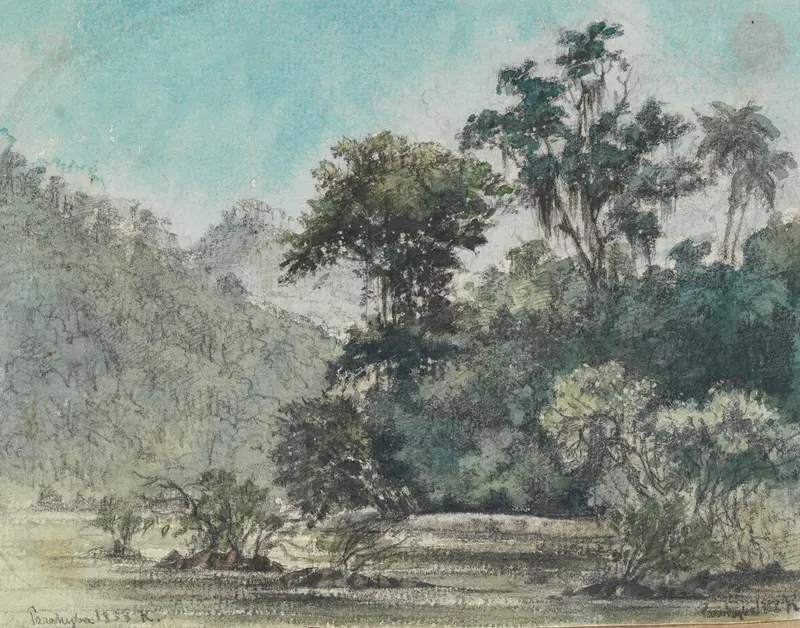
Blick auf das bewaldete Flussufer
Ferdinand Keller
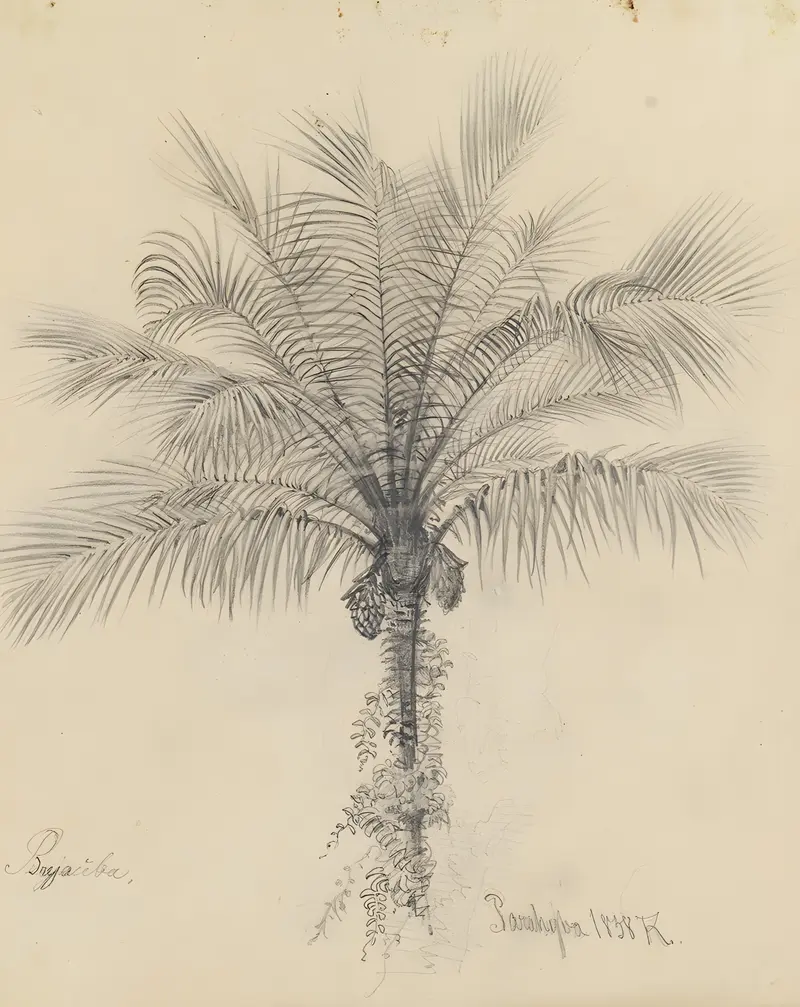
Palmstudie II
Ferdinand Keller
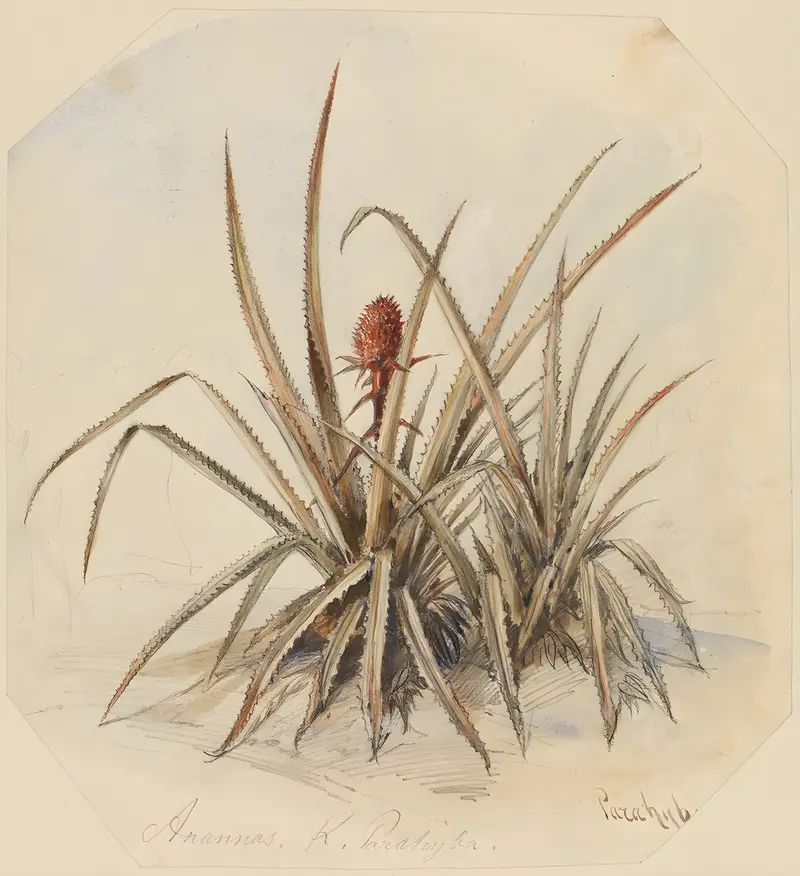
Blühende Ananas
Ferdinand Keller
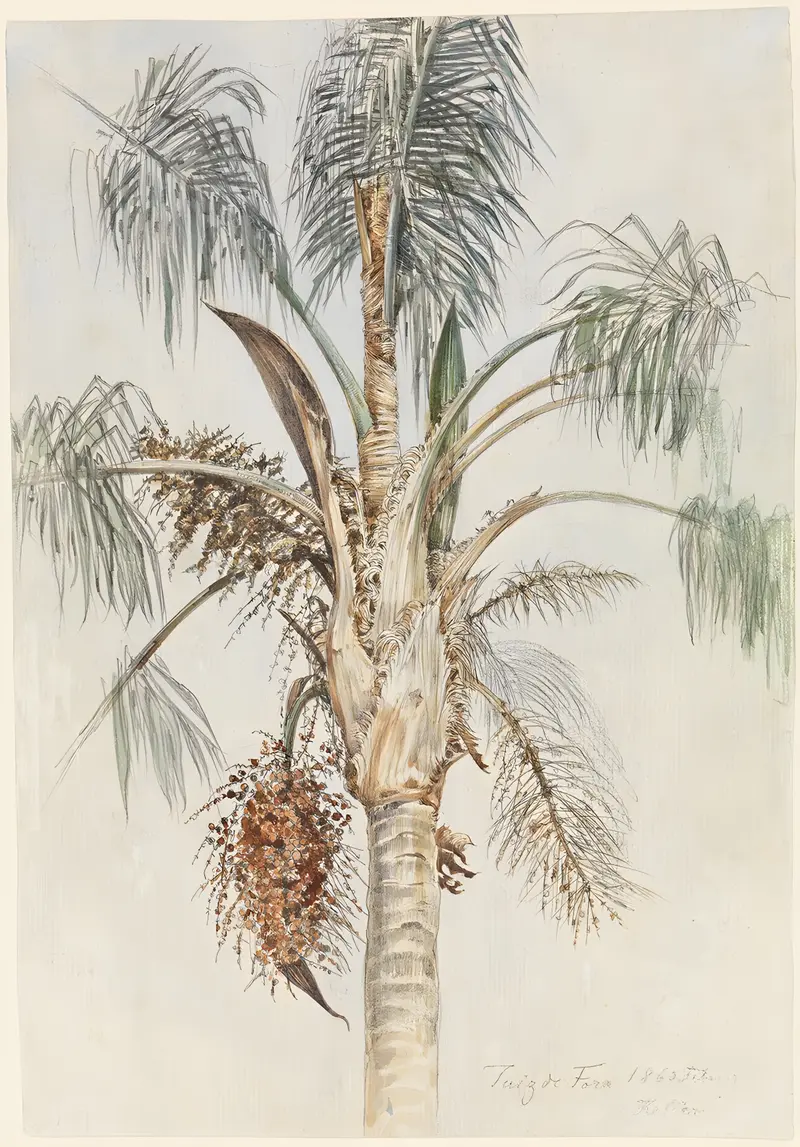
Krone einer Palme (Syagrus macrocarpa) in Juiz de Fora
Ferdinand Keller
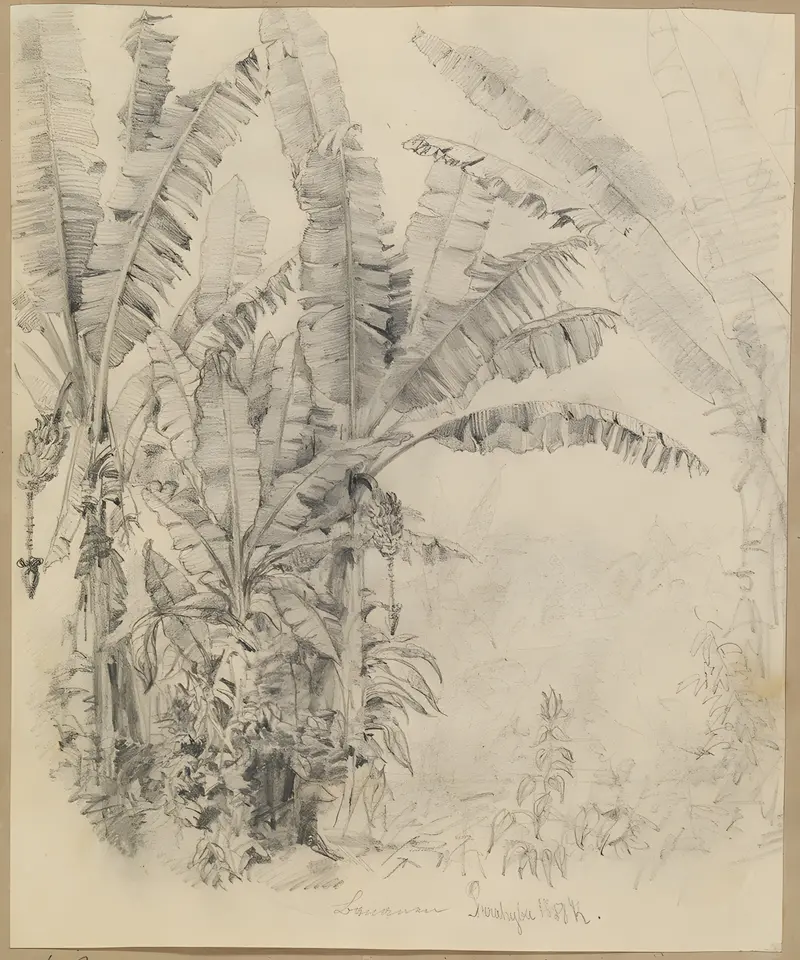
Im Urwald- Palmengewächse
Ferdinand Keller

Diana
Ferdinand Keller





