
Bretons in the Forest of Huelgoat — History & Facts
In Bretons in the Forest of Huelgoat, vibrant colors dominate the scene, with lush greens and earthy browns creating a rich backdrop. The figures of the Bretons are depicted in traditional attire, blending harmoniously with the forest setting. The composition captures a moment of leisure, as the figures interact with their natural surroundings.
The play of light through the trees adds depth and warmth to the painting. The painting is executed in oil on canvas, a common medium for the Post-Impressionist movement. Sérusier employs bold brushstrokes and a vivid color palette, characteristic of his style. The use of color is not merely representational but also emotional, conveying the essence of the Breton landscape.
Viewers can appreciate the textural quality of the paint, which enhances the overall visual experience. Paul Sérusier was a key figure in the Post-Impressionist movement and a member of the Nabis group. Bretons in the Forest of Huelgoat reflects his interest in color theory and the emotional impact of color. An interesting fact about this work is that it was inspired by Sérusier's travels in Brittany, where he sought to capture the essence of the region's culture and landscape.
This painting exemplifies his innovative approach to landscape painting.
More Artworks by Paul Sérusier

Bretonnes, Réunion Dans Le Bois Sacré
Paul Sérusier
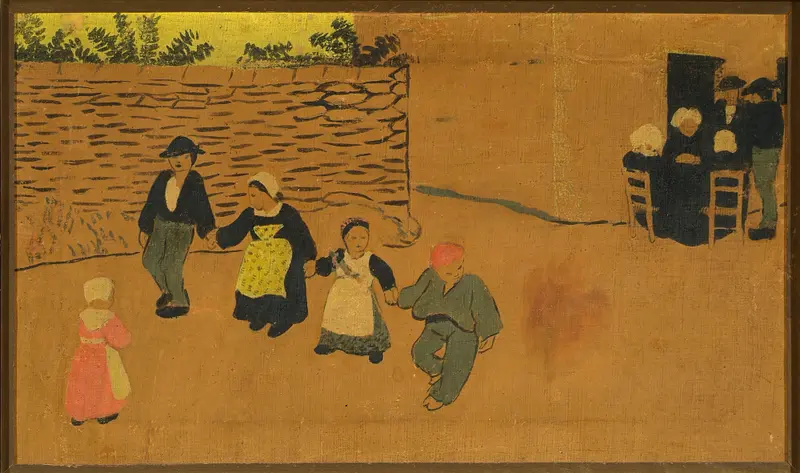
Breton panel with children
Paul Sérusier
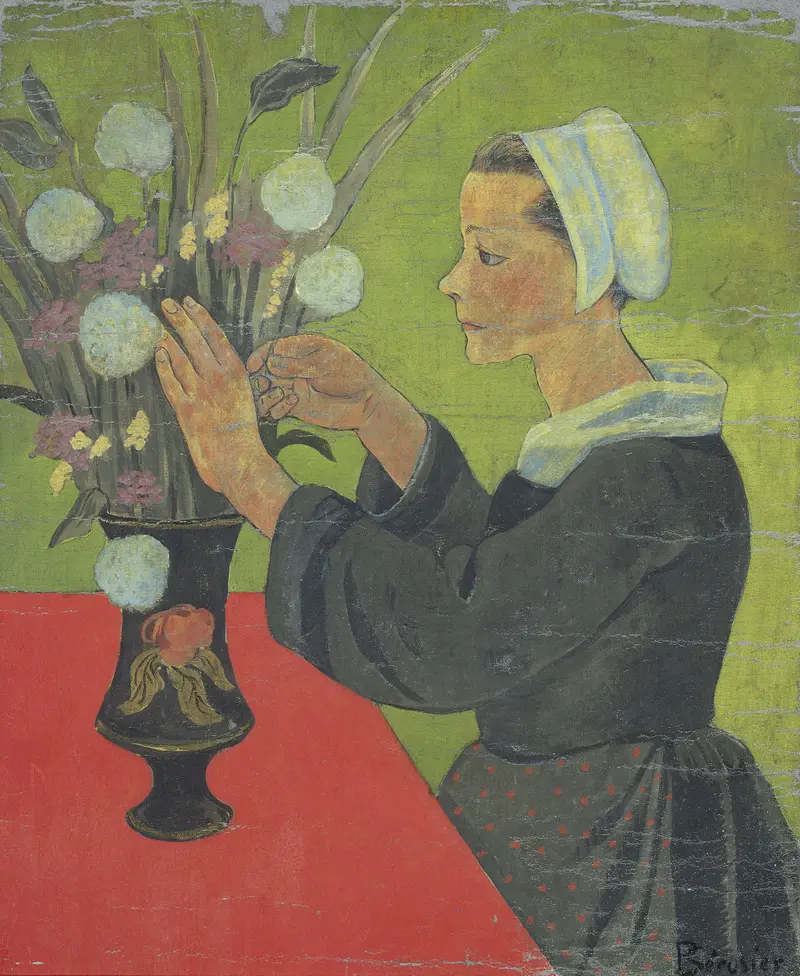
Bretonne au bouquet (Huelgoat)
Paul Sérusier
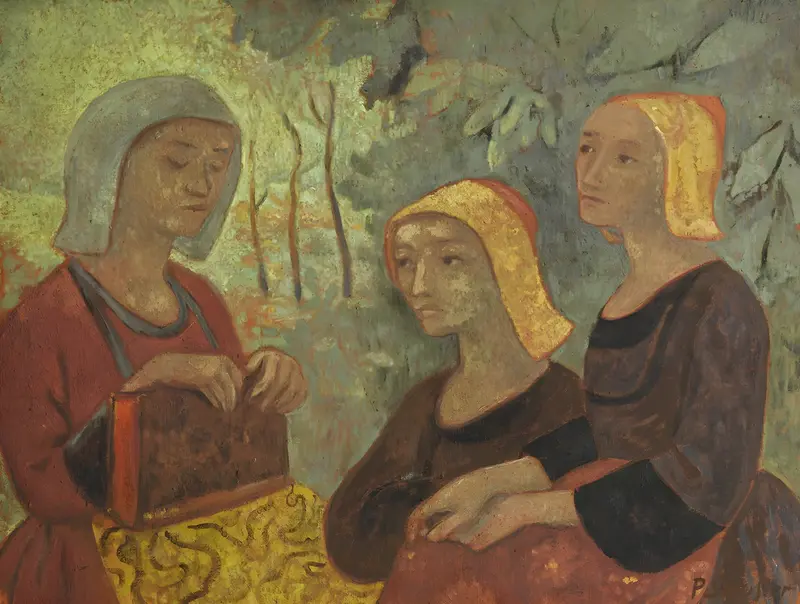
Bretonnes au livre
Paul Sérusier
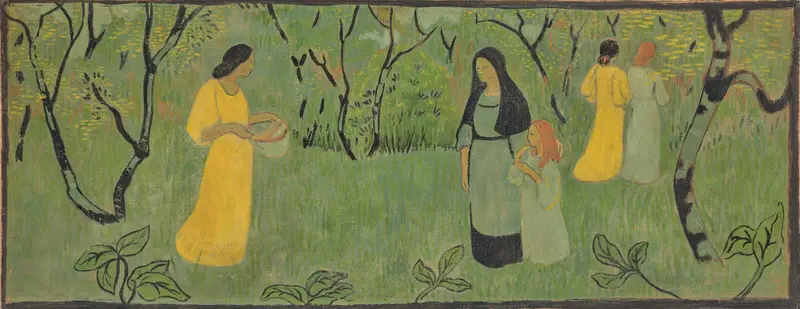
Promenade du Dimanche (Robes Jaunes)
Paul Sérusier
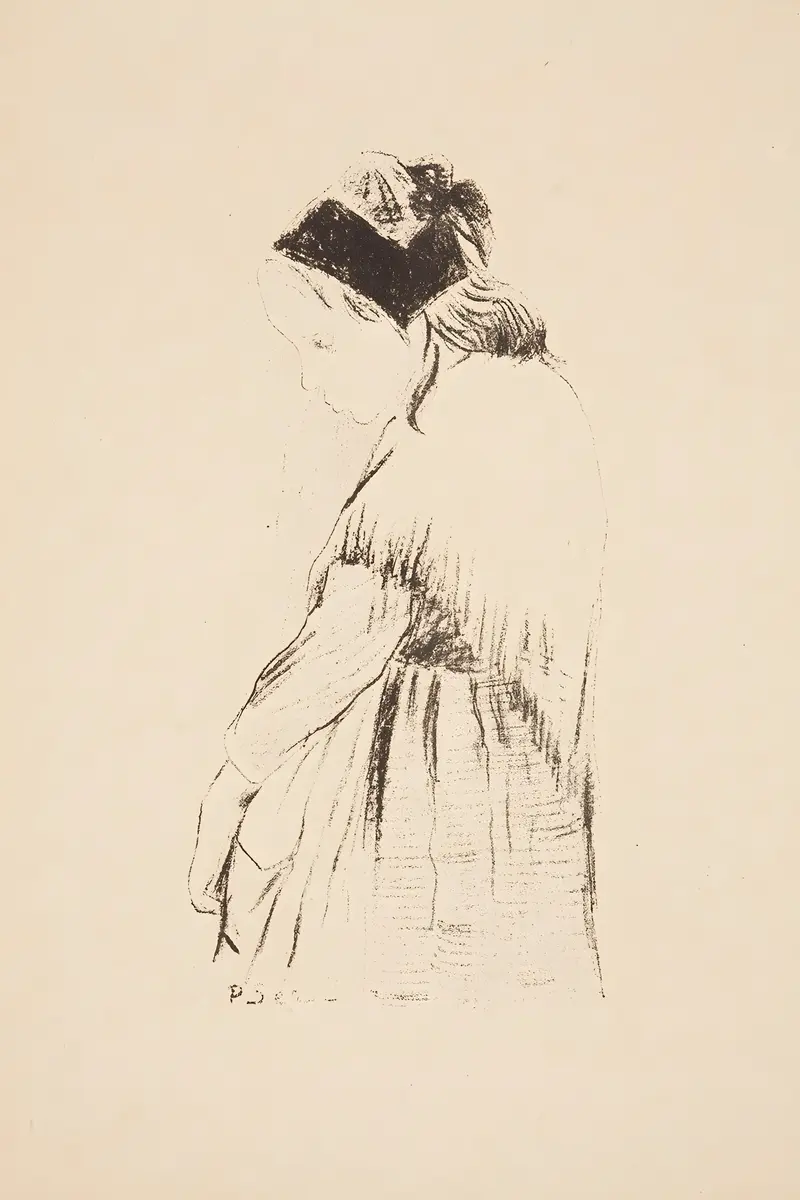
Jeune Bretonne
Paul Sérusier
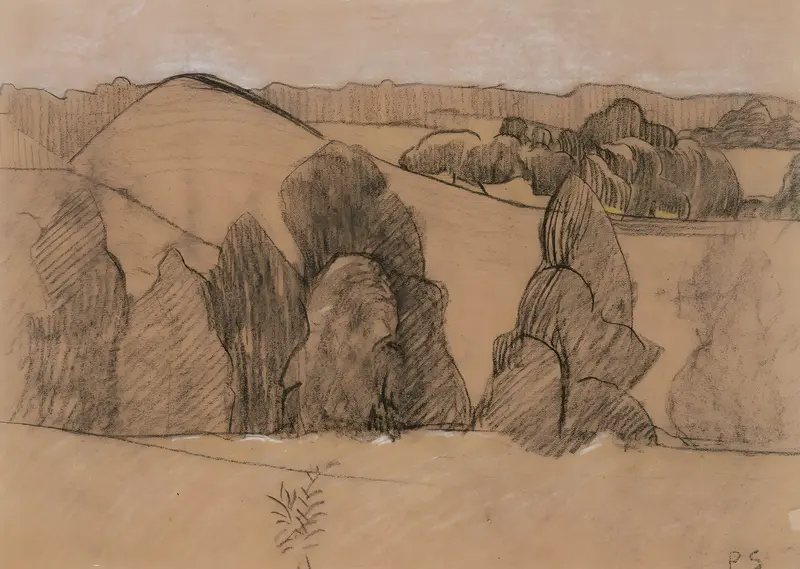
Landscape in Brittany
Paul Sérusier
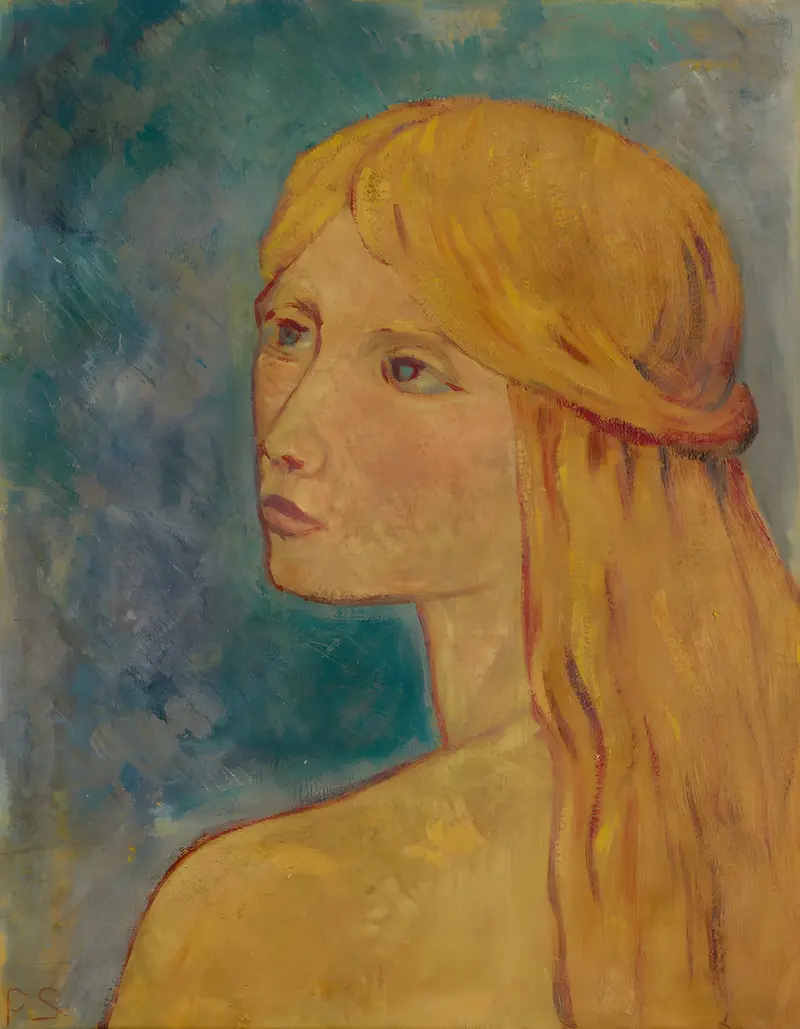
La Rousse
Paul Sérusier
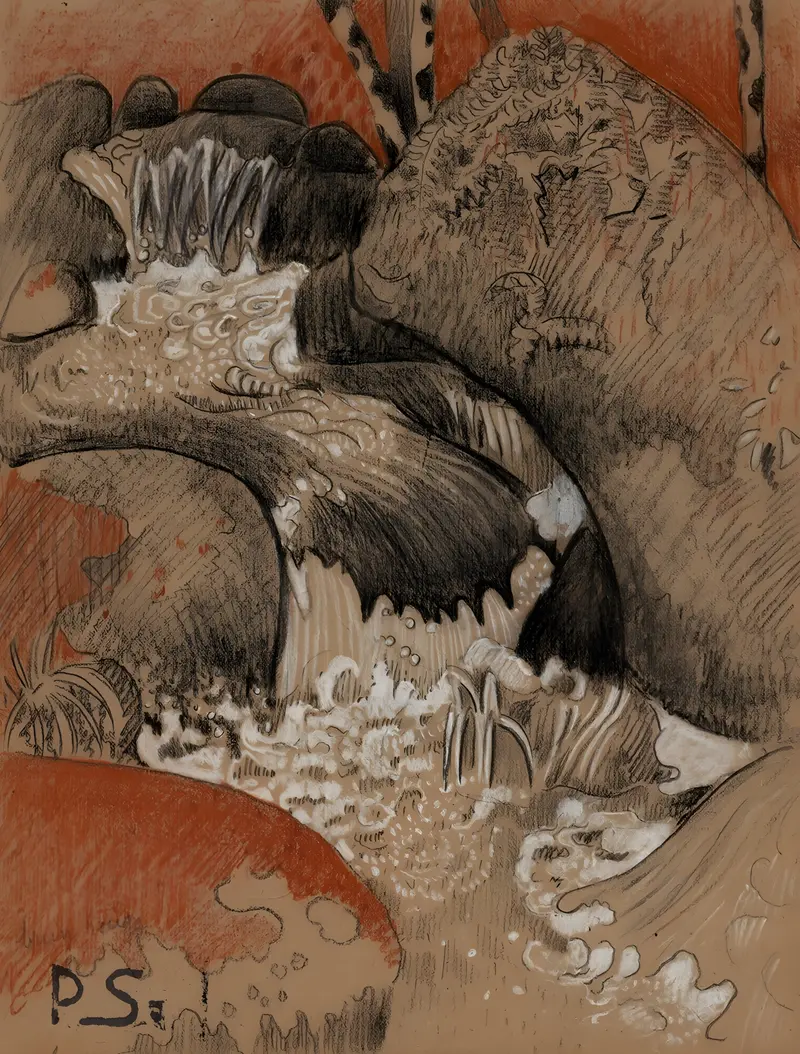
Rochers d’Huelgoat
Paul Sérusier
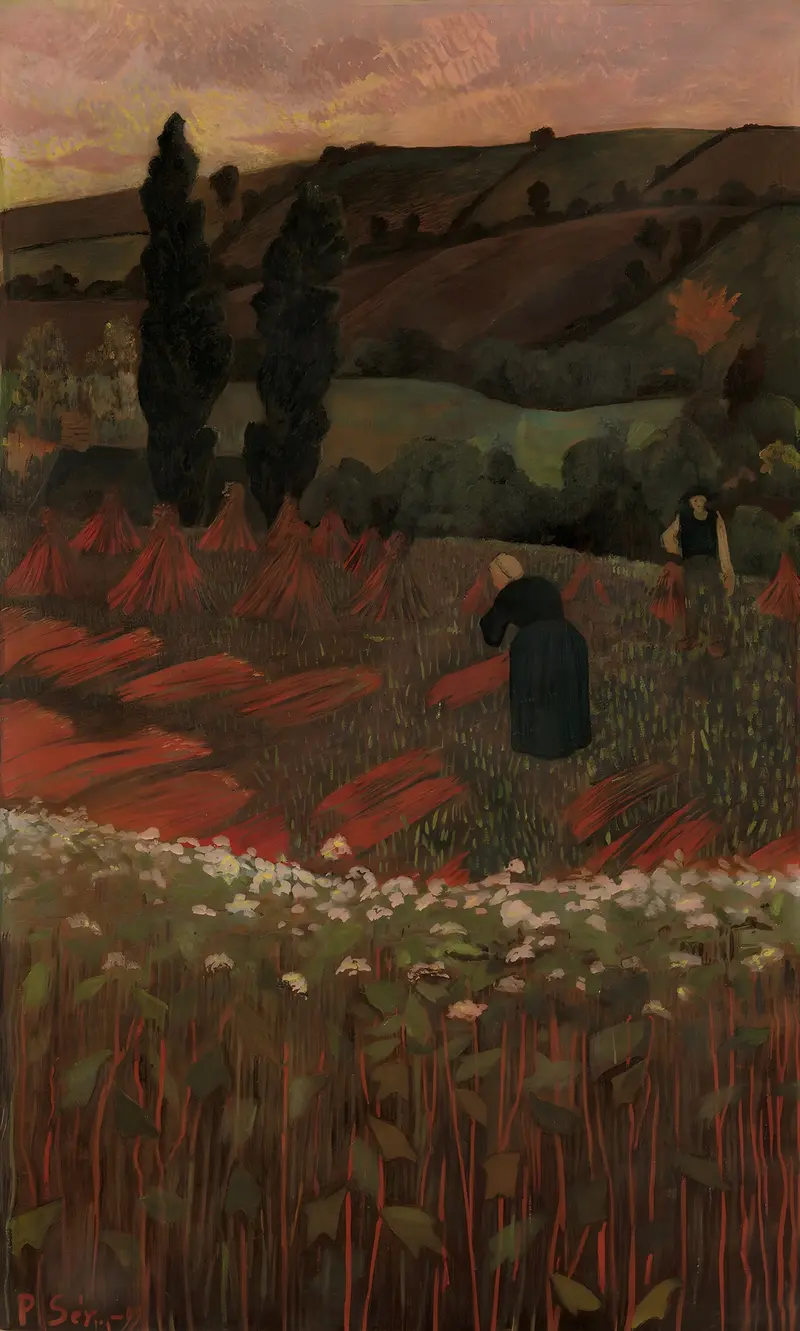
The Harvest of Buckwheat
Paul Sérusier
More Landscape Art

The Starry Night
Vincent van Gogh

View of Delft
Johannes Vermeer

Water Lilies
Claude Monet

The Grand Canal, Venice, looking north-west from the Ca' Corner to the Ca' Contarini degli Scrigni, with the campanile of Santa Maria della Carità
Canaletto

Windsor Castle
Canaletto

The Grand Canal looking North-East from the Palazzo Dolfin-Manin to the Rialto Bridge
Canaletto