
Bride and groom — History & Facts
When Amedeo Modigliani painted Bride and groom in 1915, he was living through one of the most turbulent years of his life—war had swept across Europe, and Modigliani himself was in Paris, scraping by in Montparnasse amid poverty and illness. What makes this work remarkable is that it stands among the rare double portraits by Modigliani, who almost always painted solitary, elongated figures. The identity of the couple remains uncertain, fueling speculation among scholars: are they friends, clients, or perhaps actors in a symbolic tableau? This ambiguity has only added to the painting’s allure, as viewers over the decades have projected their own stories onto the enigmatic pair. The two figures sit side by side, their bodies close but their gazes distant, as if each is lost in private thought at the very threshold of a shared future.
The groom’s angular face and dark suit contrast with the bride’s paler, oval features and simple dress, both rendered in Modigliani’s signature style—elongated necks, almond eyes, and mask-like expressions. Their hands, though nearly touching, do not quite meet, suggesting a tension between intimacy and separation. The muted palette and flat background focus all attention on the figures themselves, echoing the psychological stillness found in Modigliani’s other portraits.
Unlike the lively, anecdotal wedding scenes of Marc Chagall, here the moment is distilled to its emotional essentials: union and solitude, hope and uncertainty. The precise provenance of Bride and groom is unclear, as is common with many of Modigliani’s works from this period, which were often sold directly to friends and dealers in Paris. The medium itself is uncertain, though many believe it to be oil on canvas, consistent with his other portraits from 1915. Over the years, the painting has passed through private collections and has occasionally appeared in exhibitions devoted to the artist’s brief but prolific career.
Today, it stands as a testament to Modigliani’s unique vision during the early years of the School of Paris, capturing both the intimacy and mystery that have come to define his legacy.
More Artworks by Amedeo Modigliani
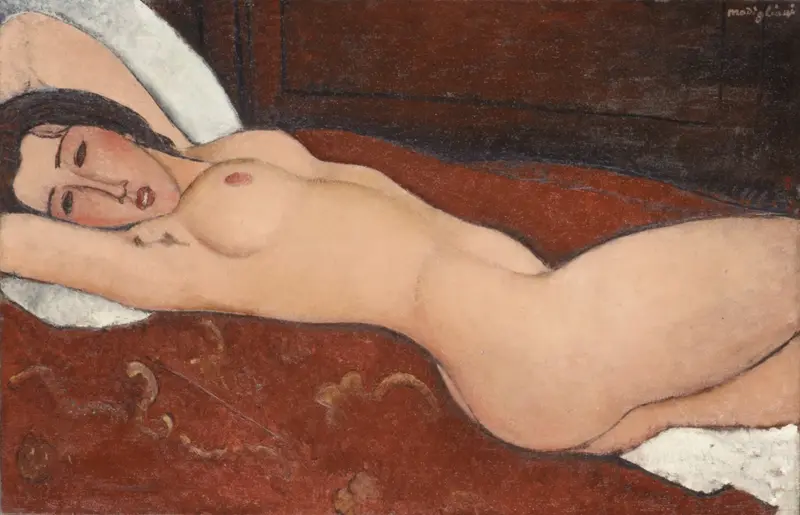
Reclining Nude
Amedeo Modigliani

Portrait Of Jeanne Hébuterne
Amedeo Modigliani

Jeanne Hébuterne
Amedeo Modigliani
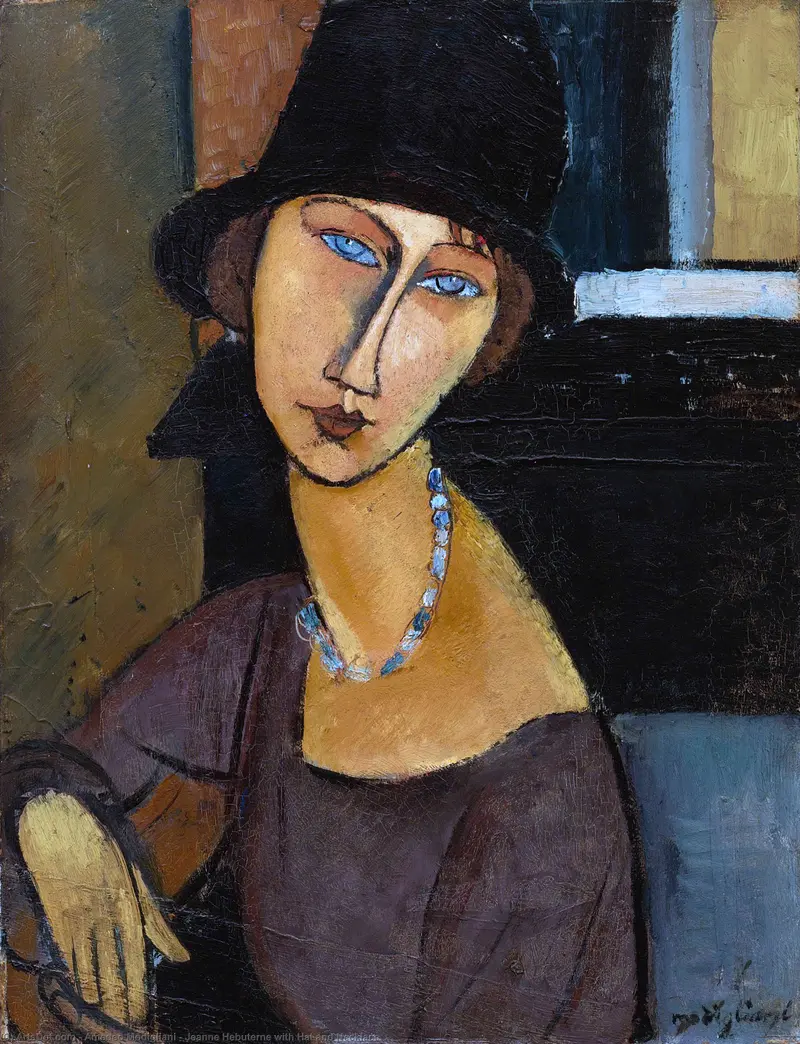
Jeanne Hébuterne with Hat and Necklace
Amedeo Modigliani
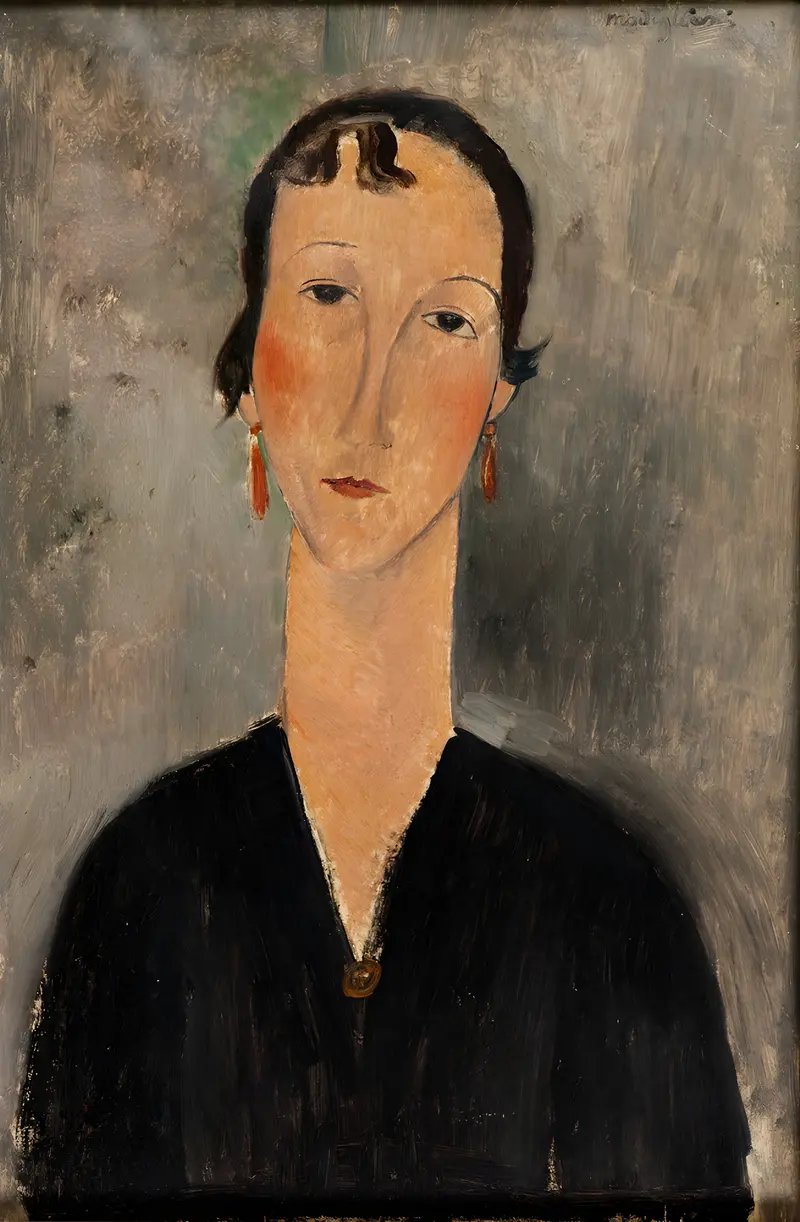
Femme aux boucles d'oreilles
Amedeo Modigliani
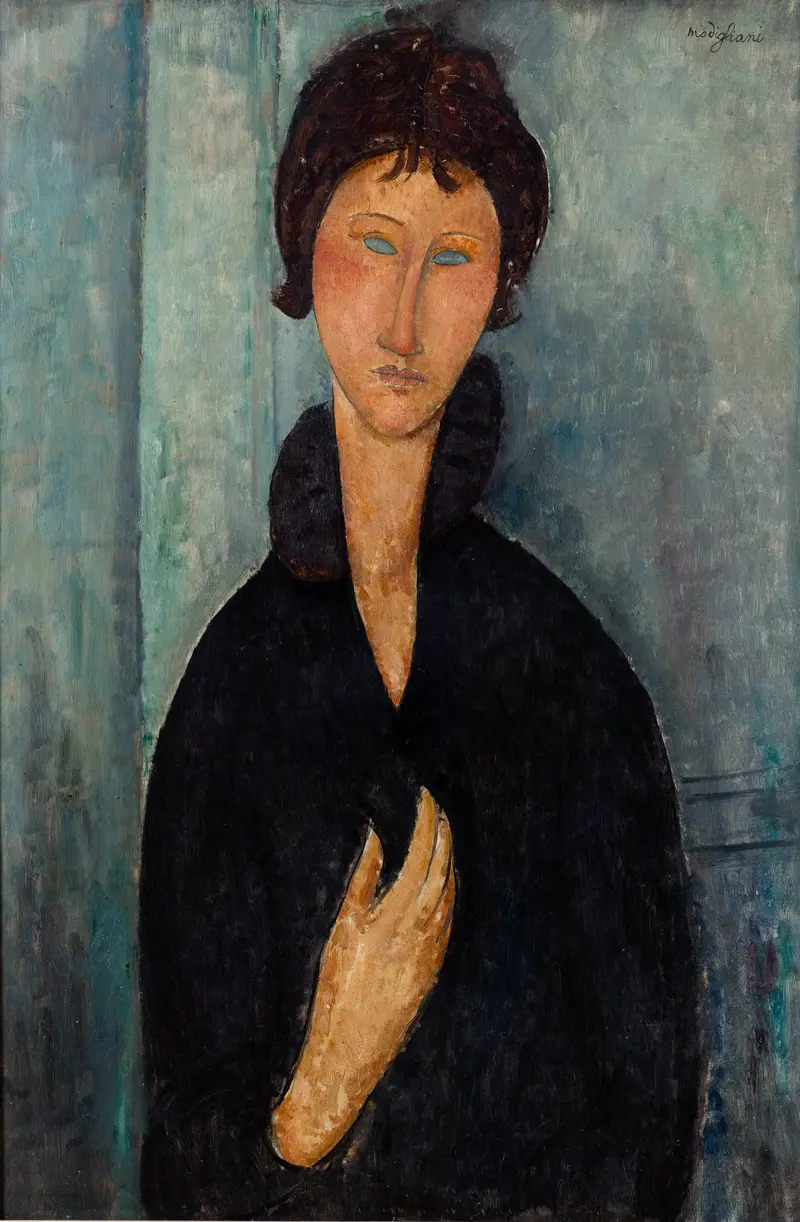
Femme aux yeux bleus
Amedeo Modigliani
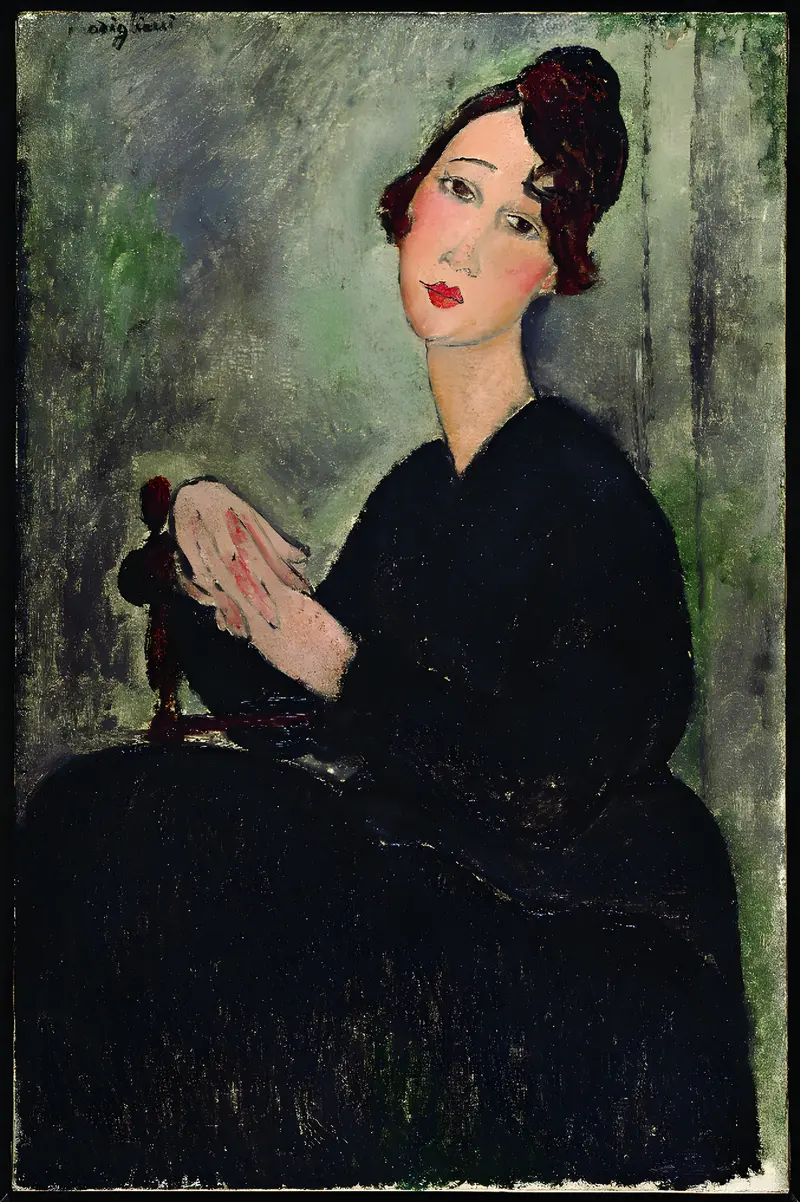
Portrait of Dedie
Amedeo Modigliani
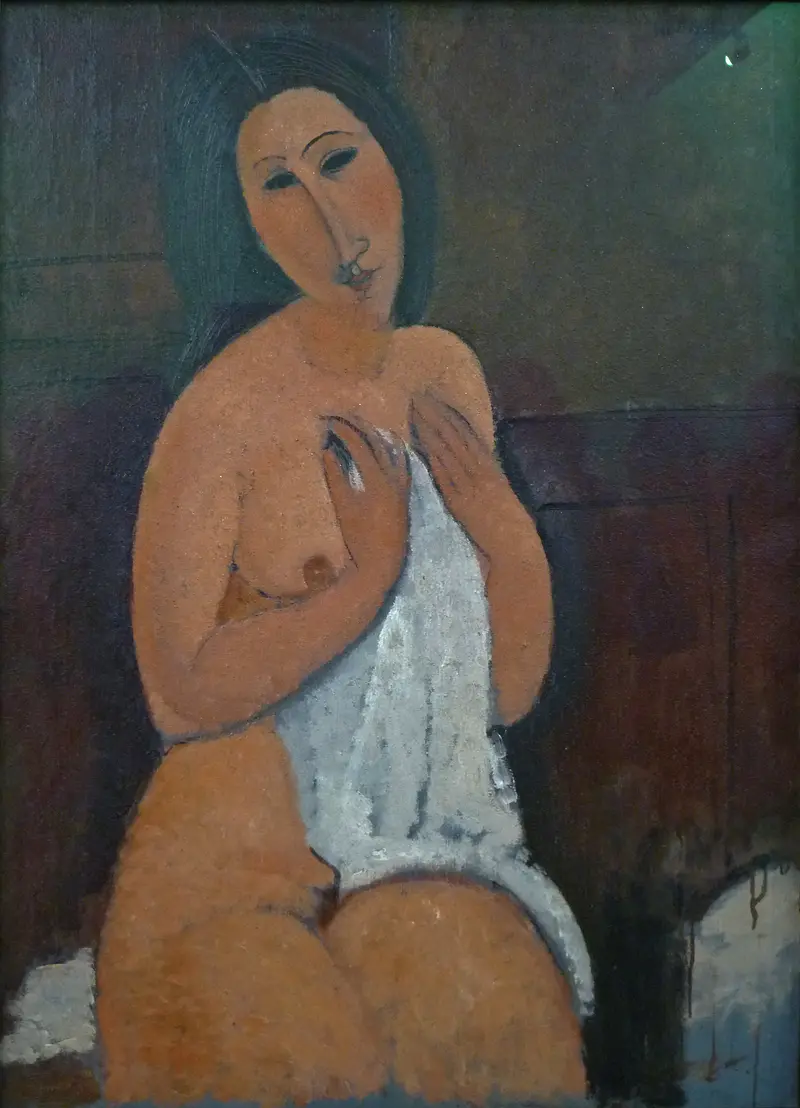
Seated nude with shirt
Amedeo Modigliani
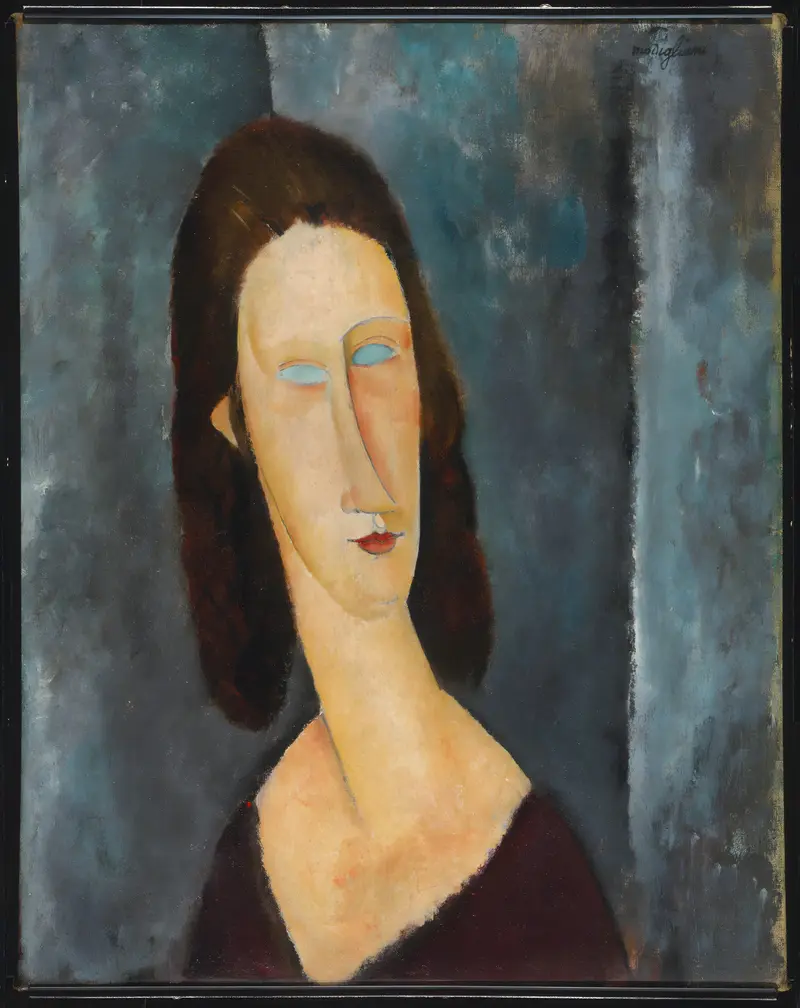
Blue Eyes (Portrait of Madame Jeanne Hébuterne)
Amedeo Modigliani
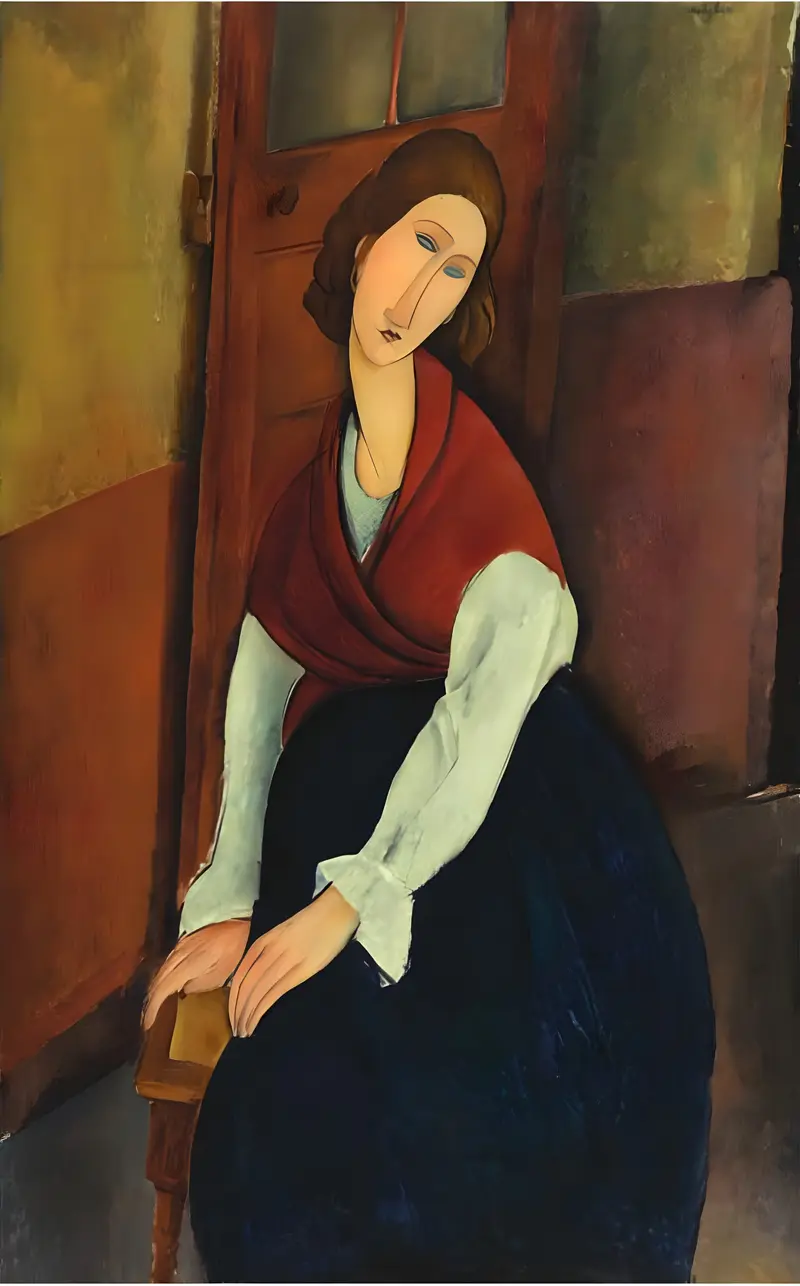
Jeanne Hebuterne in Red Shawl
Amedeo Modigliani





