
Bridge — History & Facts
What if beauty was never meant to be finished? In Bridge, the lingering sense of incompletion invites the viewer to contemplate the void between aspiration and reality. It speaks to the delicate balance between creation and the ephemeral nature of life itself. Focus first on the curved lines of the bridge that gracefully emerge from the lower left corner, drawing your eye upwards. The soft yet vibrant palette of earthy greens and muted browns evokes a sense of tranquility that contrasts with the stark angles of the structure.
Notice how the light delicately dances across the surface, illuminating certain areas while allowing others to fade into shadow, suggesting both permanence and transience in the work. Beneath the serene surface, emotional tensions pulse through this piece. The bridge symbolizes a connection between two realms, yet its unfinished quality hints at an elusive destination, a journey that may never reach completion. The empty spaces surrounding the bridge create a profound sense of void, provoking introspection about what lies beyond and the aspirations forever out of reach. Ferdinand Katona painted Bridge during a tumultuous period in the late 19th to early 20th century, a time marked by rapid societal change and artistic evolution.
Living in Hungary, he witnessed the shift from traditional artistic practices to more modern interpretations, which influenced his approach. This era was characterized by a quest for new forms of expression as artists grappled with the complexities of modern life, a theme that resonates deeply within this evocative piece.
More Artworks by Ferdinand Katona
Browse all →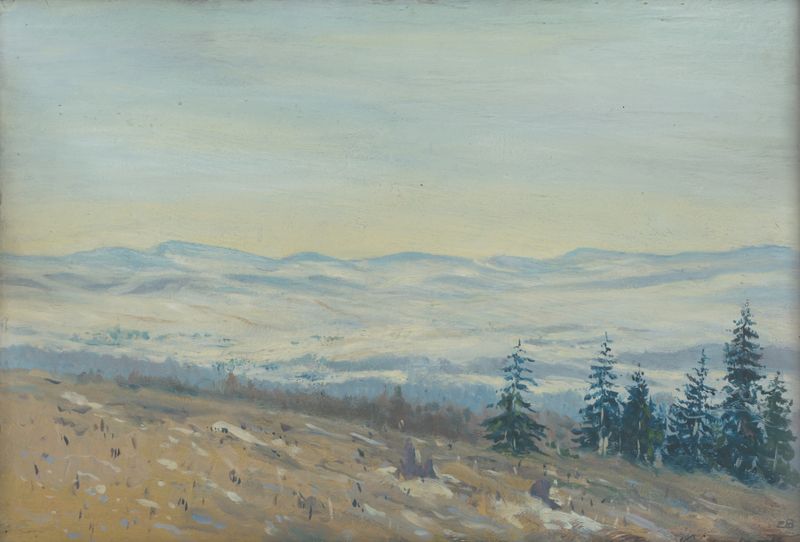
High Tatras
Ferdinand Katona
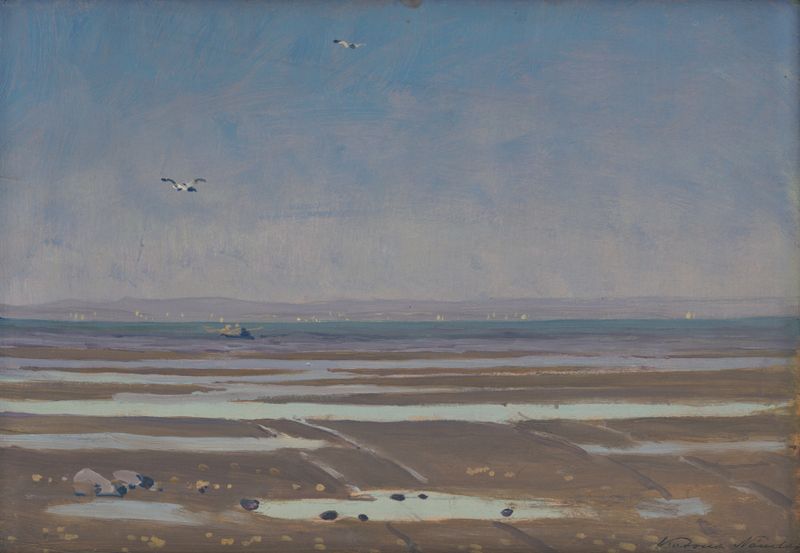
Early spring
Ferdinand Katona
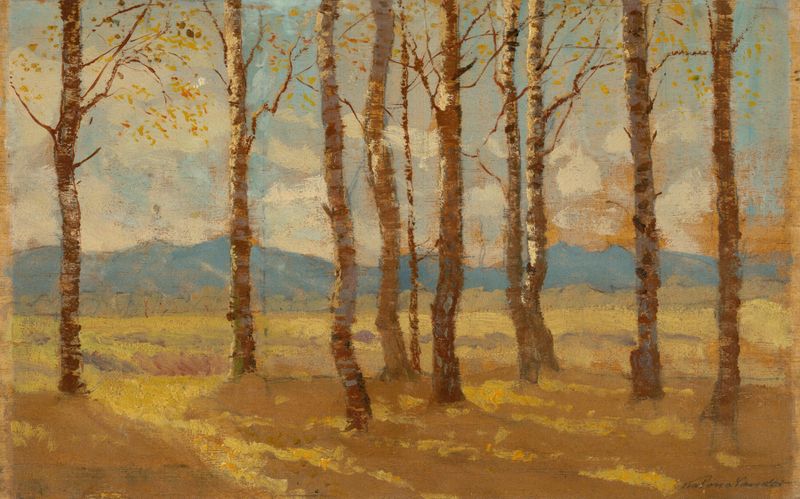
Birches in Autumn
Ferdinand Katona
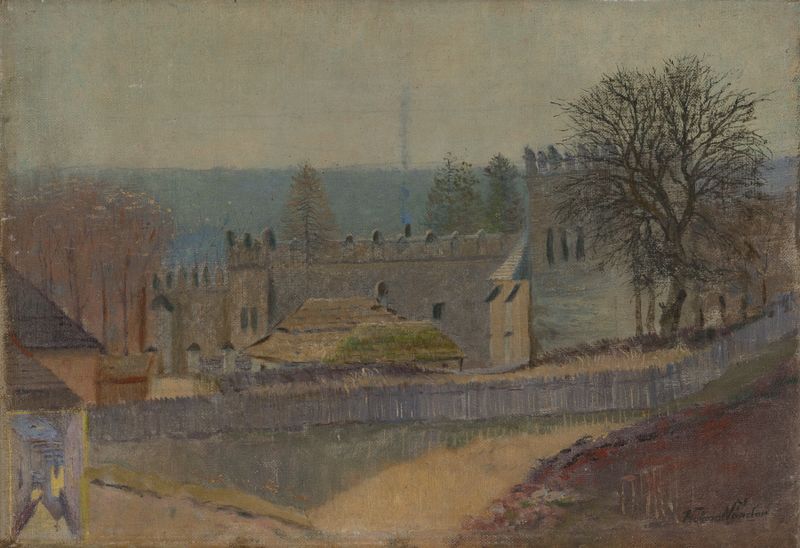
View of Strážky
Ferdinand Katona
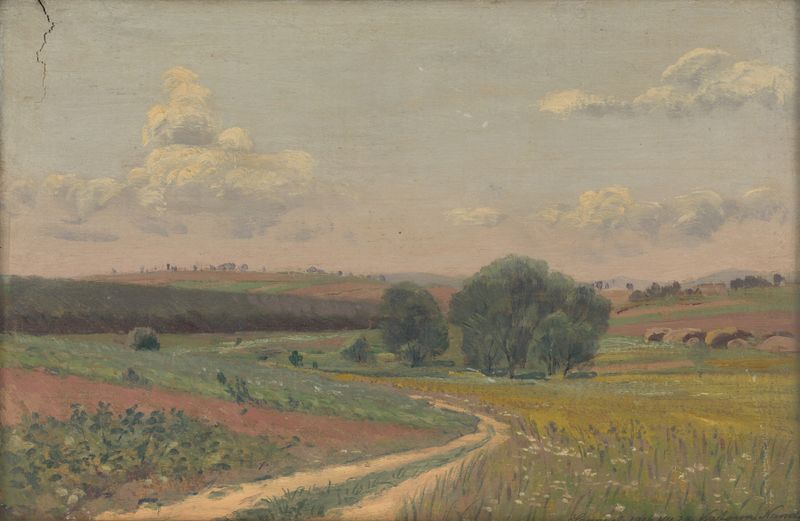
Landscape with a dirt road
Ferdinand Katona
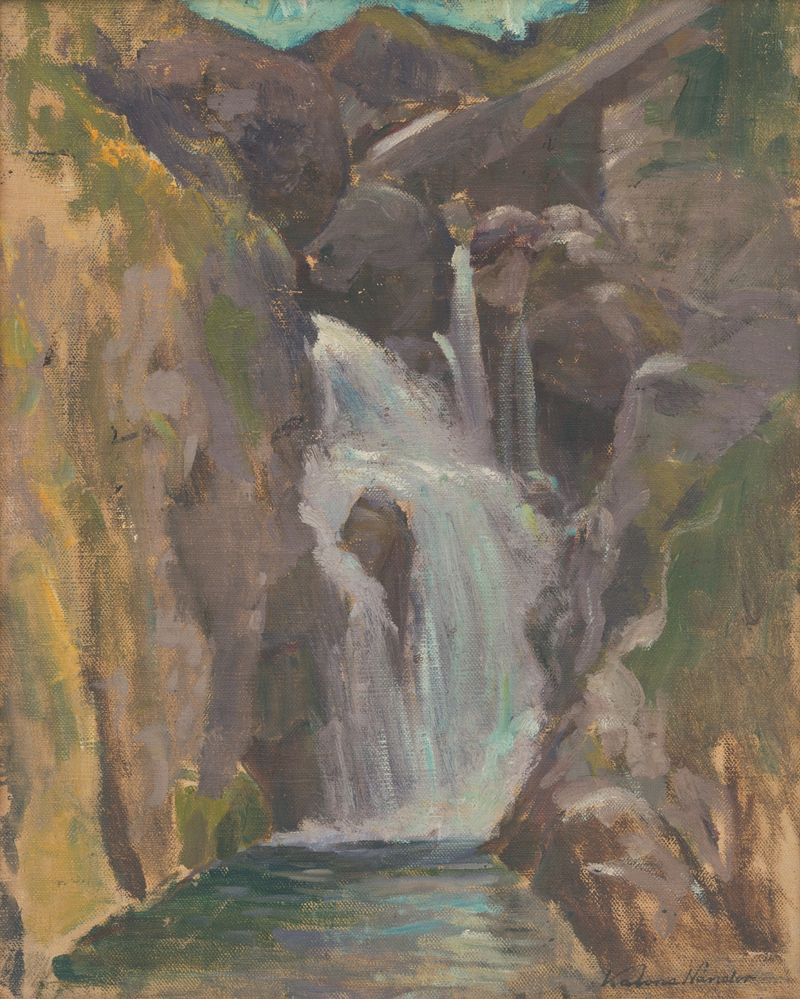
Waterfall
Ferdinand Katona
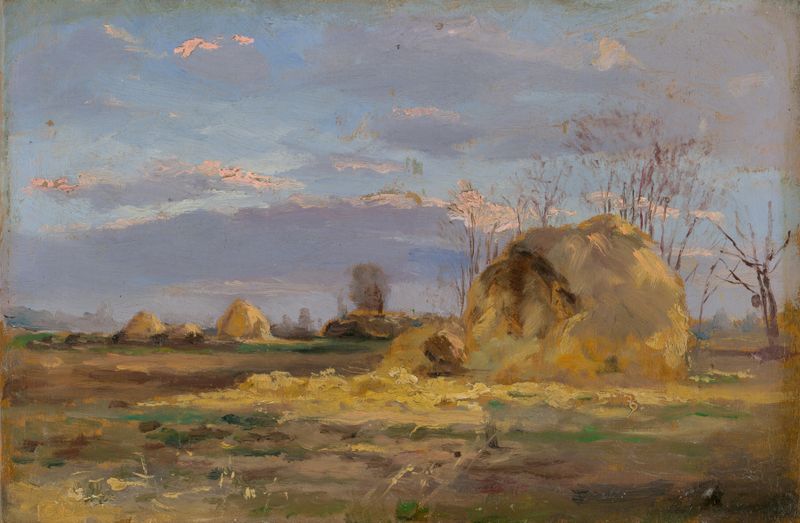
Autumn Landscape with Trees
Ferdinand Katona
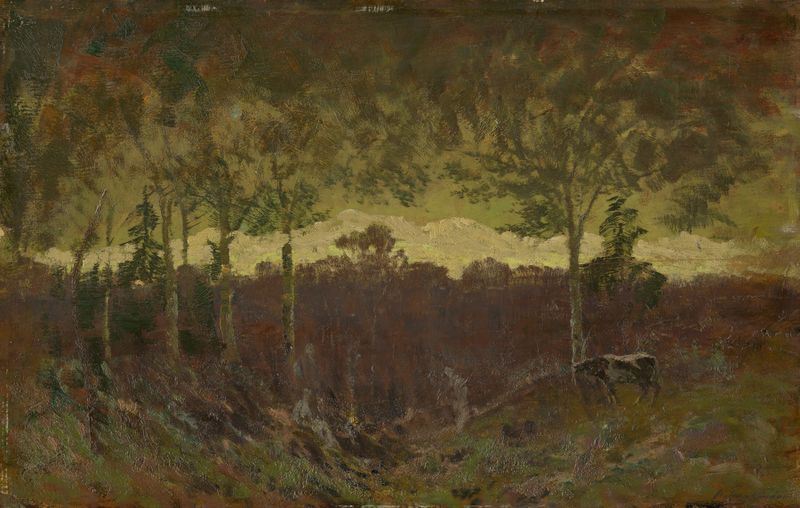
Early Evening Tatras Landscape
Ferdinand Katona
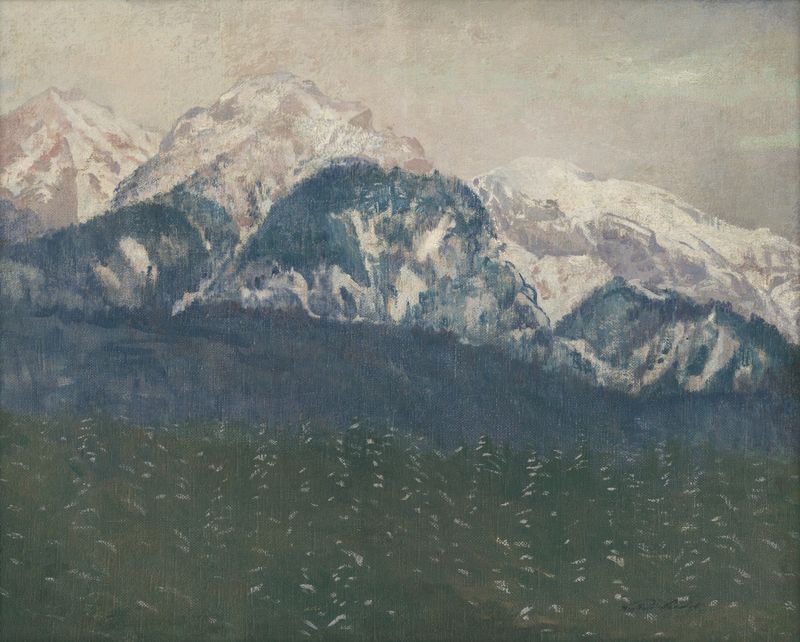
View of the High Tatras
Ferdinand Katona
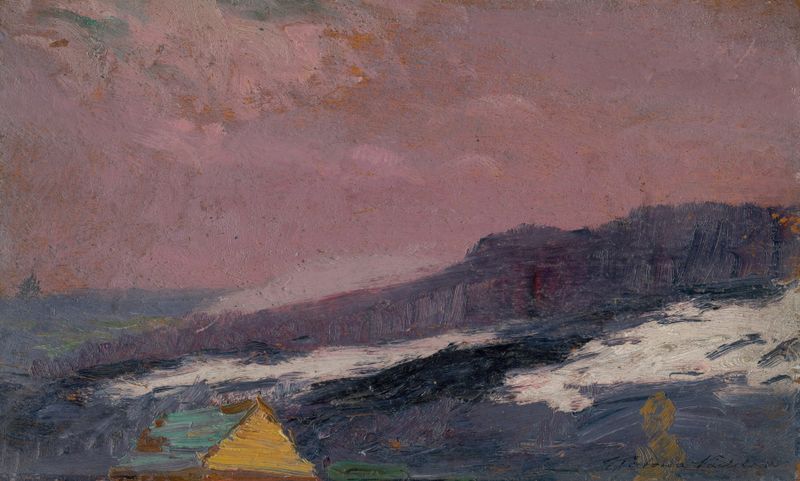
Early Spring
Ferdinand Katona





