
Bridge — History & Facts
Can beauty exist without sorrow? In the composition of Bridge, the tension between chaos and harmony stirs a profound emotional resonance. Look to the center of the canvas, where a grand structure rises above a turbulent river. The bridge, expertly rendered, captures the eye with its intricate arches and solid foundation, suggesting stability amidst the chaos below. Notice how the muted, earthy tones of the surrounding landscape contrast sharply with the vivid blues and greens of the water, creating a dynamic interplay that both calms and excites the senses. Delve deeper into the painting’s subtleties: the swirling currents beneath the bridge whisper of nature’s raw power, while the delicate foliage on the banks signifies life’s resilience.
Each brushstroke evokes a sense of transience; the bridge stands as a metaphor for connection in a world fraught with turmoil. The careful balance of light and shadow not only accentuates the structure’s form but also hints at the dualities of existence—beauty and chaos intertwined. Charles Hamilton Smith created Bridge during a period when Romanticism was shaping the art world, likely in the early 19th century. Living in England amidst a backdrop of industrialization and societal change, he was drawn to the natural world and its intersection with human ingenuity.
This painting reflects both the era's fascination with nature and the emerging tensions as society grappled with the transformations brought on by progress.
More Artworks by Charles Hamilton Smith
Browse all →
Situation of H.M.S. Hecla & Griper
Charles Hamilton Smith
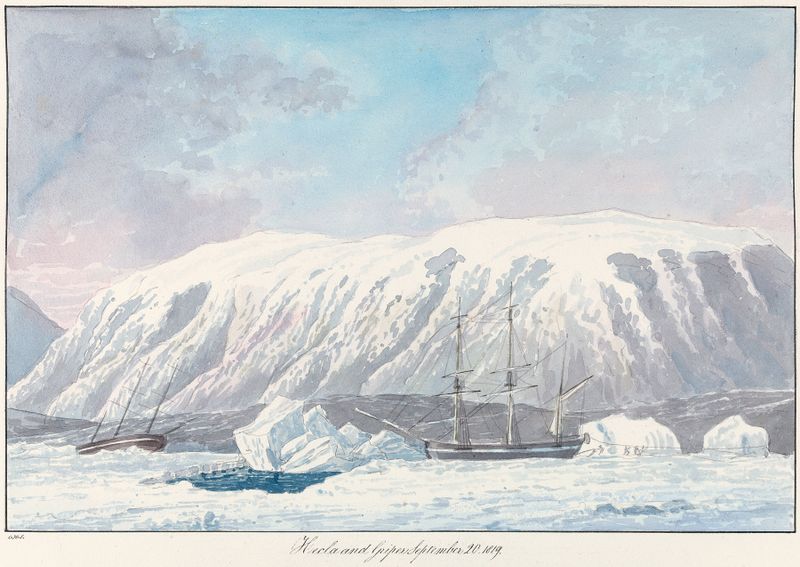
Hecla and Griper
Charles Hamilton Smith

Friendly Cove, Nootka Sound
Charles Hamilton Smith

Iceberg in Baffin’s Bay
Charles Hamilton Smith
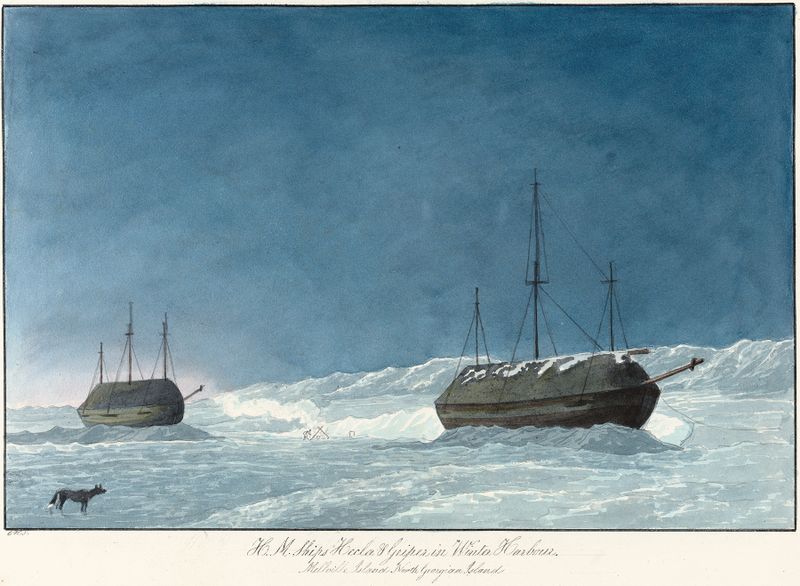
H. M. Ships Hecla and Griper in Winter Harbour
Charles Hamilton Smith

The Erebus & Terror in a Gale in the Pack of the Ice
Charles Hamilton Smith
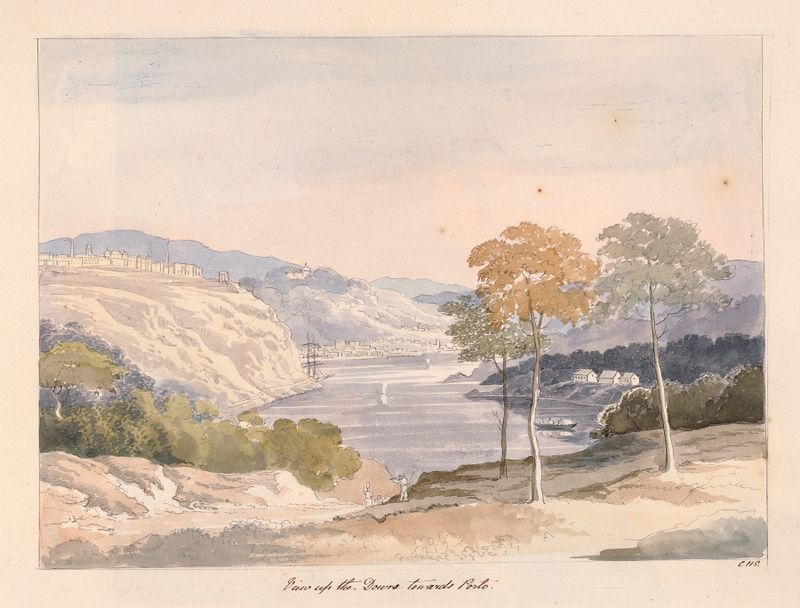
View of the Douro towards Porto
Charles Hamilton Smith
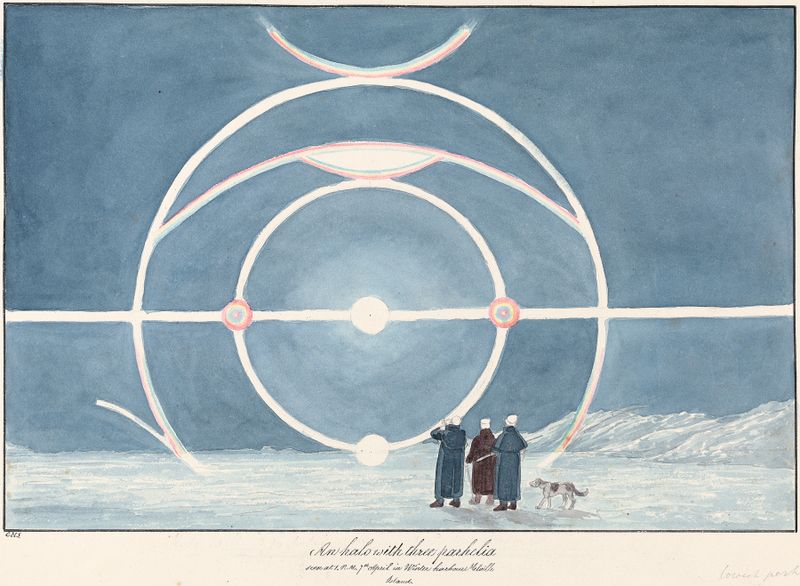
Halo with Three Parhelia, Winter Harbour Melville Island
Charles Hamilton Smith
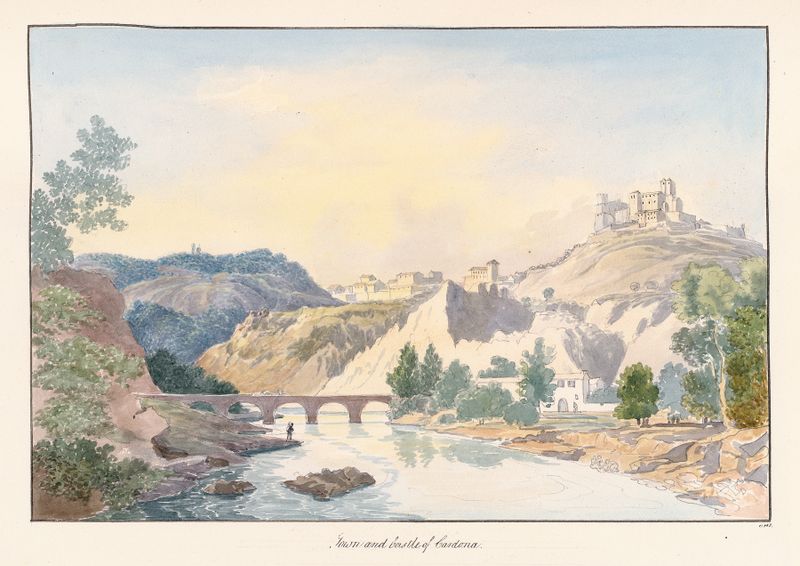
Town and Castle of Cardona
Charles Hamilton Smith
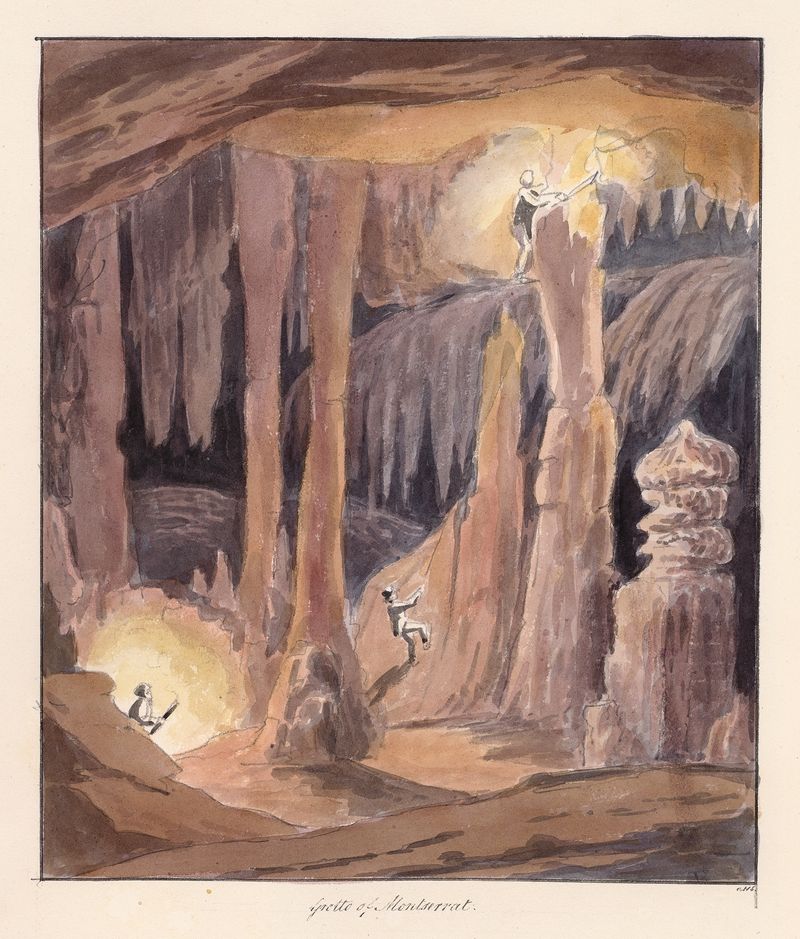
Grotto of Montserrat
Charles Hamilton Smith





