Bridge in Brussels — History & Facts
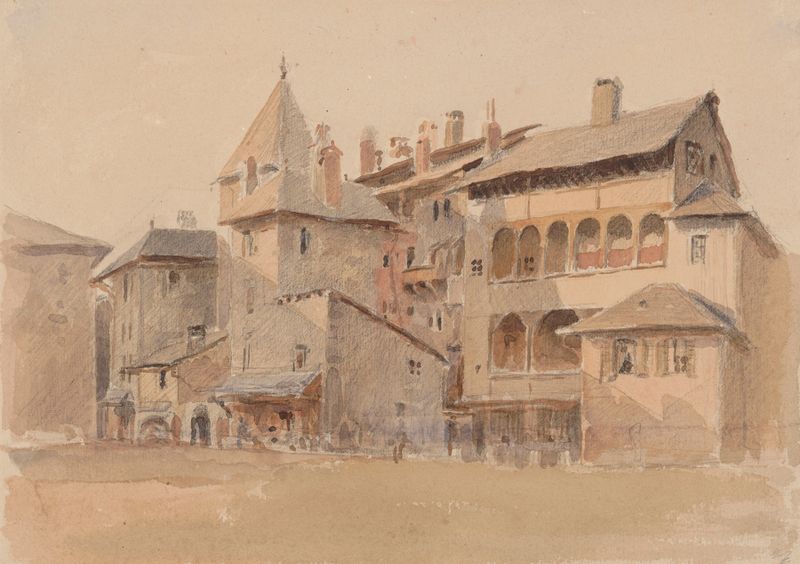
In the delicate interplay of hues and brushstrokes, memory finds its canvas, whispering stories of places we may never have visited but feel intimately connected to. Look closely at the center of the piece, where a graceful bridge arches over a tranquil canal, its reflection shimmering in the still water below. The cool blues and soft greens evoke a sense of calm, while the dappled light hints at a fleeting moment captured in time. Notice how the gentle contours of the landscape cradle the structure, emphasizing both its strength and fragility, as if it exists in a dream suspended between reality and recollection. Yet beyond the tranquil surface lies a tension rooted in the passage of time.
The bridge stands as a metaphor for connection, linking past to present, memory to reality. Small figures can be seen on the far bank, their presence almost ghostly, suggesting the stories of those who have crossed before. The vibrant colors juxtaposed with the subdued tones of the surrounding landscape evoke nostalgia, hinting at the bittersweet nature of reminiscence. In 1872, the artist created this work while living in Brussels, a city alive with cultural exchange and artistic innovation.
It was a period marked by a search for new expressions in art, where traditional ideas were challenged and redefined. Borio, navigating this evolving landscape, infused his painting with a sense of both tranquility and complexity, reflecting the world around him and his own evolving vision.