
Bridge of Castello Bom on the Coa — History & Facts
Could beauty survive in a century of chaos? This question lingers like a whisper in the wake of historical turmoil, challenging us to reflect on the delicate balance between nature's serenity and humanity's unrest. Look to the left at the gentle arch of the bridge, a poignant connection between two worlds. The soft hues of twilight wash over the landscape, illuminating the stones with a golden glow, while the silhouetted trees frame the scene with elegance. Notice how the water reflects the sky's warm palette, creating an ethereal mirror that invites you to linger, to dream, to remember.
Each brushstroke captures not just the physical contours of the landscape but evokes a sense of longing, as if the viewer is peering into a memory rather than an immediate reality. Beneath this picturesque façade lies a tension between permanence and impermanence. The bridge stands resilient against time, yet the fading light hints at the inevitability of change. The juxtaposition of the tranquil water and the distant hills suggests that even amid beauty, there is a whisper of melancholy—an acknowledgment of fleeting moments that once were.
This interplay speaks to the nostalgia that permeates the painting, urging the viewer to consider what has been lost and what remains. Created during a period marked by significant societal shifts, the artwork emerged from the hands of Charles Hamilton Smith in the early 19th century, a time when England was grappling with industrialization and change. He often captured landscapes imbued with a sense of history and resonance, reflecting the romantic ideals of the time. In the midst of a rapidly changing world, this work embodies a yearning for connection, both with the past and the natural world, preserving a moment that feels both eternal and ephemeral.
More Artworks by Charles Hamilton Smith
Browse all →
Situation of H.M.S. Hecla & Griper
Charles Hamilton Smith
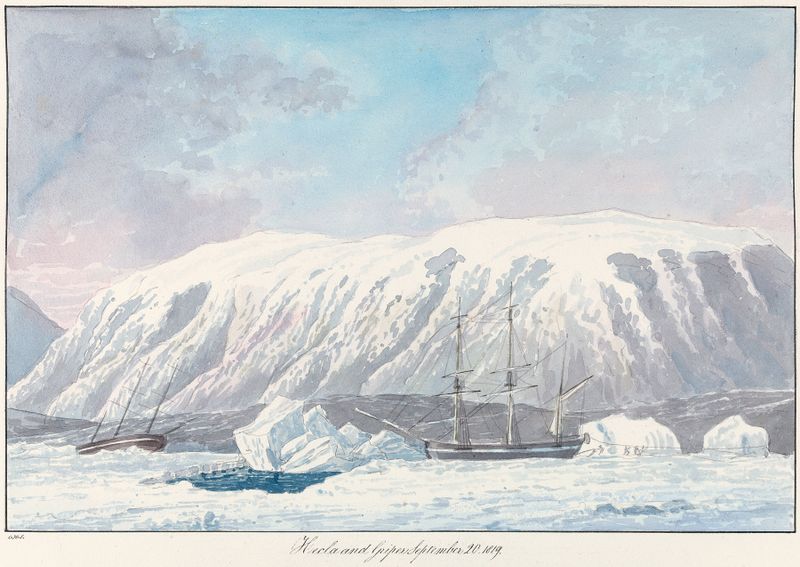
Hecla and Griper
Charles Hamilton Smith

Friendly Cove, Nootka Sound
Charles Hamilton Smith

Iceberg in Baffin’s Bay
Charles Hamilton Smith
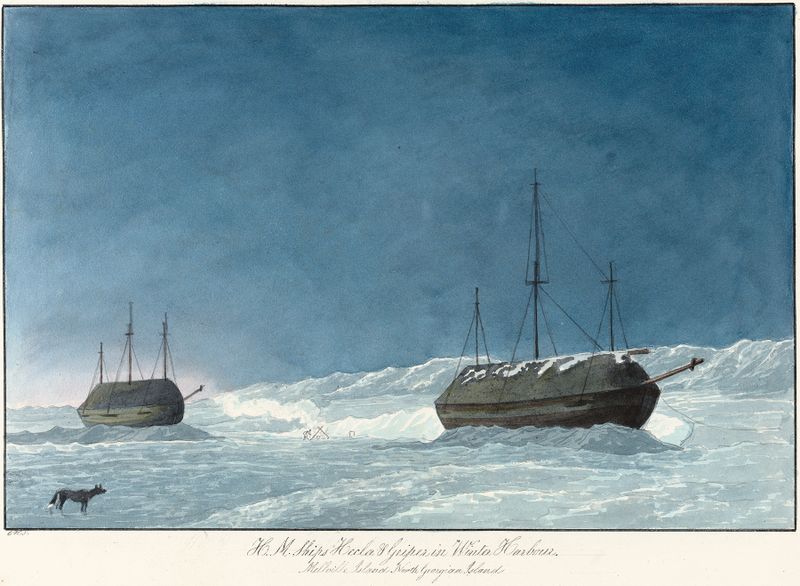
H. M. Ships Hecla and Griper in Winter Harbour
Charles Hamilton Smith

The Erebus & Terror in a Gale in the Pack of the Ice
Charles Hamilton Smith
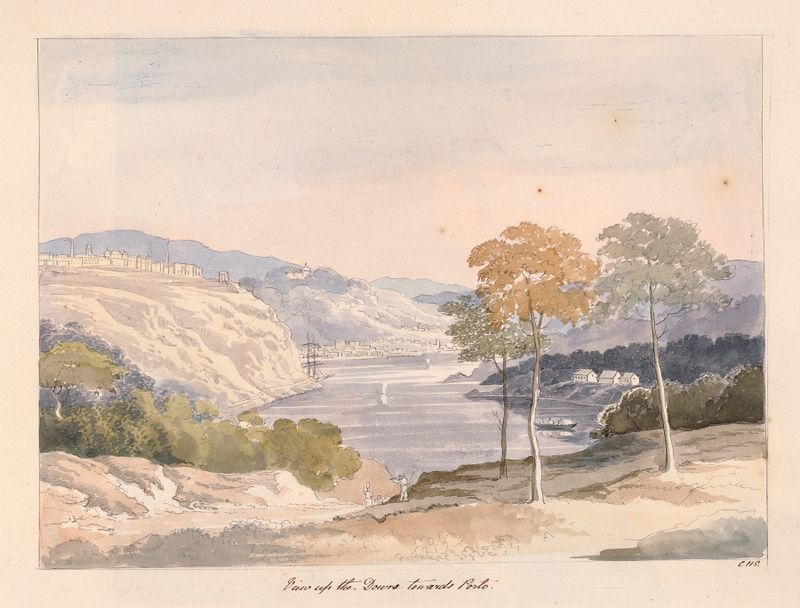
View of the Douro towards Porto
Charles Hamilton Smith
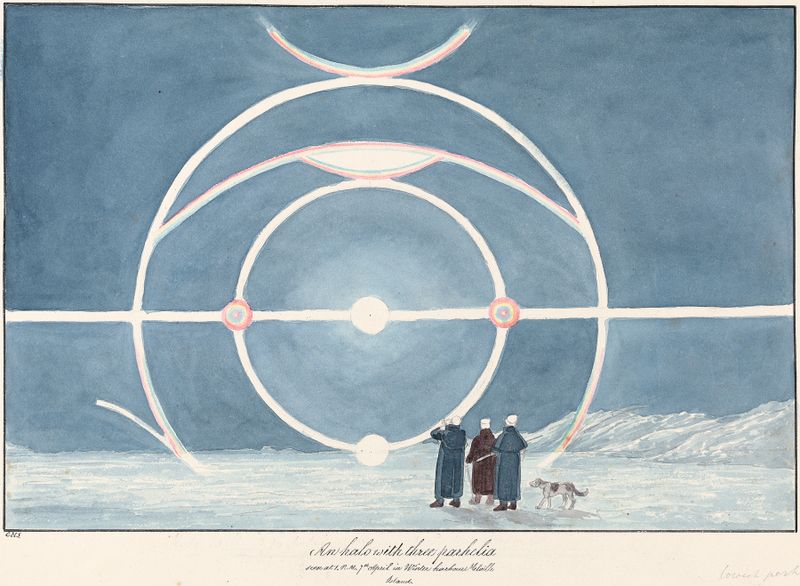
Halo with Three Parhelia, Winter Harbour Melville Island
Charles Hamilton Smith
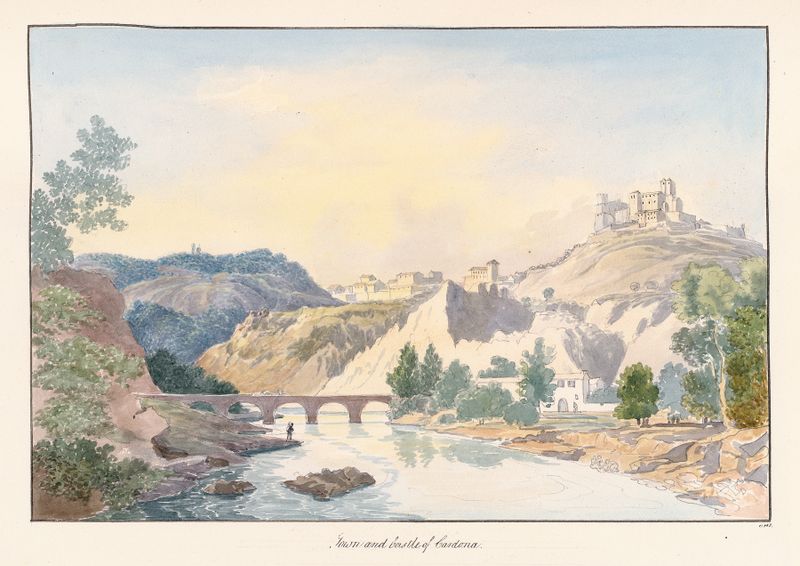
Town and Castle of Cardona
Charles Hamilton Smith
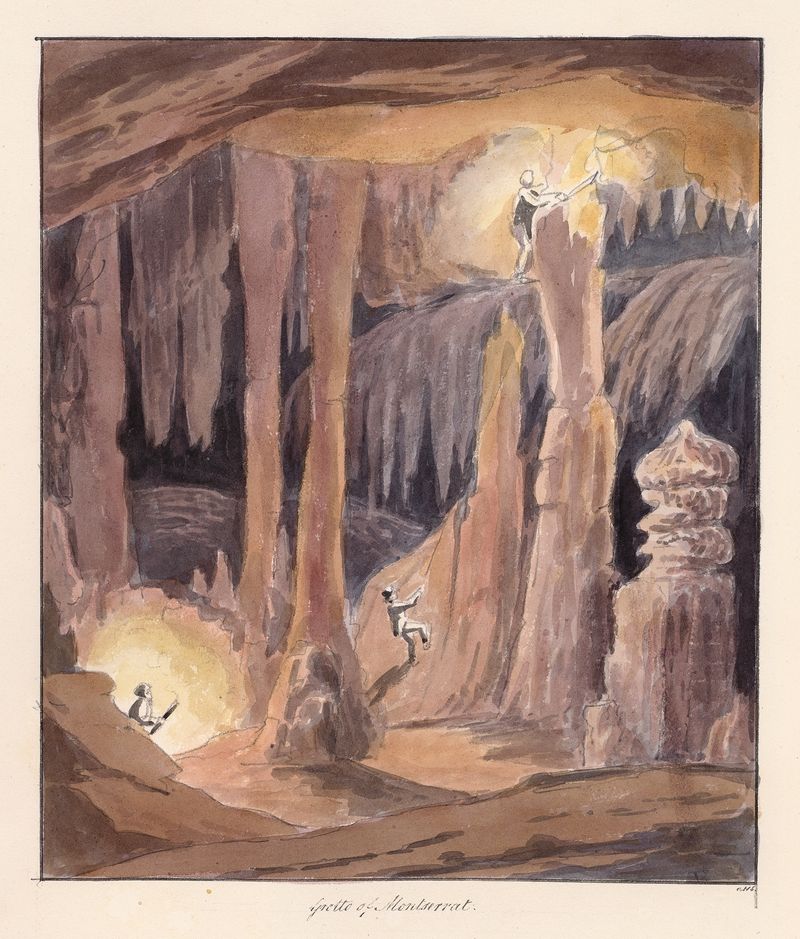
Grotto of Montserrat
Charles Hamilton Smith





