
Bridge of Martorelle — History & Facts
In the quiet spaces of art, legacies whisper and memories linger, urging us to delve deeper into the narratives they hold. Look closely at the foreground, where a delicate bridge stretches over a serene body of water, leading the eye toward the lush landscape beyond. Notice the soft hues of green and blue, painted with a gentle hand, evoking a sense of tranquility and connection. The brushwork is both precise and fluid, inviting you into this idyllic scene, where nature meets human craftsmanship.
The carefully rendered reflections in the water amplify the sense of harmony, as if the bridge itself is a conduit between two worlds. Yet, beneath the surface, there lies a tension between man and nature. The bridge, while a symbol of progress and connection, also hints at the fragility of human endeavors against nature's vastness. The interplay of light and shadow serves to emphasize this duality; bright areas suggest hope and possibility, while the dimmer sections evoke a sense of foreboding, a reminder of what might be lost.
It's a visual dialogue about legacy—what we build and what eventually withstands the test of time. In the early 19th century, Hamilton Smith created this work during a period of great transformation in British art, as Romanticism was gaining momentum. Living in an era that celebrated both the beauty of nature and human ingenuity, his exploration of landscapes was part of a broader movement seeking to capture the sublime. His technique and subject matter were pivotal in shaping the future of landscape painting, reflecting not only his artistic vision but also the changing world around him.
More Artworks by Charles Hamilton Smith
Browse all →
Situation of H.M.S. Hecla & Griper
Charles Hamilton Smith
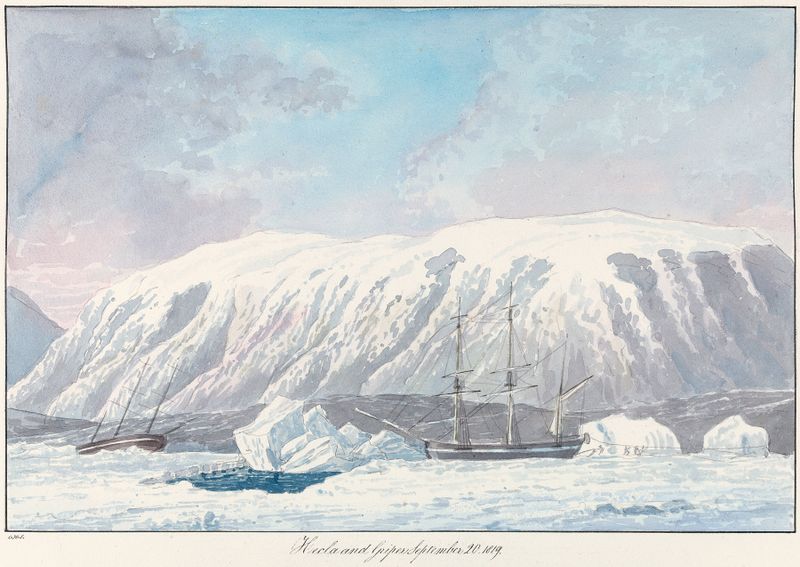
Hecla and Griper
Charles Hamilton Smith

Friendly Cove, Nootka Sound
Charles Hamilton Smith

Iceberg in Baffin’s Bay
Charles Hamilton Smith
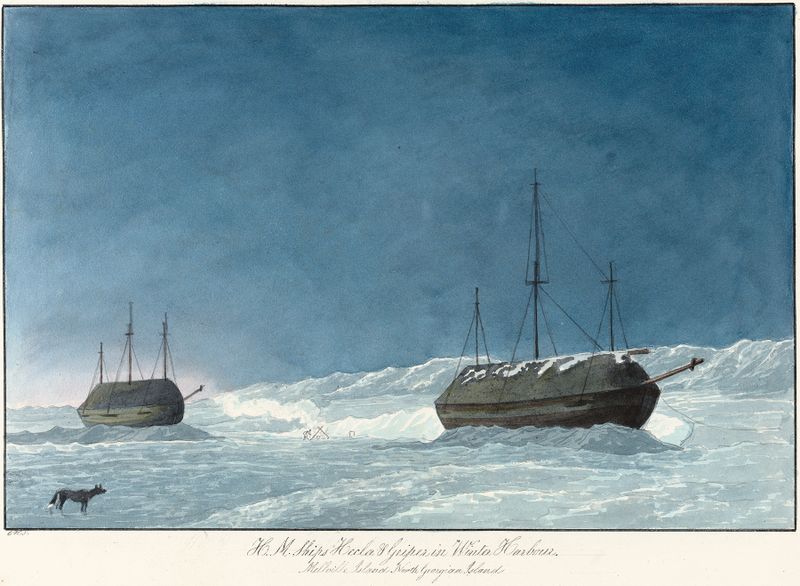
H. M. Ships Hecla and Griper in Winter Harbour
Charles Hamilton Smith

The Erebus & Terror in a Gale in the Pack of the Ice
Charles Hamilton Smith
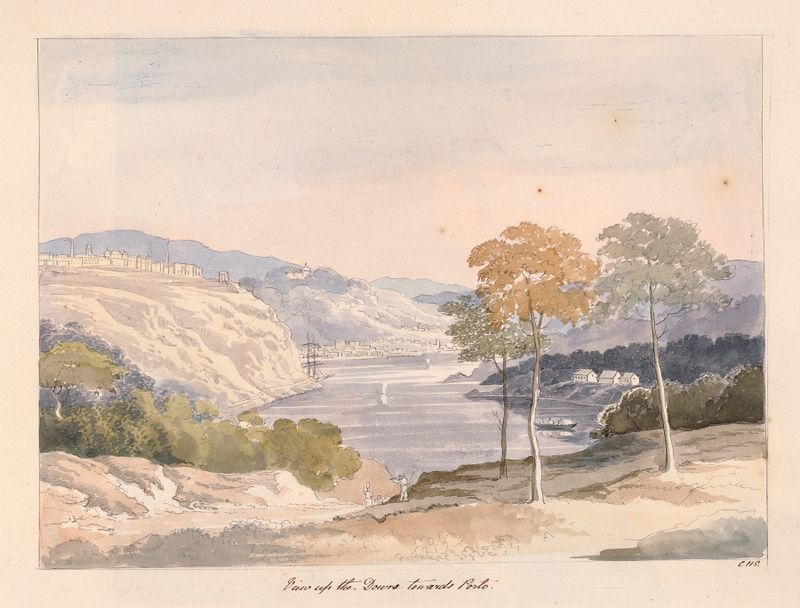
View of the Douro towards Porto
Charles Hamilton Smith
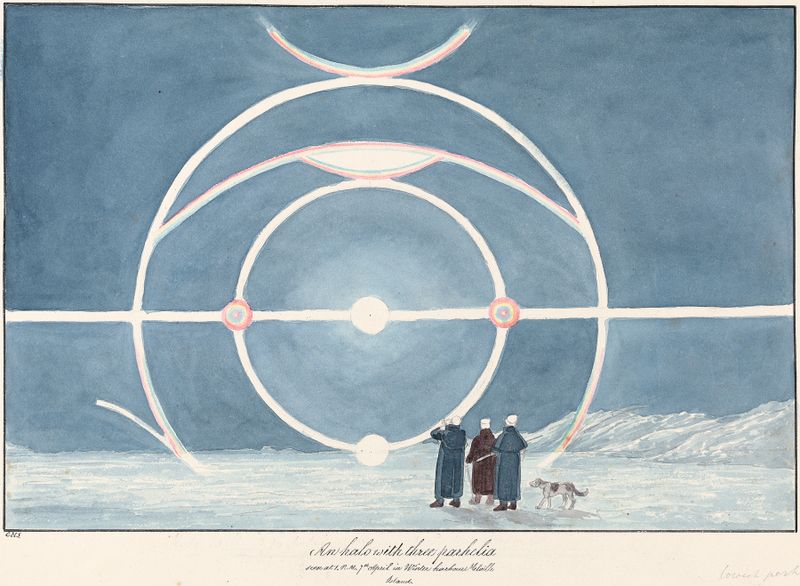
Halo with Three Parhelia, Winter Harbour Melville Island
Charles Hamilton Smith
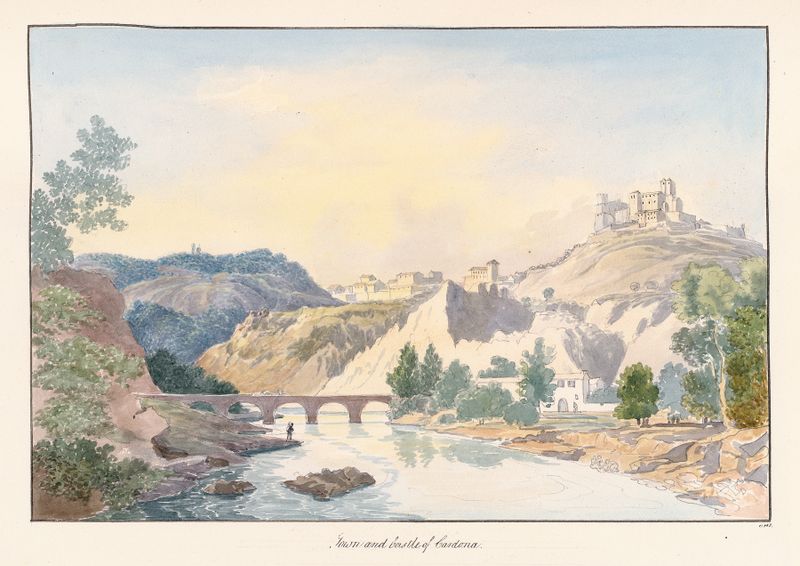
Town and Castle of Cardona
Charles Hamilton Smith
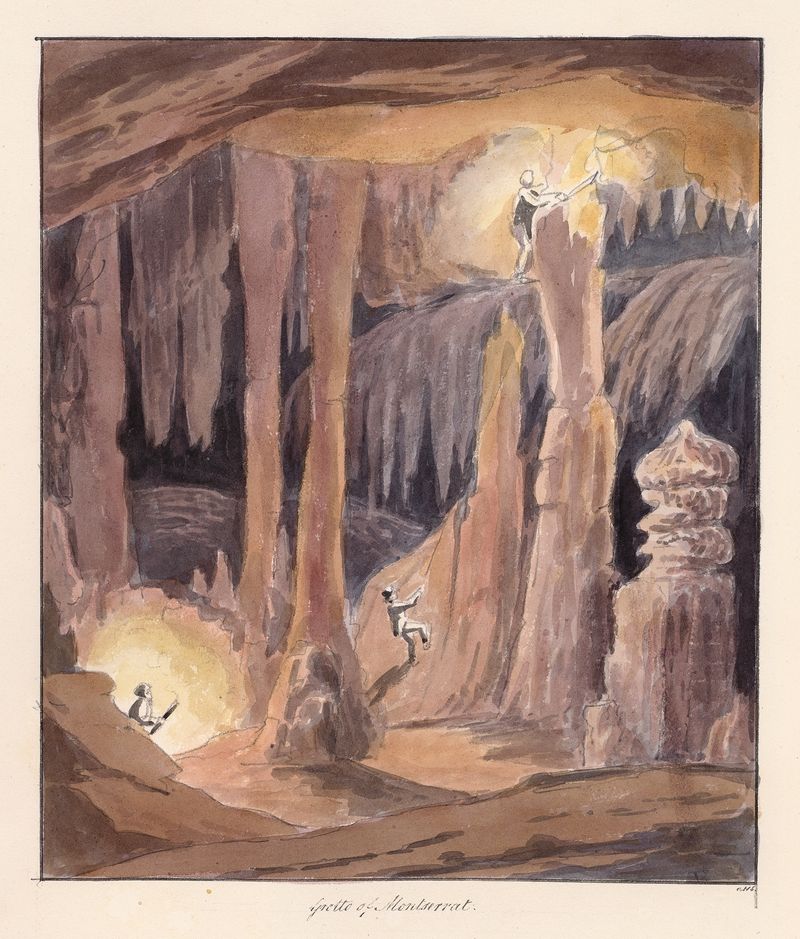
Grotto of Montserrat
Charles Hamilton Smith





