
Bridge, Schleissheim — History & Facts
In the stillness of a moment captured, viewers are invited to awaken their senses, igniting a connection between the viewer and the artist’s vision. Look to the left at the arching bridge that gracefully spans the tranquil water. The soft hues of blue and green in the foreground invite contemplation, while the reflection dances in the water, an echo of the scene above. Notice how the delicate brushwork conveys a sense of serenity, each stroke seeming to breathe life into the stillness.
The light filtering through the trees creates gentle dappling, illuminating the path and beckoning the eye to explore further. Beneath the surface, the painting speaks of a deeper relationship between nature and human endeavor. The bridge stands as a metaphor for connection, bridging the gap between land and water, permanence and transience. The serene atmosphere juxtaposes the underlying tension of the unseen world beyond the canvas — a reminder of the bustling life that carries on outside this tranquil moment.
The subtle play of light and shadow serves to heighten this contrast, inviting reflection on the fleeting nature of time. In 1879, Otto Henry Bacher created Bridge, Schleissheim during his time in Germany, amidst a vibrant art scene grappling with romanticism and impressionism. This period marked a significant transition where artists sought to capture the ephemeral beauty of landscapes in the wake of industrialization. Bacher, influenced by his travels and experiences, embraced this evolving perspective, seeking to distill the essence of place and moment into his works.
More Artworks by Otto Henry Bacher
Browse all →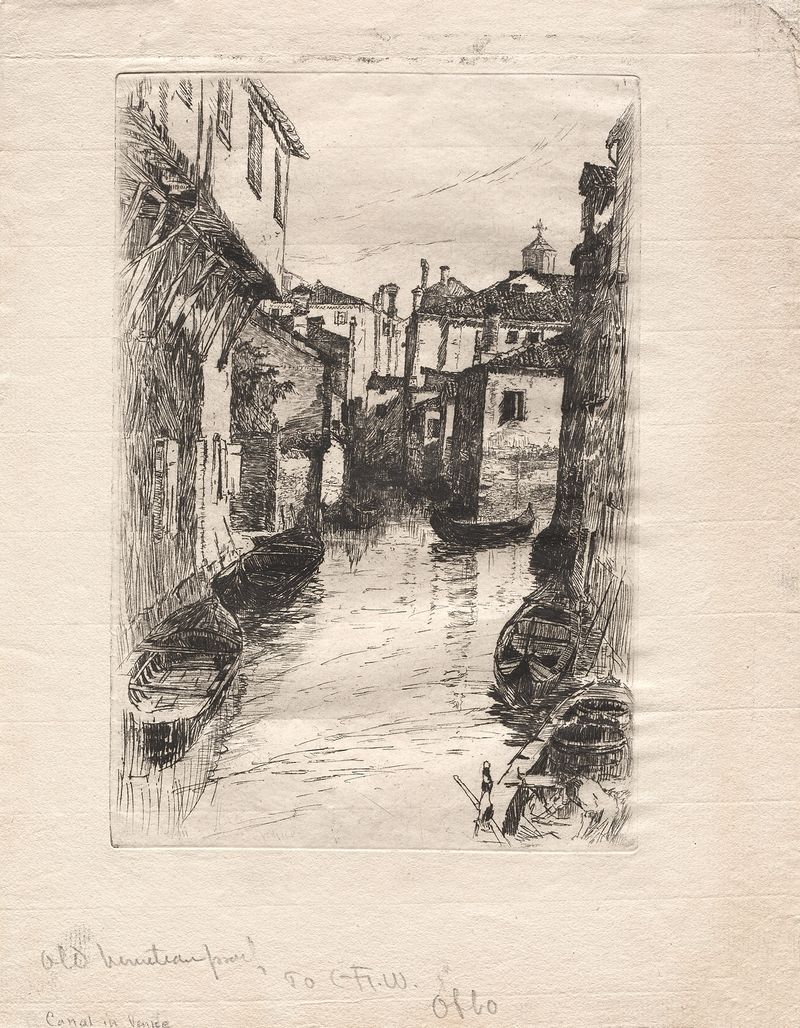
Canal in Venice
Otto Henry Bacher
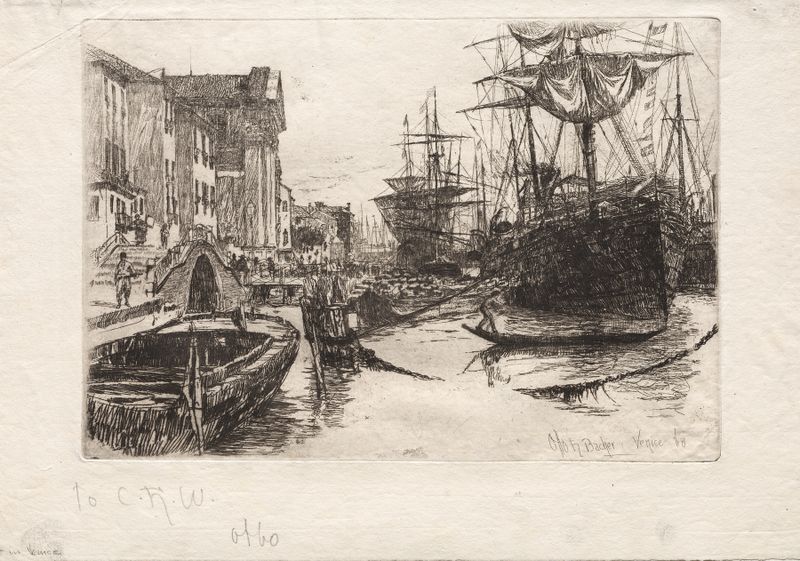
View in Venice
Otto Henry Bacher
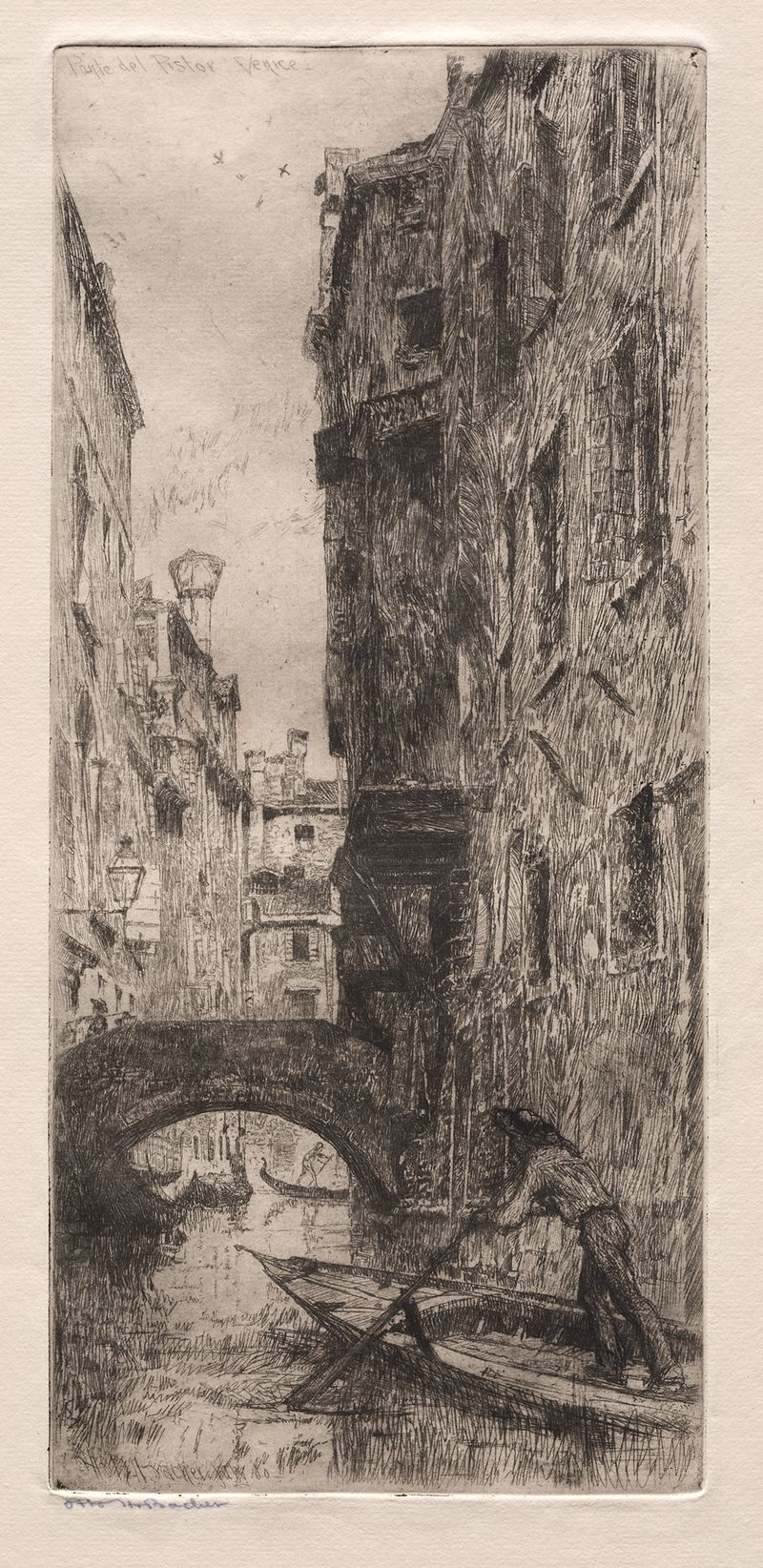
Ponte del Pistor, Venice
Otto Henry Bacher
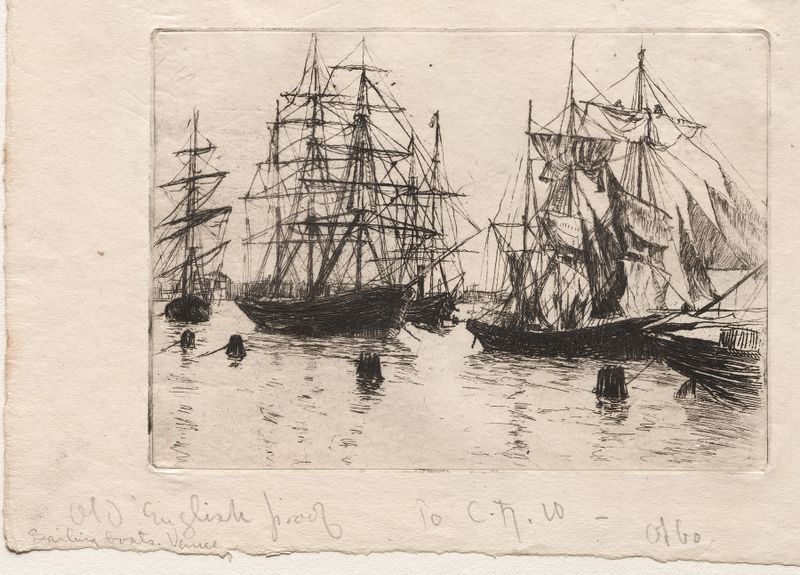
Sailing Boats, Venice
Otto Henry Bacher
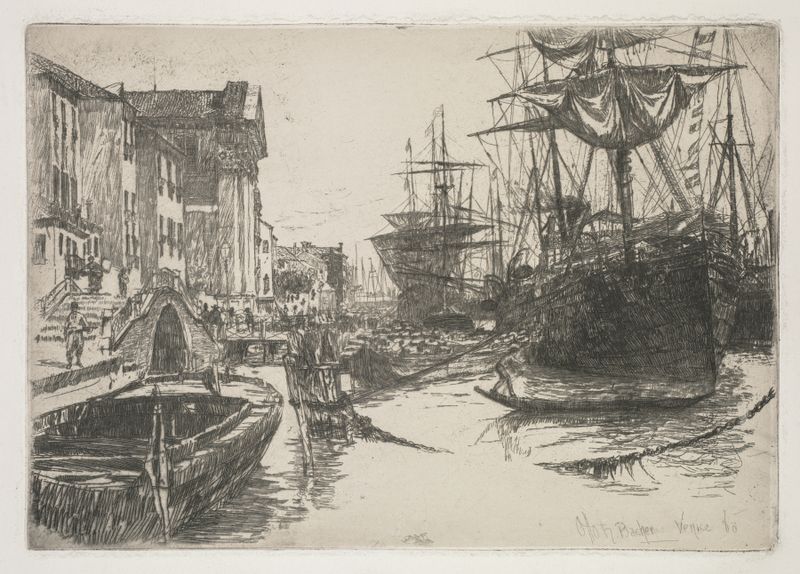
Fondamenta della Zattere
Otto Henry Bacher
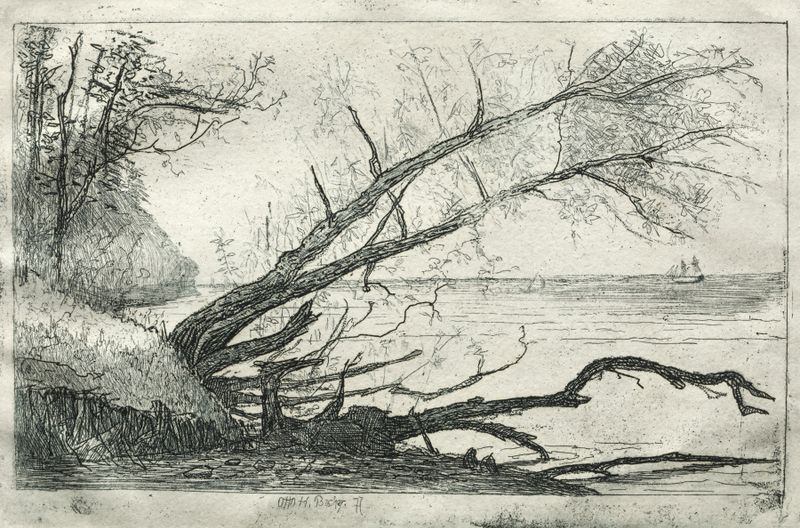
Old Sycamore
Otto Henry Bacher
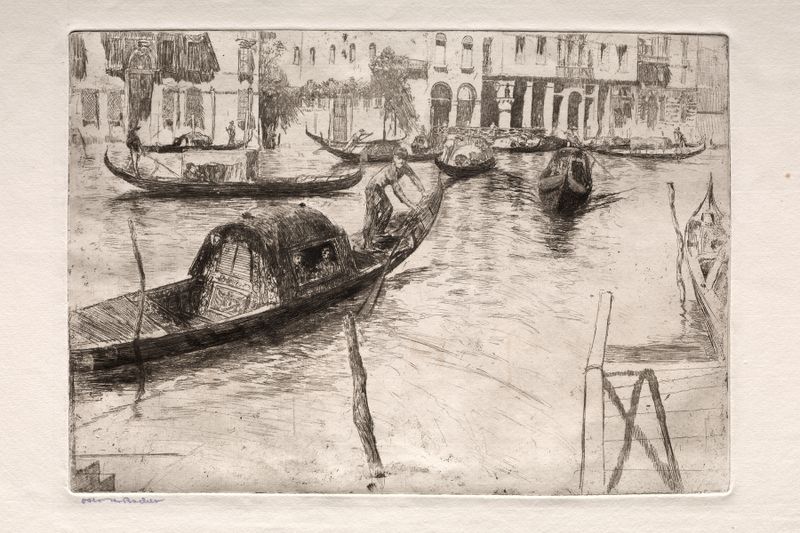
Traghetto San Felice
Otto Henry Bacher
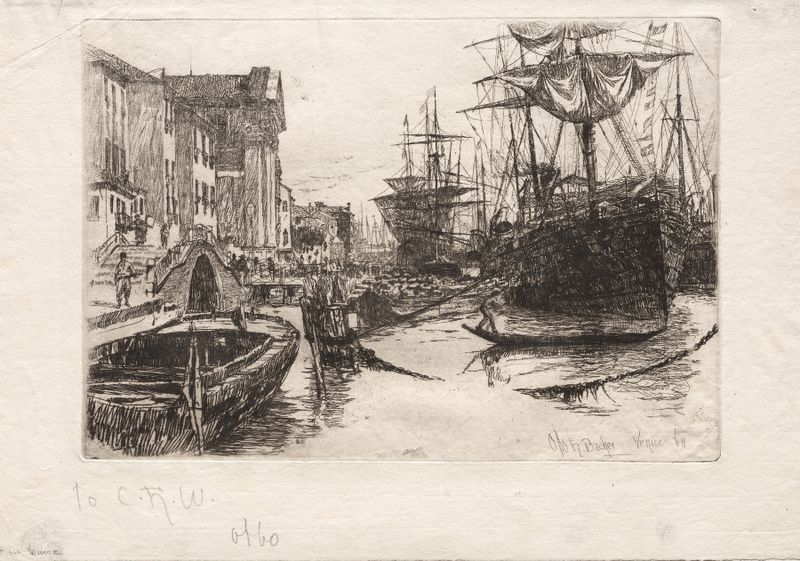
View in Venice
Otto Henry Bacher
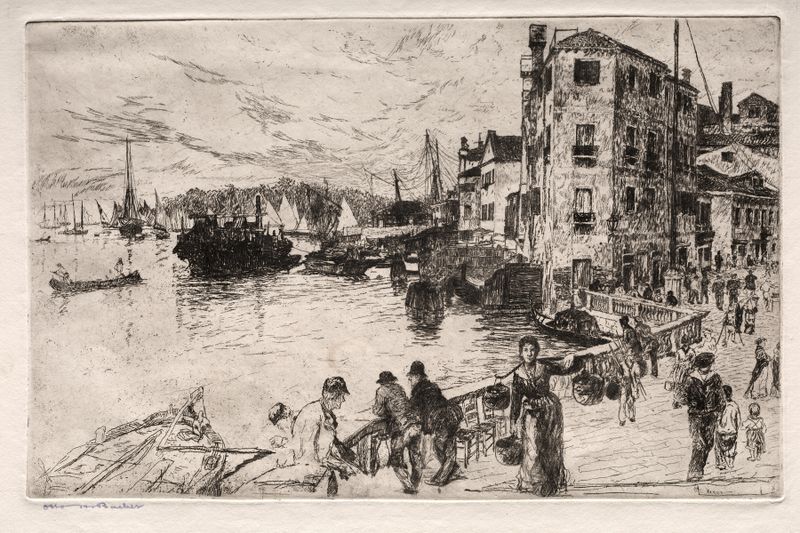
Castello Quarters, Riva
Otto Henry Bacher
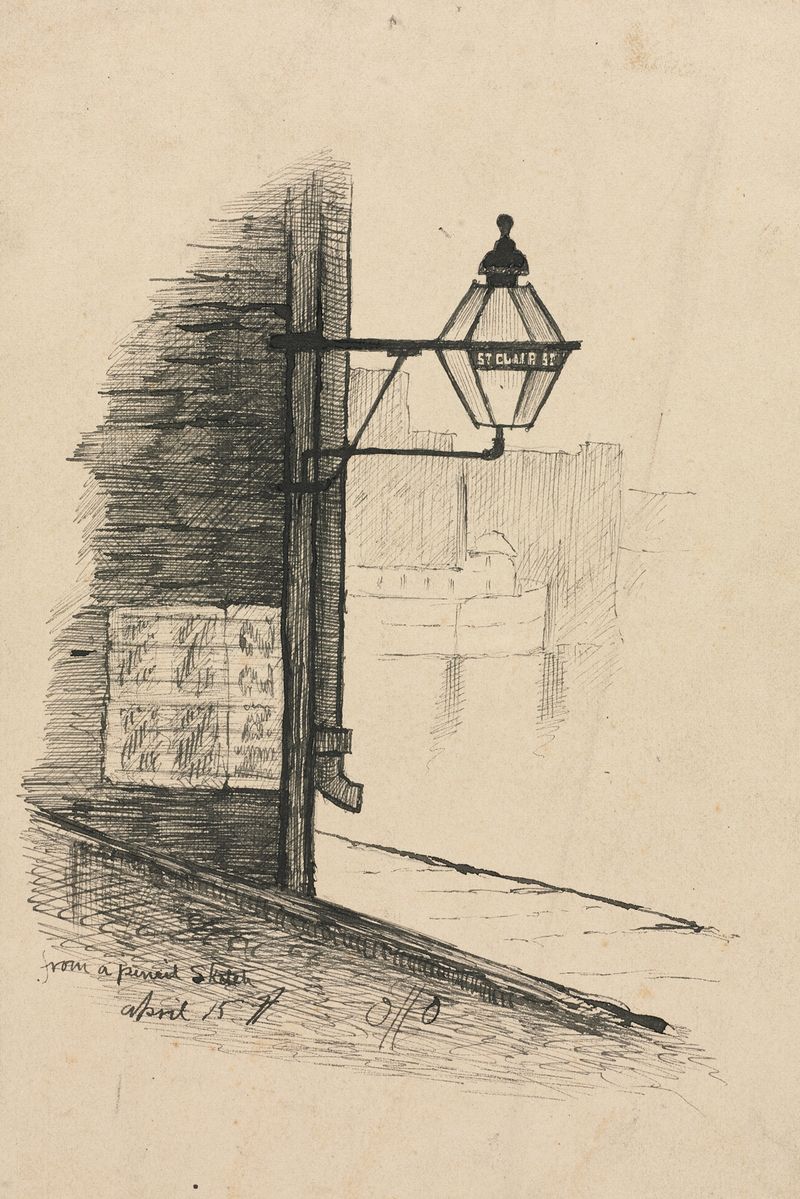
St. Clair Street, Cleveland
Otto Henry Bacher





