
Bridgenorth — History & Facts
Could beauty survive in a century of chaos? Amidst the tempest of industrial progress and societal upheaval, one finds solace in the tranquil embrace of nature. Look to the foreground where a serene river reflects the soft blush of the evening sky, beckoning you to delve deeper into the scene. Notice how the delicate strokes of the foliage create a gentle frame, drawing your gaze toward the distant bridge, a symbol of connection and continuity. The artist employs a palette of muted greens and warm browns, harmonizing the elements of land, water, and sky, illustrating both the calmness of the moment and the subtle tension wrought by encroaching change. As you explore further, the interplay of light and shadow reveals a deeper narrative.
The bridge stands resolute against the backdrop of a burgeoning world, hinting at the juxtaposition of nature and human innovation. This dichotomy reflects a timeless emotional tension—the beauty of the natural world coexisting alongside the stirrings of industrial madness. Small details, like the rippling water and the dappled sunlight, evoke a sense of impermanence, urging the viewer to contemplate what might be lost in the relentless march of progress. In 1885, Sir Frank Short painted Bridgenorth during a period when the arts were grappling with modernity's impact on tradition.
Living in England, he was influenced by the Pre-Raphaelite movement, which sought to capture nature's essence while resisting contemporary styles that favored abstraction. This work embodies his commitment to realism and the beauty he perceived in an increasingly chaotic world.
More Artworks by Sir Frank Short
Browse all →
Morning Haze in Chichester Harbor
Sir Frank Short
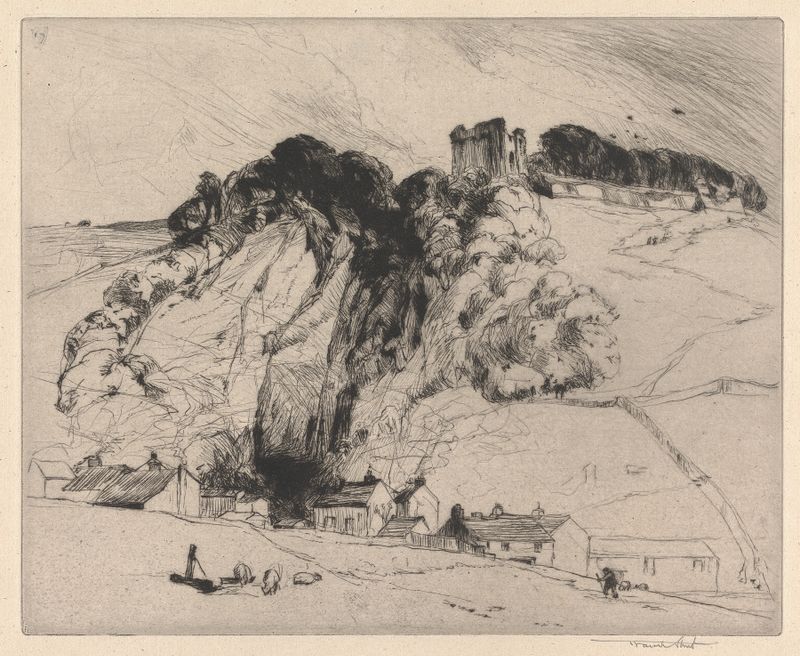
Peveril’s Castle, Derbyshire
Sir Frank Short
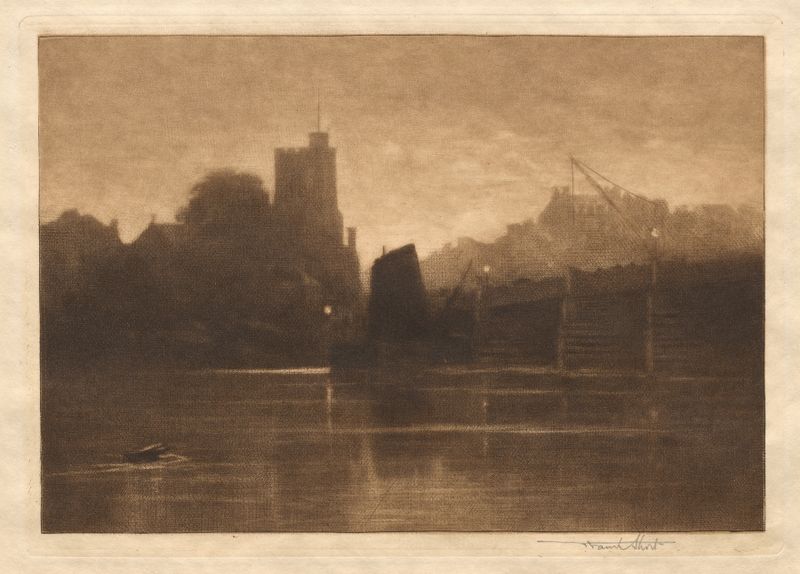
Ebb Tide, Putney Bridge
Sir Frank Short
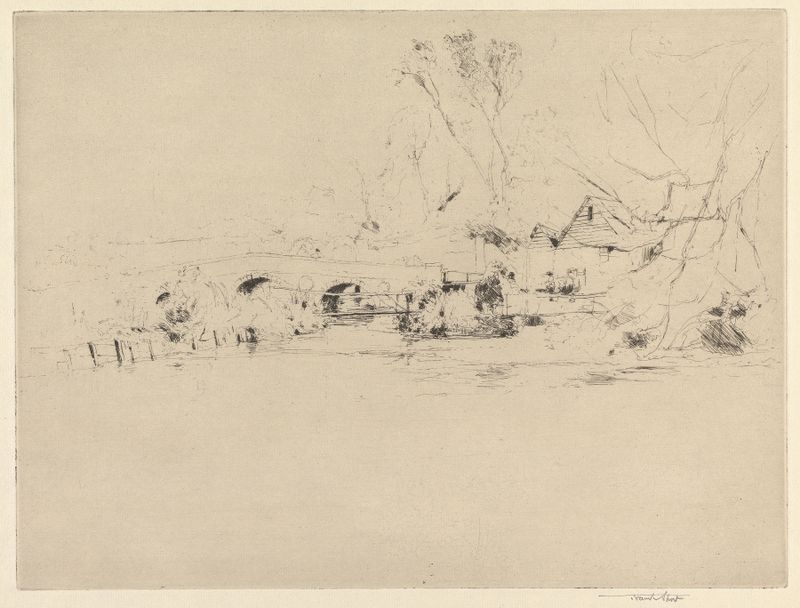
Old Mill on the Wandle, at Mitcham
Sir Frank Short

Moonlight on the Medway at Chatham
Sir Frank Short

Parkgate
Sir Frank Short
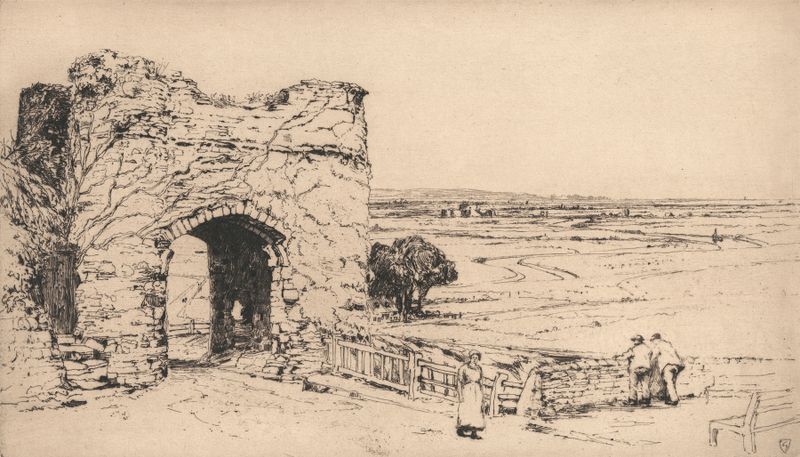
The Strand Gate, Winchelsea
Sir Frank Short
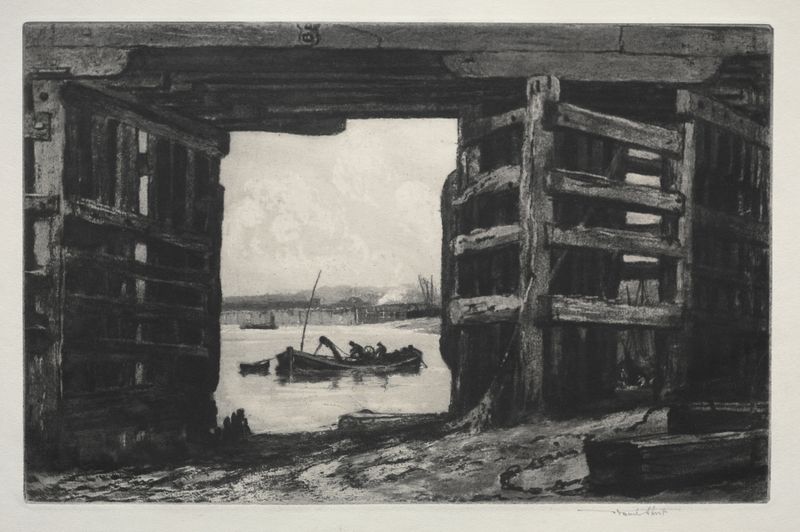
A Span of Old Battersea Bridge
Sir Frank Short

The Rope Walk, Spittal Bridge Whitby
Sir Frank Short
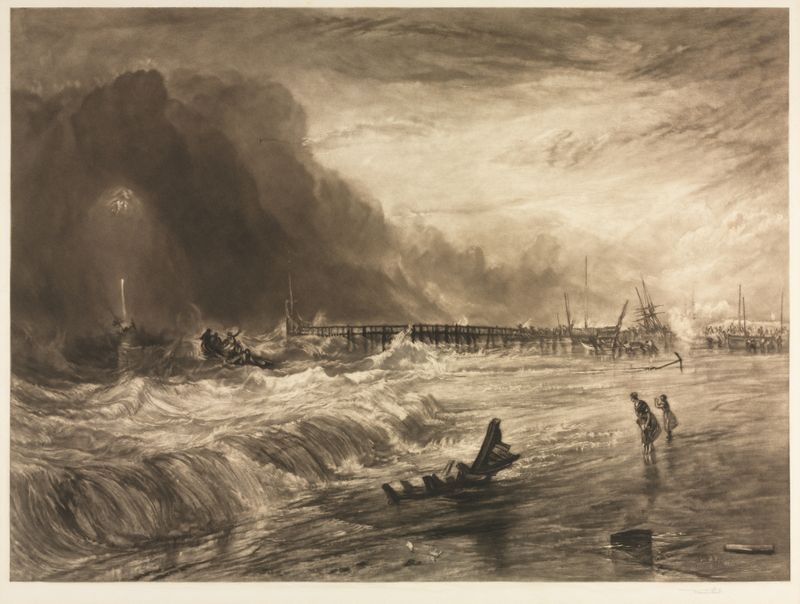
Vessel in Distress of Yarmouth
Sir Frank Short





