
The Rope Walk, Spittal Bridge Whitby — History & Facts
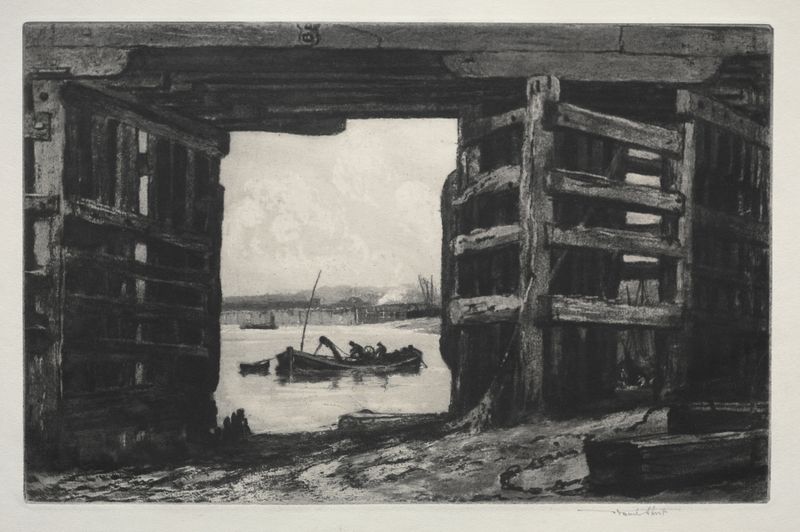
What secret hides in the quiet of the canvas? In Sir Frank Short's The Rope Walk, Spittal Bridge Whitby, a simple moment captures the essence of industry and the softness of nature, inviting us to reflect on the stories woven into the fabric of daily life. Look to the left at the figures laboring with precision, their forms silhouetted against the gentle rise of the landscape. Notice how the muted tones of earthy browns and soft greens bring warmth to the scene while the delicate strokes reveal the texture of the rope they weave. The play of light dances across the canvas, illuminating the industrious activity while casting shadows that hint at the passage of time, creating a harmonious balance between toil and tranquility. Amidst the evident labor, there is an undercurrent of revelation—the tension between human endeavor and the natural world.
The overarching sky, painted in soft blues and grays, suggests the presence of both promise and uncertainty, while the rope itself serves as a metaphor for connection and the ties that bind. This piece encapsulates not only the physicality of work but also the deeper emotional currents that run through our lives. Sir Frank Short painted this work in 1891, during a period when the British art scene was evolving, with artists increasingly drawn to capturing everyday moments. Living in London but deeply inspired by his native Yorkshire, Short was immersed in a world where traditional craftsmanship met the budding industrial revolution.
His art reflects both the beauty of nature and the dignity of labor, suggesting a moment of introspection amidst the changes of his time.
More Artworks by Sir Frank Short
Browse all →
Morning Haze in Chichester Harbor
Sir Frank Short
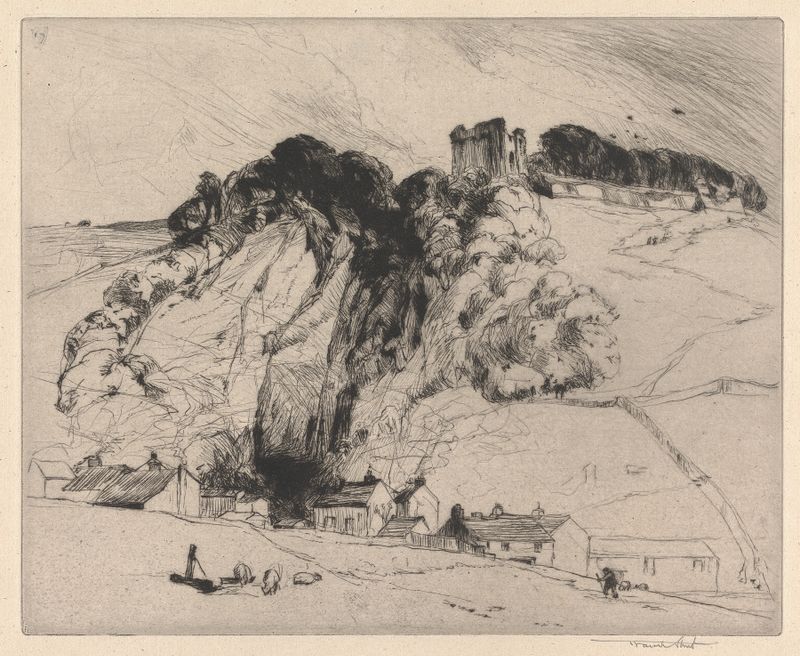
Peveril’s Castle, Derbyshire
Sir Frank Short
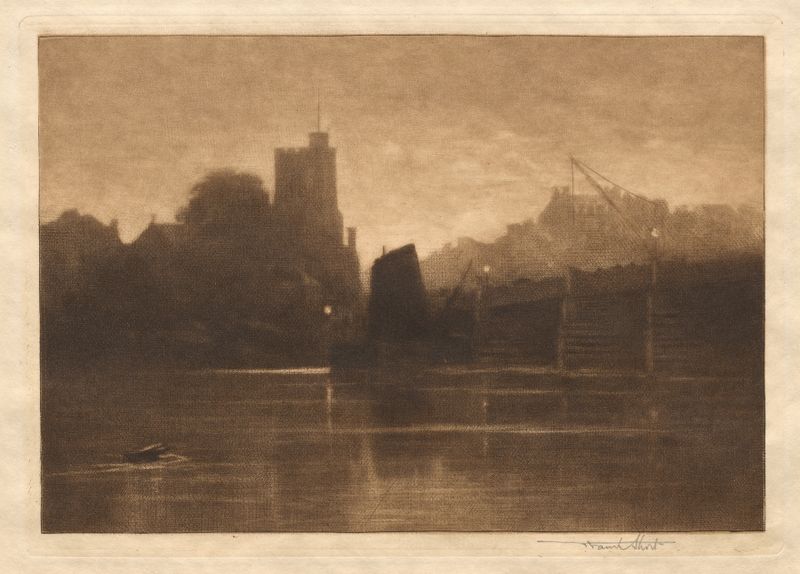
Ebb Tide, Putney Bridge
Sir Frank Short
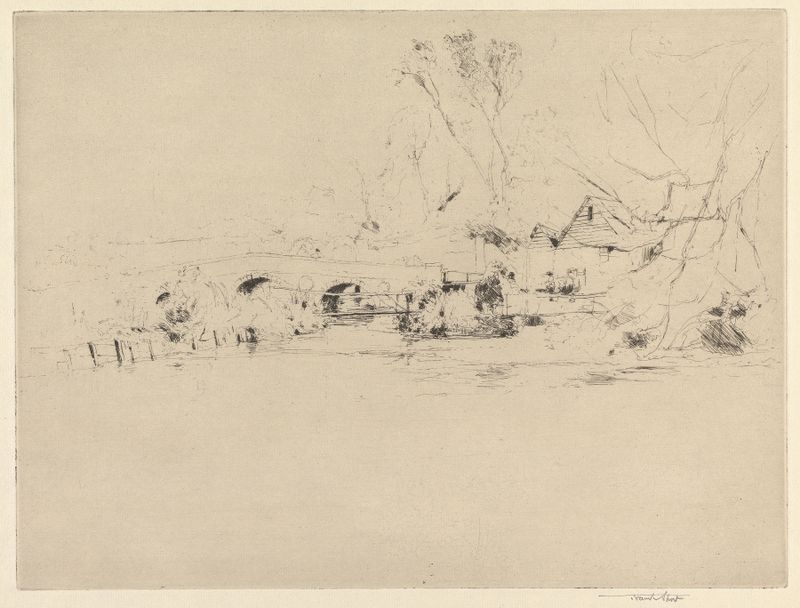
Old Mill on the Wandle, at Mitcham
Sir Frank Short

Moonlight on the Medway at Chatham
Sir Frank Short

Parkgate
Sir Frank Short
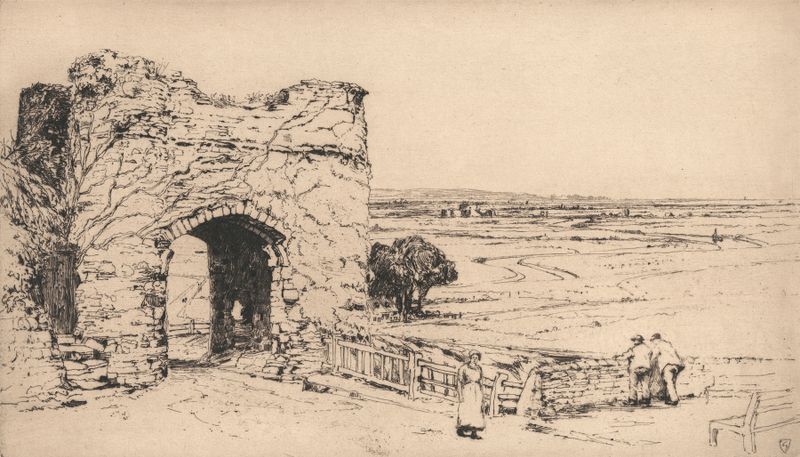
The Strand Gate, Winchelsea
Sir Frank Short

Bridgenorth
Sir Frank Short
A Span of Old Battersea Bridge
Sir Frank Short
Vessel in Distress of Yarmouth
Sir Frank Short





