
Brug in de Baarsjes in Amsterdam — History & Facts
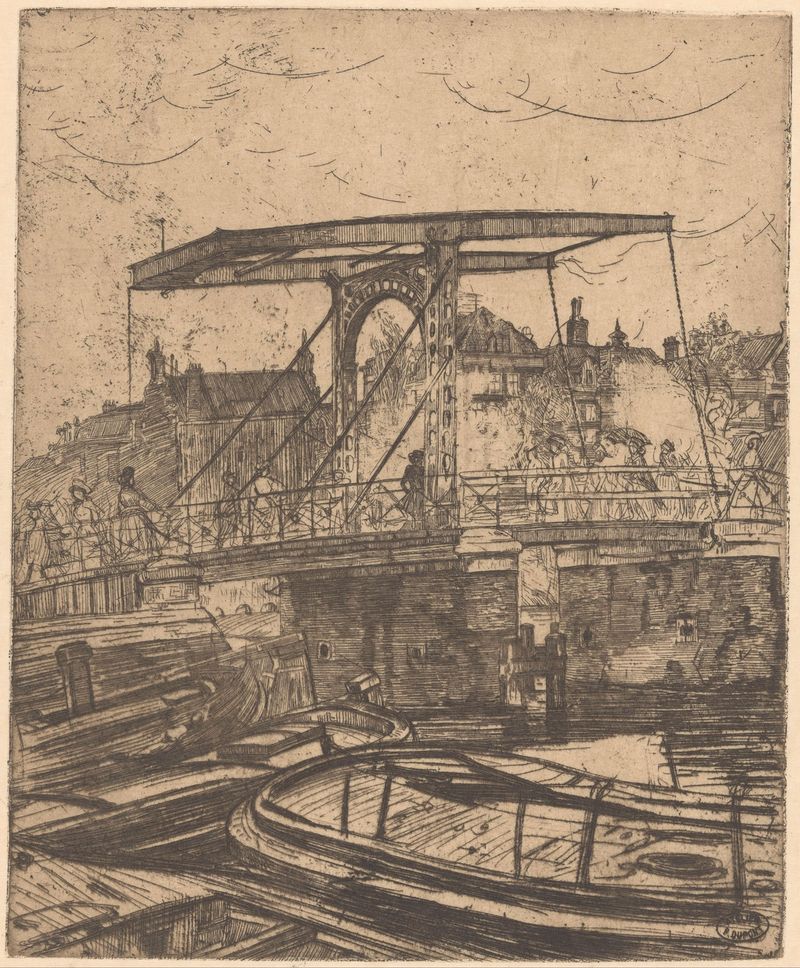
Can paint confess what words never could? In Pieter Dupont's Brug in de Baarsjes in Amsterdam, the delicate interplay of color and light speaks volumes, inviting viewers into a world where silence resonates with storytelling. Look to the bottom left, where the vibrant strokes of green foliage cradle the edge of the canal. Notice how the brushwork captures the gentle ripples of water, reflecting the soft blues of the sky above. The quaint bridge—arcing gracefully across the canvas—commands attention, its warm tones contrasting beautifully with the cool palette surrounding it.
The composition is a harmonious blend of natural beauty and architectural elegance, inviting the viewer to linger on each element as it breathes life into the scene. Within this tranquil landscape lies a deeper introspection. The bridge acts as a threshold between two realms: the bustling life of the city and the serene calm of nature. This juxtaposition may evoke the tension between urban progress and the longing for tranquility, an emotional tug-of-war that resonates with anyone familiar with the complexities of modern life.
Additionally, the dappled sunlight filtering through the trees hints at the ephemeral nature of moments, urging us to appreciate beauty before it slips away. In 1895, Dupont was immersed in the rich cultural milieu of Amsterdam, a city undergoing transformation and growth. As a member of the Amsterdam School, he explored themes of urban identity and the intersection of nature and architecture. The era was marked by a burgeoning appreciation for impressionism, and Dupont’s choice to capture the essence of a simple bridge reflects both the movement’s ideals and his personal journey as an artist attuned to the subtleties of his surroundings.
More Artworks by Pieter Dupont
Browse all →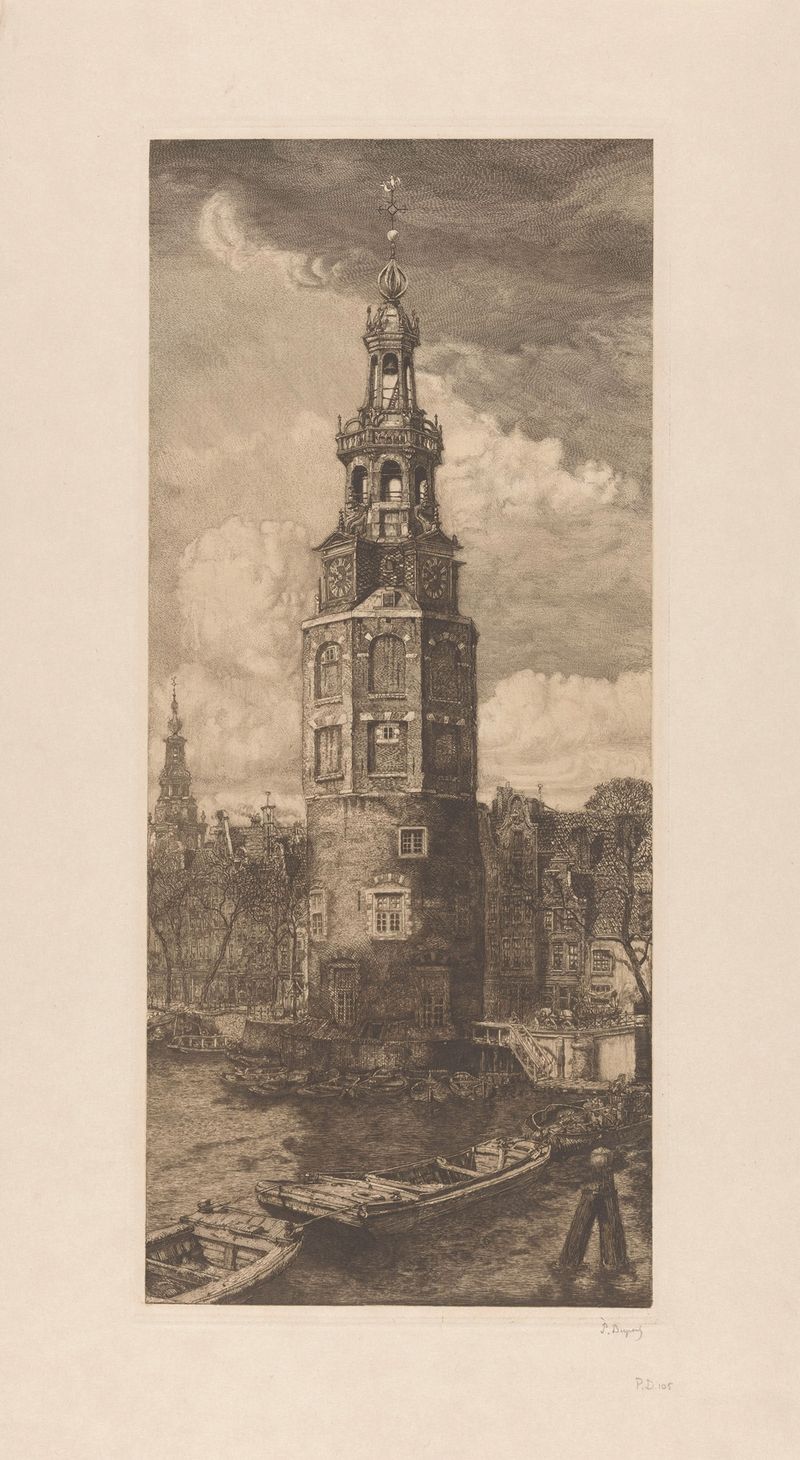
Montelbaanstoren aan de Oudeschans in Amsterdam
Pieter Dupont
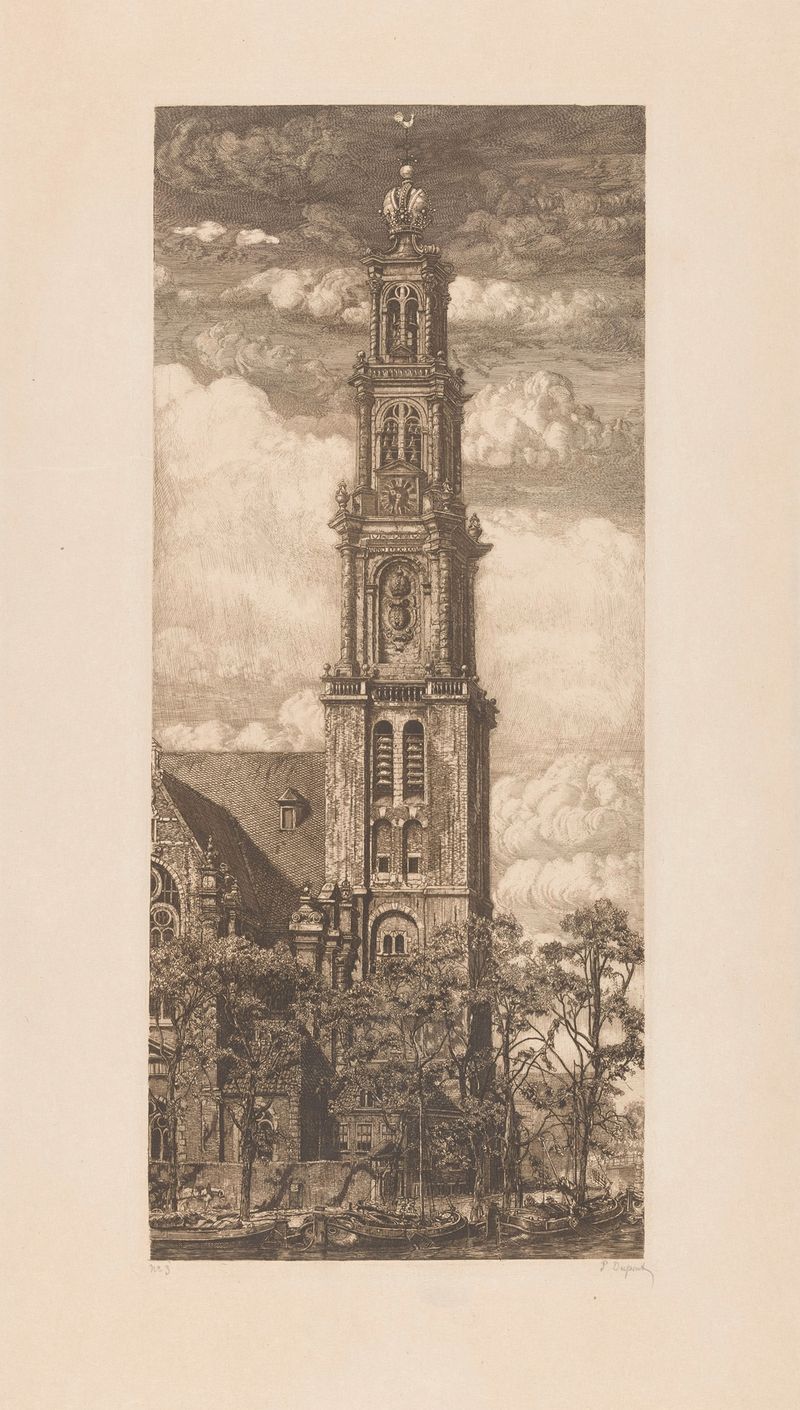
Westertoren in Amsterdam
Pieter Dupont
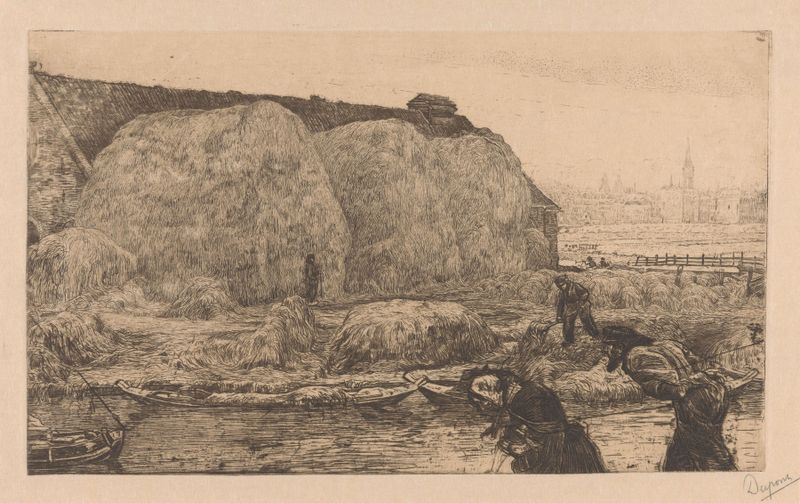
Boerderij met hooischelven aan het Jaagpad in Amsterdam
Pieter Dupont
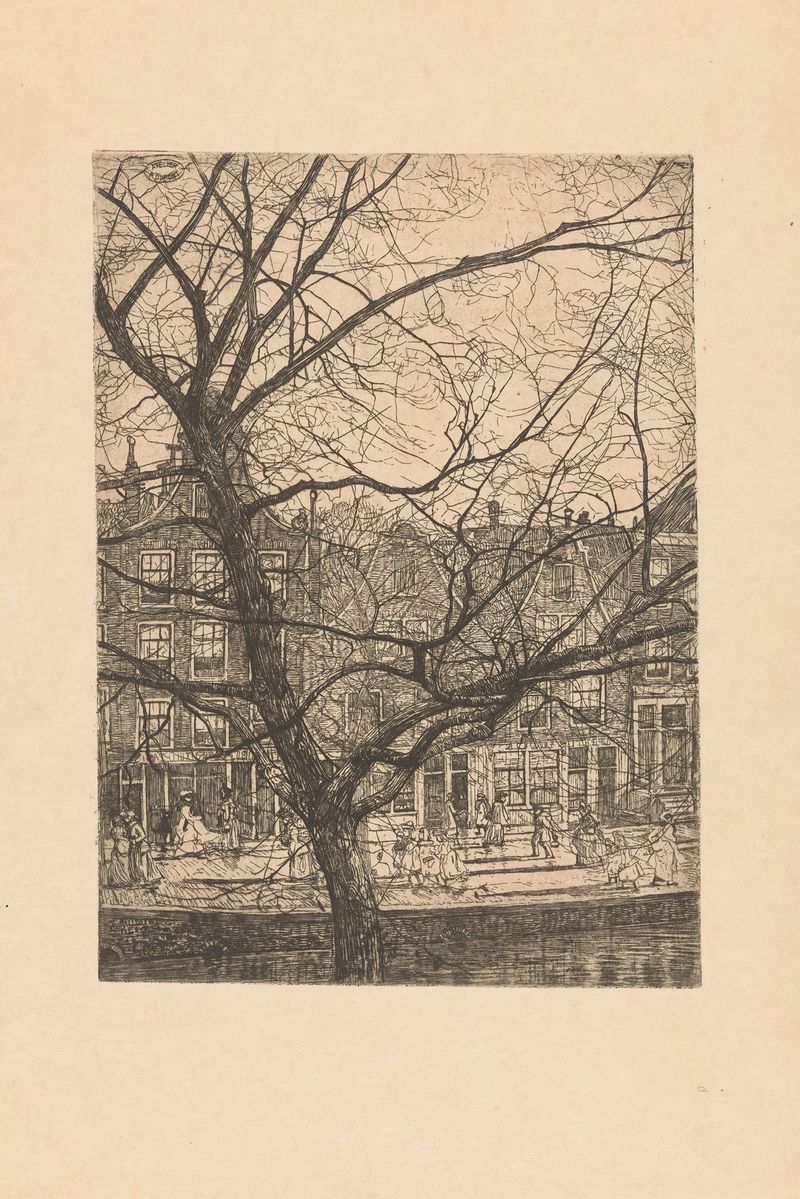
Grachtenhuizen met halsgevels in Amsterdam
Pieter Dupont
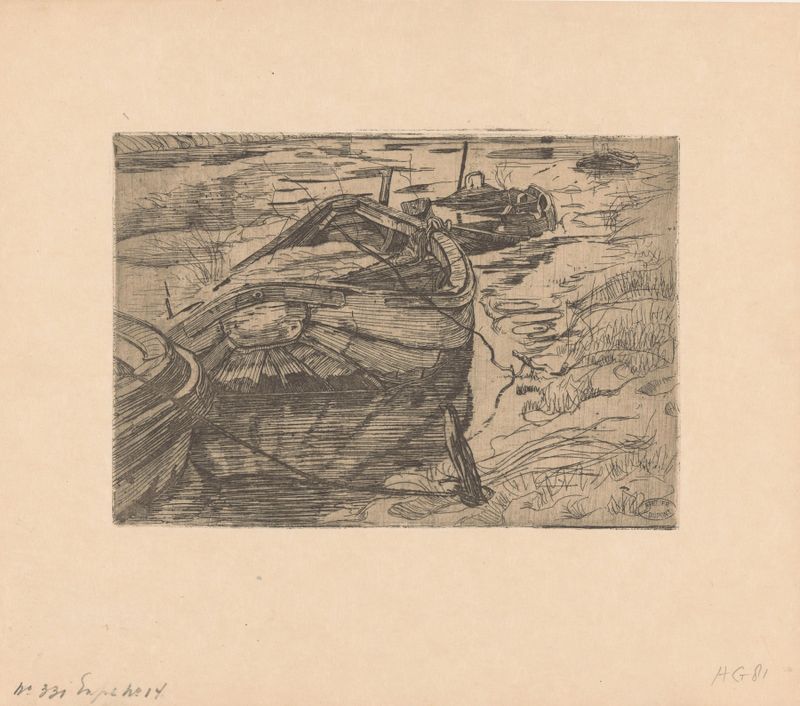
Afgemeerde roeiboten in een sloot
Pieter Dupont
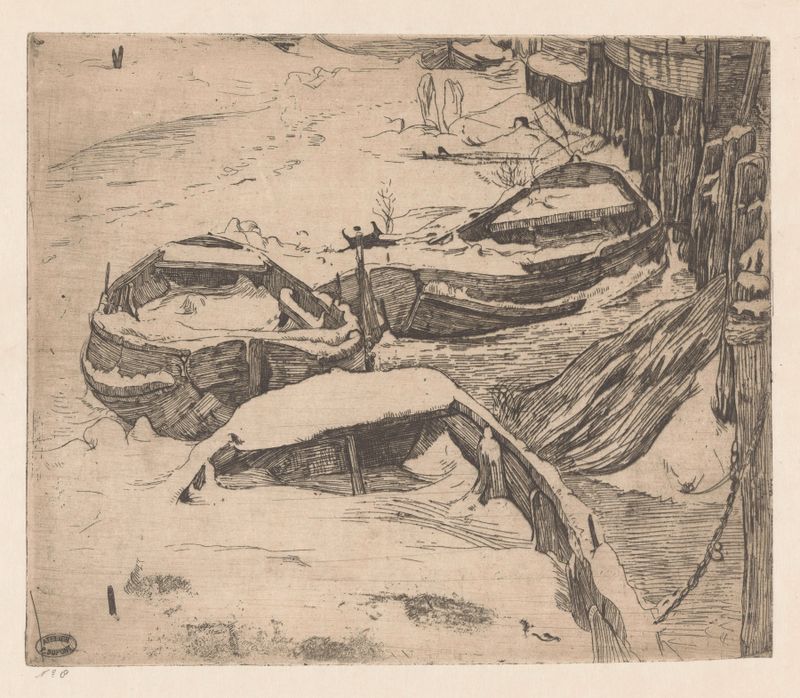
Drie besneeuwde roeiboten bij een wal
Pieter Dupont
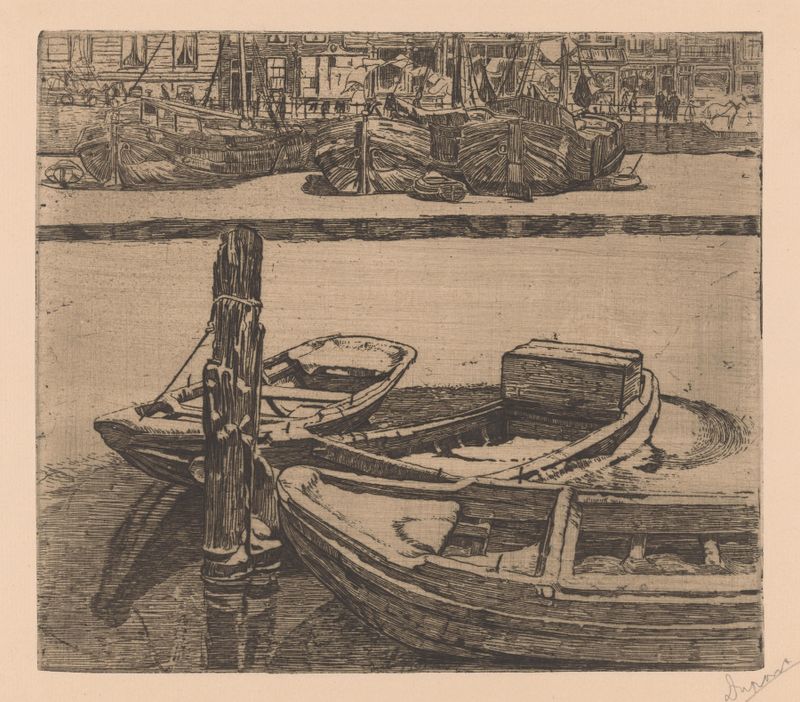
Schepen in het Damrak in Amsterdam
Pieter Dupont
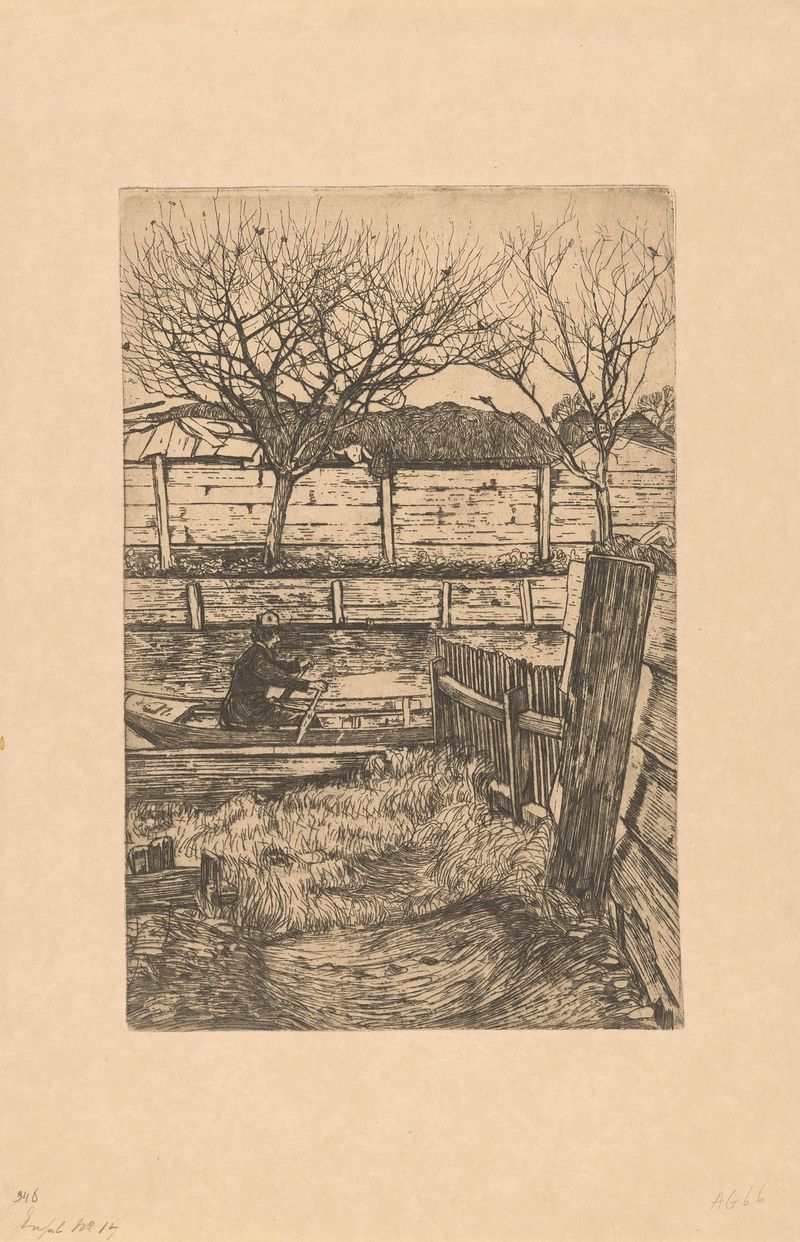
Man in een roeiboot, waarschijnlijk bij de Slatuinen in Amsterdam
Pieter Dupont
Magere Brug in Amsterdam
Pieter Dupont
Heuvelachtig landschap met korenvelden
Pieter Dupont





