
Brug over de Prinsengracht in Amsterdam — History & Facts
Who listens when art speaks of silence? In Brug over de Prinsengracht in Amsterdam, a profound sense of melancholy envelops the viewer, inviting reflection on the passage of time and the whispers of history. Look to the left at the delicate arch of the bridge, where the gentle curve draws the eye into the heart of the composition. The muted palette of blues and grays evokes a somber mood, further enhanced by the soft light that filters through the scene, casting elongated shadows upon the cobblestone. Observe the stillness of the water below, mirroring the arching bridge above, as if time itself has paused to contemplate the hidden stories of Amsterdam's past. The quiet presence of the trees flanking the banks adds an emotional depth, representing both shelter and solitude.
A lone figure stands at the bridge’s edge, embodying the sense of longing inherent in the painting; their posture suggests contemplation of life’s transience. The juxtaposition of the sturdy, aged infrastructure of the bridge against the transient reflections in the water creates a poignant contrast between permanence and ephemerality, allowing the viewer to feel the weight of memory tethered to this place. Created between 1894 and 1895, this work emerged during a period of artistic exploration for the painter. Dupont was deeply influenced by the socio-political changes sweeping through Europe, and the emergence of the new art movements challenged traditional norms.
His choice to depict this iconic Amsterdam scene reflects an intimate engagement with the city’s essence, capturing both its beauty and the reflective solitude that lingers in its shadows.
More Artworks by Pieter Dupont
Browse all →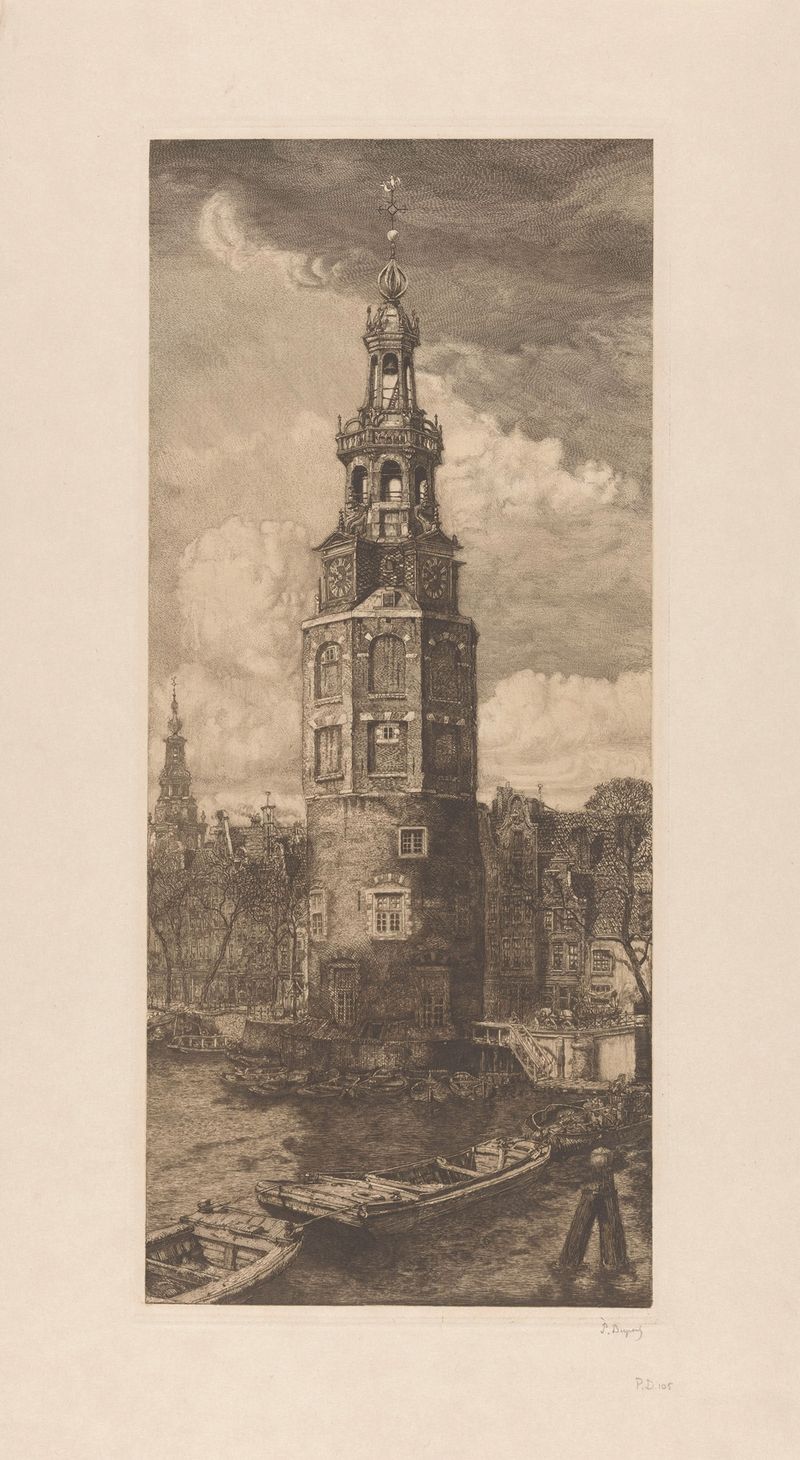
Montelbaanstoren aan de Oudeschans in Amsterdam
Pieter Dupont
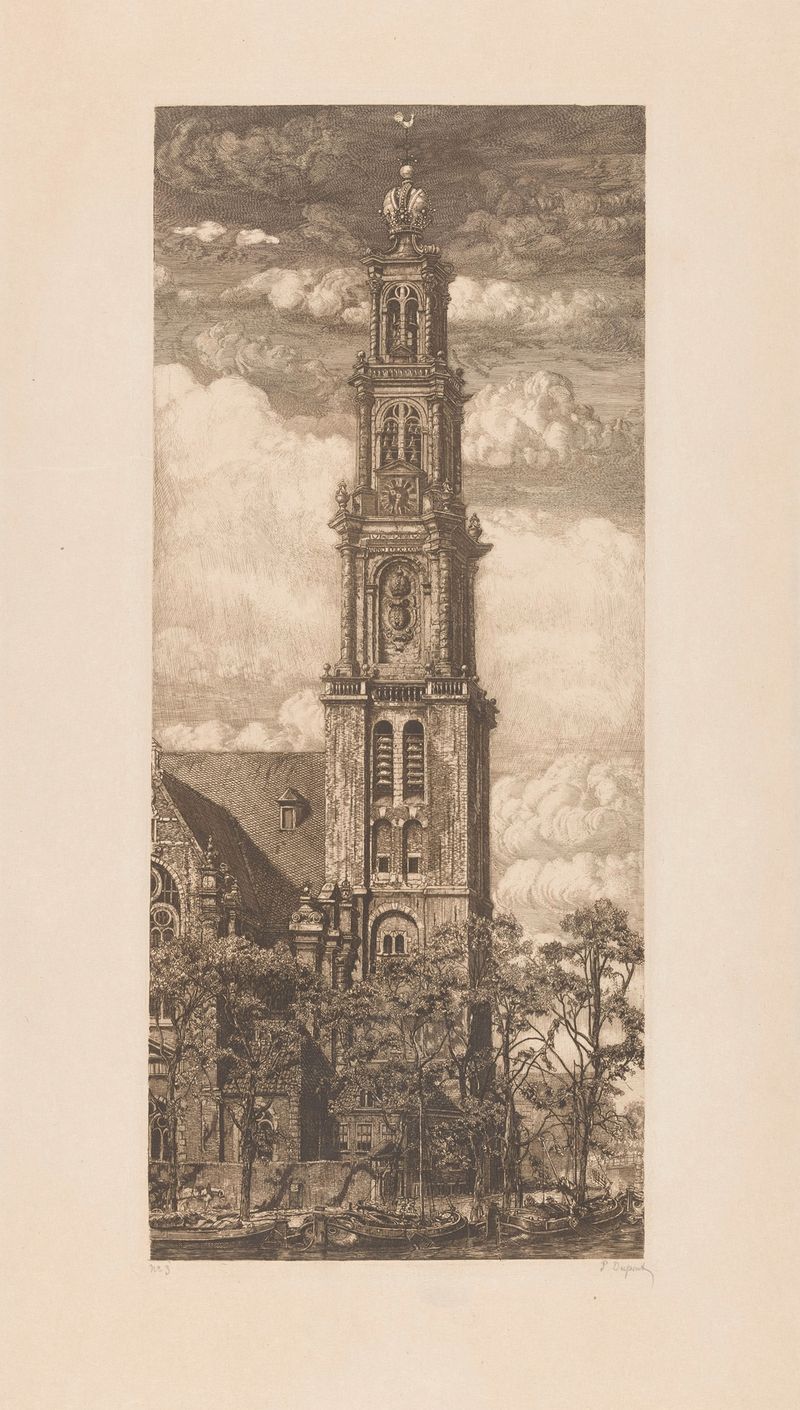
Westertoren in Amsterdam
Pieter Dupont
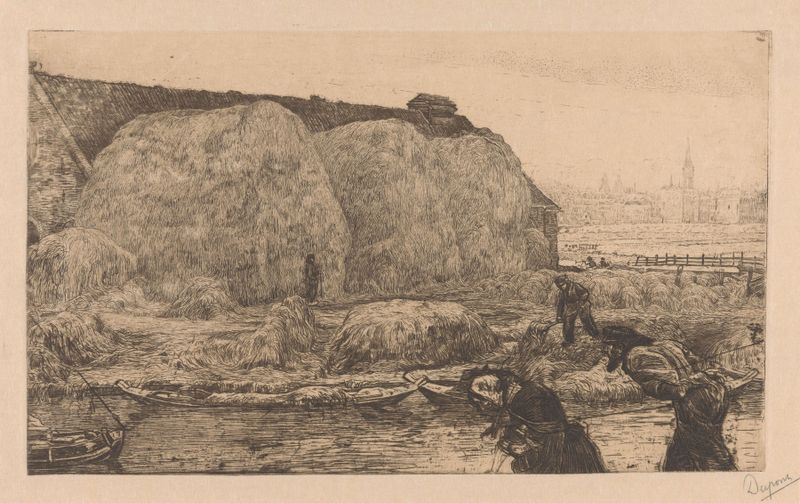
Boerderij met hooischelven aan het Jaagpad in Amsterdam
Pieter Dupont
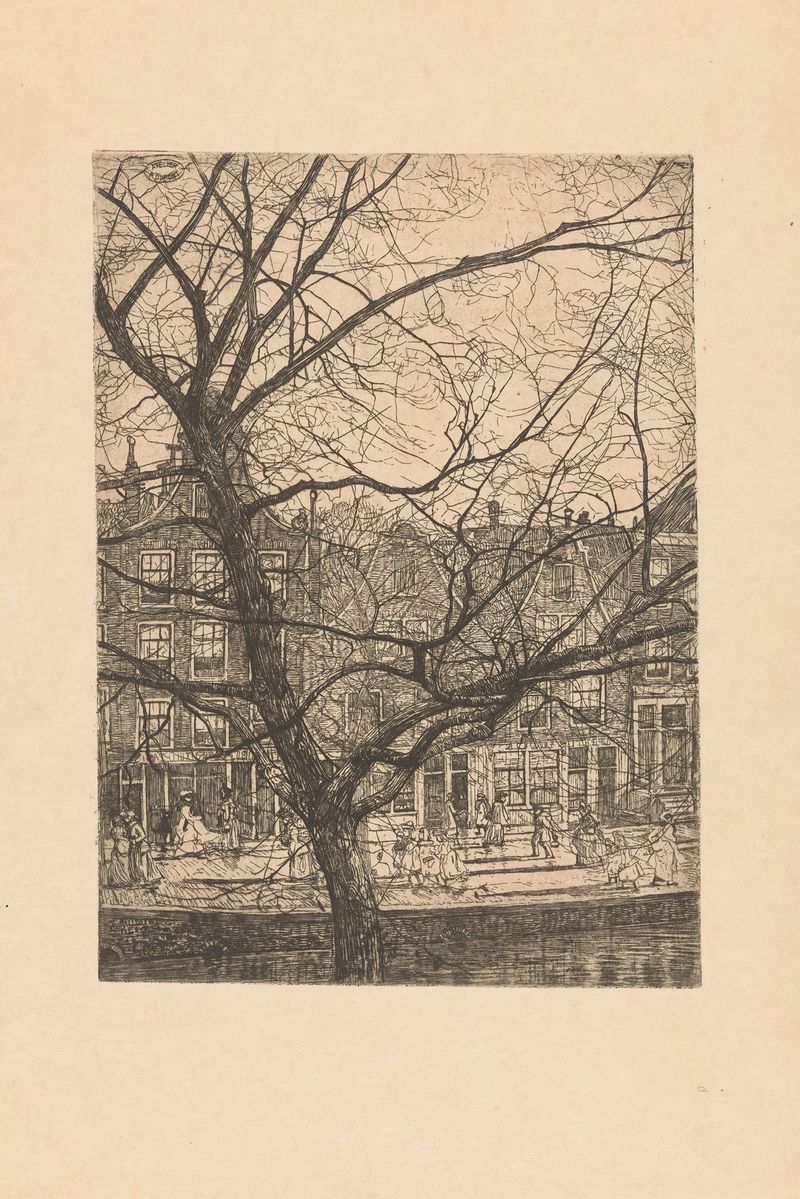
Grachtenhuizen met halsgevels in Amsterdam
Pieter Dupont
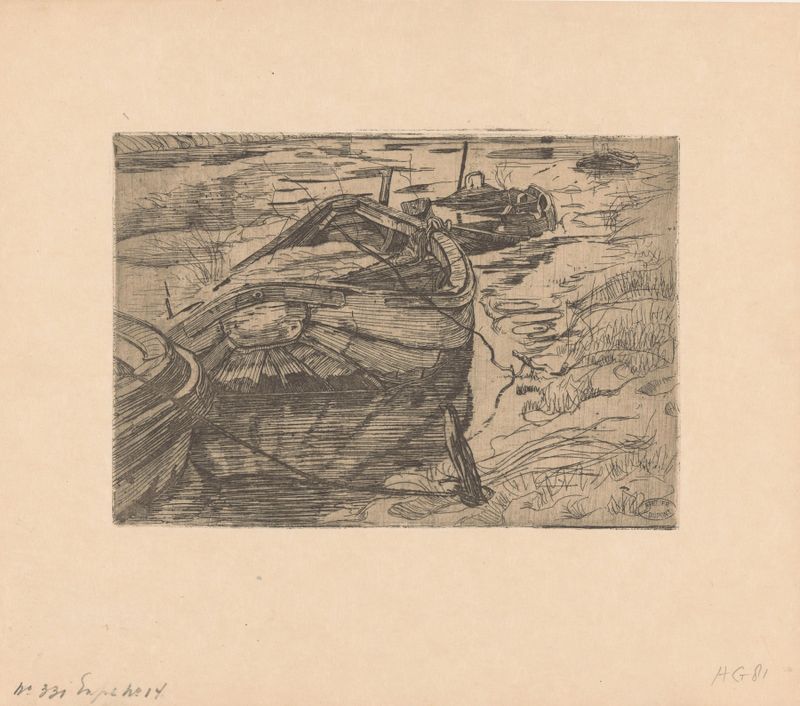
Afgemeerde roeiboten in een sloot
Pieter Dupont
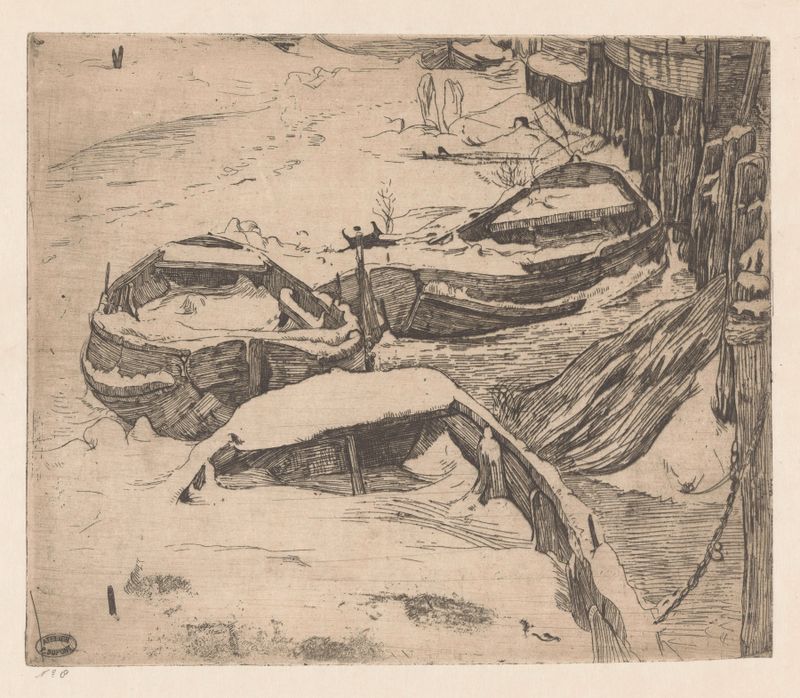
Drie besneeuwde roeiboten bij een wal
Pieter Dupont
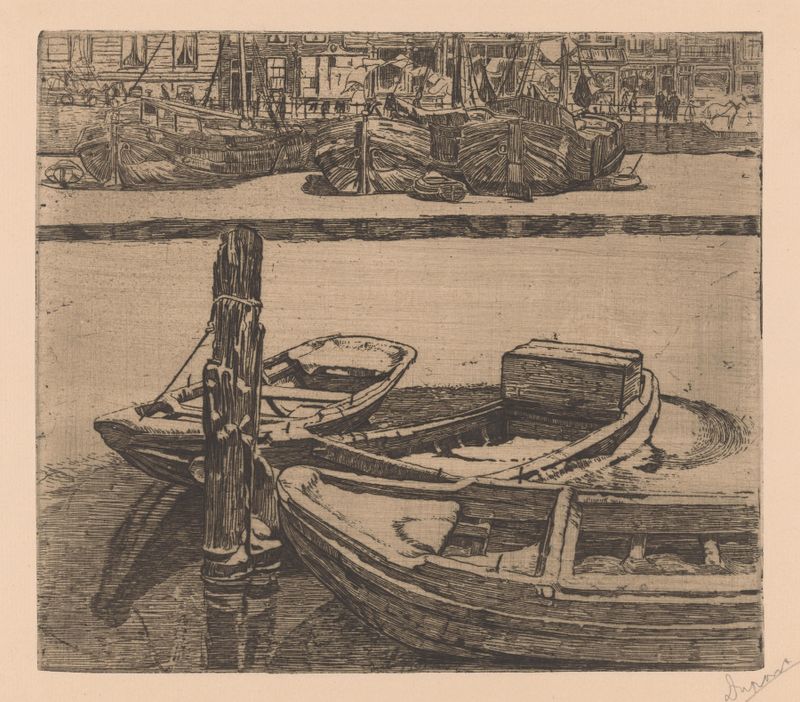
Schepen in het Damrak in Amsterdam
Pieter Dupont
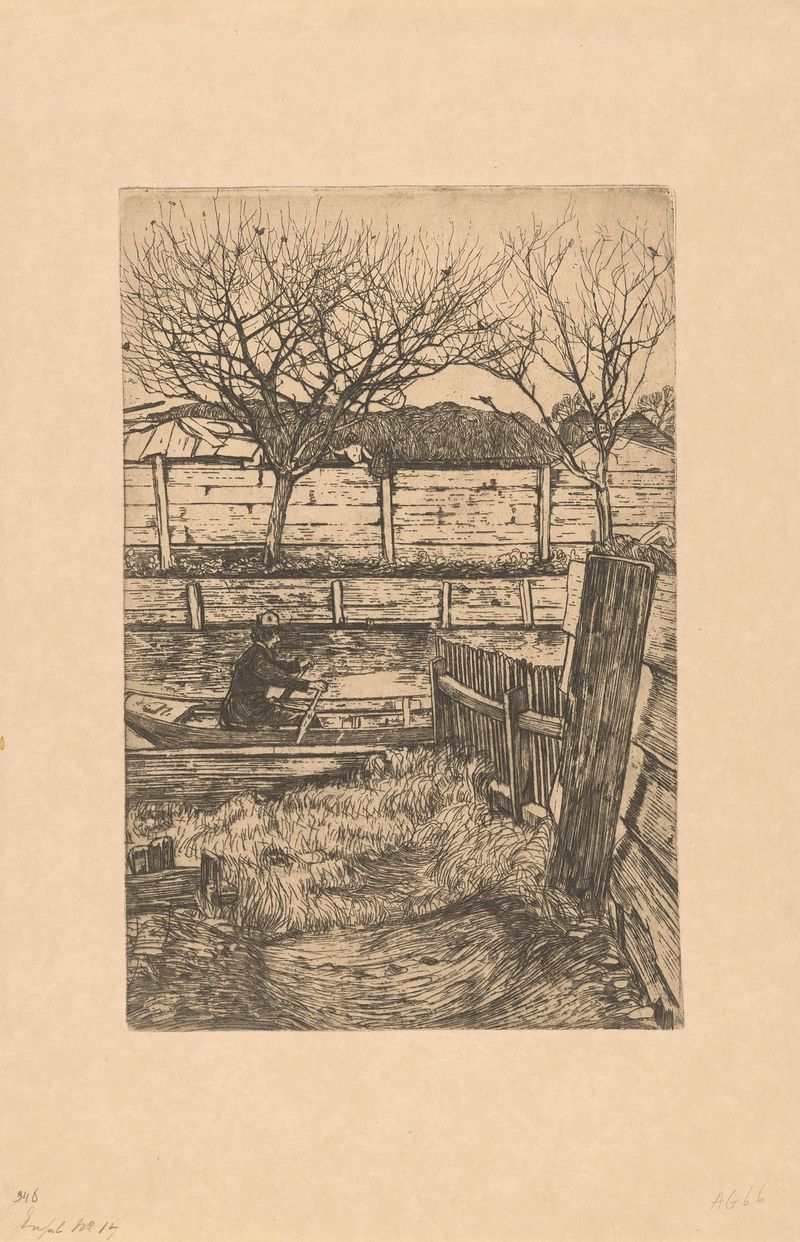
Man in een roeiboot, waarschijnlijk bij de Slatuinen in Amsterdam
Pieter Dupont
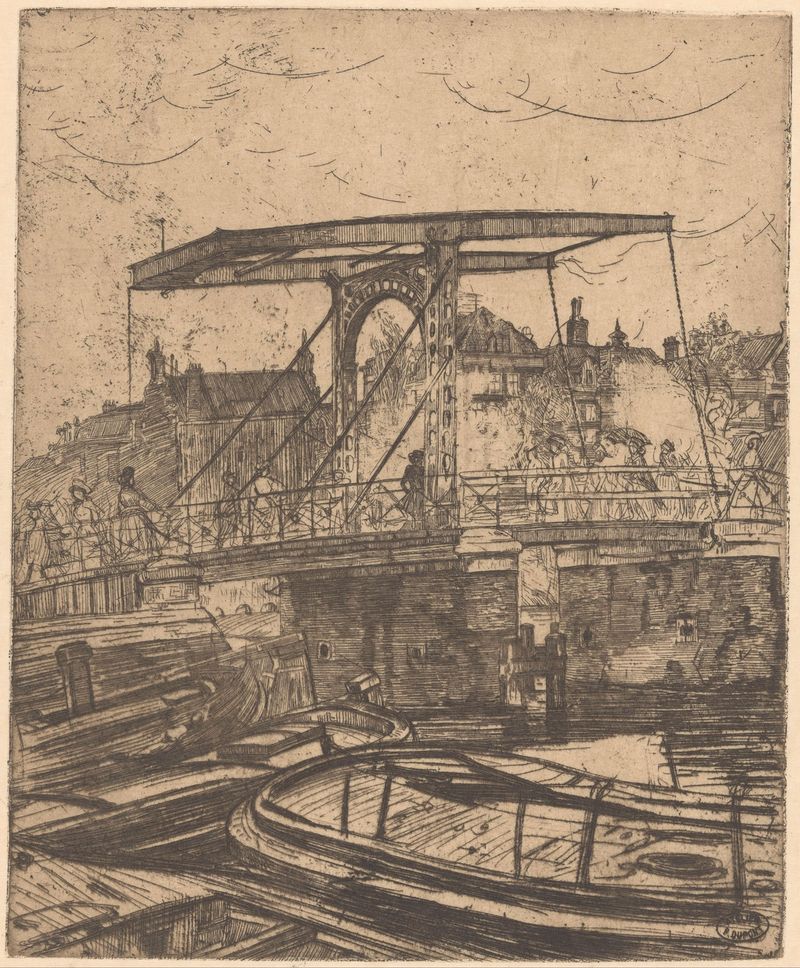
Magere Brug in Amsterdam
Pieter Dupont
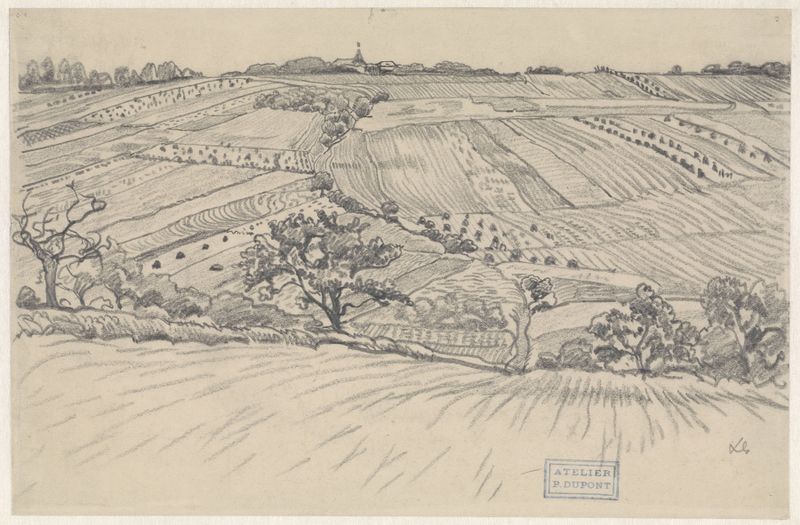
Heuvelachtig landschap met korenvelden
Pieter Dupont
More Architecture Art
Browse all →
The statue of Liberty
Frédéric Auguste Bartholdi

View of Houses in Delft, Known as ‘The Little Street’
Johannes Vermeer

View of Houses in Delft, Known as ‘The Little Street’
Johannes Vermeer

The Cathedral in Rouen. The portal, Grey Weather
Claude Monet

The yellow house
Vincent van Gogh

The Church in Auvers-sur-Oise, View from the Chevet
Vincent van Gogh