Buddha’s Flowers; Lotus, Tokyo — History & Facts
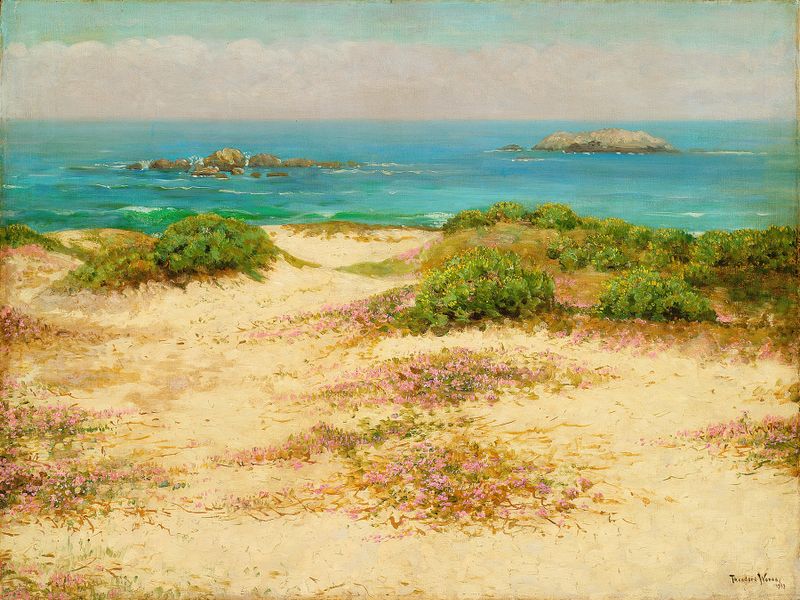
In the quiet hush of observation, the essence of emotion lingers, urging us to delve deeper into the melancholy captured within. Look to the center of the canvas where delicate lotus blossoms unfurl, their petals painted with a soft embrace of pink and white. Notice how the artist’s brushstrokes evoke a sense of gentle movement, as if the flowers sway in a calm breeze. The background, a muted wash of blues and greens, offers a serene contrast, drawing the eye while allowing the blooms to take center stage.
Here, Wores expertly plays with light, illuminating the flowers while casting soft shadows that hint at the ephemeral nature of beauty. As you explore further, subtle details emerge: the slight droop of a petal, the stillness of the water beneath, and the tender presence of a promise unfulfilled. Each element speaks to the profound transience of life, echoing the idea that beauty often exists alongside sorrow. The composition invites contemplation, balancing joy and melancholy, suggesting that even in stillness, there is a pulse of longing and remembrance. In 1894, Wores painted this piece during his time in Tokyo, a city at the crossroads of tradition and modernity.
The artist, known for capturing the essence of Japanese culture through Western techniques, was influenced by the shifting tides of his environment. It was a period marked by the opening of Japan to the West, an era of both wonder and nostalgia, reflected in the delicate balance of Buddha’s Flowers; Lotus.