
Budleigh, Salterton… An easier way of descending ye cliff — History & Facts
Who listens when art speaks of silence? In the serene panorama of Budleigh, Salterton… An easier way of descending ye cliff, beauty unfolds in a gentle embrace, inviting contemplation and quiet reflection. Look to the left, where the cliffs rise majestically, their rugged edges softened by a delicate wash of muted colors. The play of light and shadow creates a natural rhythm, guiding your gaze across the horizon where sea meets sky. Note how the distant waves shimmer like polished glass, while the foreground reveals a narrow, winding path that hints at a journey yet to unfold.
Crotch’s meticulous brushwork and choice of earthy tones evoke a sense of warmth and familiarity, lending an inviting quality to this coastal setting. Yet beneath the tranquil surface lies a deeper narrative. The cliffs, both beautiful and imposing, symbolize the dual nature of the path we traverse in life—one that offers breathtaking views but also demands caution. The figures engaged in the descent, though small in the composition, represent the human struggle against nature’s grandeur, carrying an undertone of vulnerability amidst the beauty.
This juxtaposition between the majestic landscape and the precarious descent prompts viewers to reflect on their own journeys and the risks they face. In 1833, William Crotch painted this idyllic scene during a time when Romanticism flourished, emphasizing the emotional connection between humanity and the natural world. Living in England, he drew inspiration from his surroundings and the artistic currents of his time. The work exemplifies his dedication to capturing nature’s beauty, reflecting both his personal experiences and the broader artistic dialogues of the era.
More Artworks by William Crotch
Browse all →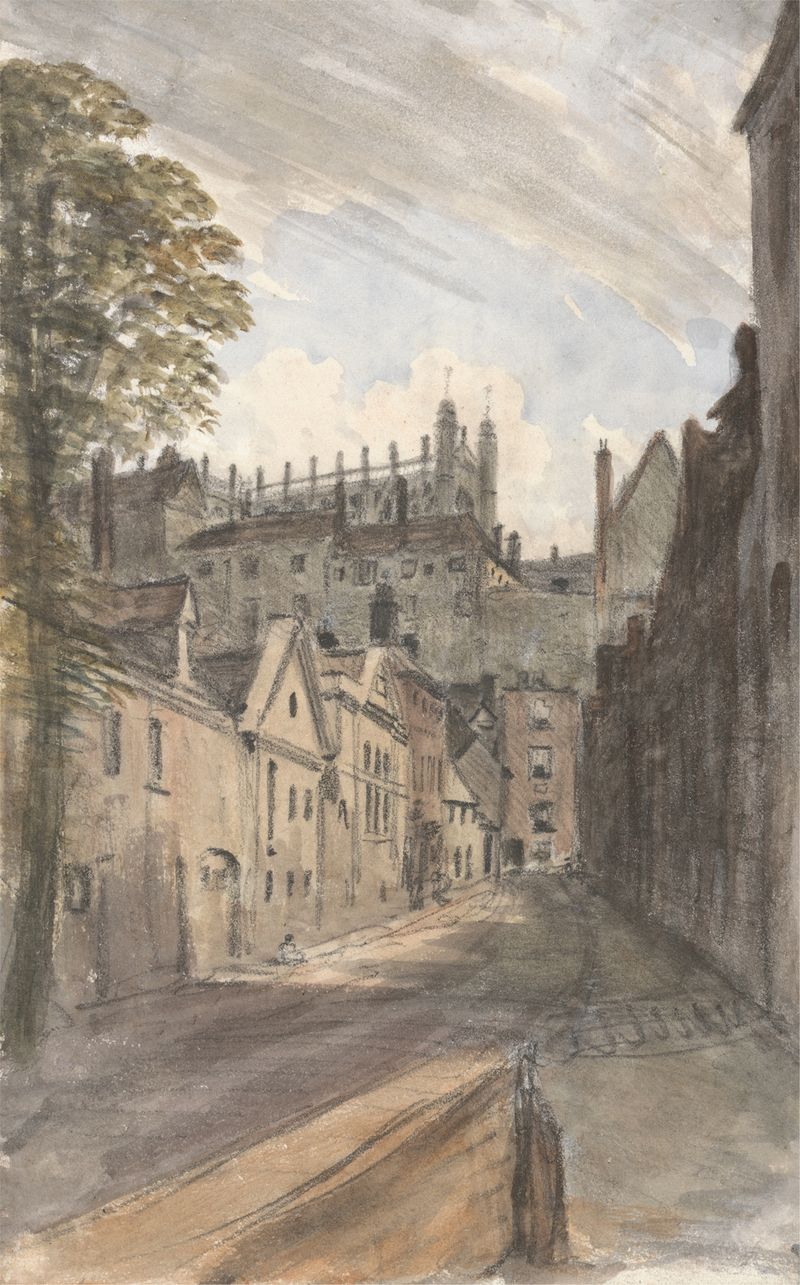
St. George’s Chapel and The Castle Wall From Bier Lane, July 18, 1832, 1 pm
William Crotch
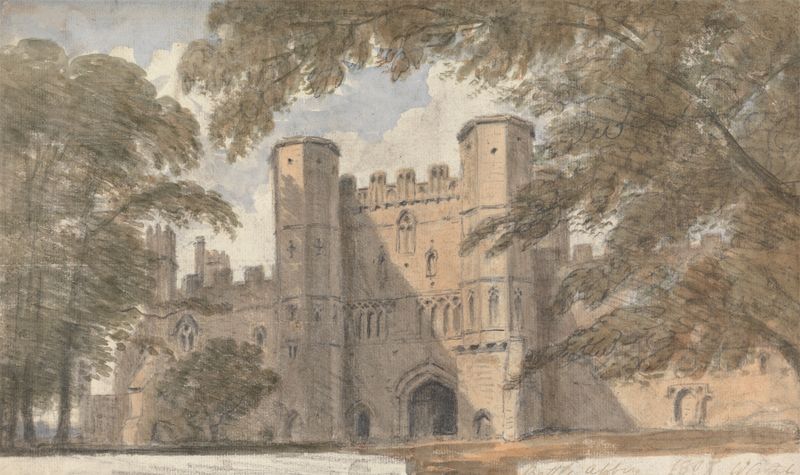
Battle Abbey, Sept. 8, 1807
William Crotch

Windsor Castle View, King George IV Gate and the Round Tower, July 28, 1832
William Crotch
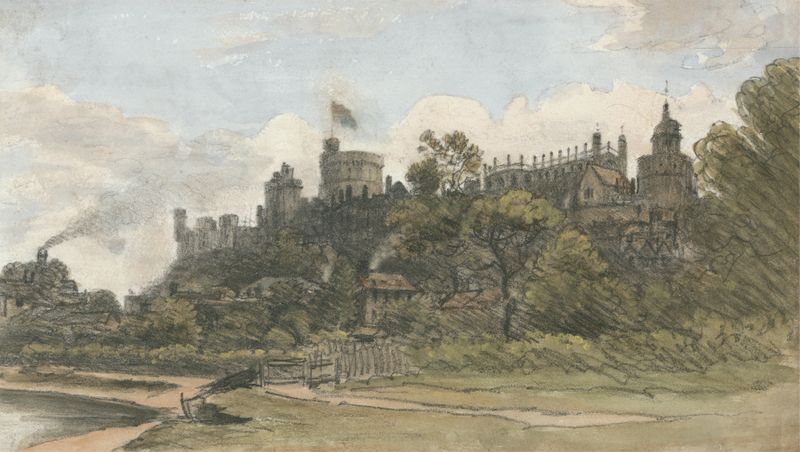
Windsor Castle From Above the Bridge, July 18, 1832, 12 Noon
William Crotch
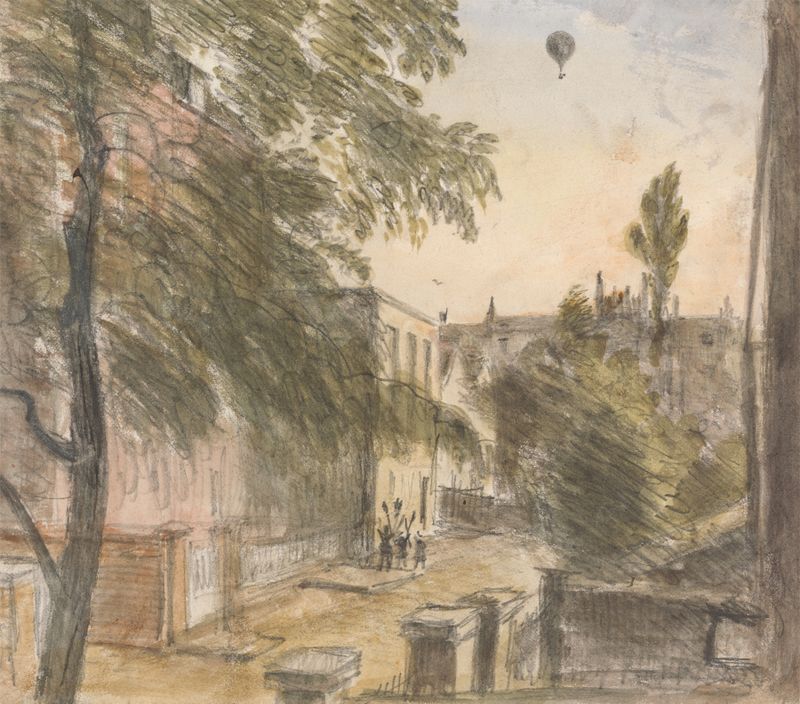
Balloon over Holland Street, Kensington, 22 July 1835, 7 p.m.
William Crotch
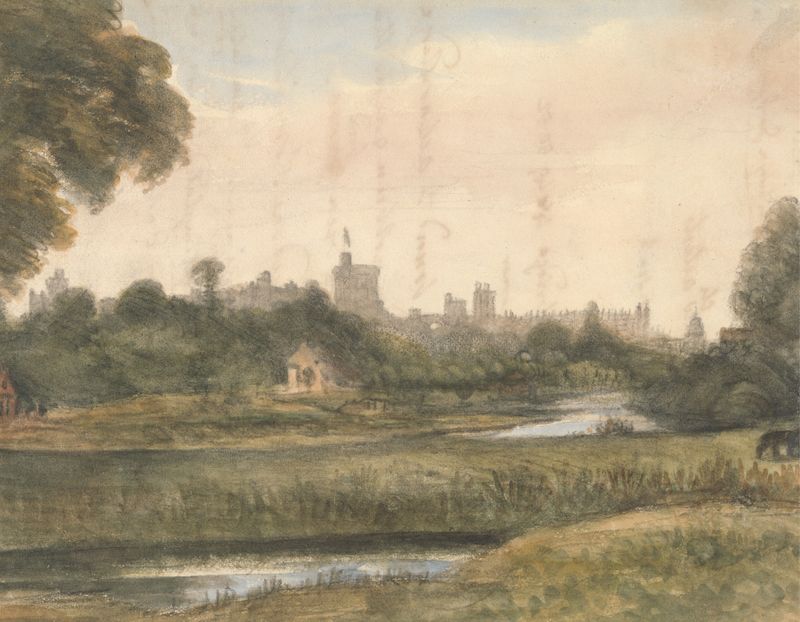
View of Windsor from down the River
William Crotch
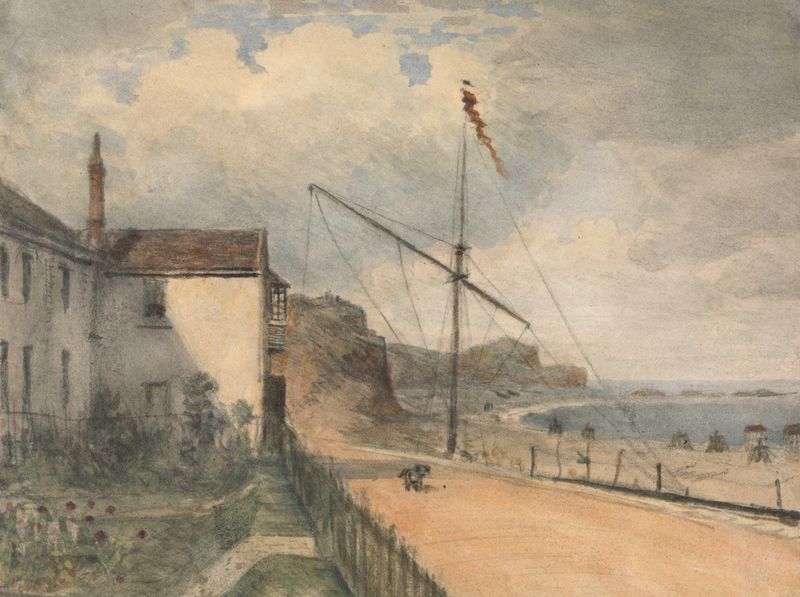
Budleigh, Salterton..from our own Garden
William Crotch
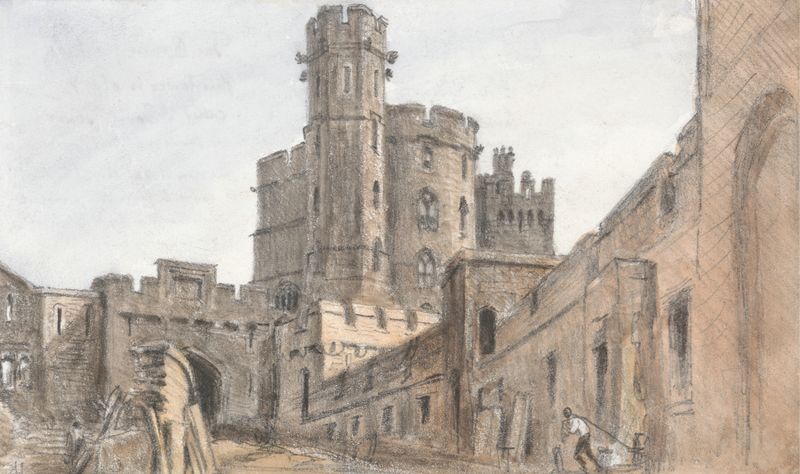
Windsor Castle, Devil’s Tower, July 17, 1832 11 am
William Crotch
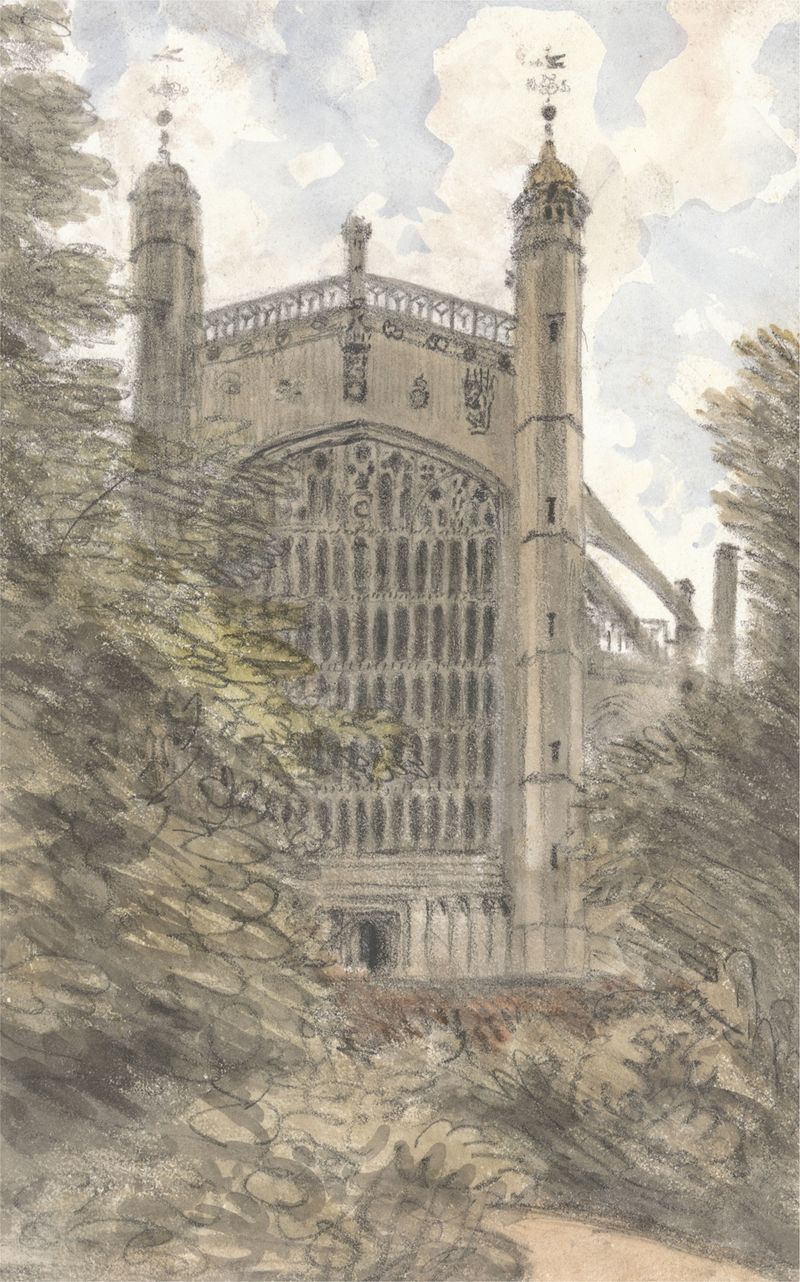
St. George’s Chapel, Windsor, West End, July 19, 1832, 10 am
William Crotch





