
Budleigh, Salterton..from our own Garden — History & Facts
The sun hangs low in the sky, casting a golden hue over the tranquil landscape. In the foreground, a solitary figure stands amidst swaying grass, their gaze lost in the distance where the sea meets the horizon. The air is still, heavy with a sense of longing and emptiness that permeates the scene, suggesting a moment of quiet reflection. Look to the left, where the gentle curve of the coastline draws your eye towards the softly rolling hills beyond.
Notice how the artist uses a delicate palette of greens and blues to create a harmonious balance, while vibrant strokes of color in the wildflowers punctuate the landscape. The intricate detail in the foreground contrasts beautifully with the hazy, almost dream-like quality of the distant sea, embodying a sense of both closeness and separation. As you delve deeper into the painting, consider the emotional currents at play. The solitary figure embodies isolation, standing as a silent witness to the vastness of nature that surrounds them.
The delicate interplay of light and shadow reveals not only the beauty of the scene but also an undercurrent of melancholy, suggesting the fleeting nature of joy amidst the expansive emptiness of the landscape. The wildflowers, while colorful, hint at the transitory nature of beauty, mirroring the figure's stillness. In 1833, William Crotch painted this piece during a period marked by personal and artistic exploration. Living in England, he was influenced by the Romantic movement, which emphasized emotion and the sublime in nature.
This work reflects both the pastoral beauty of his surroundings in Budleigh Salterton and a deeper contemplation of existence, a blend of the external landscape with an internal emotional landscape.
More Artworks by William Crotch
Browse all →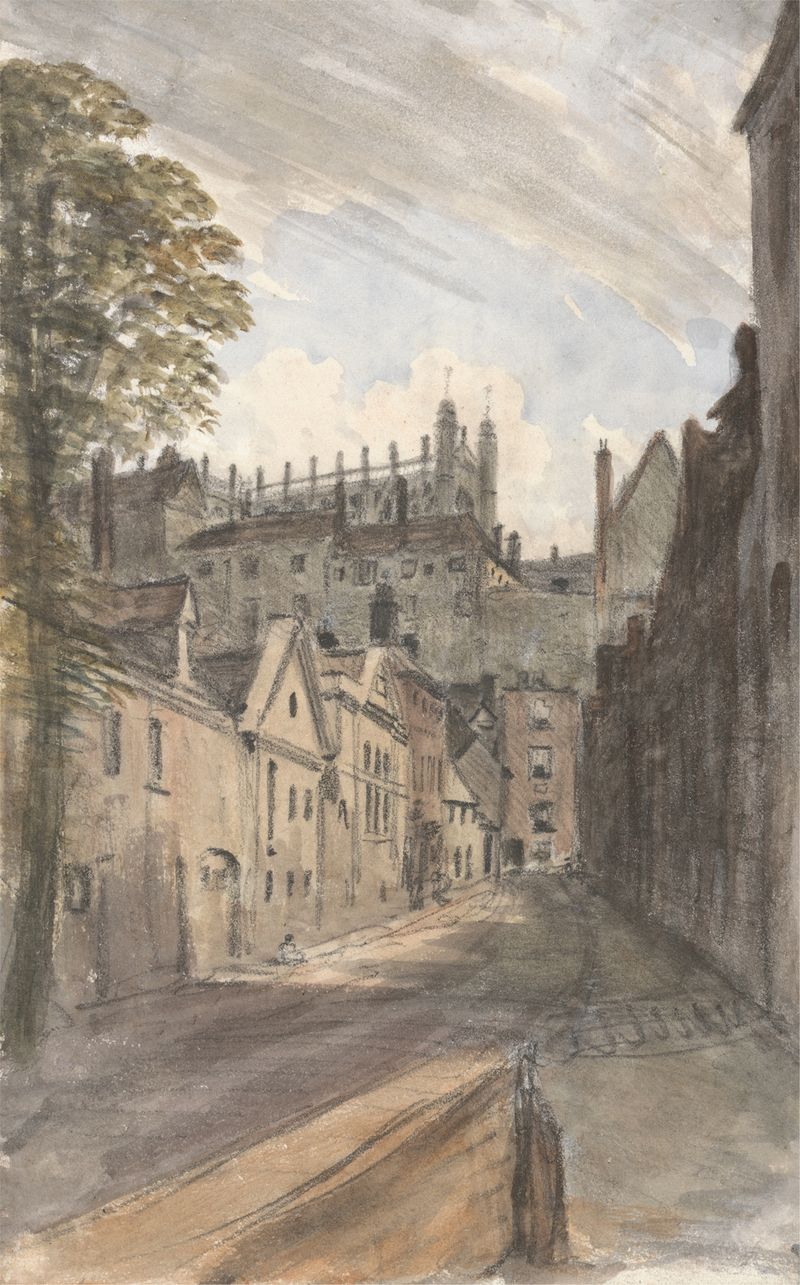
St. George’s Chapel and The Castle Wall From Bier Lane, July 18, 1832, 1 pm
William Crotch
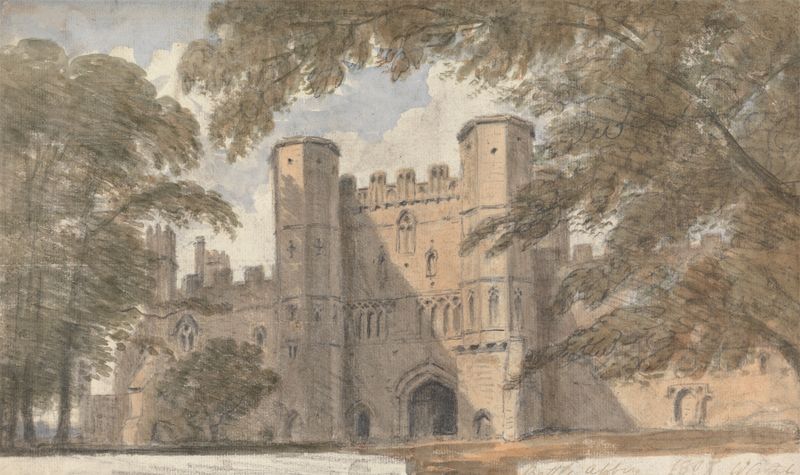
Battle Abbey, Sept. 8, 1807
William Crotch

Windsor Castle View, King George IV Gate and the Round Tower, July 28, 1832
William Crotch
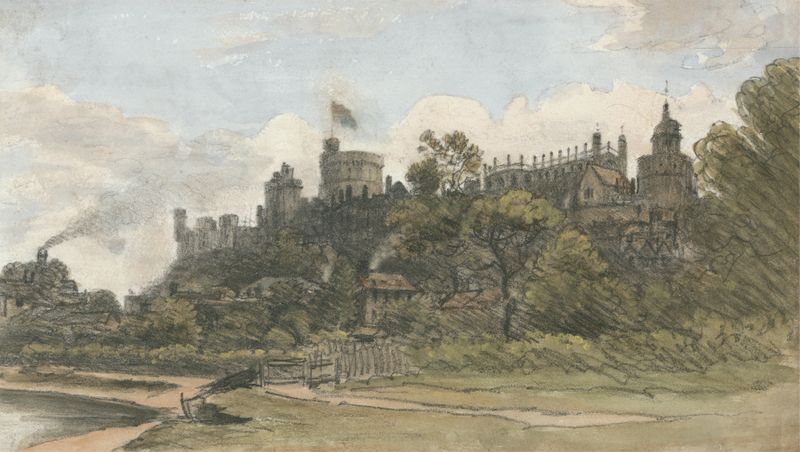
Windsor Castle From Above the Bridge, July 18, 1832, 12 Noon
William Crotch
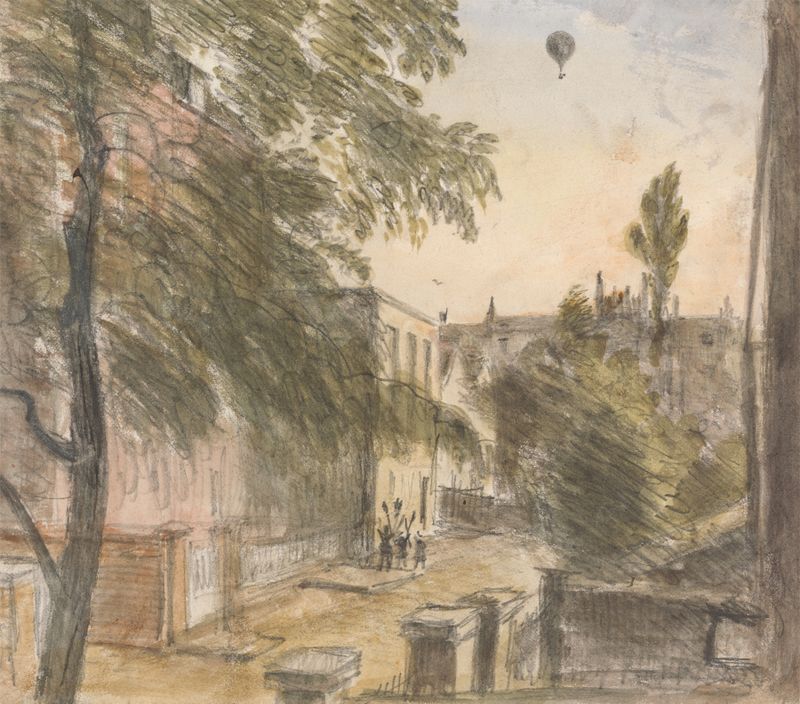
Balloon over Holland Street, Kensington, 22 July 1835, 7 p.m.
William Crotch
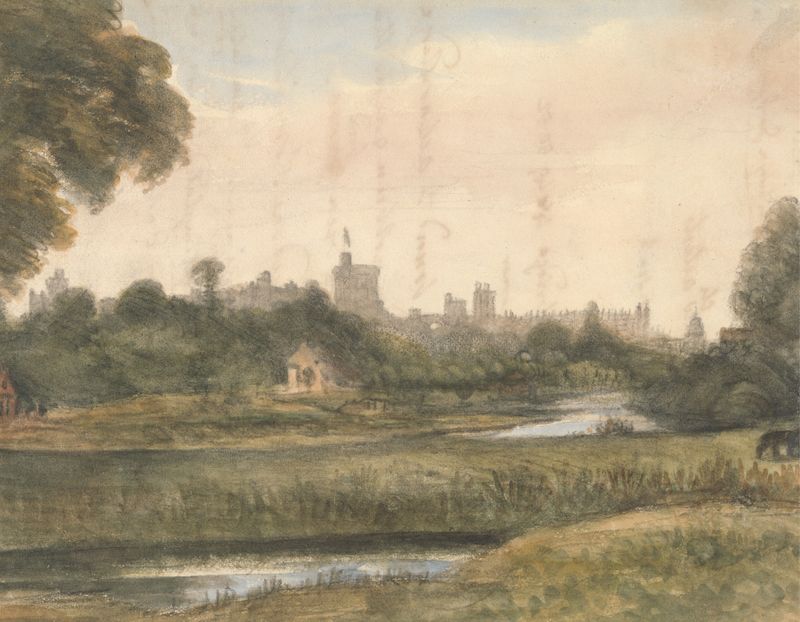
View of Windsor from down the River
William Crotch
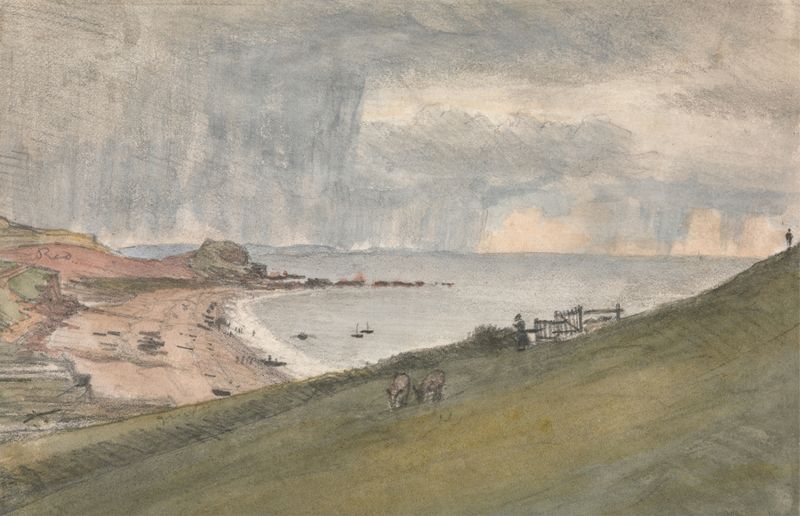
Budleigh, Salterton… An easier way of descending ye cliff
William Crotch
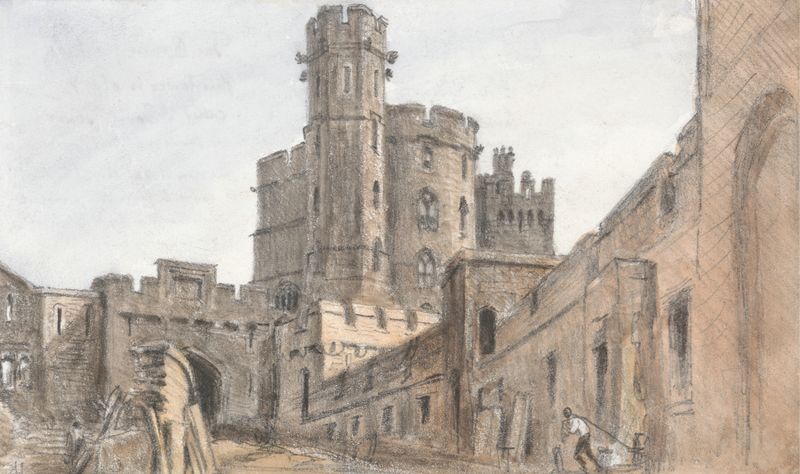
Windsor Castle, Devil’s Tower, July 17, 1832 11 am
William Crotch
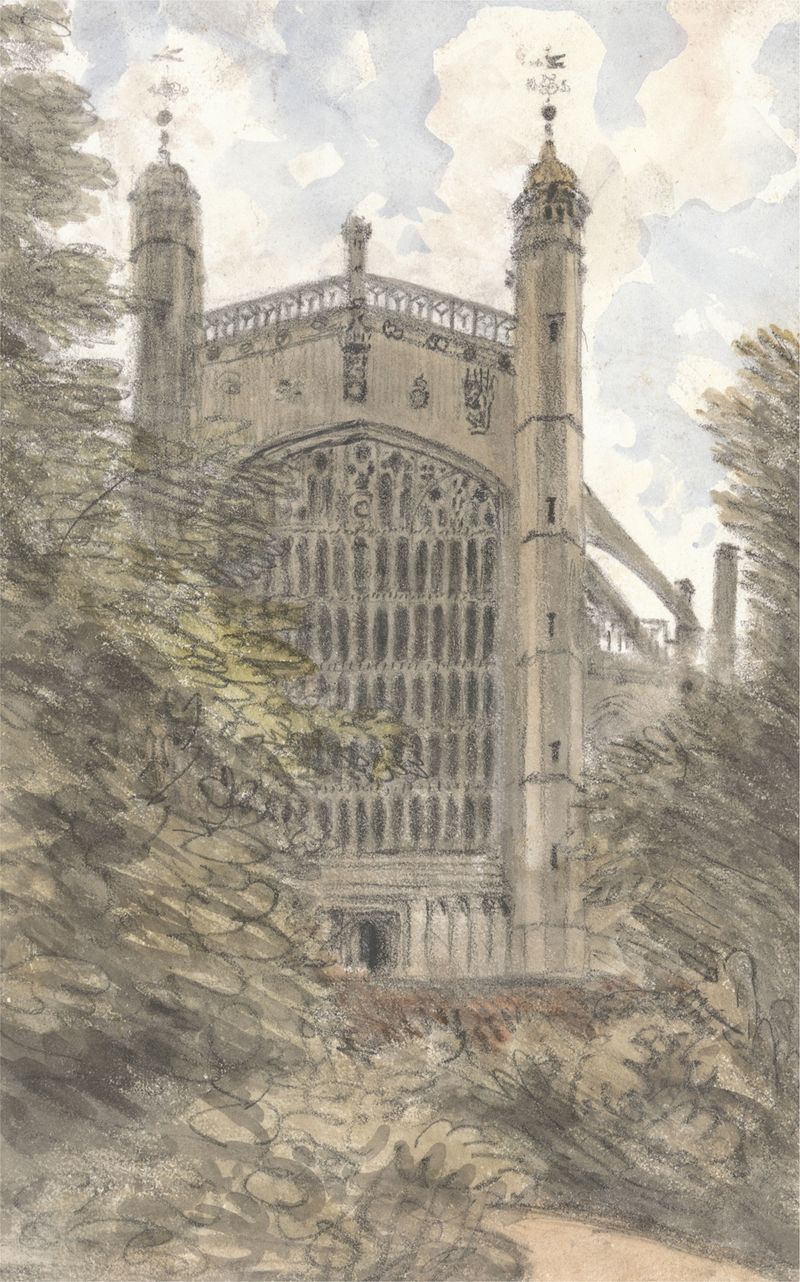
St. George’s Chapel, Windsor, West End, July 19, 1832, 10 am
William Crotch





