
St. George’s Chapel, Windsor, West End, July 19, 1832, 10 am — History & Facts
Did the painter know this moment would outlive them? In the quietude of St. George's Chapel, time seems to suspend, anchoring the viewer to a fragile yet enduring beauty. Focus on the intricate details of the stonework as you take in the chapel’s façade. Look at the delicate tracery of the windows, bathed in the morning light that dances off the centuries-old granite.
Notice how the cool blues and soft grays of the stone contrast with the warm, golden hues of the sunlight, creating a sense of harmony that invites contemplation. The composition is structured yet organic, reflecting both the craftsmanship of Gothic architecture and the ephemeral nature of the moment captured. This scene reveals a duality of permanence and transience. The chapel, a steadfast witness to history, stands resolutely against the passage of time, while the light — so fleeting — reminds us of life’s fragility.
Each intricate detail, from the ornate carvings to the shadows cast upon the ground, evokes a sense of reverence and introspection. Crotch captures not just a structure, but the spirit of a place steeped in memory and significance, urging the viewer to ponder what has come before and what is yet to pass. In 1832, William Crotch painted this piece at a time when he was establishing himself as a noted artist and musician in England. The Romantic movement was blossoming, emphasizing emotion and nature, and the landscape of art was shifting as new ideas emerged.
This work reflects his engagement with both the architectural legacy of his country and the evolving narrative of British art, marking a moment of personal and cultural significance.
More Artworks by William Crotch
Browse all →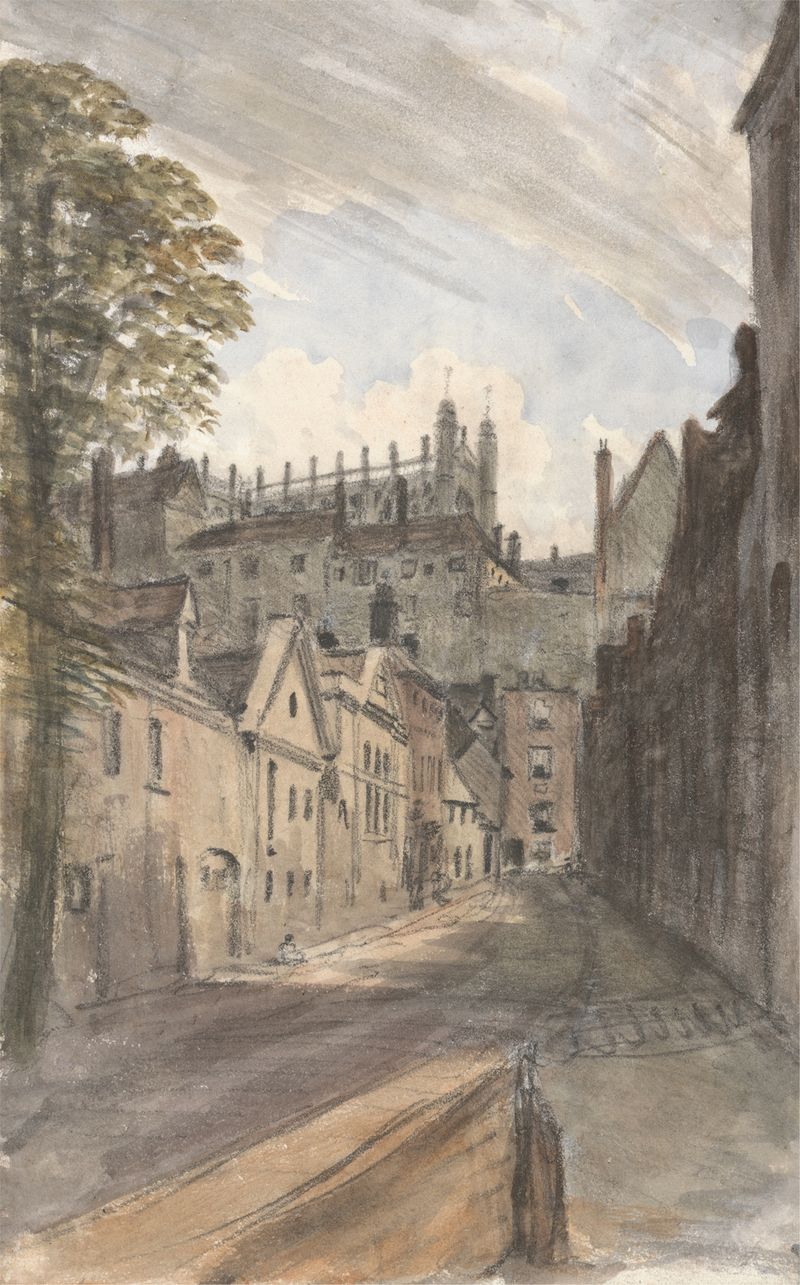
St. George’s Chapel and The Castle Wall From Bier Lane, July 18, 1832, 1 pm
William Crotch
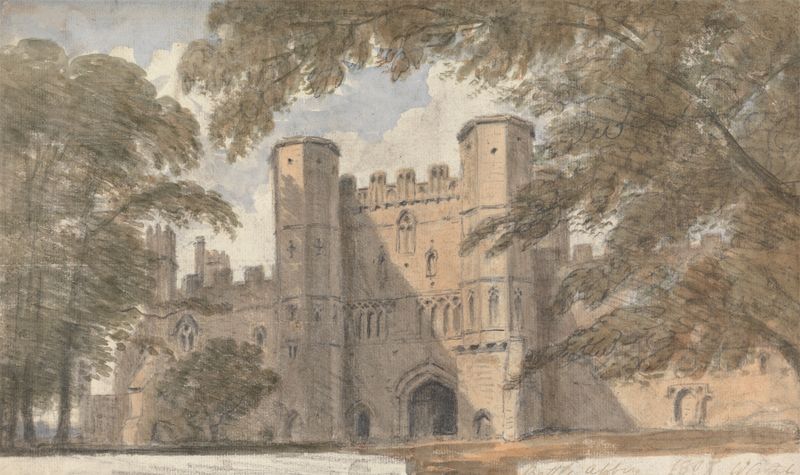
Battle Abbey, Sept. 8, 1807
William Crotch

Windsor Castle View, King George IV Gate and the Round Tower, July 28, 1832
William Crotch
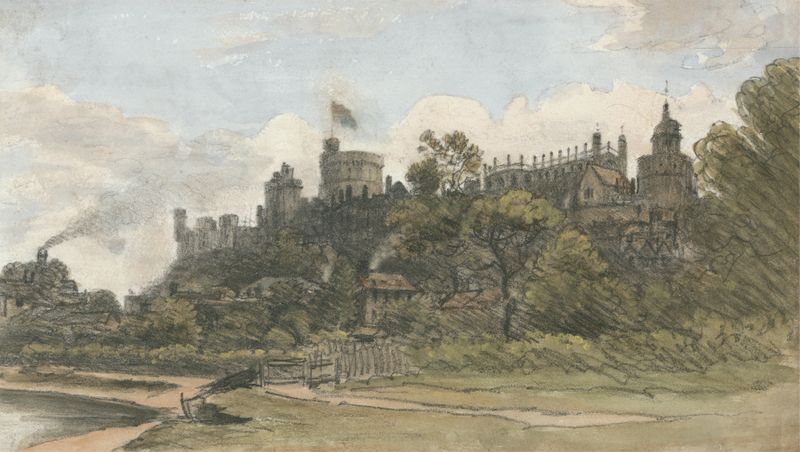
Windsor Castle From Above the Bridge, July 18, 1832, 12 Noon
William Crotch
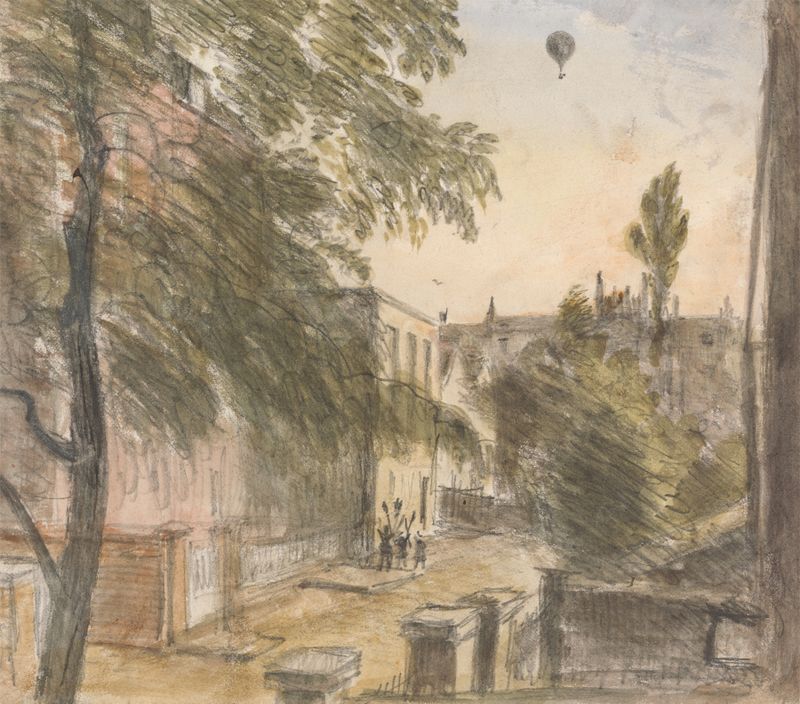
Balloon over Holland Street, Kensington, 22 July 1835, 7 p.m.
William Crotch
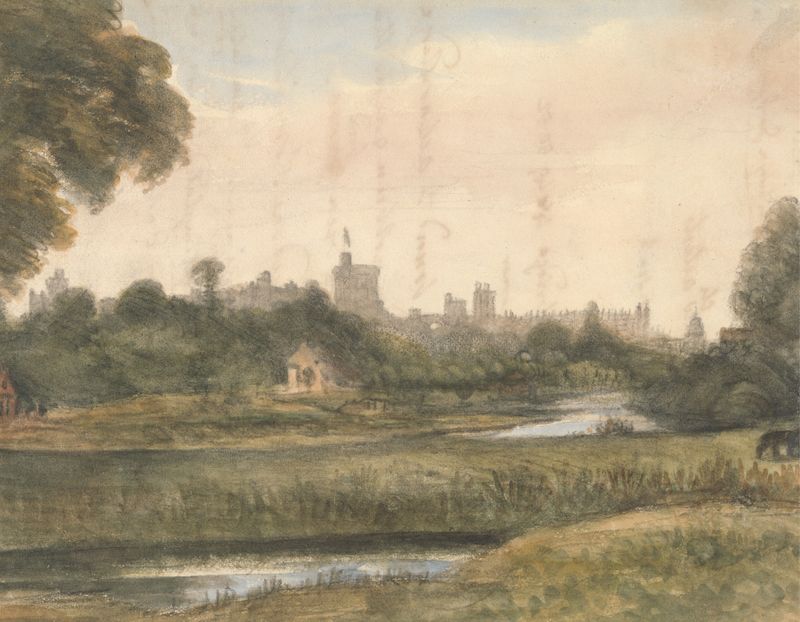
View of Windsor from down the River
William Crotch
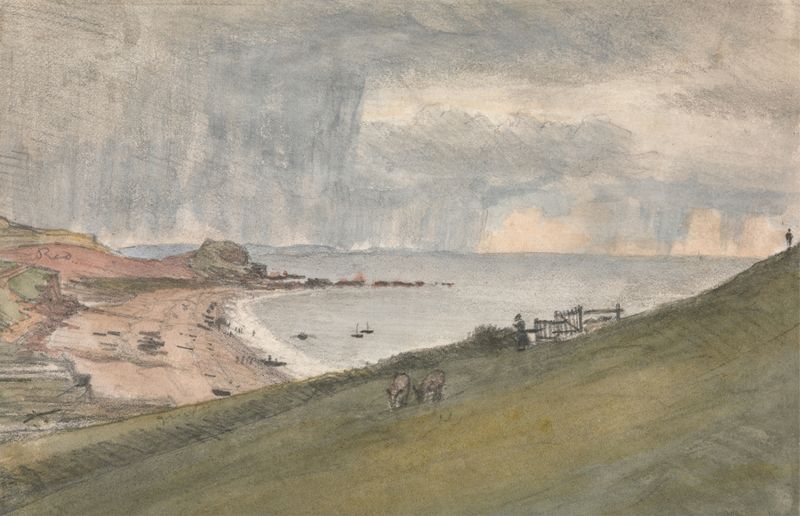
Budleigh, Salterton… An easier way of descending ye cliff
William Crotch
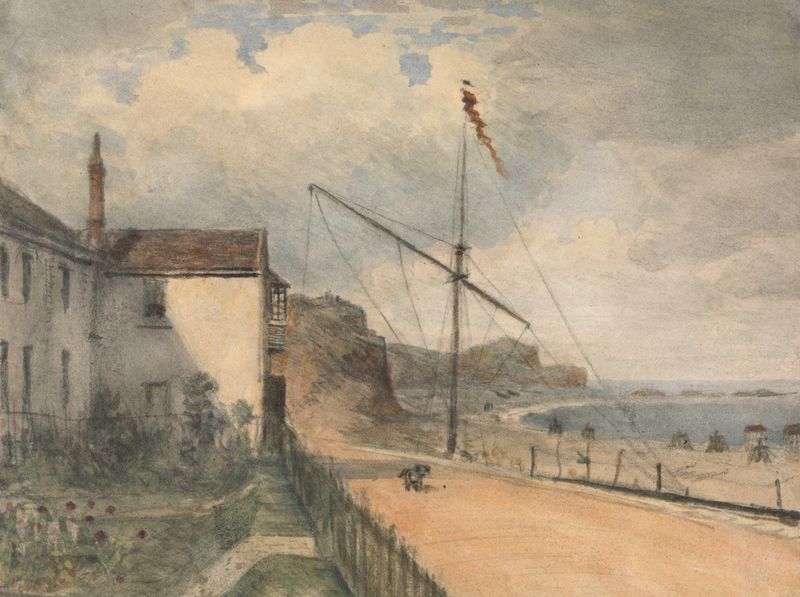
Budleigh, Salterton..from our own Garden
William Crotch
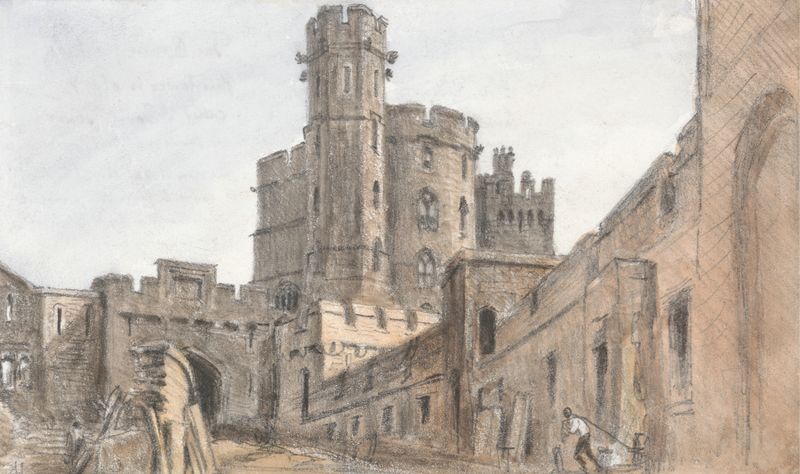
Windsor Castle, Devil’s Tower, July 17, 1832 11 am
William Crotch
More Architecture Art
Browse all →
The statue of Liberty
Frédéric Auguste Bartholdi

View of Houses in Delft, Known as ‘The Little Street’
Johannes Vermeer

View of Houses in Delft, Known as ‘The Little Street’
Johannes Vermeer

The Cathedral in Rouen. The portal, Grey Weather
Claude Monet

The yellow house
Vincent van Gogh

The Church in Auvers-sur-Oise, View from the Chevet
Vincent van Gogh