
Battle Abbey, Sept. 8, 1807 — History & Facts
The sun casts a golden hue over the crumbling ruins of Battle Abbey, illuminating the stark division between light and shadow. A group of figures stands in reverent silence, their bodies poised in a moment of suspended contemplation, as if the weight of history presses upon them. Gentle breezes dance through the grass, causing ripples of movement that mirror the emotions etched on their faces, a blend of awe and reflection. Look to the left at the intricate details of the stone walls, where age and time have left their indelible mark.
The artist’s palette is rich with earthy tones, contrasting the bright flashes of color from the foliage surrounding the ruins. Notice how the light plays upon the textures of the stone, highlighting the weathered surfaces, while the softer greens of the grass and trees invite a sense of tranquility amidst the historical tumult captured in this setting. In this work, the interplay of light and shadow offers a meditation on the passage of time and the remnants of conflict. The figures, enshrouded in a mix of light and darkness, evoke a sense of connection to the past, suggesting that history is both a weight and a guiding force.
Additionally, the vibrant colors of nature juxtapose the starkness of the abbey ruins, symbolizing the resilience of life in the face of loss. William Crotch painted this scene in 1807 while in England, a period marked by the aftermath of the Napoleonic Wars and burgeoning Romanticism. Art movements were shifting, emphasizing emotion and the sublime in nature. Crotch, a composer and artist, blended his love for music and visual storytelling, reflecting on Britain’s tumultuous history through evocative landscapes like this one, capturing both the beauty and fragility of his surroundings.
More Artworks by William Crotch
Browse all →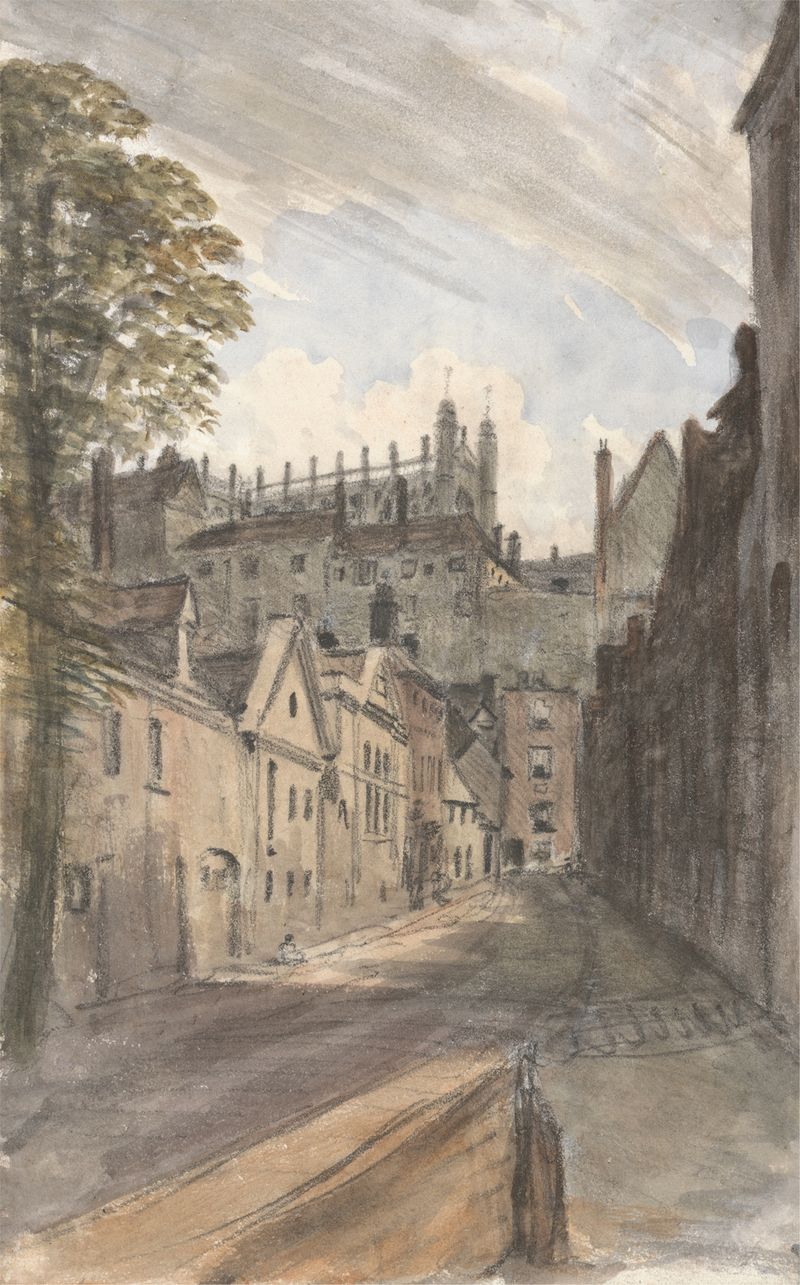
St. George’s Chapel and The Castle Wall From Bier Lane, July 18, 1832, 1 pm
William Crotch

Windsor Castle View, King George IV Gate and the Round Tower, July 28, 1832
William Crotch
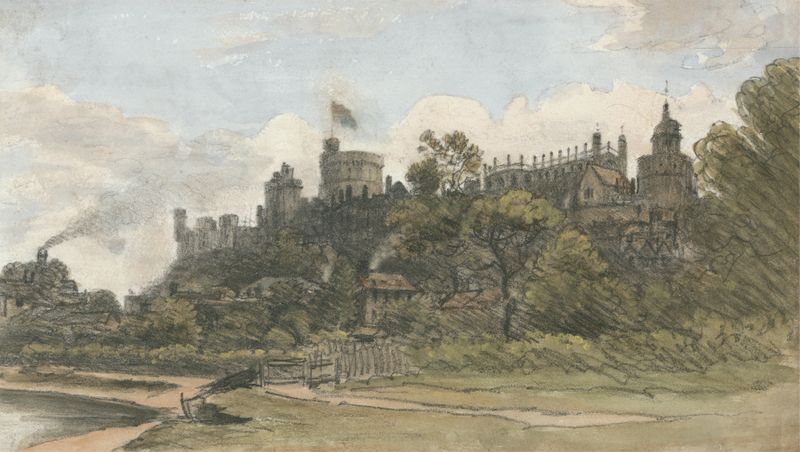
Windsor Castle From Above the Bridge, July 18, 1832, 12 Noon
William Crotch
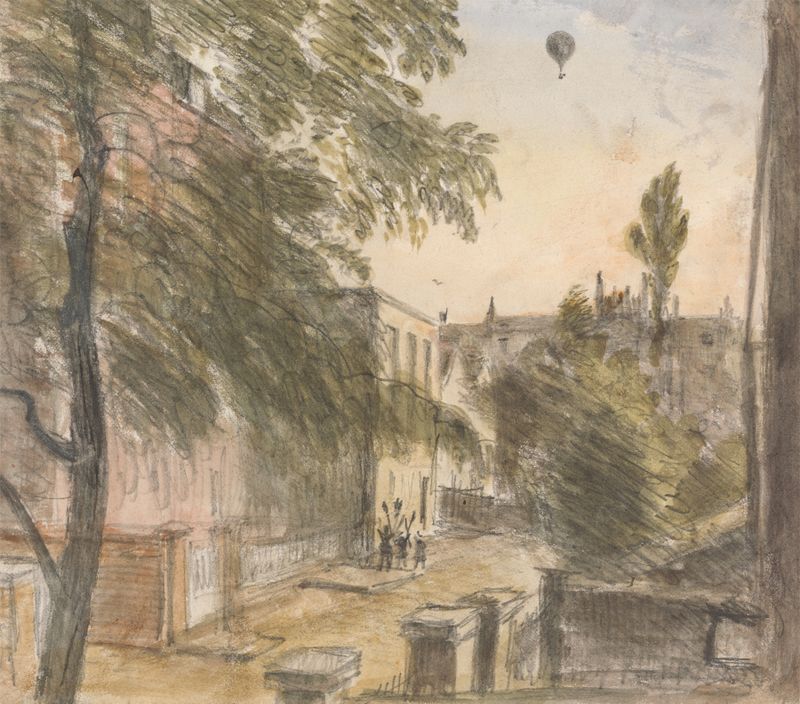
Balloon over Holland Street, Kensington, 22 July 1835, 7 p.m.
William Crotch
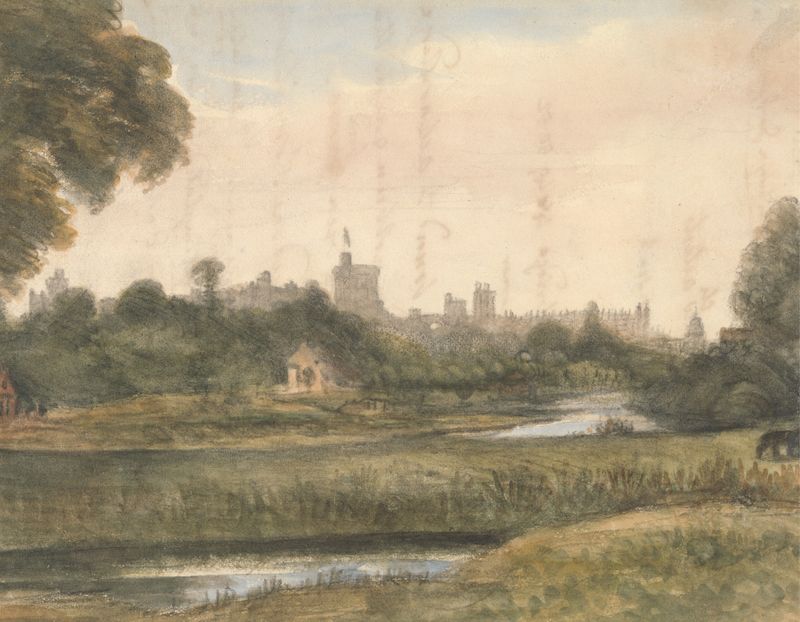
View of Windsor from down the River
William Crotch
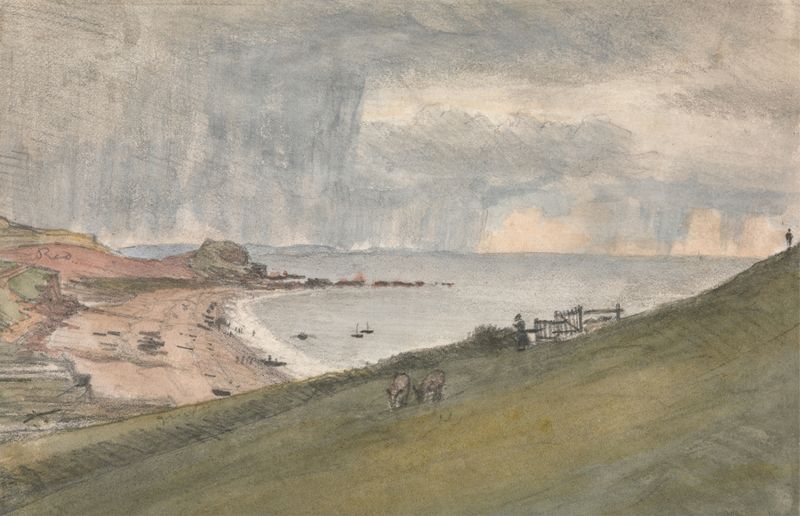
Budleigh, Salterton… An easier way of descending ye cliff
William Crotch
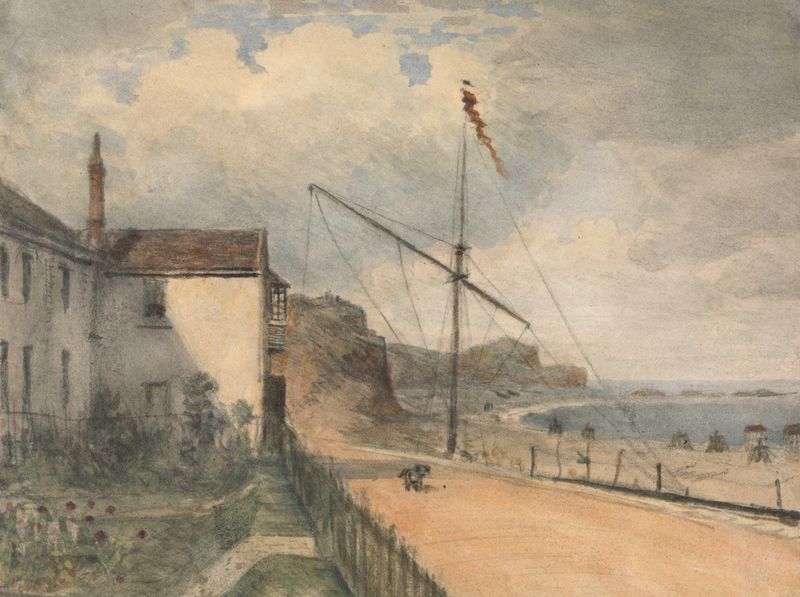
Budleigh, Salterton..from our own Garden
William Crotch
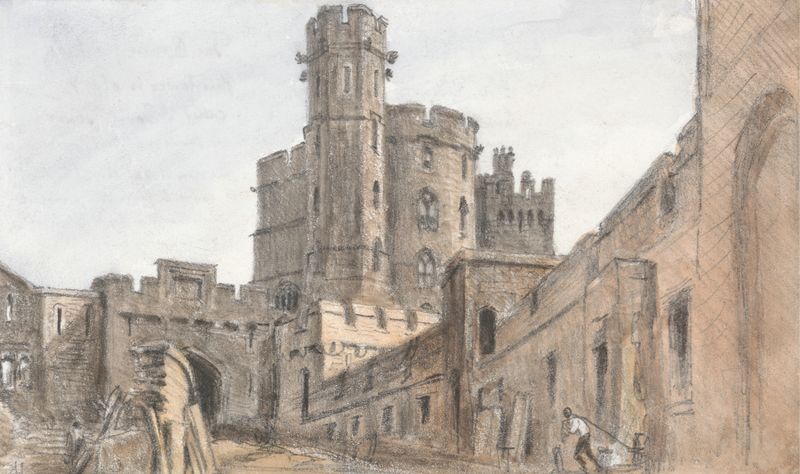
Windsor Castle, Devil’s Tower, July 17, 1832 11 am
William Crotch
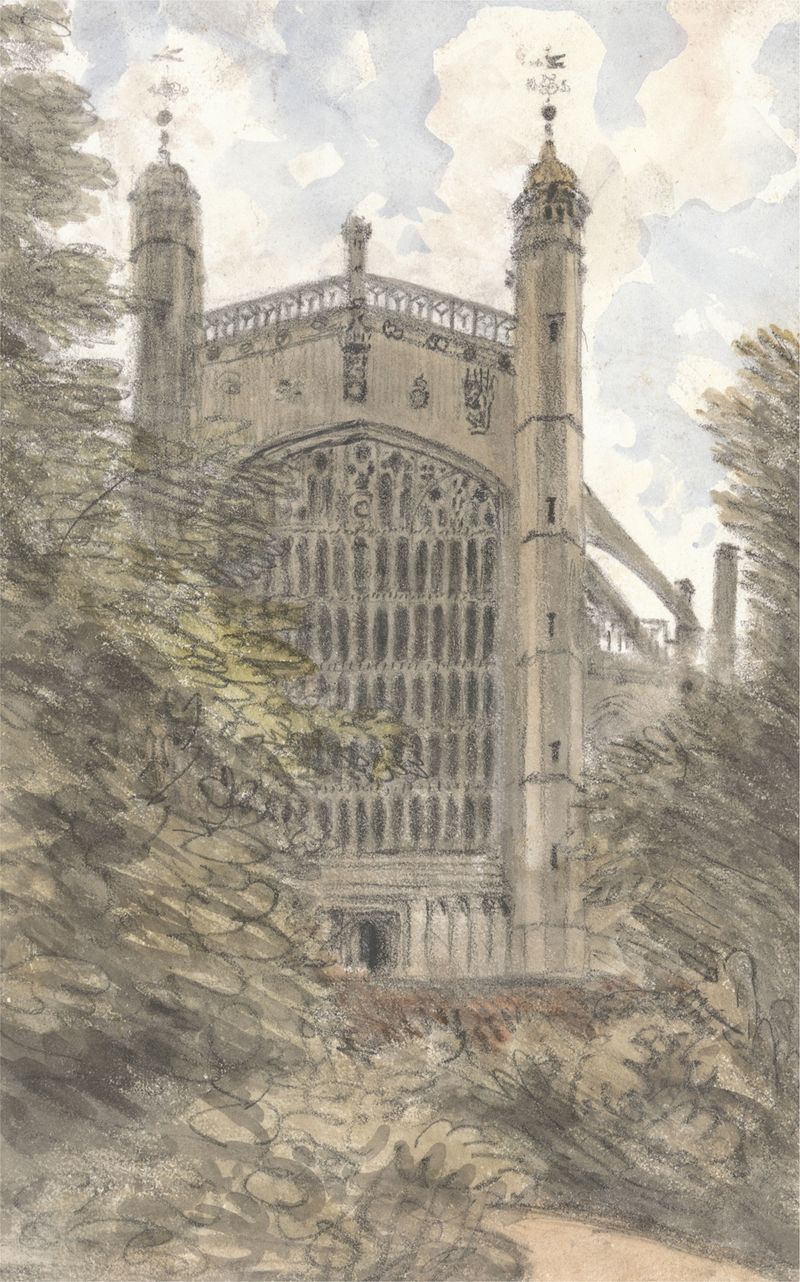
St. George’s Chapel, Windsor, West End, July 19, 1832, 10 am
William Crotch





