
Bukhara. From the journey to Turkestan. — History & Facts
In the realm of art, balance becomes both a refuge and a revelation, inviting us to explore the depths of stillness and the subtleties of harmony. Look closely at the intricate details woven into the fabric of this work. The rich patterns of the architecture beckon your gaze, drawing you toward the center where light dances across the surfaces, softly illuminating the ornate tiles and archways. Notice how the deep blues and warm earth tones coexist, crafting a visual dialogue that echoes the balance of cultures and histories intertwined in Bukhara. The juxtaposition of movement and stillness speaks volumes.
While the architecture stands resolute, hinting at a storied past, the presence of a solitary figure, perhaps a traveler or a local, introduces a human element that breathes life into the composition. This quiet individual embodies the essence of journeys—both external and internal—inviting us into their world, balancing between past and present, between exploration and reflection. In 1912, Jan Ciągliński painted this piece during a time of profound transformation in the art world. Living in the shadow of the impending Great War, he sought inspiration from his travels in Central Asia, capturing the cultural grandeur of Bukhara.
His works often reflected a blend of Eastern and Western influences, revealing a broader narrative at play during an era marked by curiosity and the search for identity amidst turbulent times.
More Artworks by Jan Ciągliński
Browse all →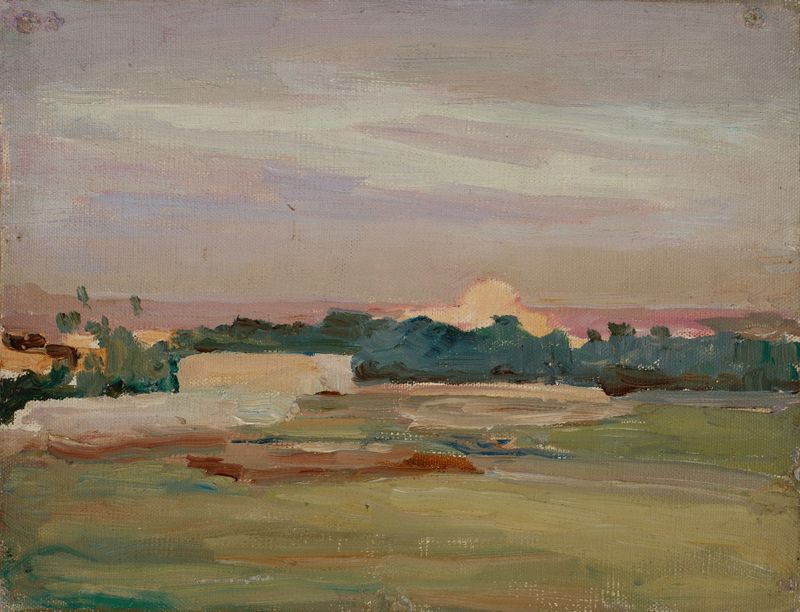
The Sirocco
Jan Ciągliński
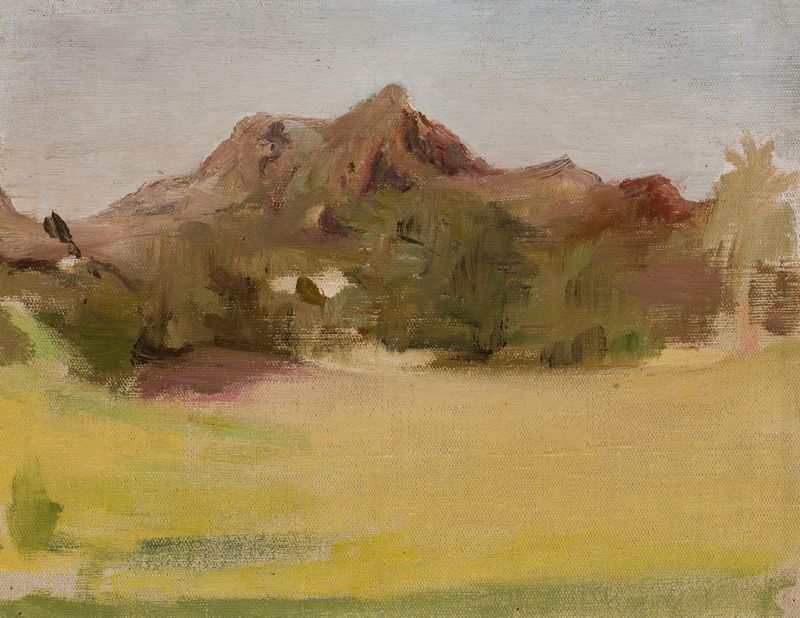
Mountain landscape. From the journey to India
Jan Ciągliński
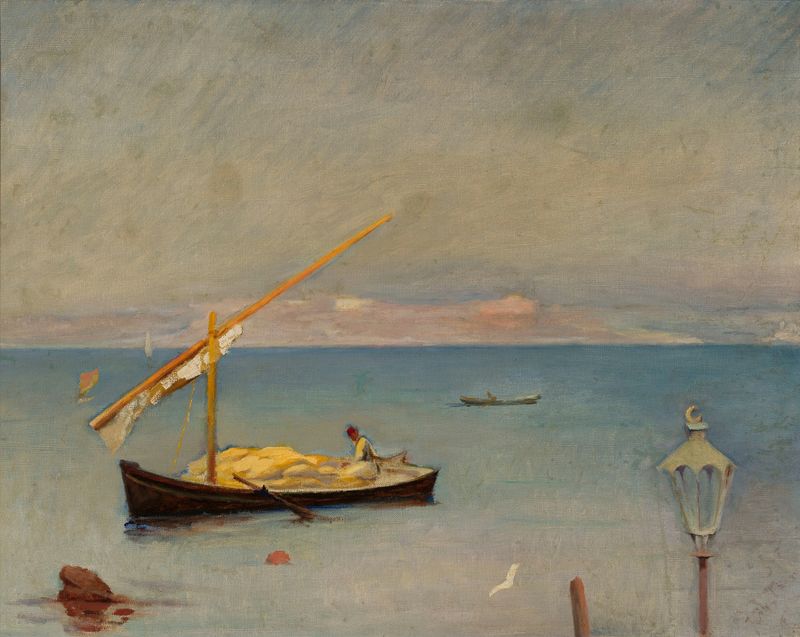
At Bosporus
Jan Ciągliński
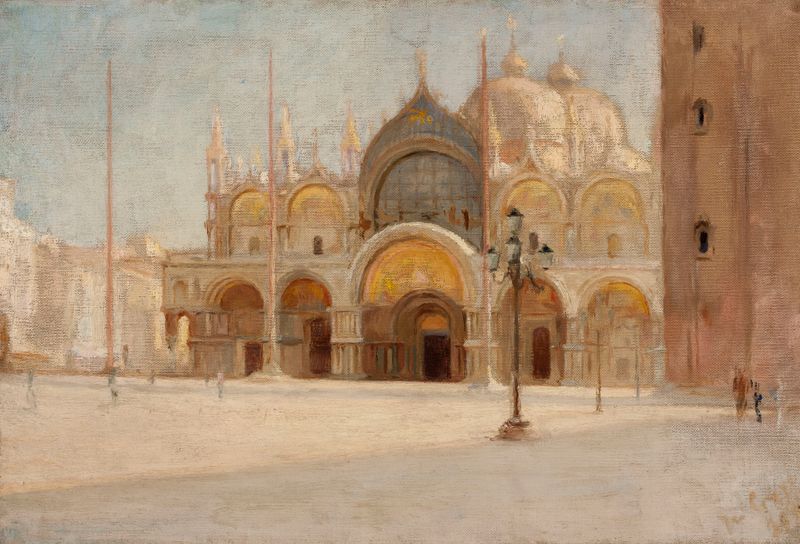
St Mark’s Square in Venice
Jan Ciągliński
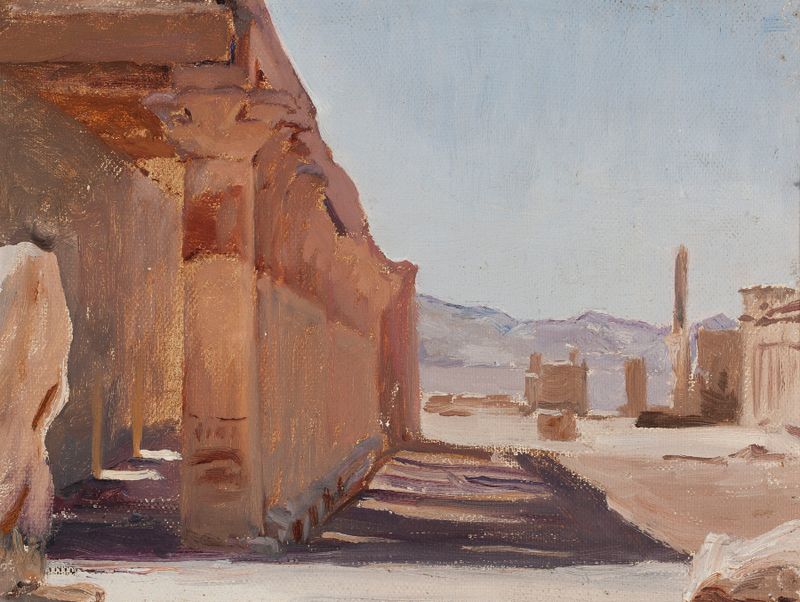
Temple. From the journey to Egypt
Jan Ciągliński
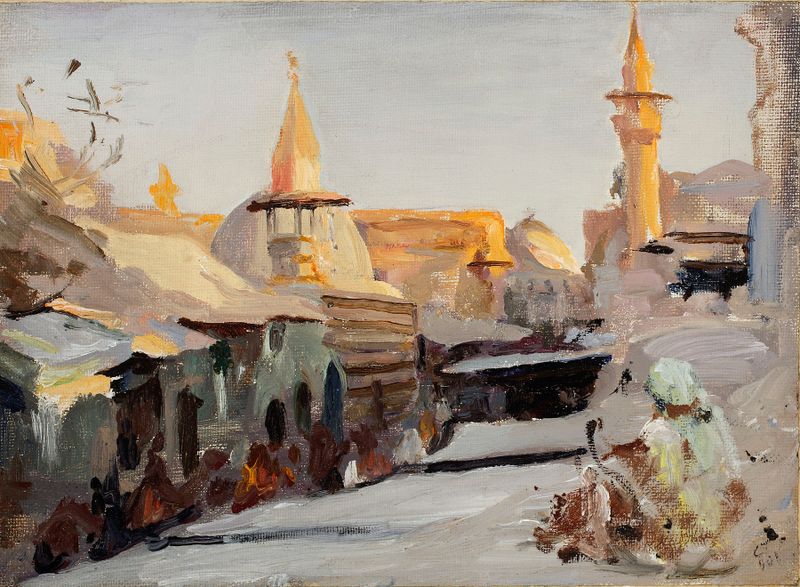
Street in Damascus. From the journey to Palestine
Jan Ciągliński
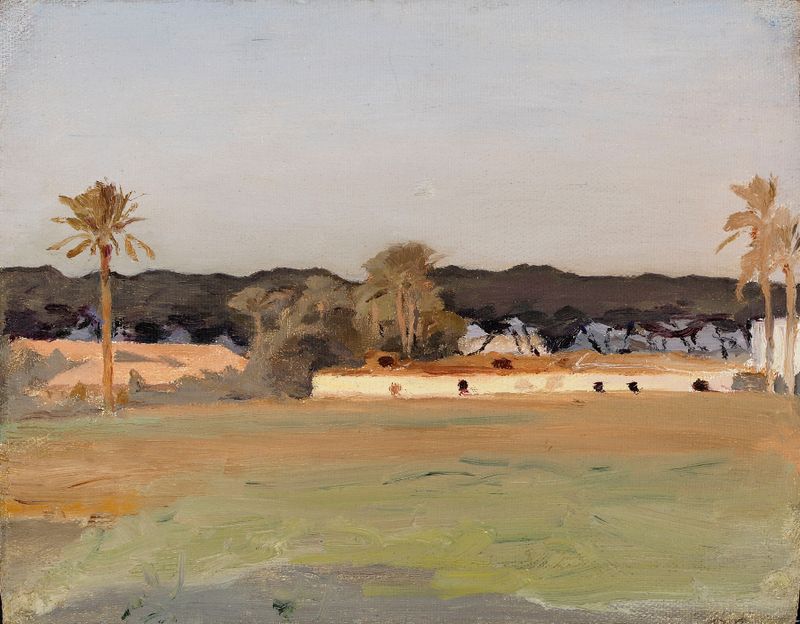
Evening. From the journey to Egypt
Jan Ciągliński
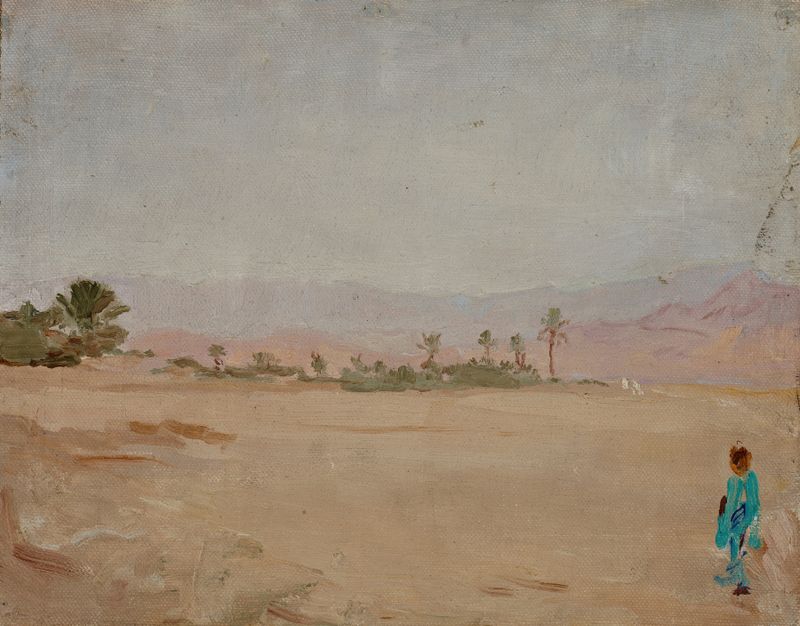
Sahara (Desert)
Jan Ciągliński
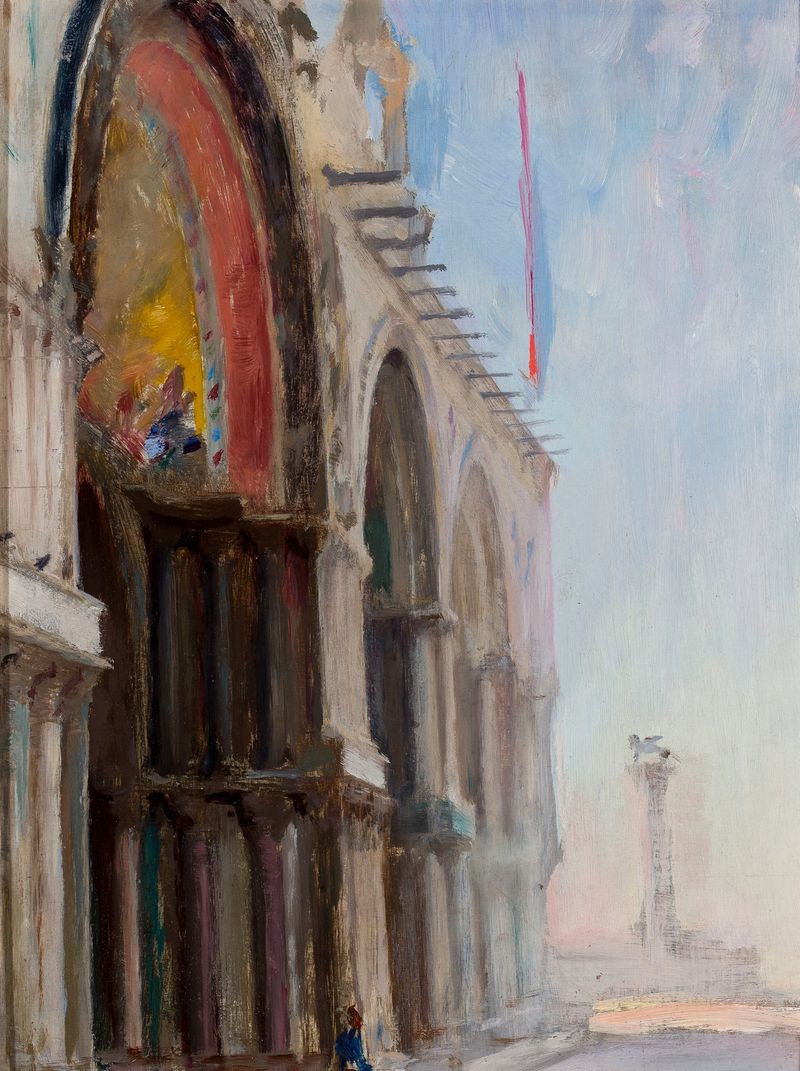
Venice – San Marco. From the journey to Italy
Jan Ciągliński
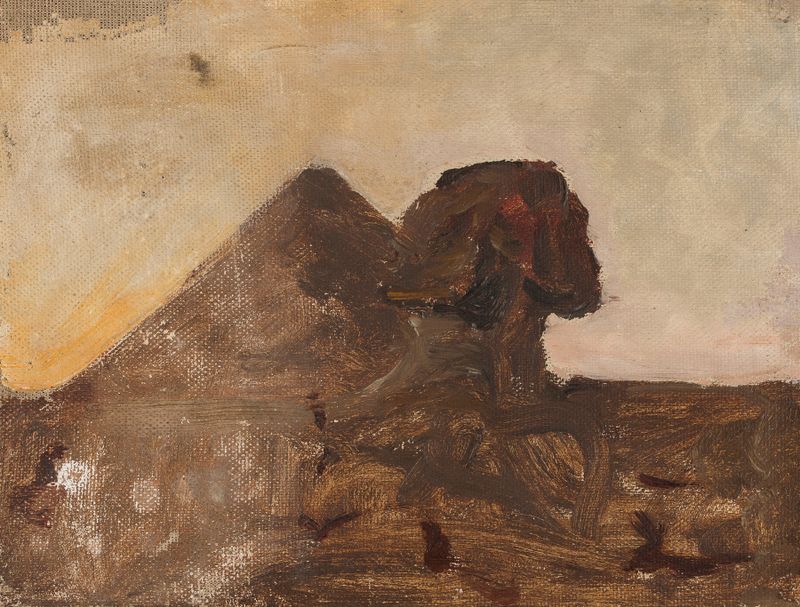
Evening in the desert – Sphinx and pyramid. From the journey to Egypt
Jan Ciągliński
More Architecture Art
Browse all →
The statue of Liberty
Frédéric Auguste Bartholdi

View of Houses in Delft, Known as ‘The Little Street’
Johannes Vermeer

View of Houses in Delft, Known as ‘The Little Street’
Johannes Vermeer

The Cathedral in Rouen. The portal, Grey Weather
Claude Monet

The yellow house
Vincent van Gogh

The Church in Auvers-sur-Oise, View from the Chevet
Vincent van Gogh